
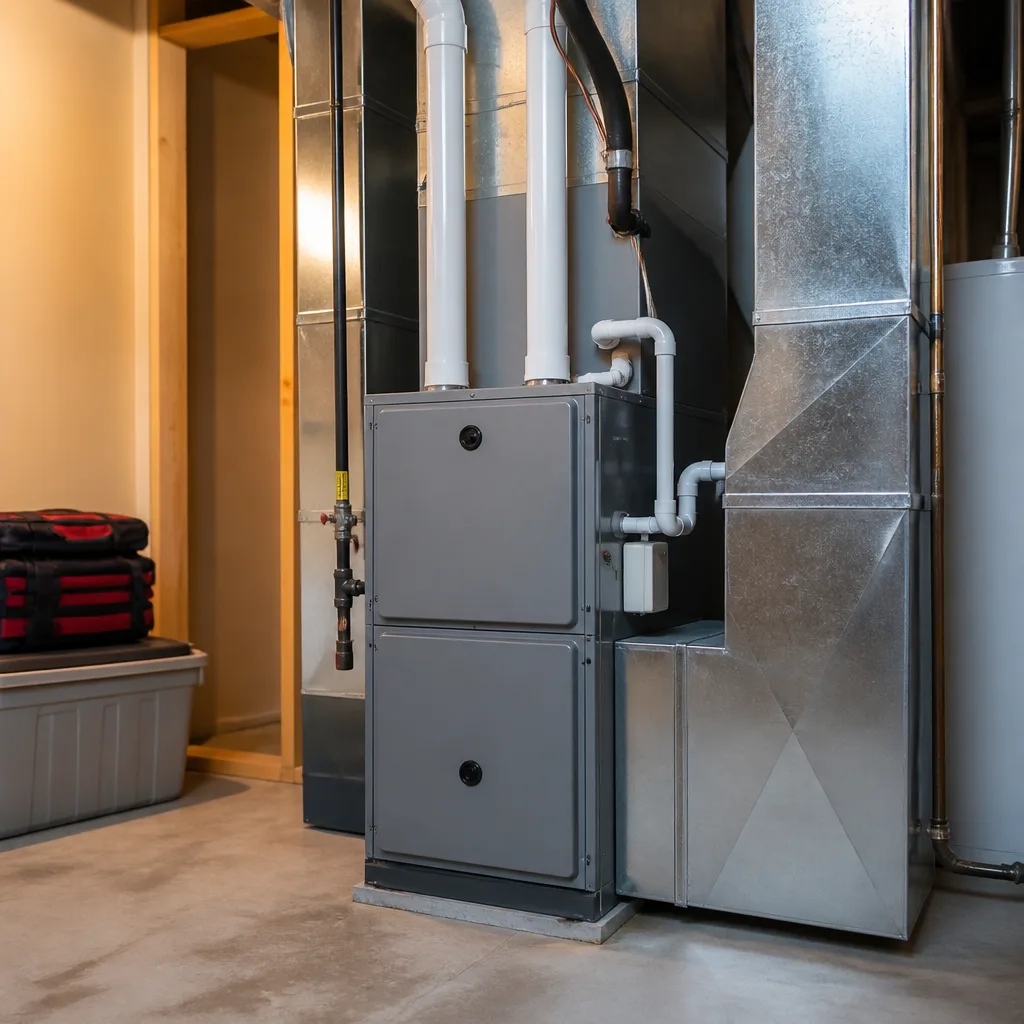
 Furnace & heating
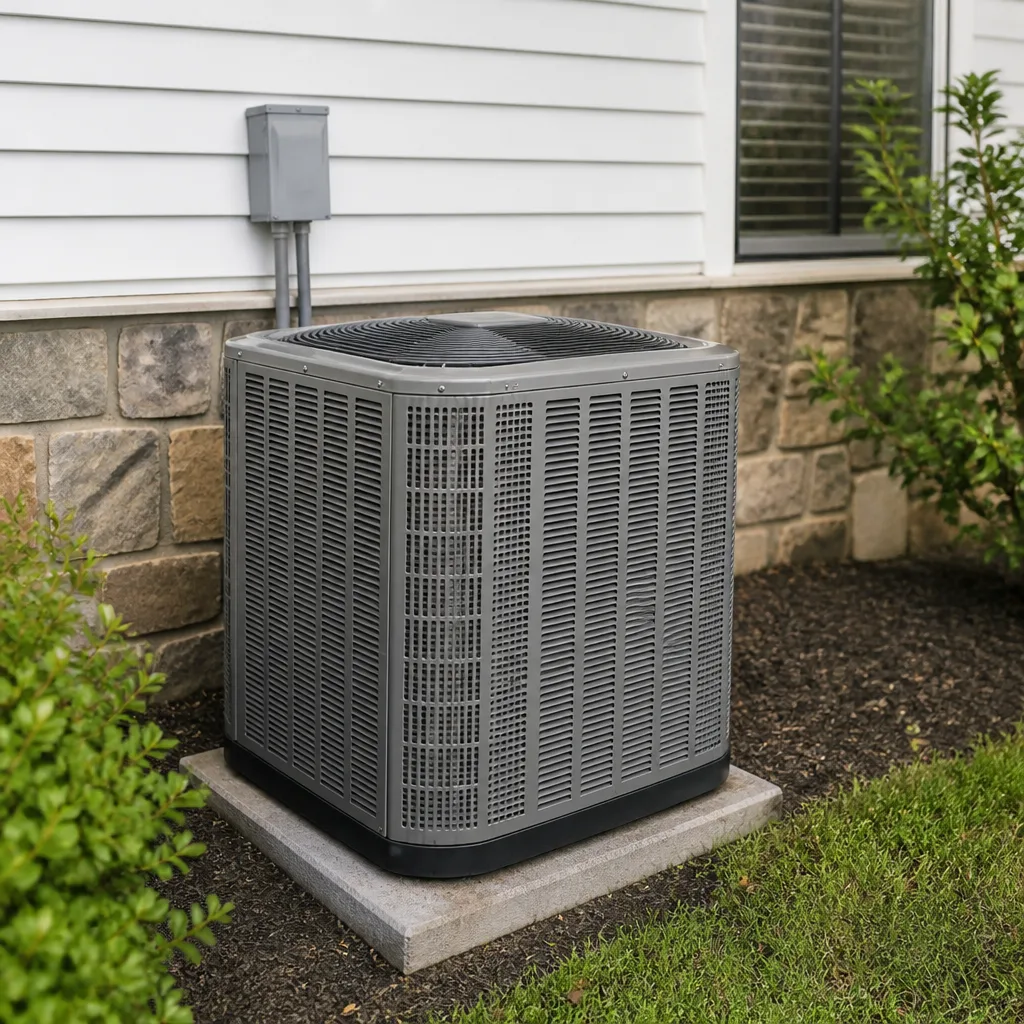 AC repair
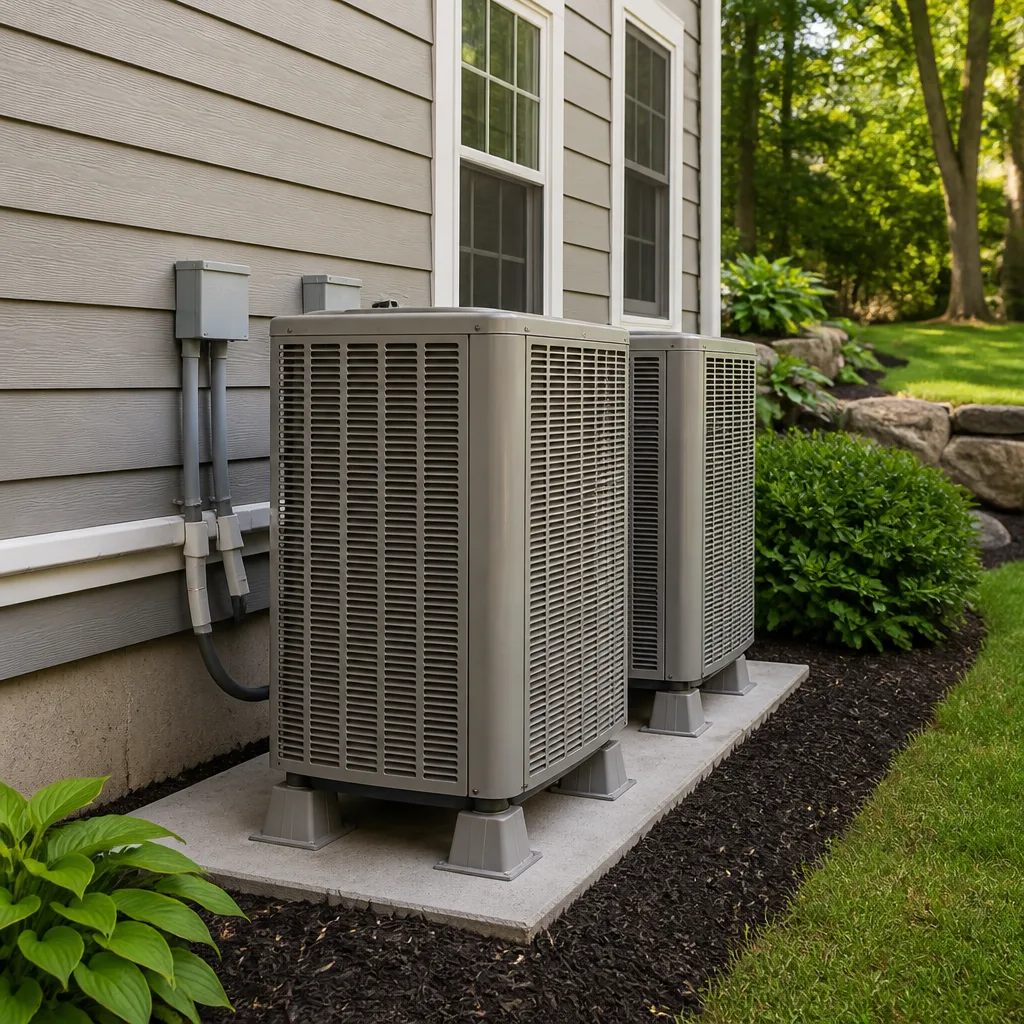 Heat pumps
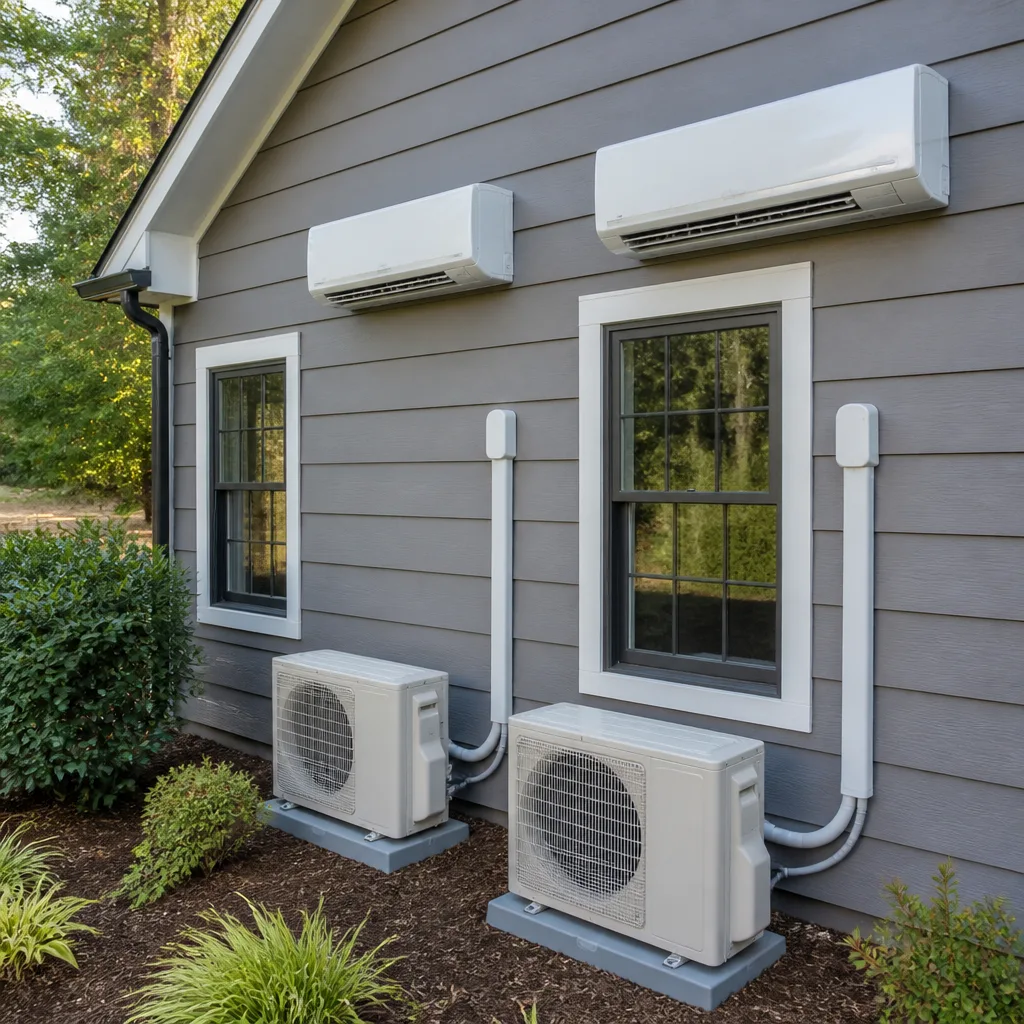 Ductless mini splits
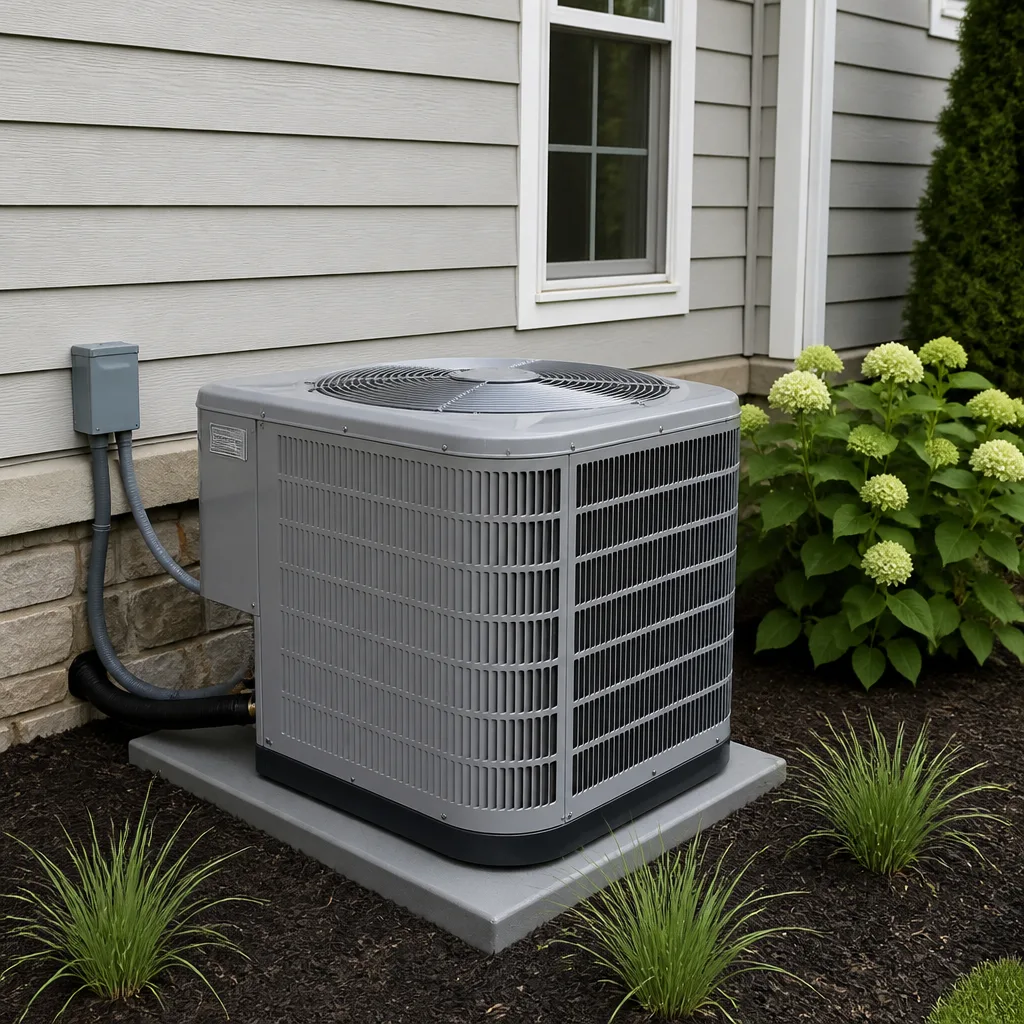 Carrier
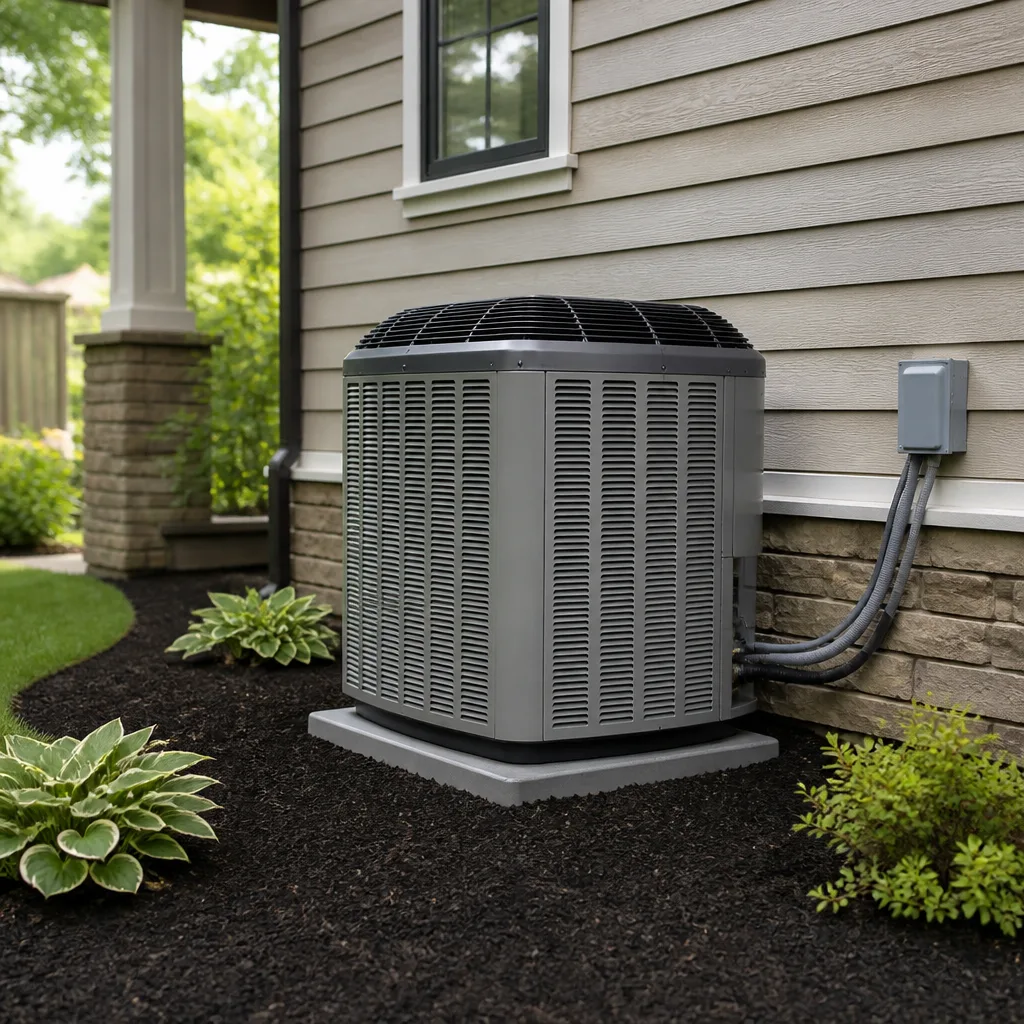 Trane
Trane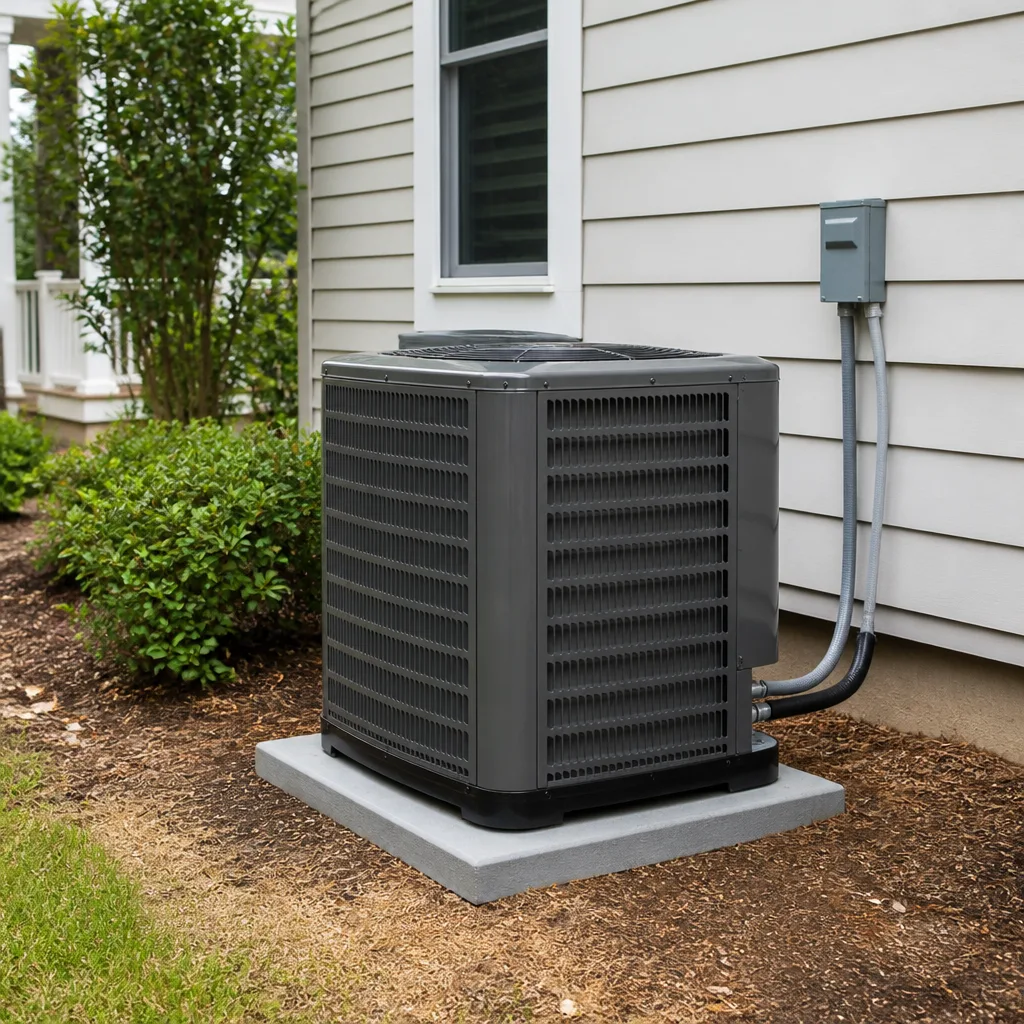 Goodman
Seasonal tune-up and full diagnostic on your Carrier, Trane, or Goodman system - readings shown to you before any repair is proposed
Diagnosis first, numbers second - you approve the repair price before a single part goes in.
Get your free estimateCarrier Mini-Split Installation: The New York Owner’s Guide
Installing a Carrier mini-split system in New York typically runs $4,200 to $8,900 for a complete single-zone or multi-zone setup, including the outdoor condenser, indoor air handler, line set, electrical work, and labor. We stock Carrier-compatible mounting hardware, line sets, condensate pumps, and electrical disconnects on our trucks, so most installations can be scheduled within a few days rather than weeks. If your existing mini-split has stopped cooling or heating properly, or you’re looking to add a ductless system to a room that never quite gets comfortable, this page covers what you need to know before you spend a dollar.
Most New York homeowners call us after a wall unit starts blowing warm air in August, or after they discover the previous contractor sized the system wrong and one bedroom never reaches temperature. Others are tired of window units rattling through a heat wave and want something permanent and quiet. Whatever brought you here, the fix starts with matching the right Carrier equipment to your actual square footage and your building’s quirks, and that’s something we do every day across the five boroughs.
Which Carrier Models This Applies To
Carrier’s ductless lineup in New York breaks into three families we work with regularly: the Comfort Series (entry-level single-zone units, model prefixes like 38MHRC), the Performance Series (mid-range with better efficiency, often 38MGRC), and the Infinity Series (higher-end with communicating technology and cold-climate heat pump performance down to -15°F). The key compatibility gotcha we see constantly: a Performance indoor head will not always talk to a Comfort outdoor condenser, and mixing series without checking the wiring protocol is the fastest way to a dead board. Always match the model prefix on both units.
Beyond the series question, the three numbers that matter are BTU capacity (9,000, 12,000, 18,000, 24,000, and up), voltage (most residential Carrier mini-splits are 208/230V, but some smaller 9K units run 115V), and line set diameter (typically 1/4″ liquid and 3/8″ suction on smaller units, stepping to 3/8″ and 5/8″ on larger ones). If you’re replacing part of an existing system rather than doing a full install, we verify these specs from the nameplate before ordering anything. As for OEM versus aftermarket: Carrier OEM parts are worth the extra cost on compressors, inverter boards, and sensors, because those compatibility headaches are expensive. For basic items like line sets, drain lines, and mounting brackets, quality aftermarket equivalents from suppliers we’ve used for years perform identically and save real money. We’re an independent service provider, not a Carrier dealer, so we have no incentive to push one over the other. We stock Carrier-compatible installation parts alongside Trane and Lennox components on our trucks, and we’ll tell you honestly when the aftermarket option is identical and when it isn’t.
Styles & brands we work with
Signs Your Carrier Mini-Split Installation Is Failing
- Warm air from one head but not the others. This usually points to a refrigerant leak at a flare connection or a failing expansion valve in that specific indoor unit. The other heads keep working because the outdoor unit is still running, but the affected zone loses its charge balance.
- Water dripping from the indoor unit. A clogged condensate drain line or a failed condensate pump is the typical culprit. In New York’s summer humidity, a mini-split can pull gallons of water out of the air daily, and when the drain backs up, the overflow pan fills fast.
- Ice forming on the outdoor coil in mild weather. This often signals low refrigerant or a failing thermistor that’s reading temperatures wrong. The system should defrost on its own, but if ice is present at 60°F outside, something is off.
- Grinding or buzzing from the outdoor unit. A failing inverter-driven compressor or a loose fan blade mount. Carrier’s inverter compressors are generally sturdy, but when they fail, the sound is unmistakable and shouldn’t be ignored.
- Unit short-cycling or running constantly without reaching setpoint. Often caused by a refrigerant charge issue from the original install, a dirty outdoor coil blocking heat exchange, or a faulty indoor thermistor feeding bad data to the control board.
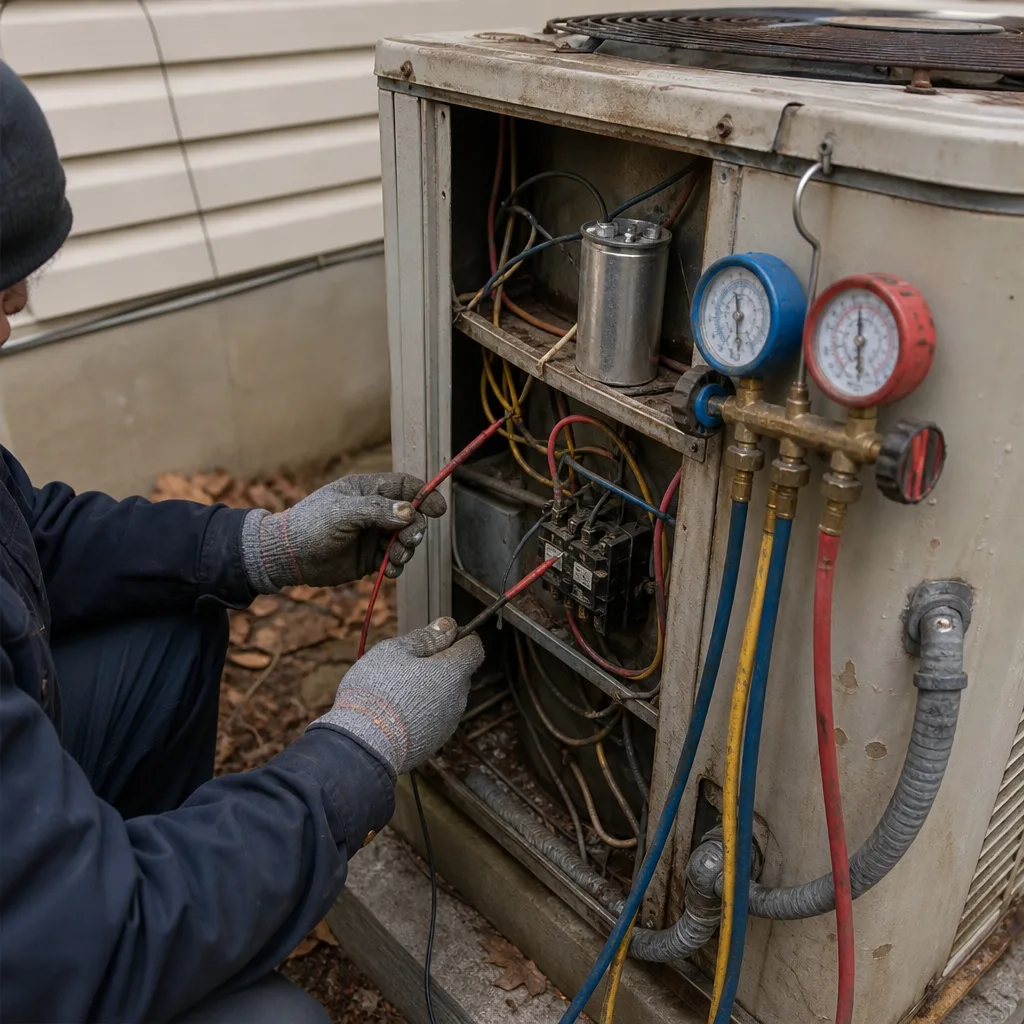
See the difference
 Before
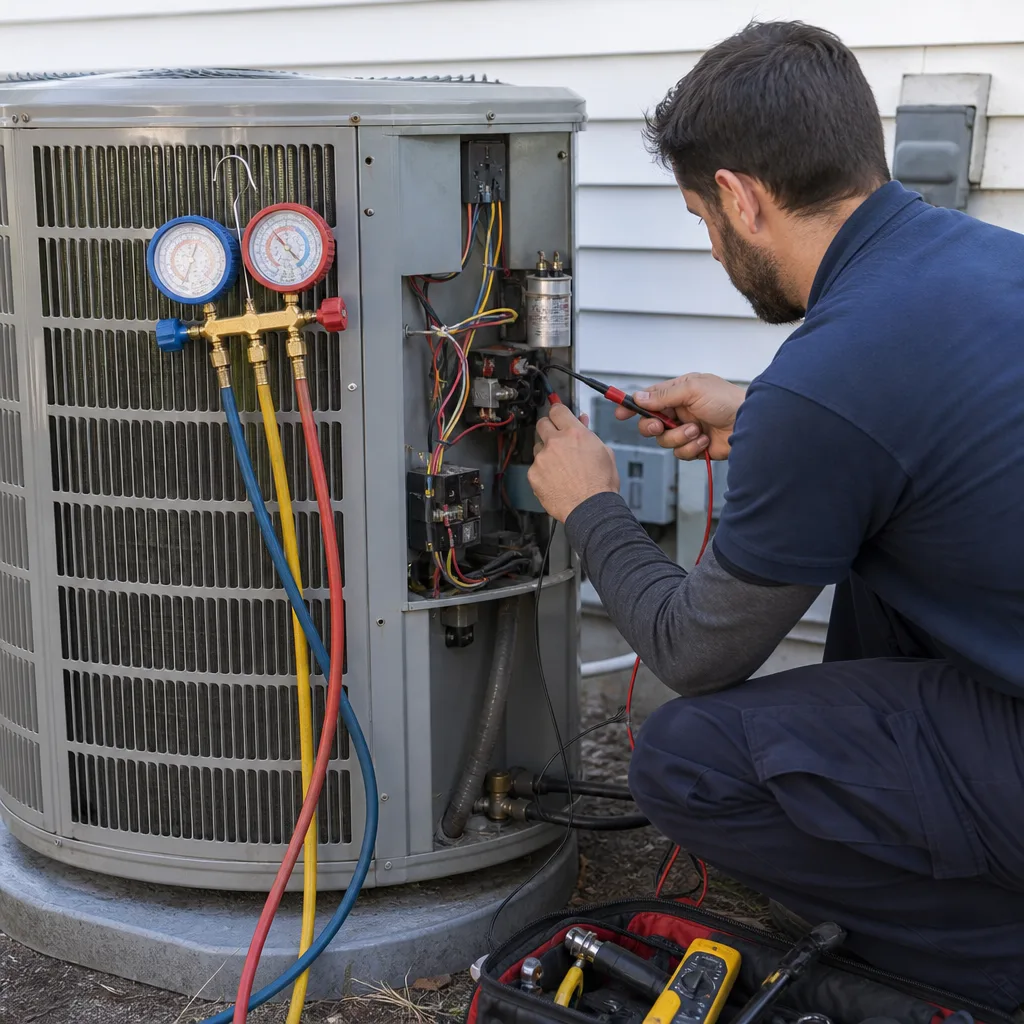 After
After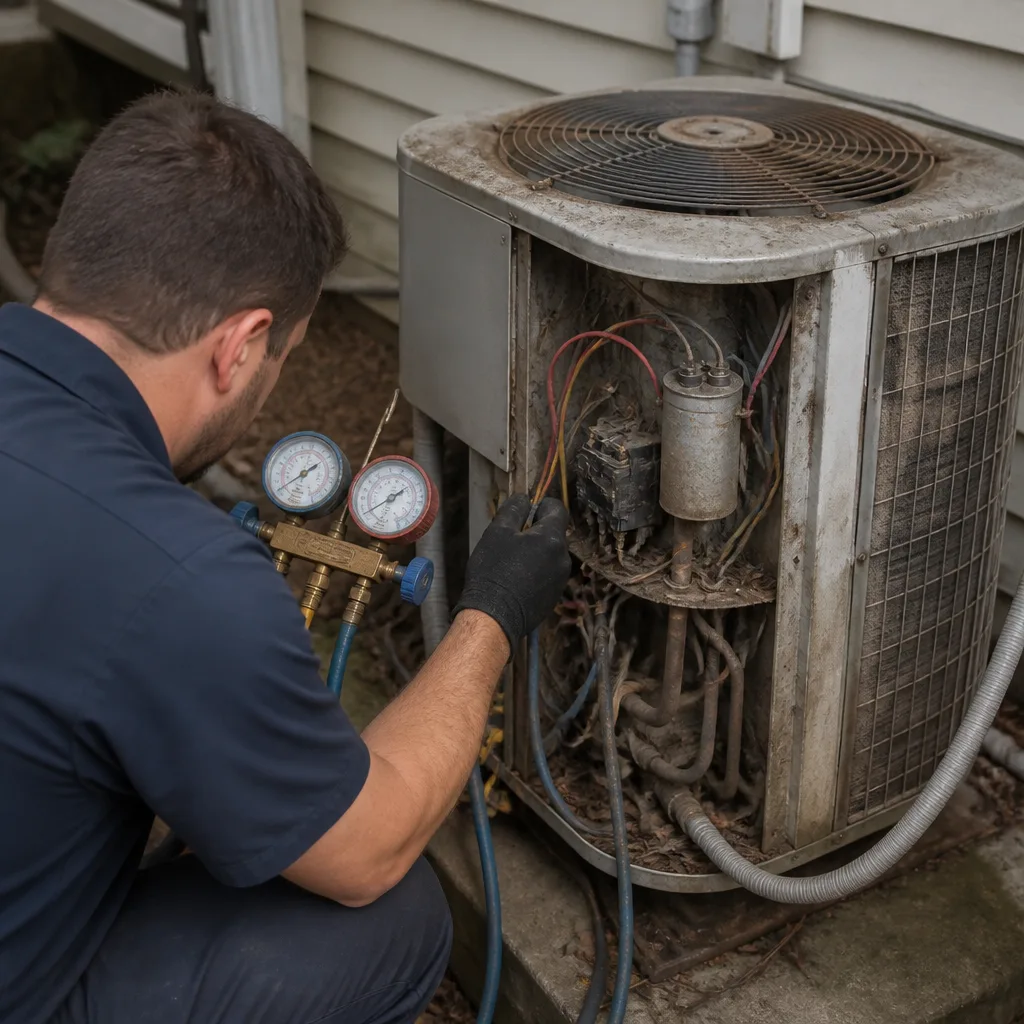 Before
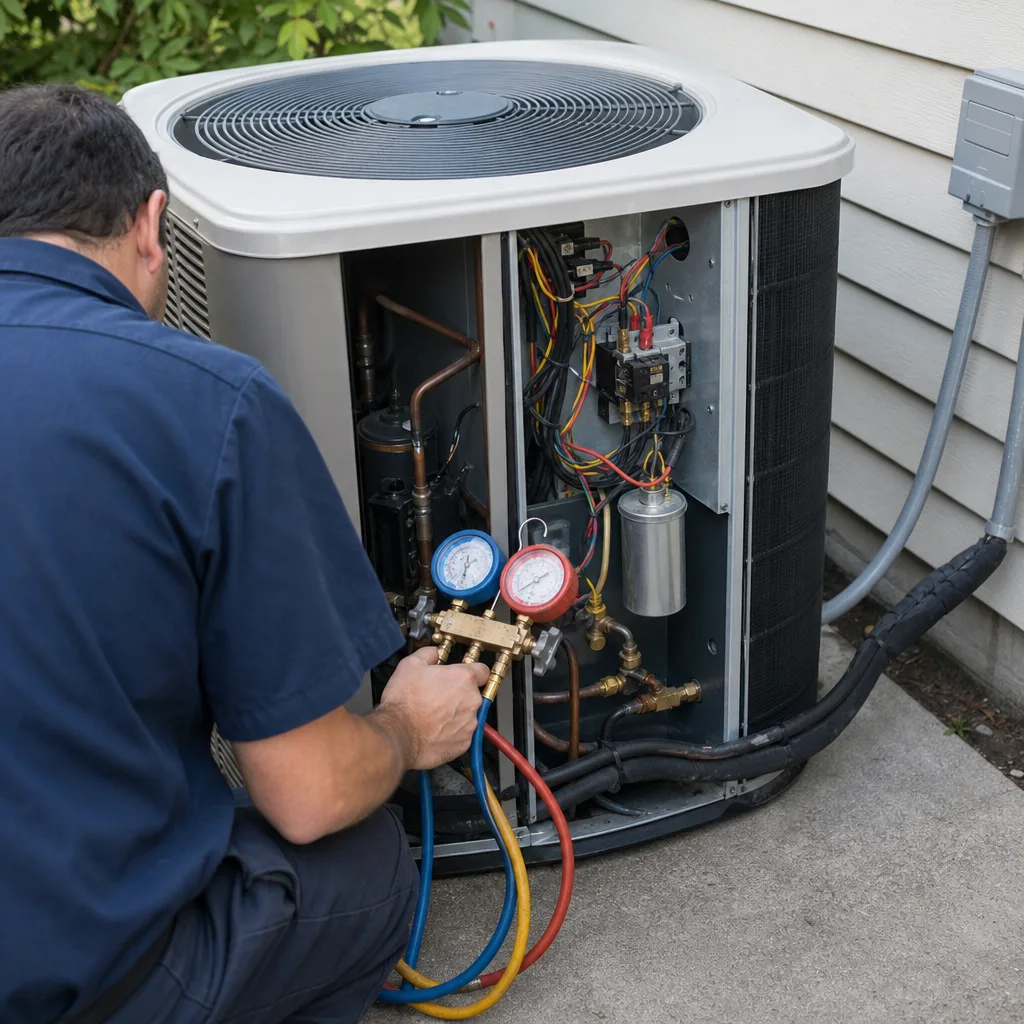 After
After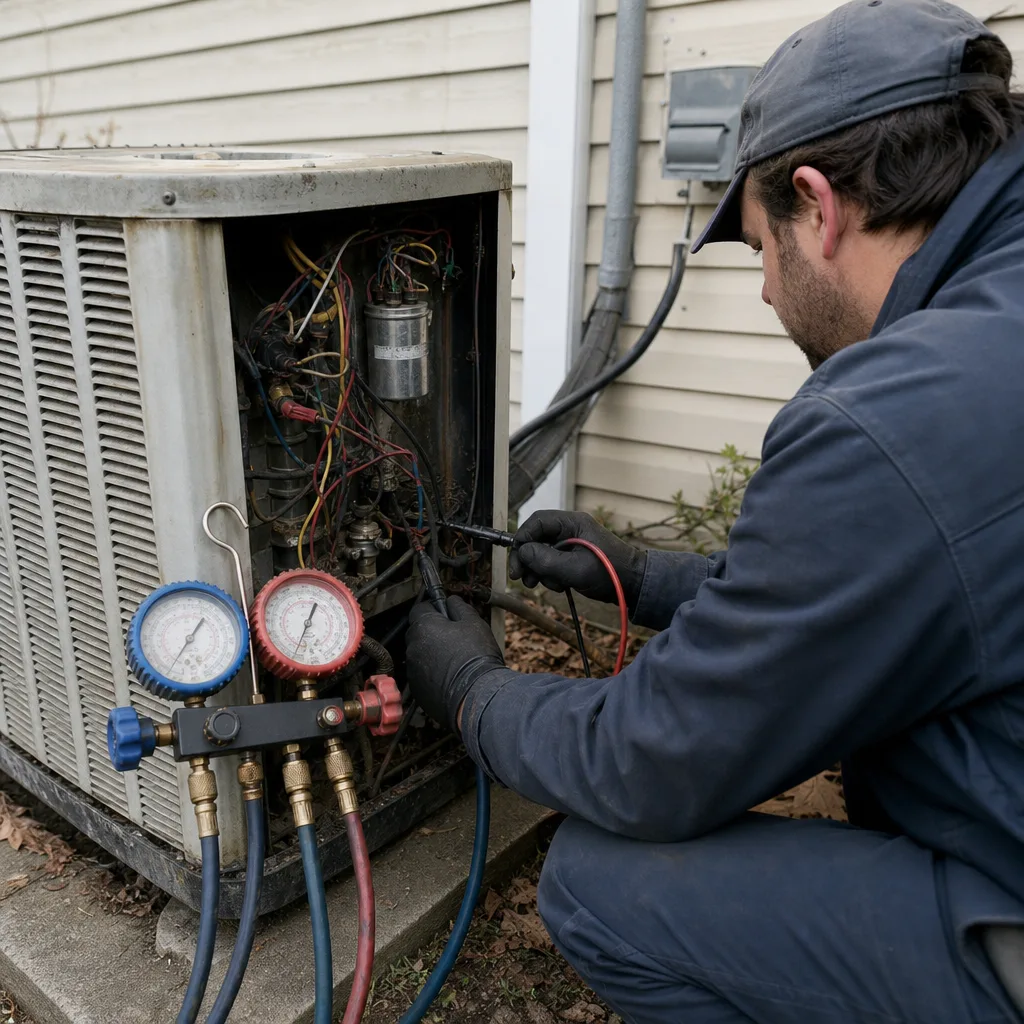 Before
 After
AfterReplacement Cost & What’s Included
A full Carrier mini-split installation in New York runs $4,200 to $8,900, depending on capacity and zone count. A single 12,000 BTU Comfort unit in a bedroom or small living area sits near the low end. A 36,000 BTU multi-zone Infinity system serving three or four rooms, with the electrical subpanel work and longer line sets that older New York buildings sometimes require, lands near the top. The price we hand you is written down before any work starts, and it includes the equipment, line set, drain piping, electrical disconnect, wall sleeve or condensate pump as needed, labor, and the refrigerant charge. Carrier’s factory warranty applies to the equipment, and our 365-Day Done Right Promise covers our installation labor for a full year in writing. If anything we touched fails in that window, we come back and make it right at no charge. No fine print, no argument.
| Installation Scope | Typical New York Installed Price |
|---|---|
| Single-zone 9,000 – 12,000 BTU (one room) | $4,200 – $5,600 |
| Single-zone 18,000 – 24,000 BTU (larger room or open area) | $5,200 – $6,900 |
| Multi-zone 24,000 – 36,000 BTU (two or three heads) | $6,400 – $8,900 |
| Partial replacement (indoor head or outdoor unit only, existing line set) | $2,100 – $4,400 |
DIY or Call Us?
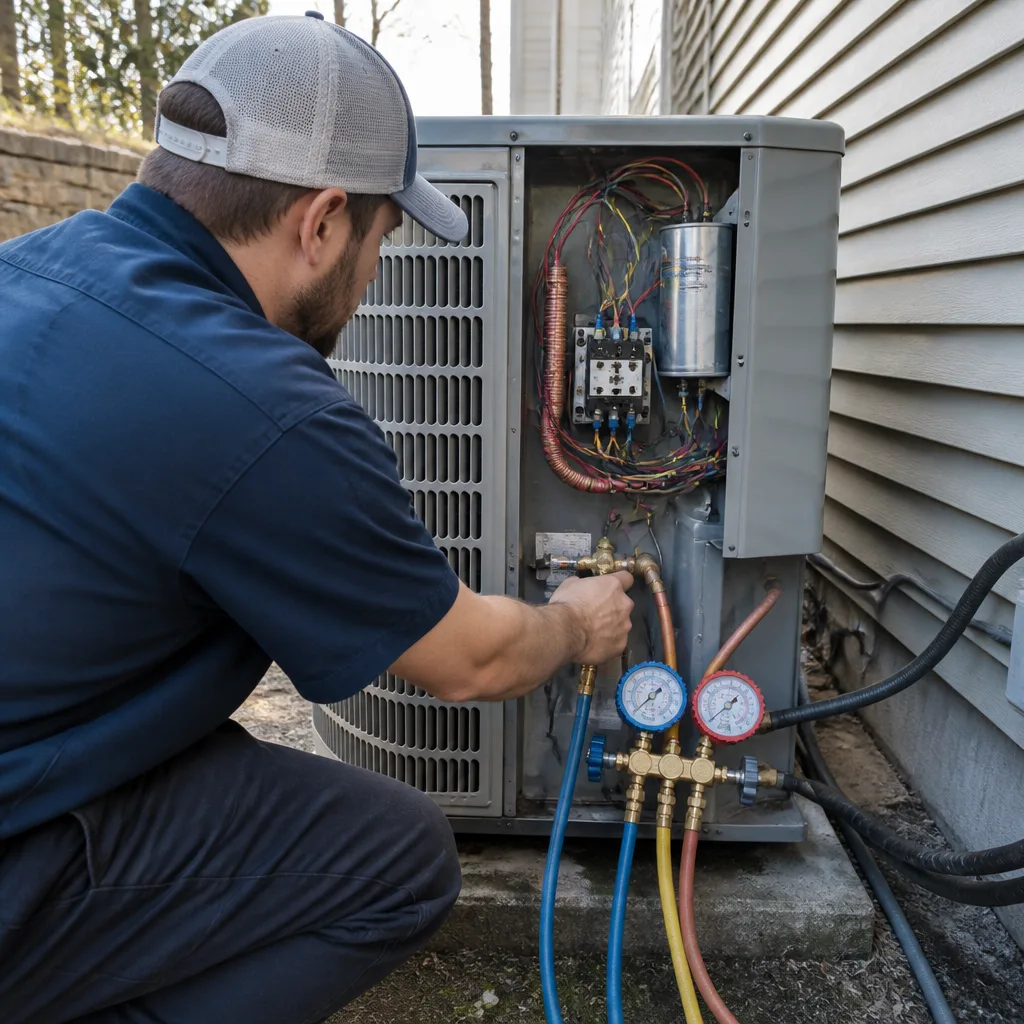
Half of what we fix on Carrier mini-splits started as a do-it-yourself project that went sideways. The two things you can safely do before calling: clean the washable filters on the indoor head (dusty filters cause poor airflow and freeze-ups), and confirm the breaker hasn’t tripped or the disconnect isn’t off. Beyond that, this work is not for a weekend warrior. Mini-split systems run on high-voltage electricity, hold pressurized refrigerant that’s federally regulated, and the flare connections that seal the copper lines require a torque wrench and a trained hand. A bad flare leaks slowly for months, then dumps the entire charge on the hottest day of the year. If you’re spending thousands on Carrier equipment, the install is not where you save a few bucks.
Call us at (934) 465-5501 and we’ll give you a straight answer on what’s wrong and what it costs to fix or install it right. Victor Mancini is on the schedule most days, and as he says: tell me what it is doing, and I will tell you what it needs, no guesswork, no surprises.
FAQs
A properly installed Carrier mini-split system in New York generally lasts 15 to 20 years, with the outdoor unit typically being the first major component to need replacement. Regular filter cleaning and annual coil maintenance are the two biggest factors in reaching the upper end of that range. Call (934) 465-5501 if your system is under five years old and already showing problems, because that points to an installation defect rather than normal wear.
Yes, and in most cases below $2,500 in repair cost, repair is the better financial call. Leaking flares, failed capacitors, bad thermistors, and condensate pump issues are all repairable same-day. We’ll tell you plainly when a compressor failure or inverter board failure on an older unit means replacement makes more sense than repairing. Estimates are free, and the numbers come in writing before any work begins.
A single-zone installation typically takes one day, about six to eight hours on site. A multi-zone system with two or three indoor heads takes one to two days, longer in older New York buildings where the electrical panel needs upgrading or line sets must run through masonry walls. We set the arrival window in writing and we show up in it.
We stock the common installation hardware: line sets in standard lengths and diameters, wall mounting brackets, condensate pumps, drain line kits, disconnect boxes, and the specialty tools like torque wrenches and nitrogen purge kits that make the install correct the first time. If your job needs a less common part, we’ll have it ordered and scheduled within days, and you’ll know exactly when the work happens.
Written by Victor Mancini, Owner, Cold Harbour Heating and Air New York at Cold Harbour Heating and Air New York, serving New York and nearby areas.