
 Furnace & heating
 AC repair
 Heat pumps
 Ductless mini splits
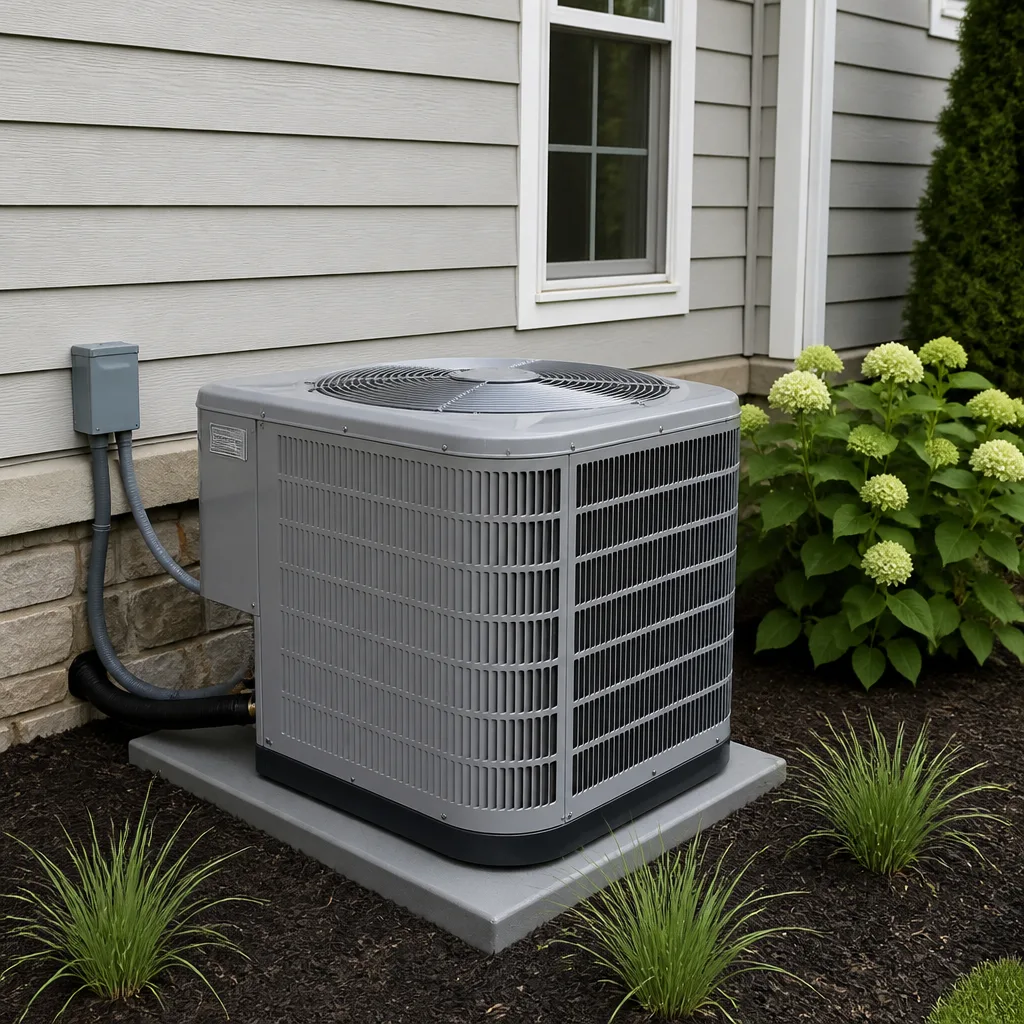 Carrier
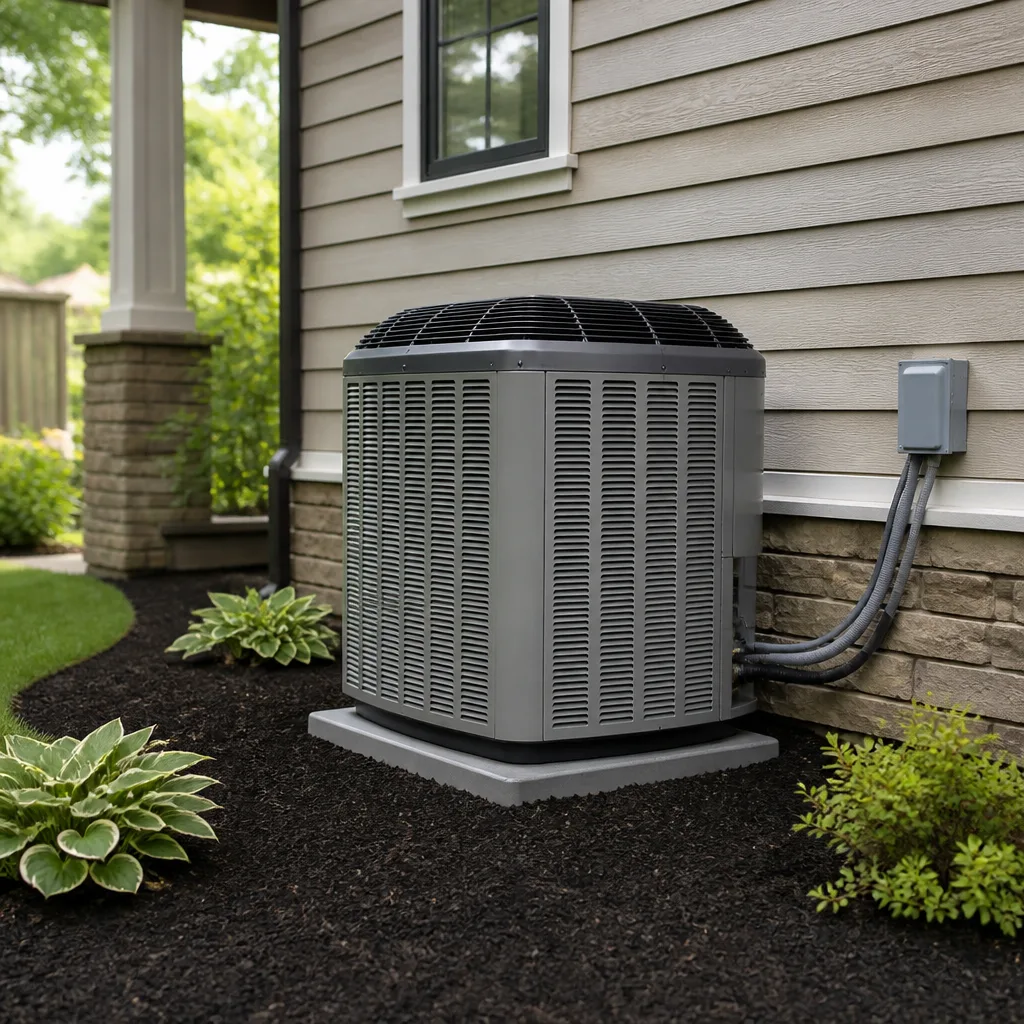 Trane
Trane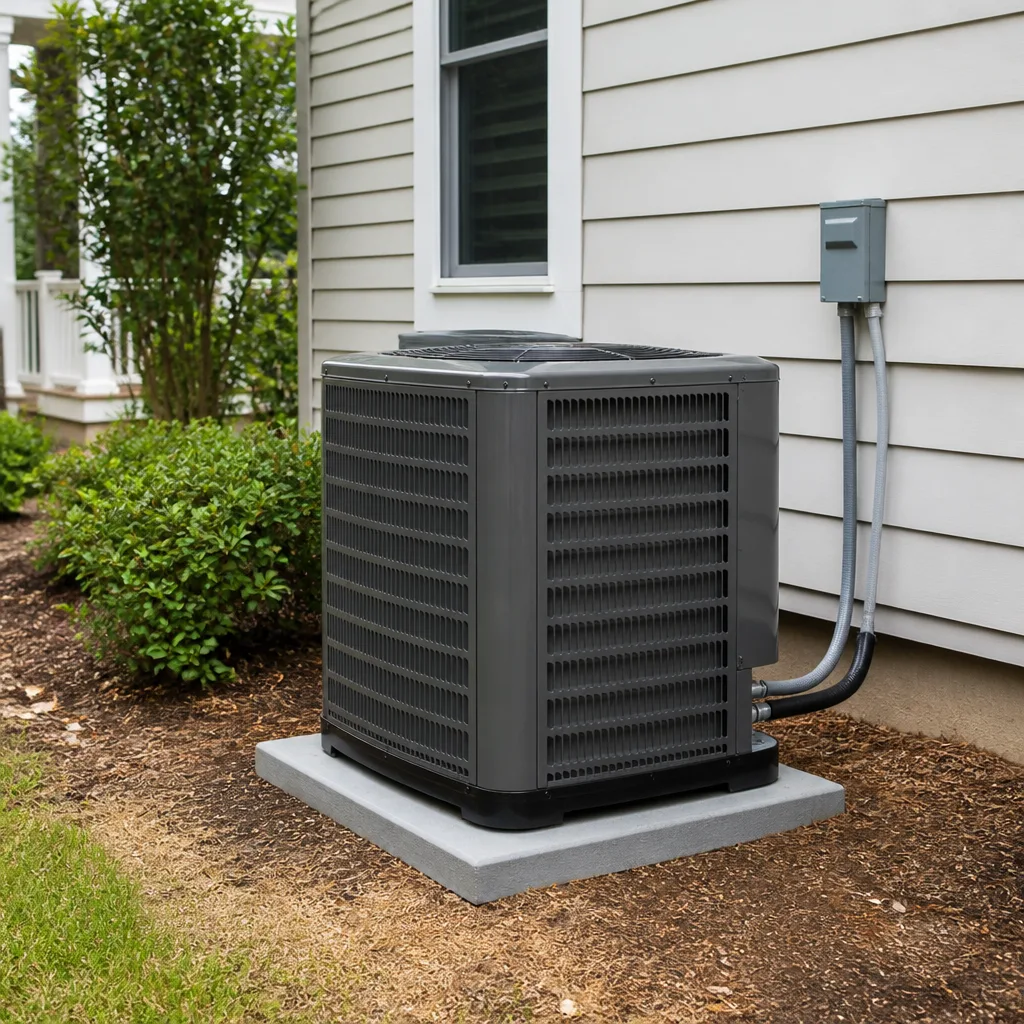 Goodman
Seasonal tune-up and full diagnostic on your Carrier, Trane, or Goodman system - readings shown to you before any repair is proposed
Diagnosis first, numbers second - you approve the repair price before a single part goes in.
Get your free estimateTrane Capacitor Replacement: The New York Owner’s Guide
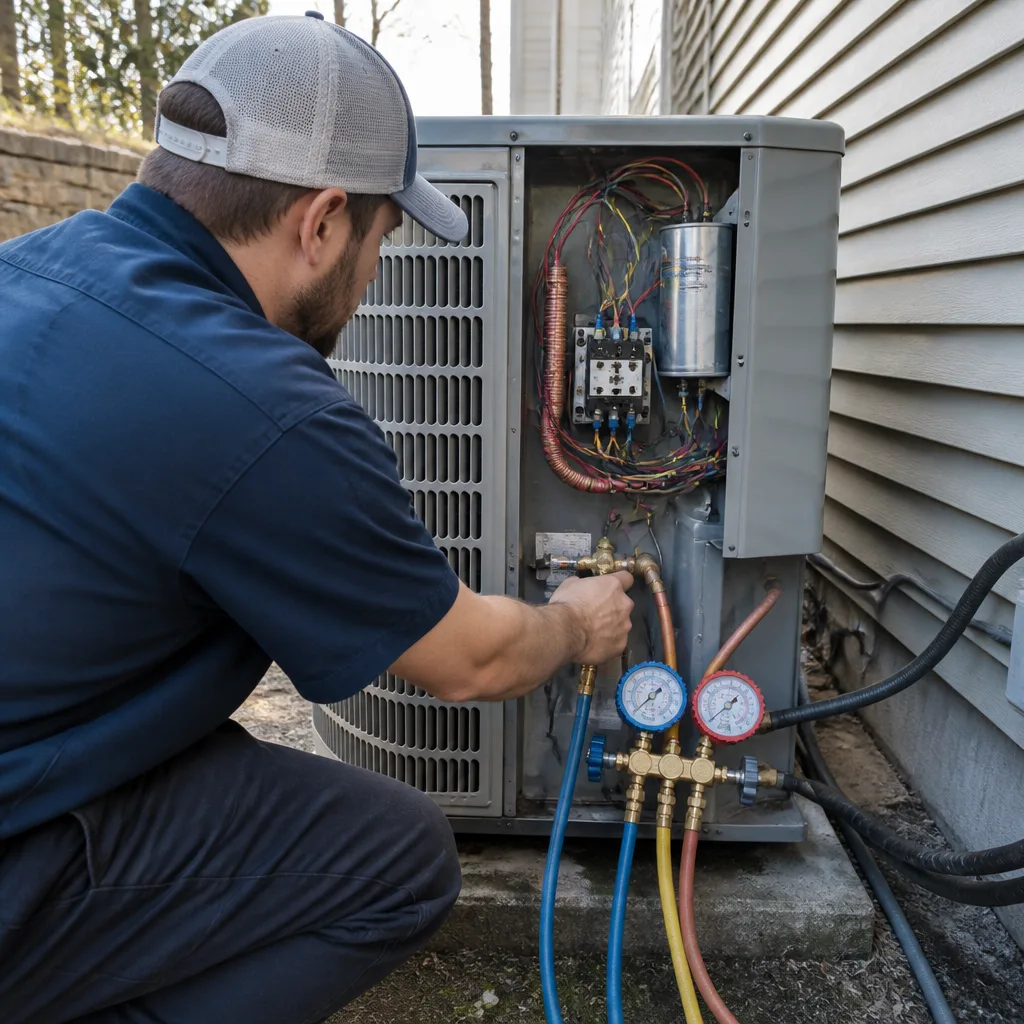
A Trane capacitor replacement in New York typically runs $175 – $320 installed, parts and labor included, and we complete most swaps in under an hour. We keep Trane-compatible capacitors stocked on our trucks, so in most cases we can get your system running the same day you call. The most common way owners discover this part has died: the outdoor unit hums but the fan won’t spin, or the compressor clicks and shuts off within seconds.
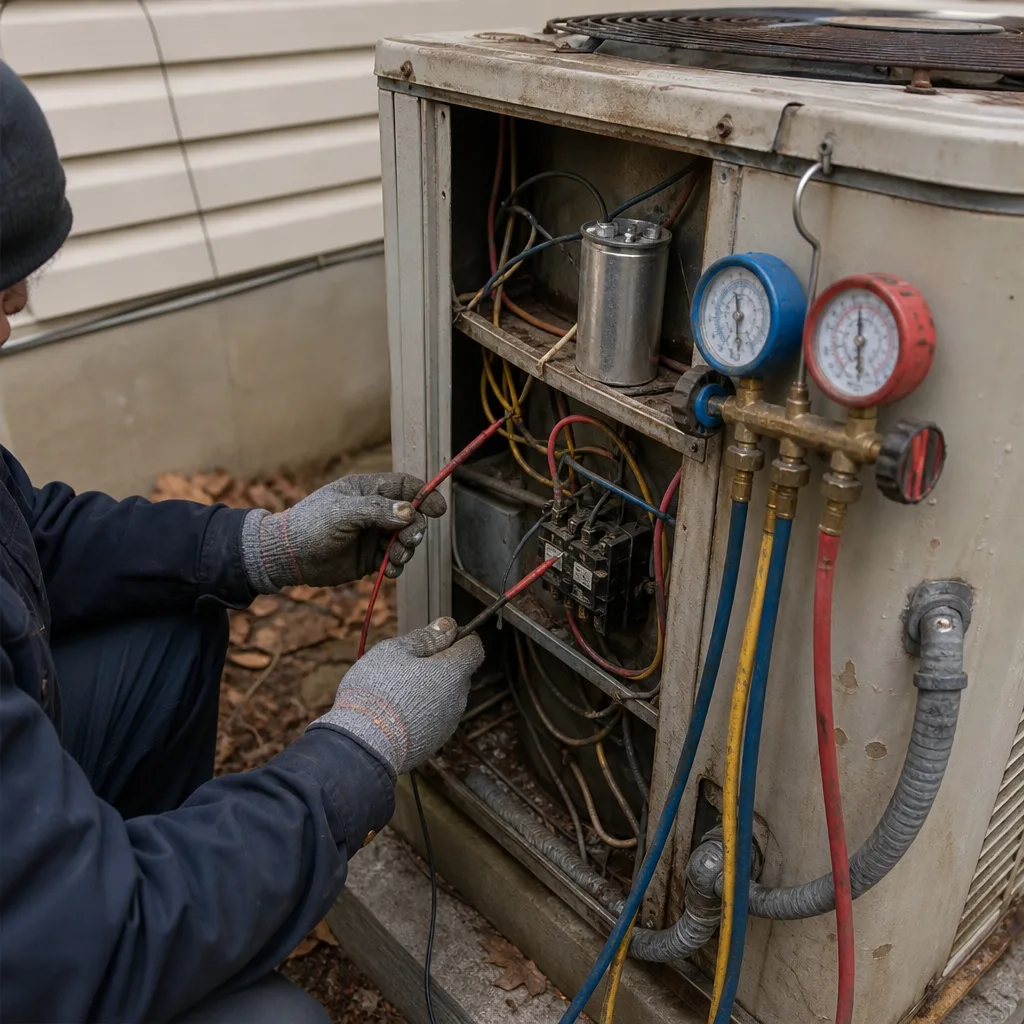
Capacitors are the small cylindrical components that give your compressor and fan motor the electrical kick they need to start, and the steady voltage they need to keep running. They fail more than any other single part in a Trane system, especially in New York where summer humidity pushes condensers hard for months at a stretch. When one goes, the system either won’t start at all or runs hot and draws too much current, which then shortens the life of the compressor itself. Catching it early matters.
Which Trane Models This Applies To
We replace capacitors across the full Trane residential lineup: XR series, XL series, XV series, and the older XB and XE lines still running in plenty of New York apartments and brownstones. The part itself isn’t model-specific in the way a control board is, but the microfarad (µF) rating printed on the side of the old capacitor has to be matched exactly, within ±5%, or the motor it serves will run hot and fail early. Most Trane condensers take a dual-run capacitor rated anywhere from 25/5 µF to 70/10 µF, with a voltage rating of 370V or 440V, and the 440V units are the ones that survive New York’s voltage swings best.
One compatibility gotcha we see often: a Trane unit that calls for a 45/5 µF capacitor will sometimes have a 40/5 µF installed by a previous contractor, because that’s what was on the truck. It will start, it will run, and it will burn out a compressor two summers later. We match the capacitor to the motor’s nameplate rating, not to whatever happened to be there before. When it comes to OEM versus aftermarket, we’re honest: Trane-branded capacitors are made by the same contract manufacturers that supply high-quality aftermarket equivalents like AmRad and Titan HD. The aftermarket versions often carry a better failure rating at the same or lower price, and we stock both so you can choose. Cold Harbour Heating and Air New York is an independent service provider, not affiliated with Trane, and we’ll put whichever brand you pick in writing on the invoice before the work begins.
Styles & brands we work with
Signs Your Trane Capacitor Replacement Is Failing
- Humming without starting: The outdoor unit makes a low electrical hum but the fan stays still. That’s the motor trying to start with a capacitor that can’t deliver the starting voltage. The sound is the motor windings straining against a locked rotor, which is exactly when damage gets expensive.
- Compressor short-cycles: The compressor kicks on for a few seconds, clicks off, waits, and tries again. A weak capacitor can’t hold the run voltage, so the system’s thermal protection cuts power repeatedly. This is hard on a Trane compressor if left for even a weekend.
- Bulging or leaking capacitor body: The top of the capacitor looks dome-shaped instead of flat, or there’s a faint oily residue around the terminals. In New York’s heat, the dielectric fluid inside expands and pressurizes the casing. Once it bulges or leaks, the capacitor is done.
- Fan spinning slow on a hot afternoon: The condenser fan turns but looks sluggish, especially during peak heat. The run side of the capacitor is losing its ability to maintain speed, which drops efficiency and raises your Con Edison bill, even though the system appears to be working.
- System ran fine last season but won’t start this year: A common New York story: an AC works through the first heat wave, then sits unused through the fall and winter, and the capacitor silently degrades. When you switch it on in June, nothing happens. Long idle periods plus our humid air are a known capacitor killer.
See the difference
 Before
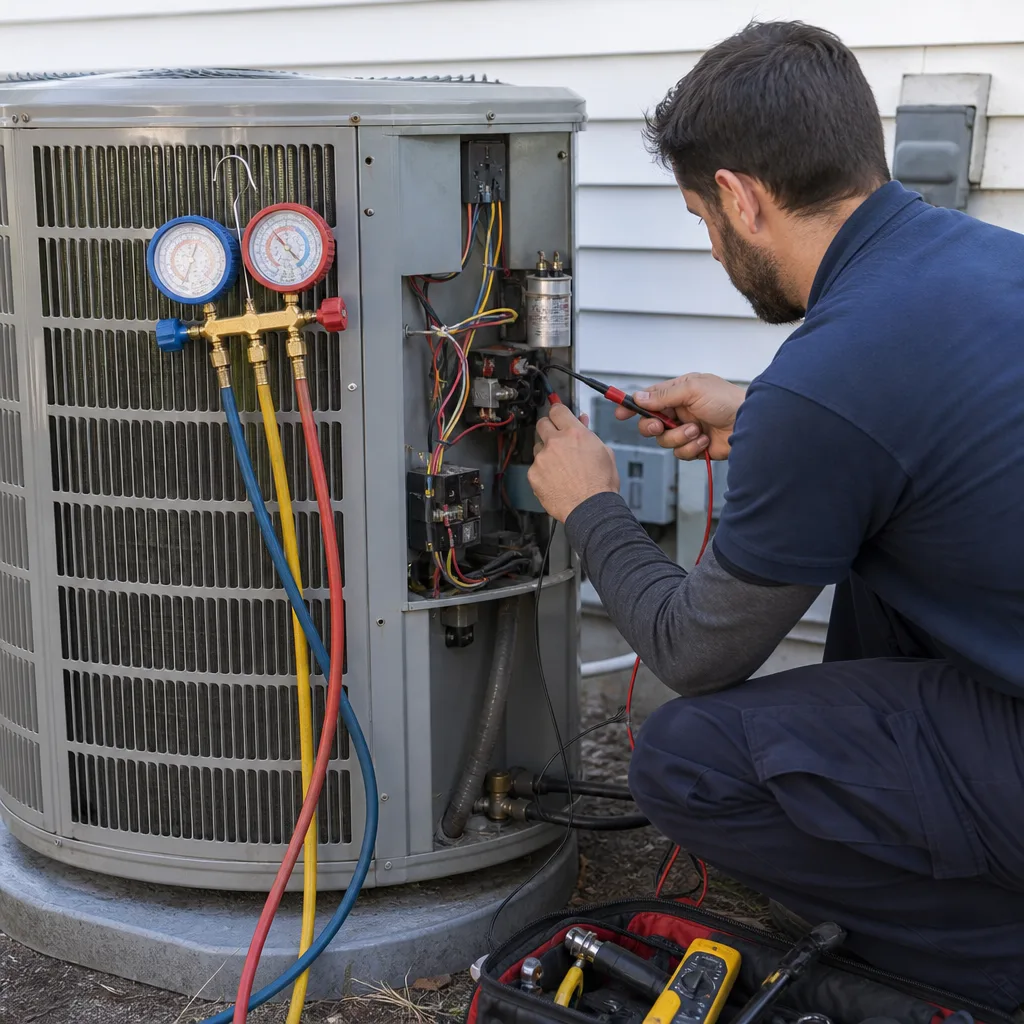 After
After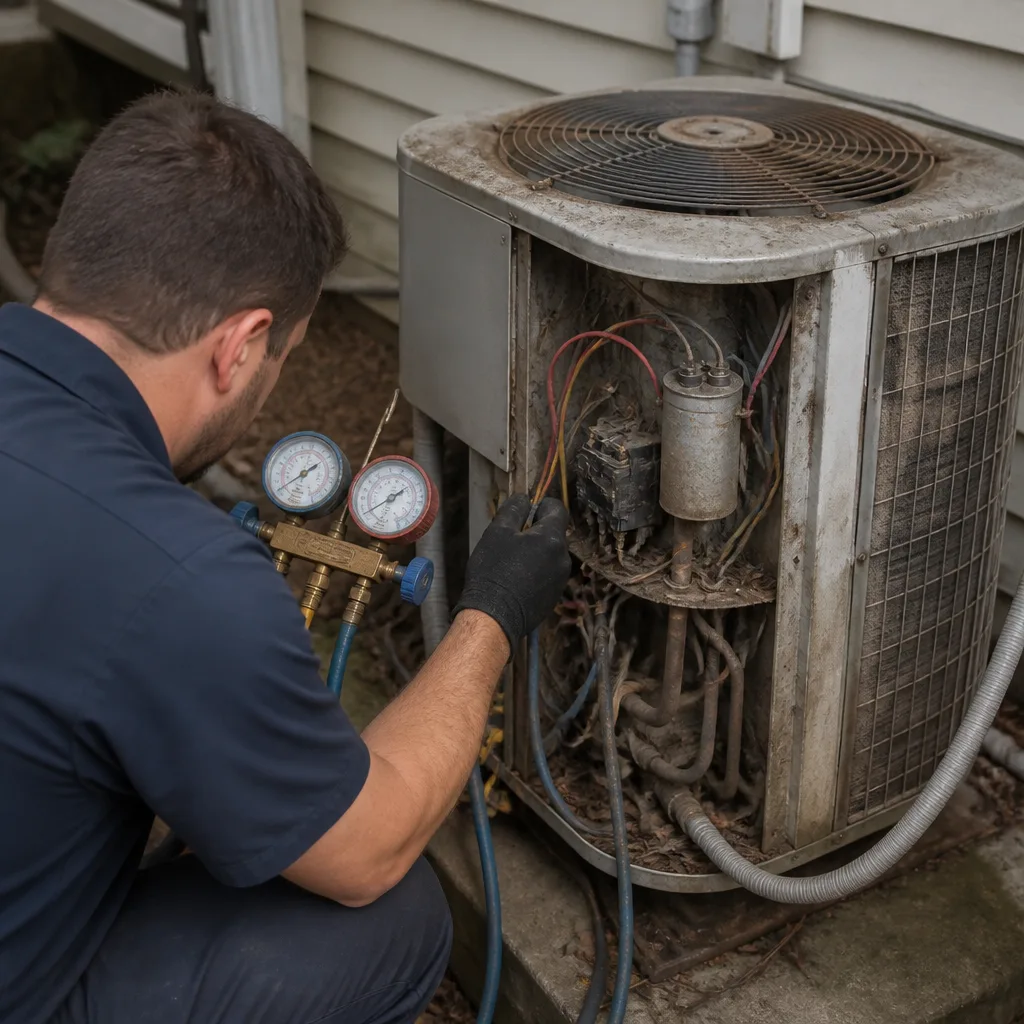 Before
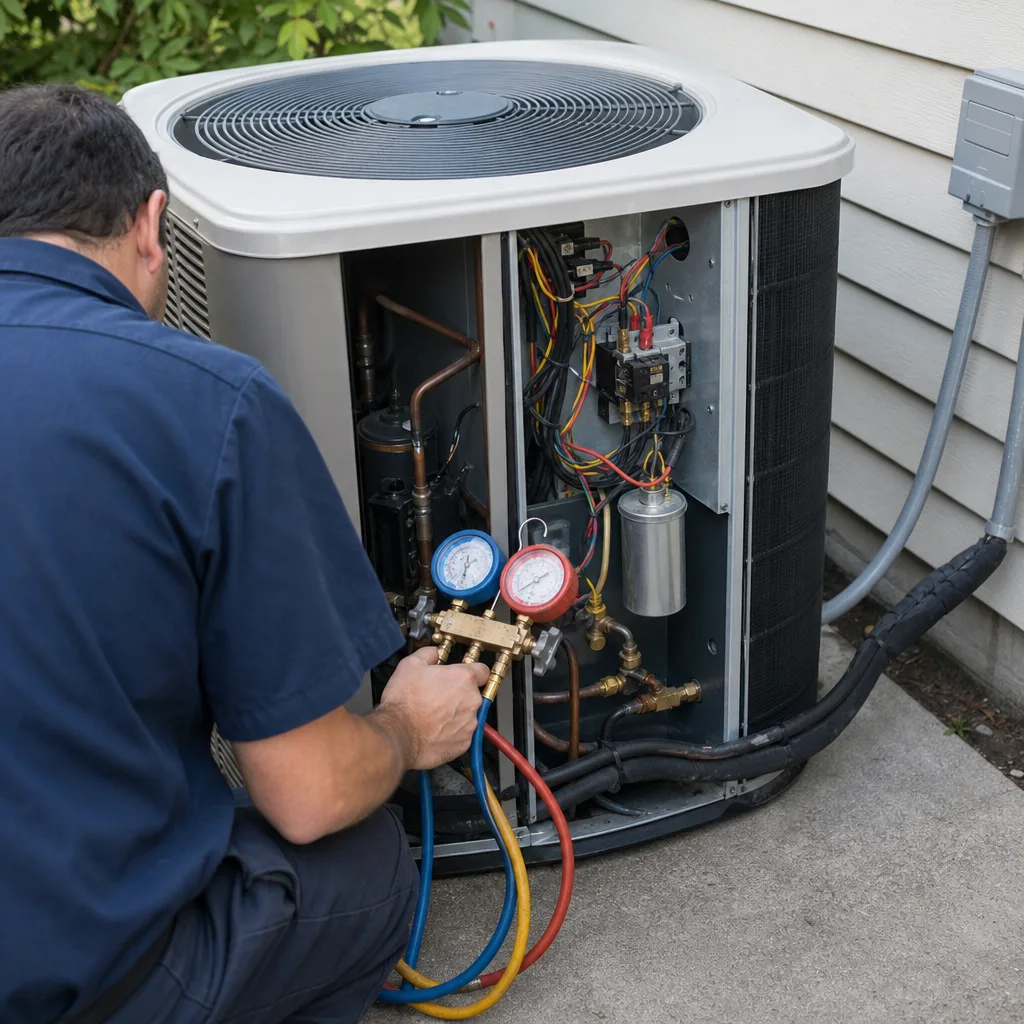 After
After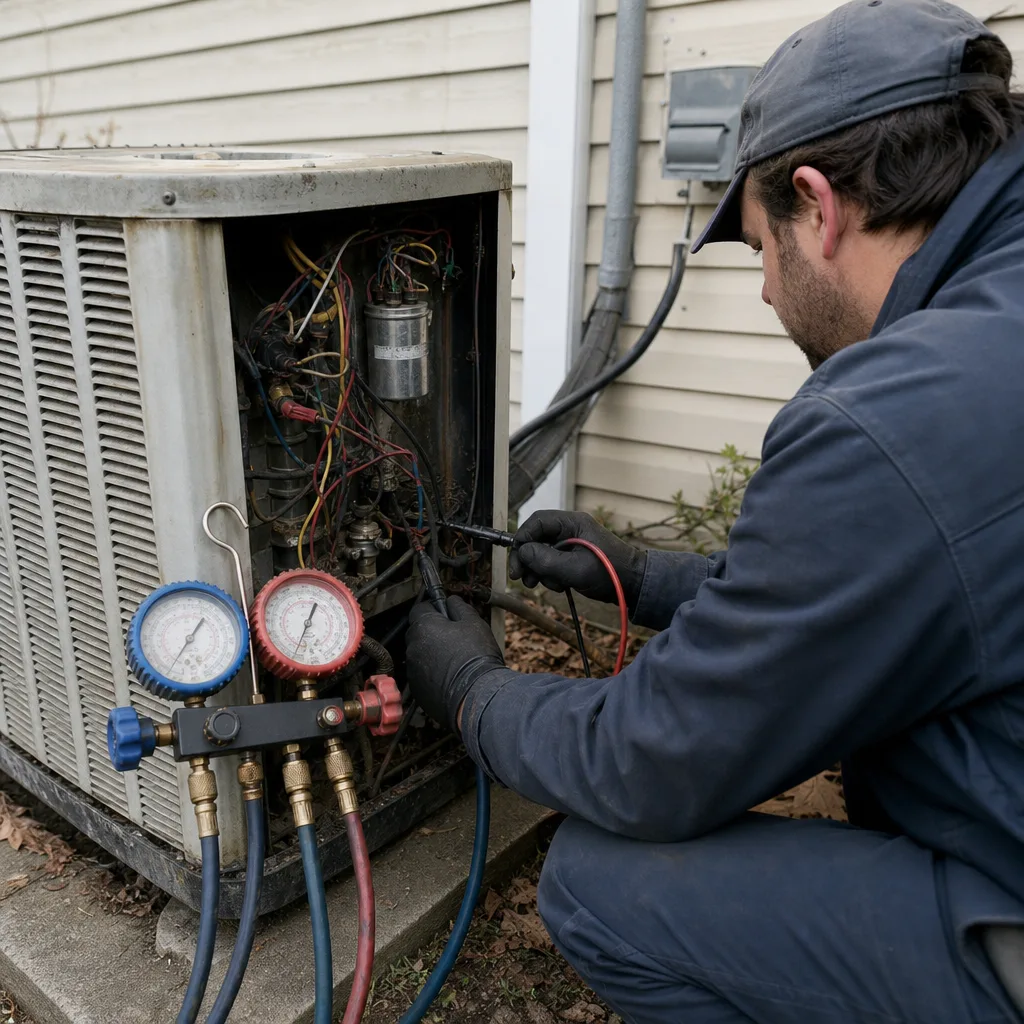 Before
 After
AfterReplacement Cost & What’s Included
We charge a flat, written price for every Trane capacitor replacement, and that price is handed to you before any work begins. Most jobs run $175 – $320, parts and labor included, and that stays the same whether the technician is here for 40 minutes or has to trace an extra wiring issue. What drives the range is simple: the capacitor’s size and whether it’s a single-run or dual-run unit, whether you want Trane OEM or a premium aftermarket part, and how accessible the capacitor is inside the unit. The only times we’ve gone above $320 have involved older Trane units where the capacitor’s wiring or mounting bracket had corroded badly enough to need replacement as well.
Every capacitor replacement is covered by our 365-Day Done Right Promise. If that capacitor fails within a year, we come back and replace it at no charge. That’s a written guarantee, not a verbal one, and it’s part of how we’ve operated since 2003.
DIY or Call Us?
We’ll be direct: a capacitor stores enough electrical charge to stop a heart, even when the power to the unit is off. It has to be properly discharged with the right tool before anyone touches the terminals, and a mistake here can kill. This is one part where DIY isn’t worth the risk, no matter how many YouTube videos you’ve watched. In New York specifically, plenty of our older buildings have wiring that doesn’t match what the video shows, and that’s how people get hurt.
What you can safely do: shut the system off at the thermostat, then check that nothing is blocking the outdoor unit and that the area around it is clear. That’s it. Call us at (934) 465-5501 if the fan isn’t spinning or the system hums without starting. We’ll give you a straight answer about whether it’s the capacitor or something else, and a written price before we touch a single tool.
FAQs
A Trane capacitor in New York typically lasts 5 to 8 years, though the ones subjected to our hottest, most humid summers on a rooftop or unshaded south-facing condenser often fail closer to 5. Heat is what kills them, and New York delivers more of it than most climates. If yours is over 6 years old and the system is acting up, a capacitor replacement is the first thing we check.
No. A failing capacitor cannot be repaired, rebuilt, or reconditioned, and no legitimate HVAC technician will tell you otherwise. The dielectric fluid inside breaks down chemically over time, and once the casing bulges or the rating drifts, the part is scrap. Replacement is the only option.
Most Trane capacitor replacements take 30 to 60 minutes from arrival to a running system. That includes discharging the old capacitor, removing it, installing the new one, checking the fan and compressor draw, and verifying the system starts and runs within spec. If we’re already on the way, you’ll have cold air before the coffee cools.
Yes, our trucks carry a full range of Trane-compatible capacitors in the ratings most New York homes need, from 25/5 µF up to 70/10 µF, in both 370V and 440V versions. We also carry compatible parts for Carrier and Lennox systems, so whatever brand is in your building, there’s a good chance the part is already in the van. If we don’t have yours, we get it the same day. Call (934) 465-5501 and tell us what your system is doing, and we’ll take it from there.
Written by Victor Mancini, Owner, Cold Harbour Heating and Air New York at Cold Harbour Heating and Air New York, serving New York and nearby areas.