
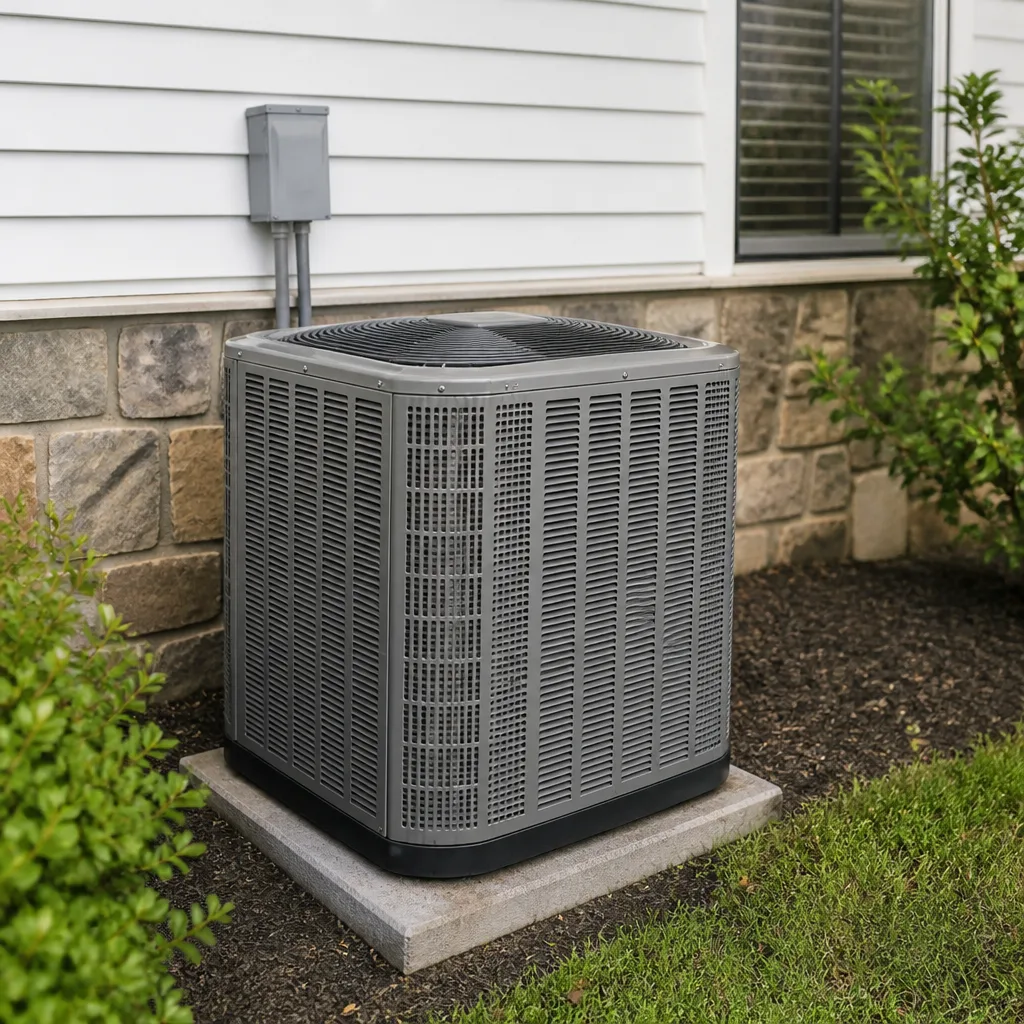
 AC repair
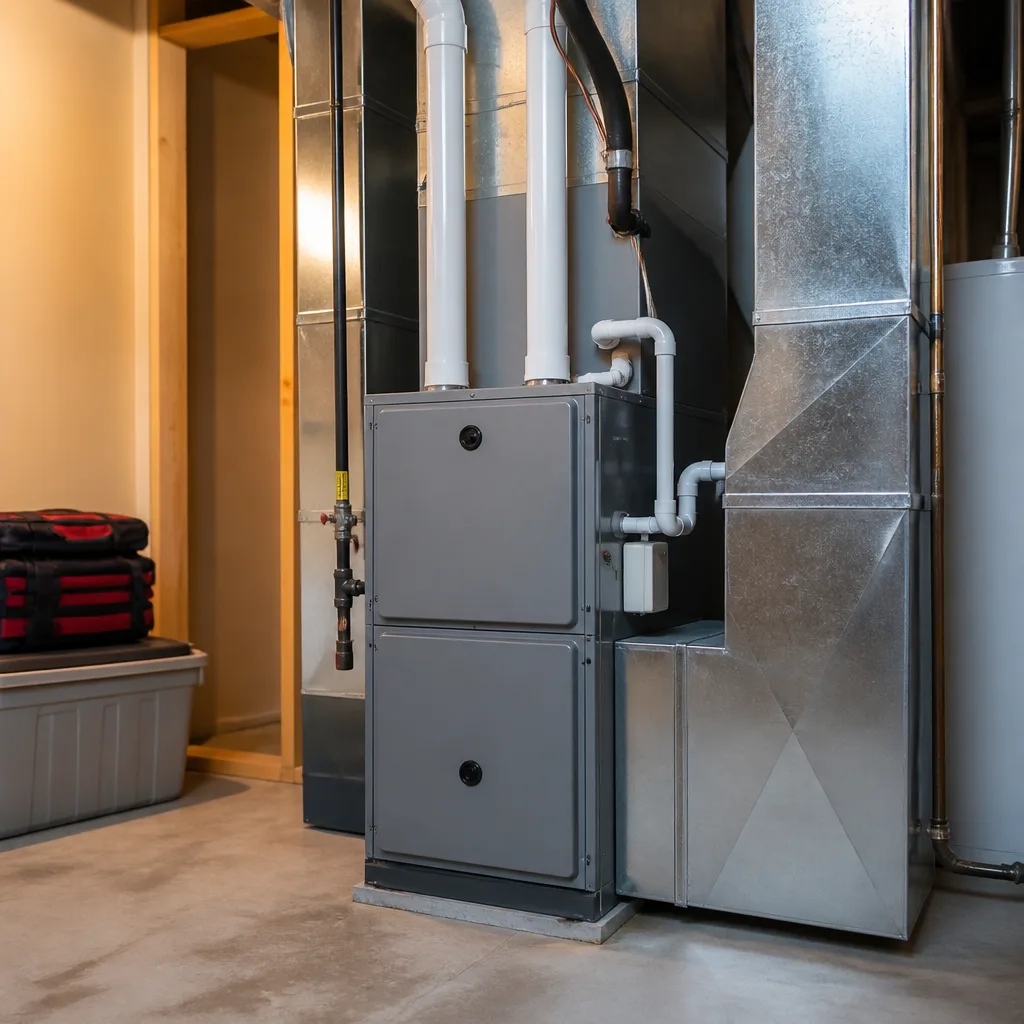 Furnace & heating
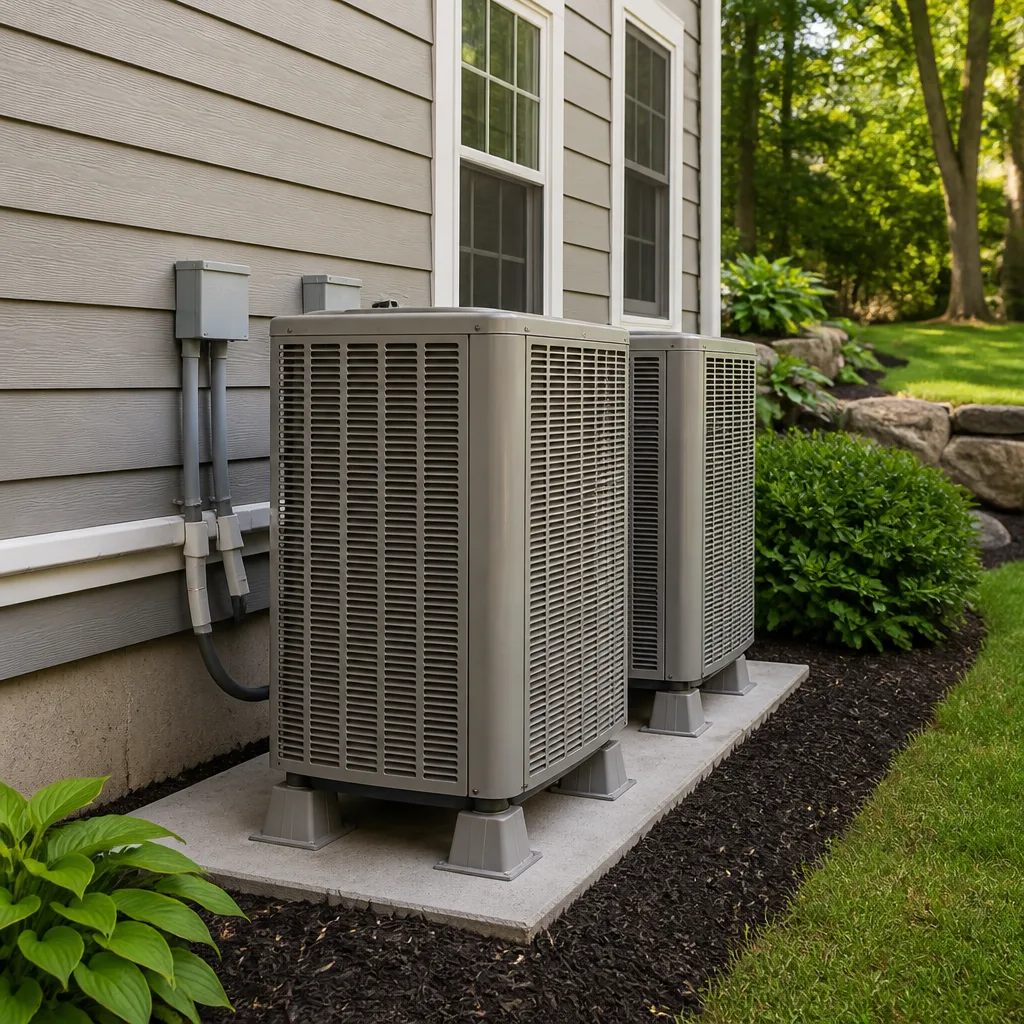 Heat pumps
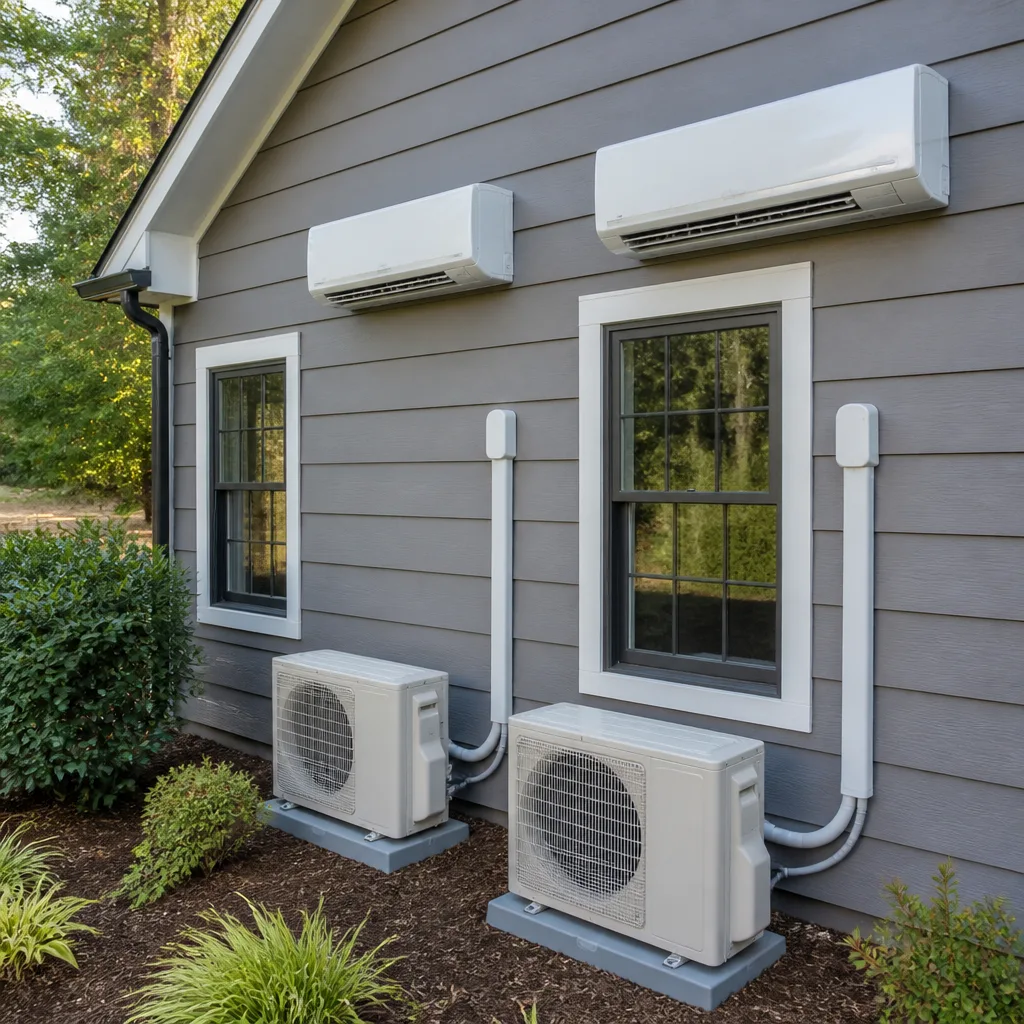 Ductless mini splits
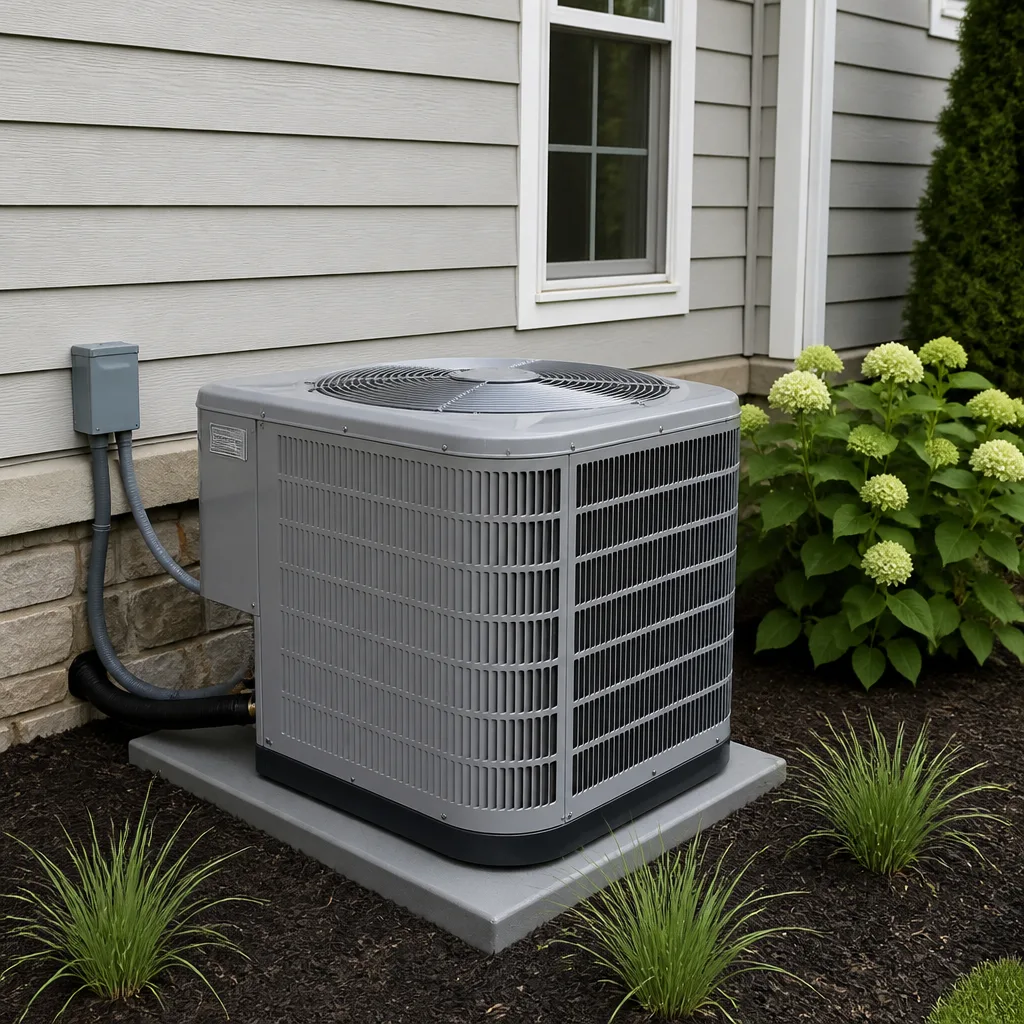 Carrier
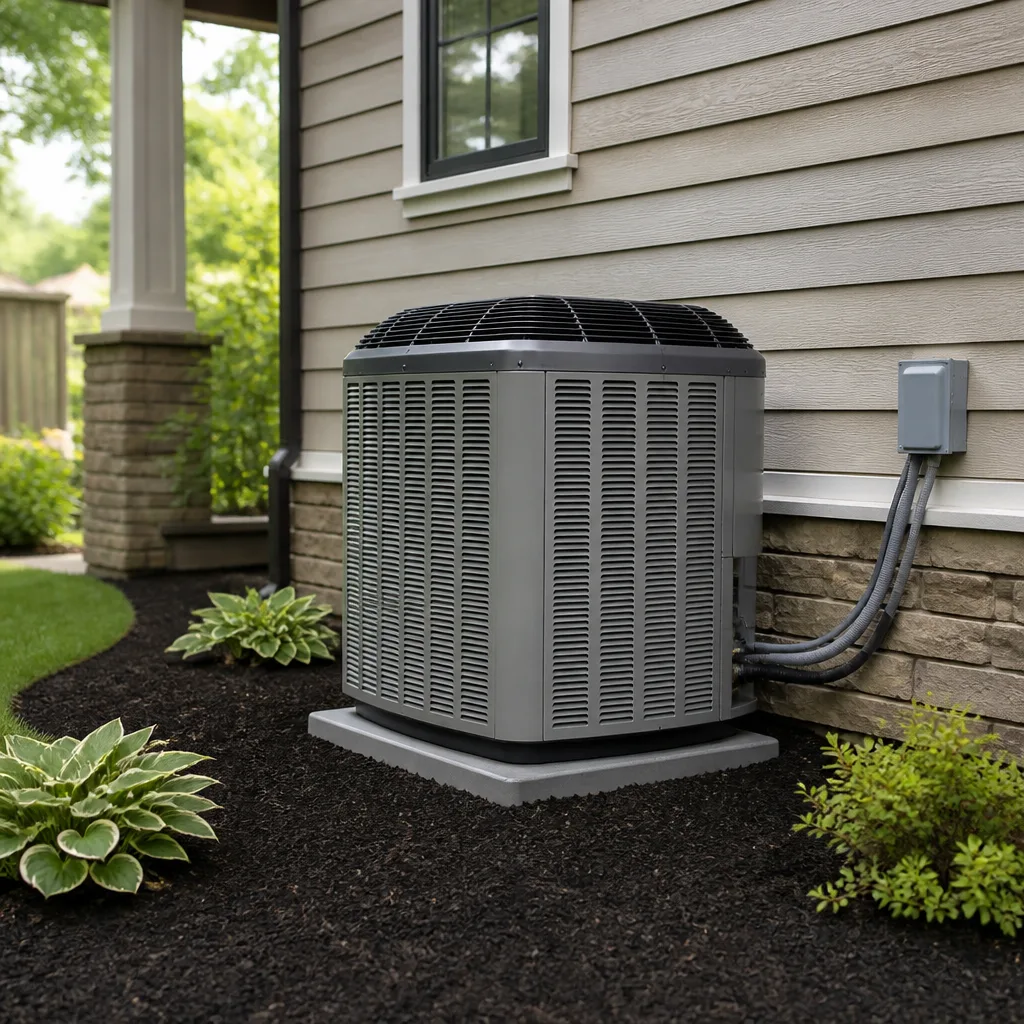 Trane
Trane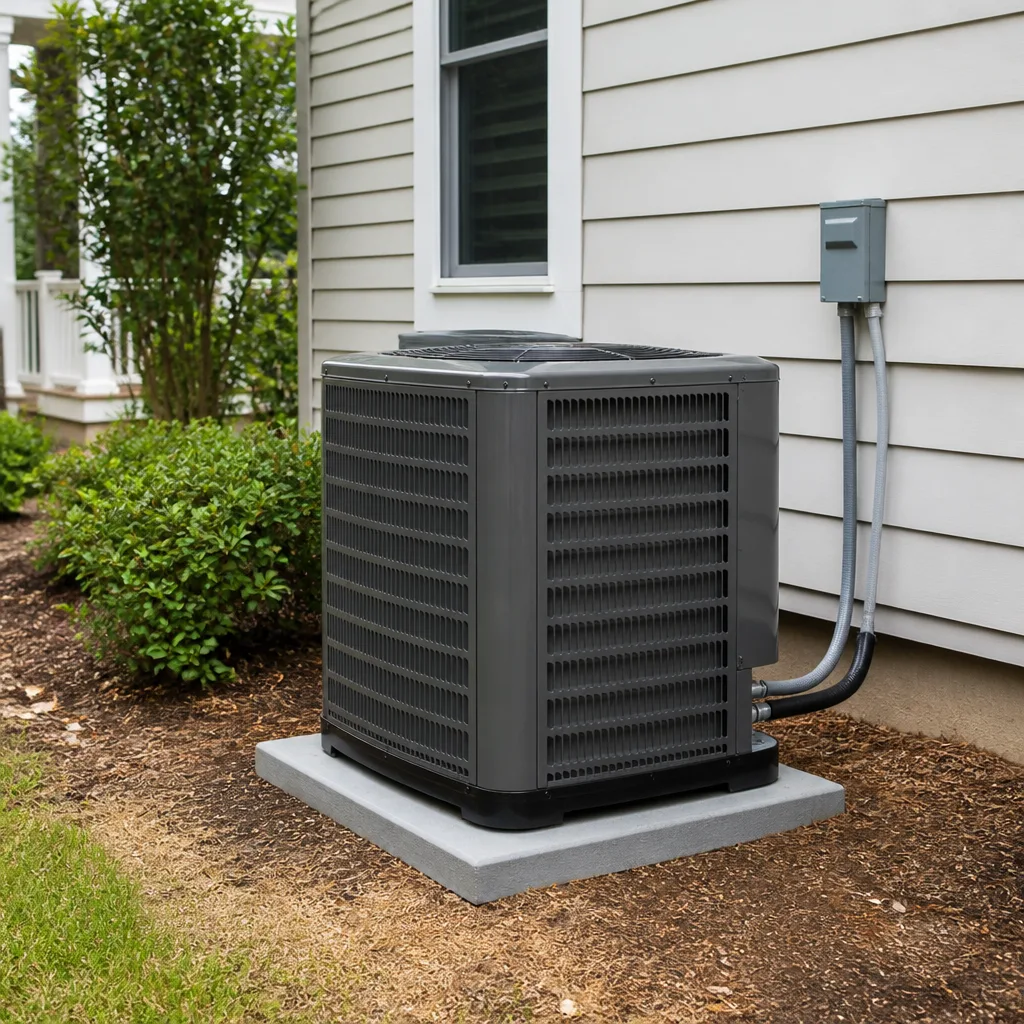 Goodman
Seasonal tune-up and full diagnostic on your Carrier, Trane, or Goodman system - readings shown to you before any repair is proposed
Diagnosis first, numbers second - you approve the repair price before a single part goes in.
Get your free estimateTrane Ductwork Repair: The New York Owner’s Guide
Trane ductwork repair in New York typically runs $175 – $825 depending on what failed: a disconnected joint, a crushed return, a sagging trunk line, or deteriorated insulation. We stock Trane-compatible duct fittings, mastic, foil tape, hangers, and insulation on our trucks, and most repairs are completed same-day once we diagnose the opening. Homeowners usually find out their ducts need work the same way: one room that never gets warm air, a sudden jump in the utility bill, or dust building up fast on furniture near the registers.
Ductwork is the quiet part of a Trane system. People focus on the furnace or air handler because those pieces make noise and have lights. But when the ducts leak, every dollar you spend conditioning air leaks with it. In New York’s older housing stock, prewar buildings and postwar frame houses alike, we regularly find ducts that have been pulling apart for years without anyone noticing. Victor Mancini has walked into apartments in Washington Heights where the duct joints were held together with little more than old tape and habit.
Which Trane Models This Applies To
Ductwork repair isn’t model-specific the way a control board is, but the duct sizing and connection points do depend on the Trane furnace or air handler you have. The Trane XR series, XL series, and the newer S-series air handlers all push air at different static pressures, and the duct design has to match. A Trane XV80 furnace moves air differently than an older XB80, and if the ducts were sized for one and somebody swapped in the other, you get exactly the failures we’re describing: noisy registers, weak airflow at the far end of the house, and joints that pull apart from the pressure.
Here’s the compatibility gotcha that matters in New York: many buildings here were retrofitted from radiators or through-wall units to central air, and the original duct runs were often undersized or pieced together from mixed materials. Fiberboard, sheet metal, and flex duct all expand and contract at different rates, and New York’s humidity swings from swampy summer to dry winter will work those joints like a loose tooth. When we arrive, we check the duct diameter, the material, the hanger spacing, and whether the original installation ever met the Trane airflow spec for your specific unit.
On parts: we install OEM Trane fittings where the job calls for them, and we’re honest when a quality aftermarket equivalent does the same work for less. For straight runs of galvanized sheet metal, mastic, and hanging strap, there’s no functional difference. For Trane-specific transitions and plenum connections, we order OEM because the tolerances matter. We’re an independent service provider, not affiliated with Trane, so our recommendation is based on what holds up, not on a logo.
Styles & brands we work with
Signs Your Trane Ductwork Repair Is Failing
- Rooms at the end of the run stay cold or hot. The farther a register sits from the air handler, the more pressure the duct needs. A single leaking joint upstream bleeds off that pressure, and the last room never catches up.
- Dust collects fast near certain registers. When return ducts pull air through gaps in unconditioned spaces like crawlspaces or wall cavities, they suck in dust, insulation fibers, and whatever else is back there. You’ll see it as dark streaks around the grille.
- Whistling or rattling when the blower runs. Air escaping through a narrow gap makes a whistle. A loose hanger makes a rattle. Both get louder as the system runs longer cycles in peak heating or cooling season.
- Your utility bill climbs without a change in usage. Leaky ducts mean the Trane system runs longer to hit the thermostat setpoint. In a New York winter, that’s real money. We’ve seen 20 – 30% of conditioned air lost through duct leaks in older homes.
- Smells from the crawlspace or attic coming through the vents. Return-side leaks don’t just lose air; they pull air in from wherever the ducts pass. If you smell must or oil or old building material when the blower kicks on, the return is pulling from somewhere it shouldn’t.
See the difference
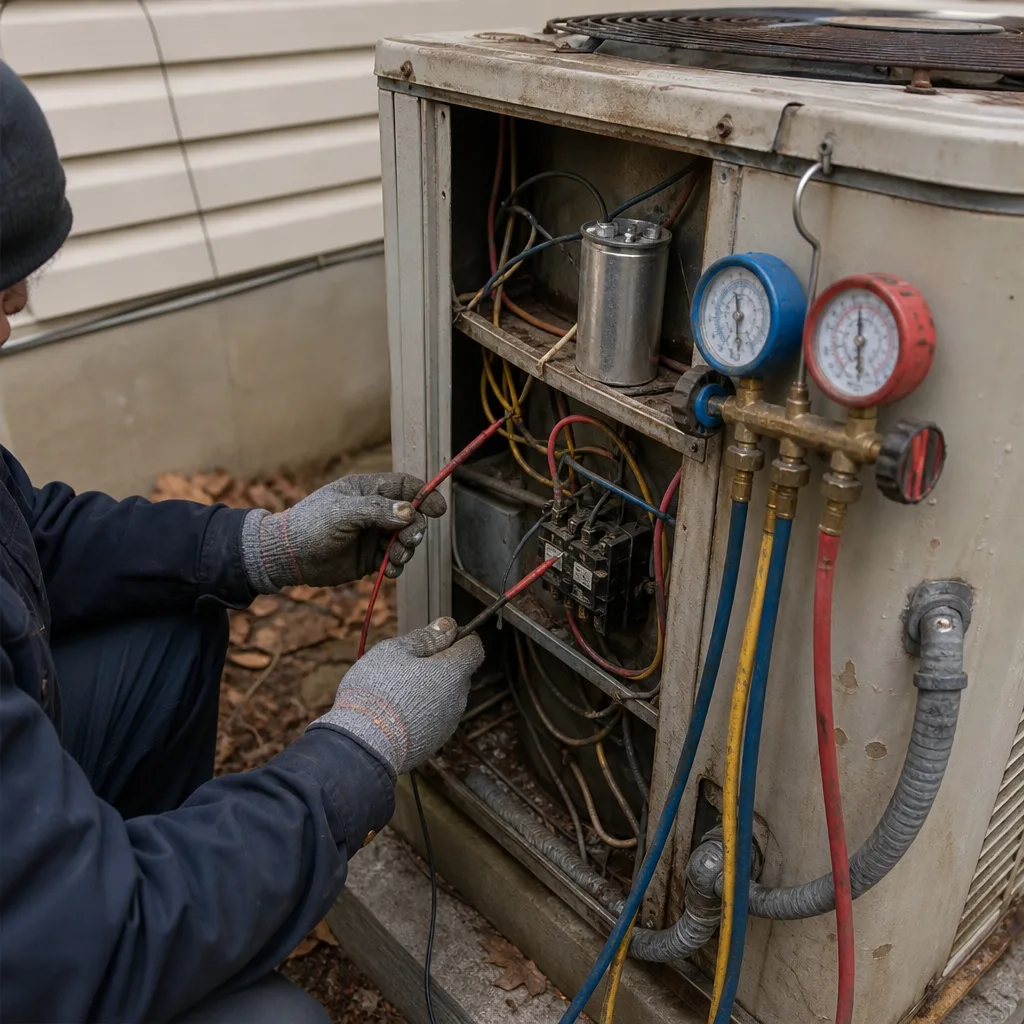 Before
 After
After Before
 After
After Before
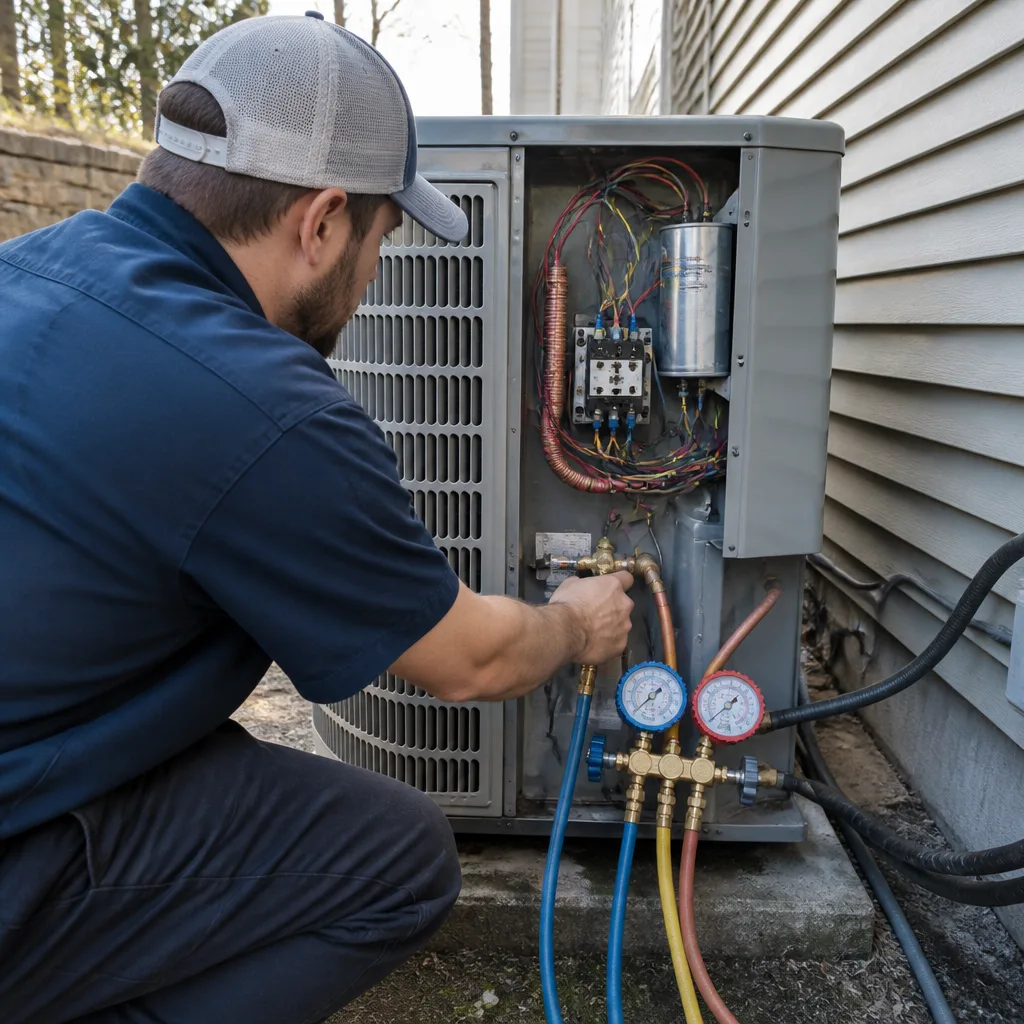 After
AfterReplacement Cost & What’s Included
Most Trane ductwork repairs in New York land between $175 and $825. The low end covers a simple disconnect: re-securing a joint, re-taping and mastic-sealing a seam, or replacing a section of flex duct in an accessible spot. The higher end covers work like replacing a crushed trunk line section, re-hanging a sagging run across a basement ceiling, or re-insulating a full return plenum. If the damage runs through multiple rooms or requires access cuts in finished ceilings, the price reflects the additional labor and drywall repair.
Every quote includes the same structure: written price before work begins, parts separate from labor on the line items, and a written 365-day guarantee on the repair. If the same duct joint fails again inside that year, we come back and fix it at no charge. That’s the Done Right Promise, and it’s on paper before any tool comes out. The Kingswell Way is simple: say the price before the work, show up in the window given, leave the place cleaner than we found it, put the guarantee in writing, and come back if it fails.
Call (934) 465-5501 for an exact quote. Estimates are free.
DIY or Call Us?
You can safely check a few things before calling: look at visible duct runs in the basement or attic for obvious separations, feel for air blowing from joints when the system runs, and check that registers aren’t blocked by furniture. Those observations help us diagnose faster. What you shouldn’t do is climb into a crawlspace or attic with foil tape and a plan. Duct runs in New York buildings often sit next to old wiring, in tight bays, and near vermiculite or fiberglass that should not be disturbed without a respirator and gloves. A misaligned piece of sheet metal under tension can also slice a hand open faster than you’d believe.
If the project is tightening a visible register or clearing a blocked return grille, go ahead. If it involves mastic, hangers, insulation, or anything above head height, call (934) 465-5501 and let Victor and the crew do it right the first time.
FAQs
Flex duct typically holds up 15 – 20 years in New York before the inner liner degrades and the outer jacket tears; rigid sheet metal can last 50 years or more if it was hung properly and kept dry. The real failure point is almost never the duct itself, it’s the connections, tape, and hangers, which we see fail in as little as 8 – 10 years in unconditioned spaces.
Most individual failures (loose joints, small tears, sagging sections, bad tape) are repairable same-day for $175 – $400 per section. Full replacement only makes sense when the ducts are undersized for the Trane unit, thoroughly deteriorated, or so poorly laid out that patching would just move the problem.
A single joint repair or flex-duct section replacement usually takes 60 – 90 minutes once we’re on site. Larger jobs, like re-hanging a full trunk line or replacing multiple return runs, can take a half day. We give a firm arrival window when you book and a written price before the work starts.
Yes, we carry Trane-compatible sheet metal, flex duct in common diameters, mastic, foil tape, hangers, and insulation on the truck, along with parts for other major brands including Carrier and Lennox. Trane-specific transitions and plenum fittings that aren’t in the truck are sourced fast from local New York suppliers.
If your Trane system isn’t moving air the way it used to, call (934) 465-5501. We answer the phone with a live person, 24 hours a day, and we’ll give you a straight answer about what’s wrong and what it costs to fix. Tell me what it is doing, and I will tell you what it needs; no guesswork, no surprises.
Written by Victor Mancini, Owner, Cold Harbour Heating and Air New York at Cold Harbour Heating and Air New York, serving New York and nearby areas.