
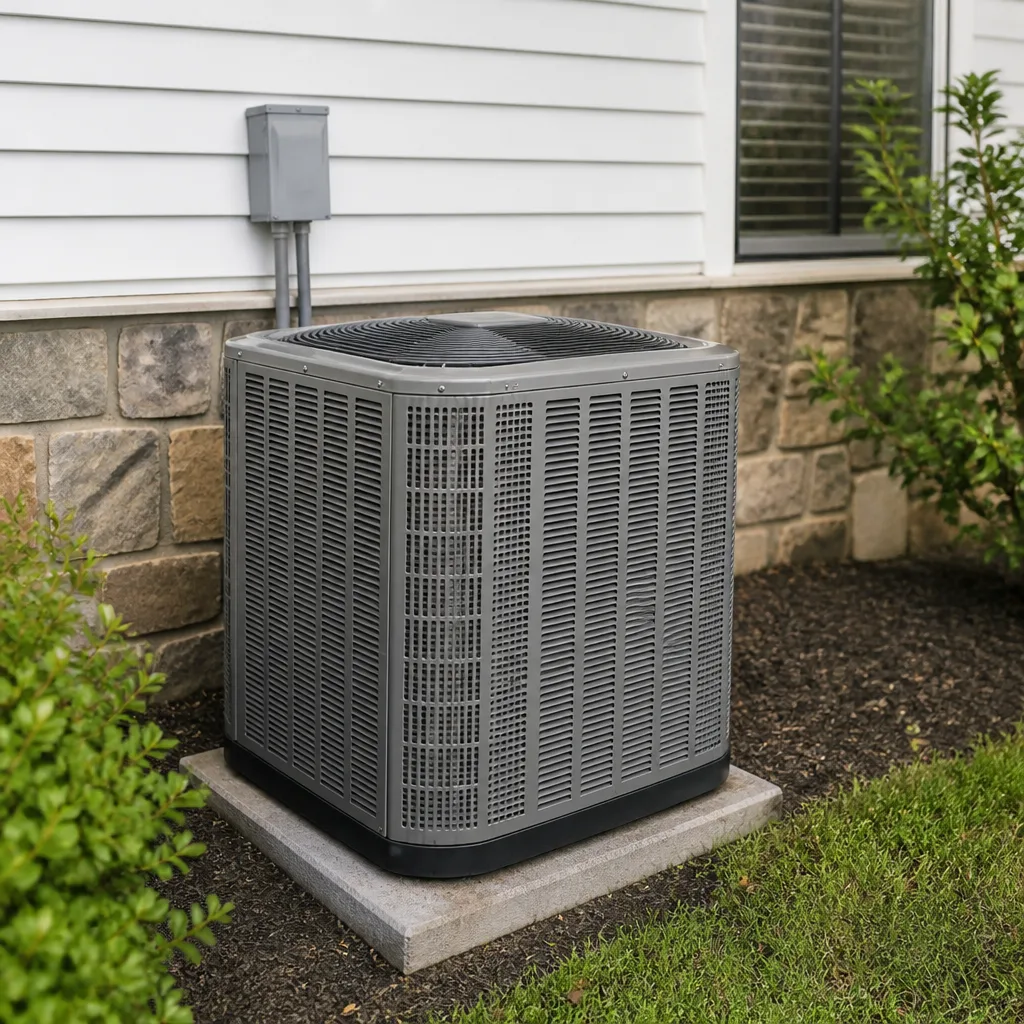
 AC repair
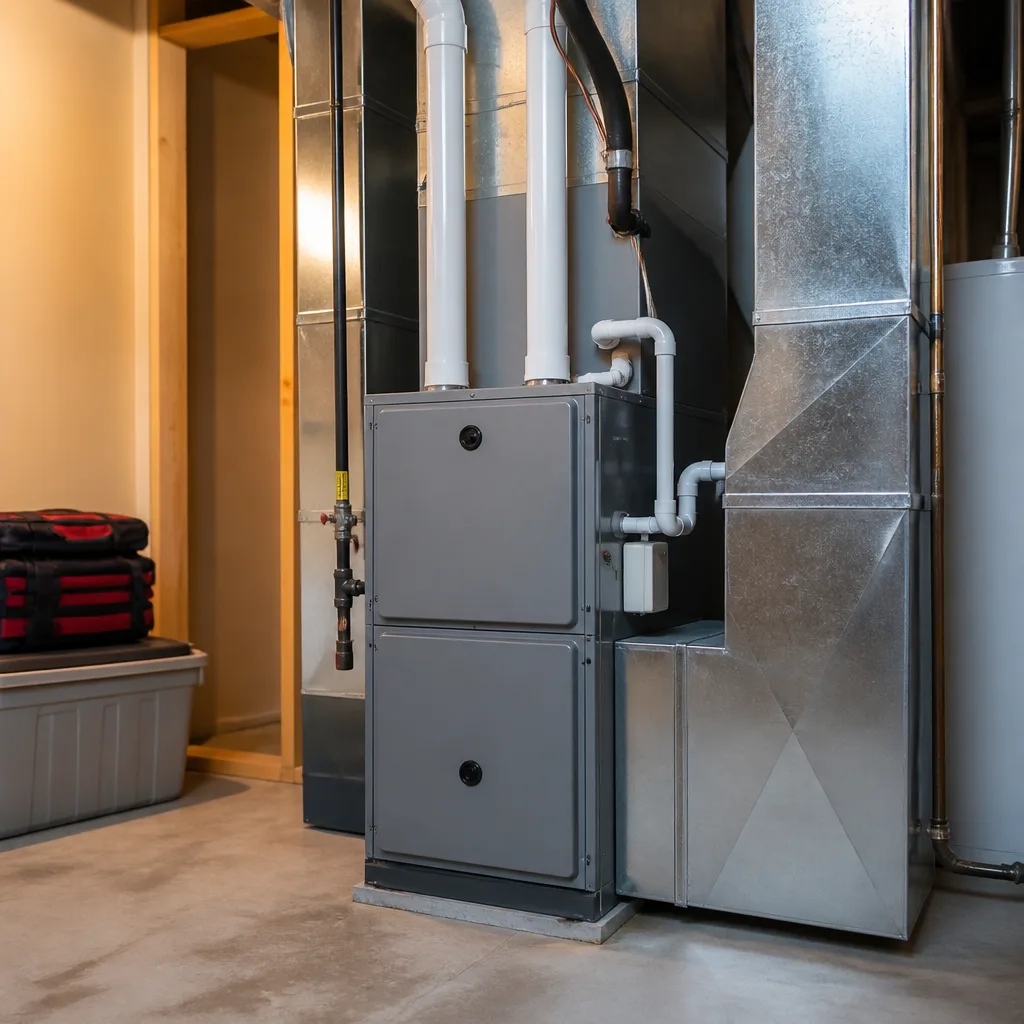 Furnace & heating
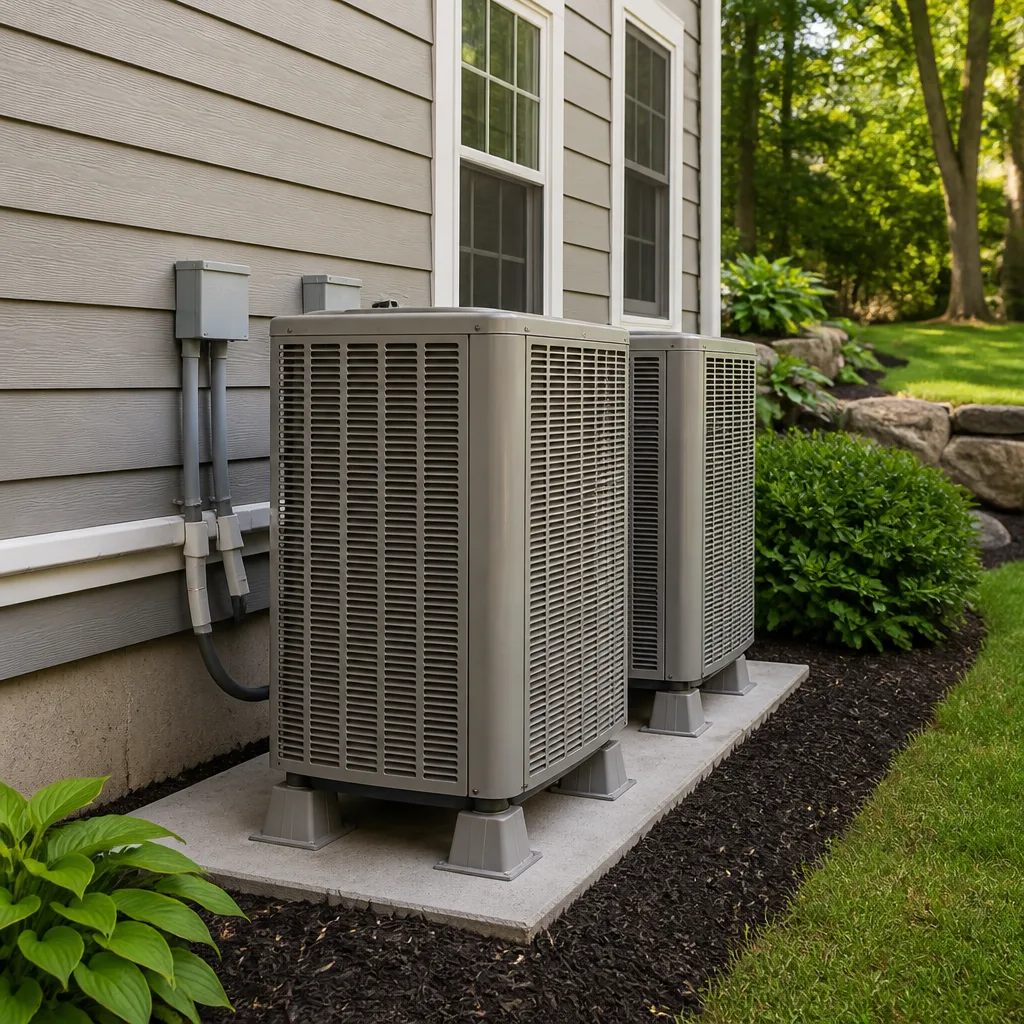 Heat pumps
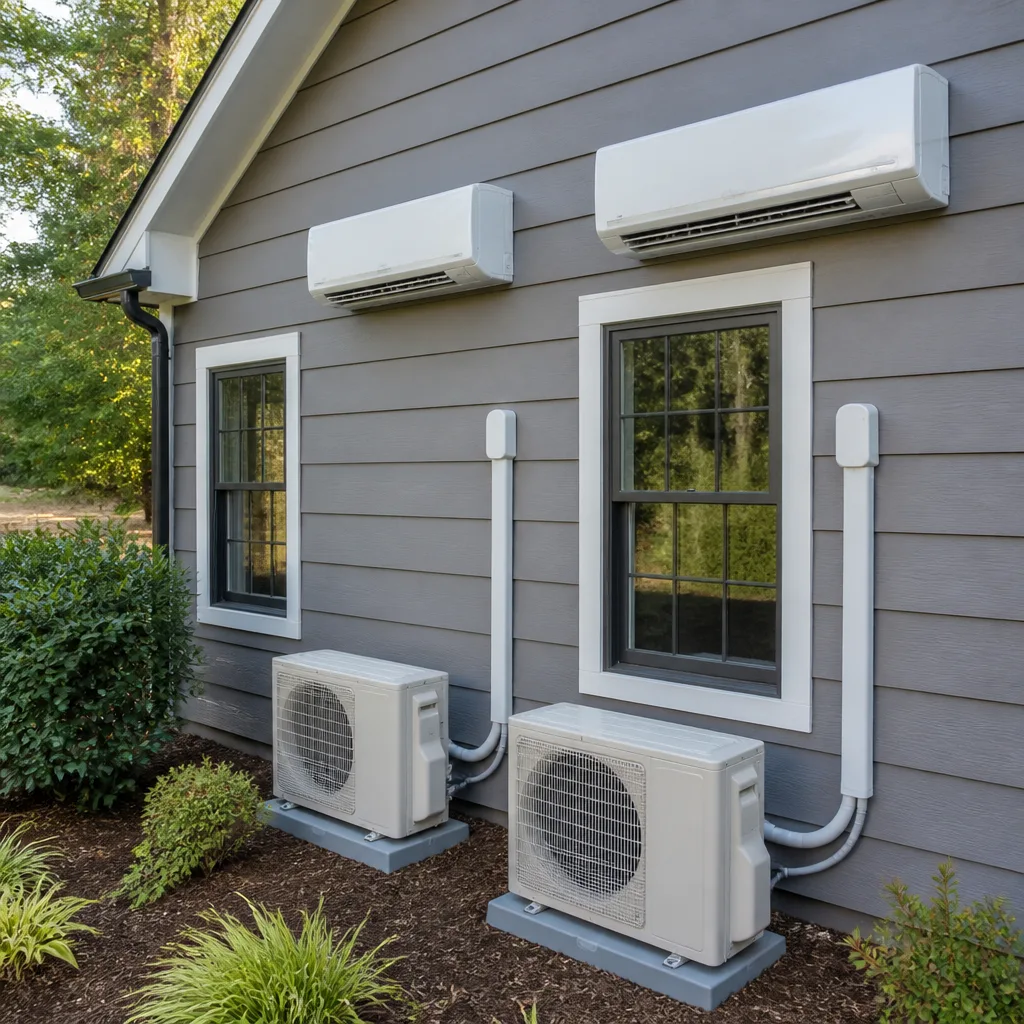 Ductless mini splits
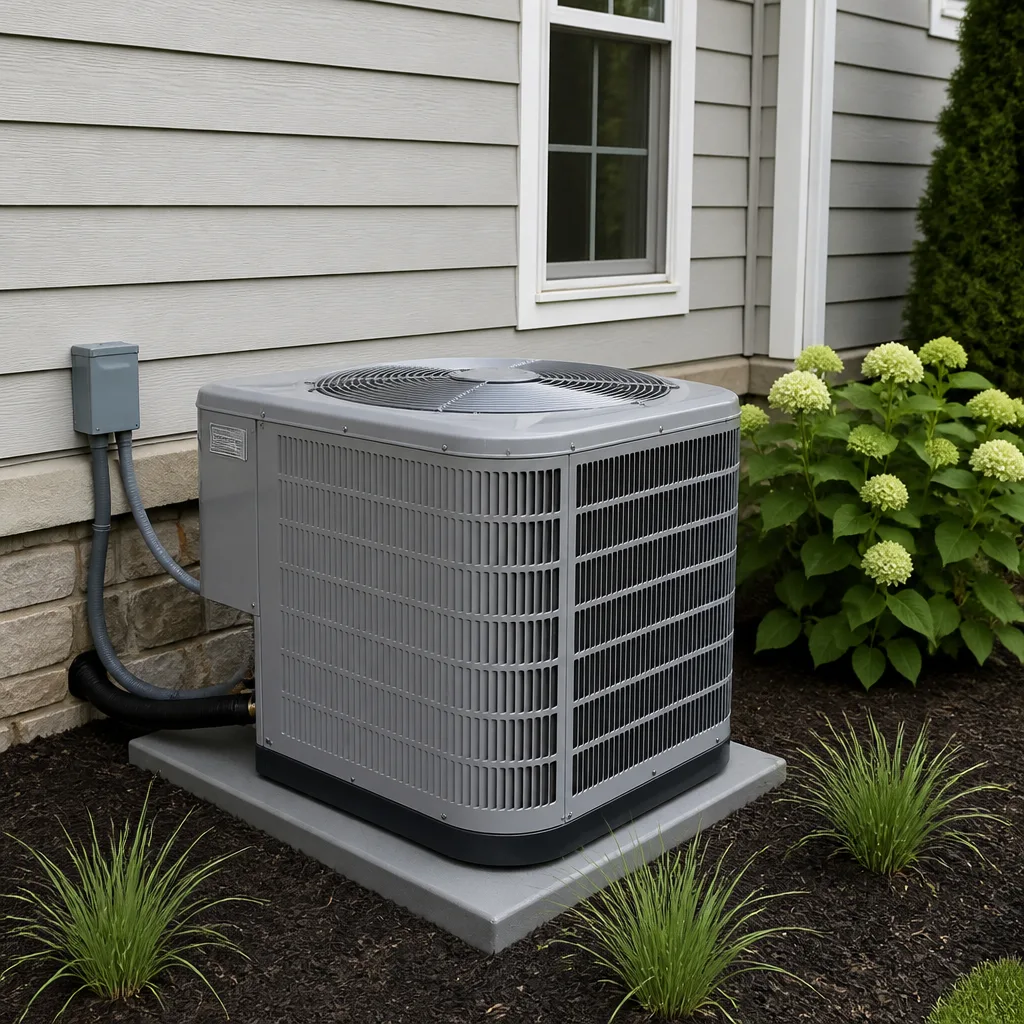 Carrier
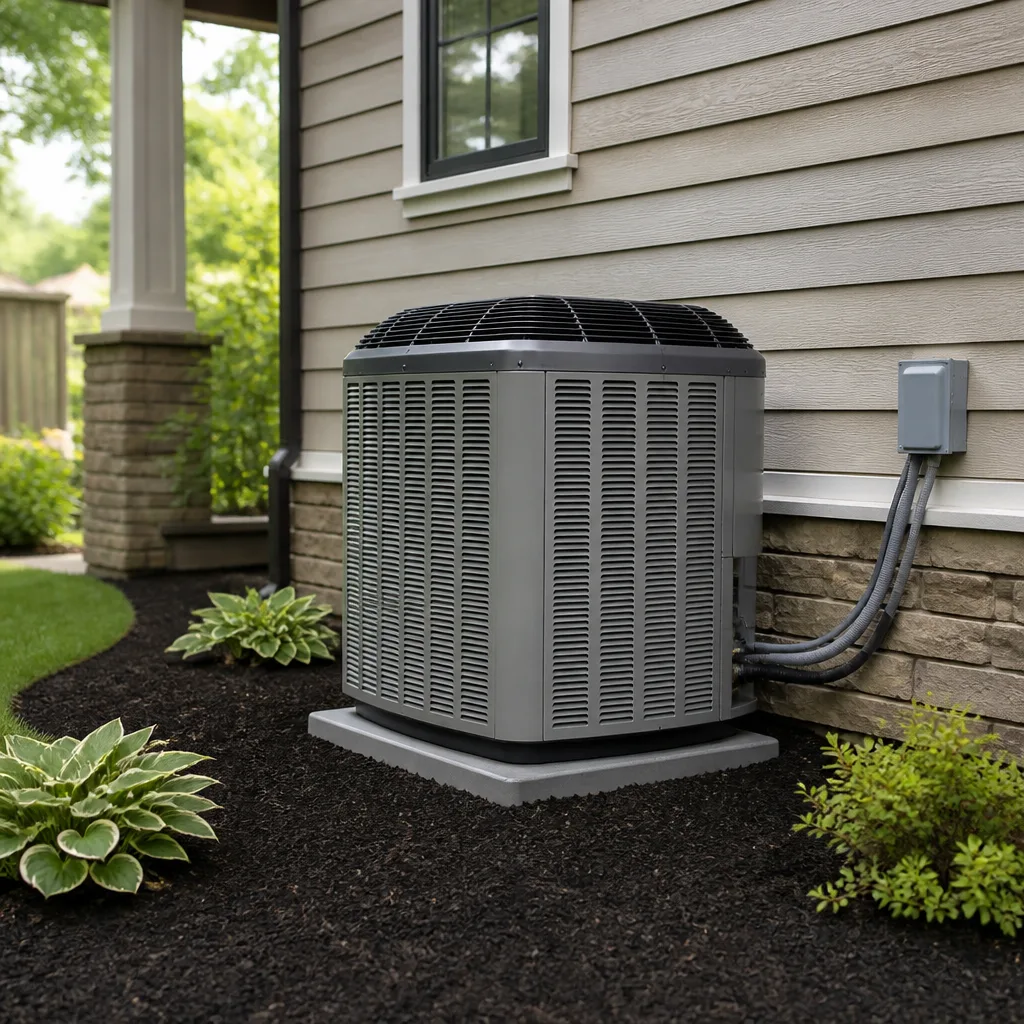 Trane
Trane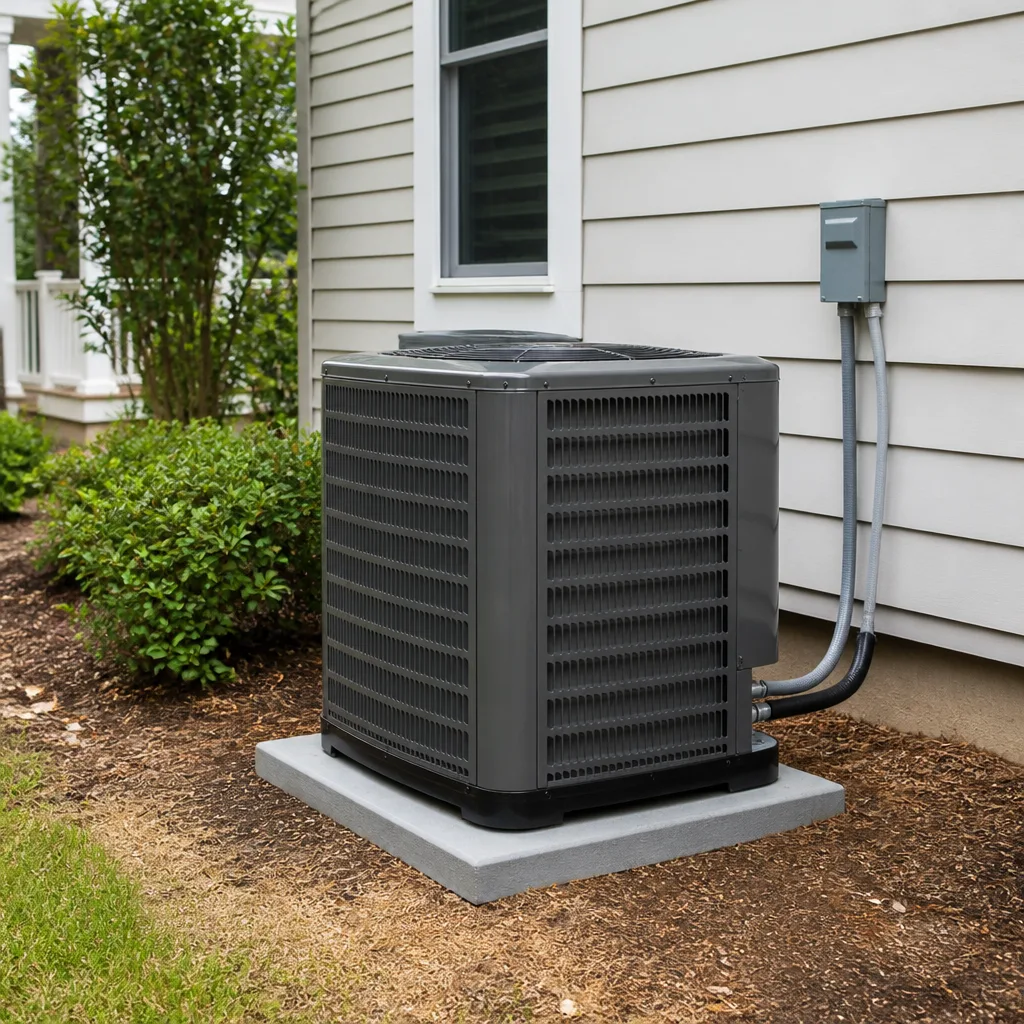 Goodman
Seasonal tune-up and full diagnostic on your Carrier, Trane, or Goodman system - readings shown to you before any repair is proposed
Diagnosis first, numbers second - you approve the repair price before a single part goes in.
Get your free estimateBryant Ductwork Repair: The New York Owner’s Guide
If you own a Bryant furnace or central air system in New York and the ductwork has started leaking, sagging, or pulling apart, we can usually get it diagnosed and repaired the same day you call. Most Bryant ductwork repairs in the five boroughs run between $250 and $580, depending on how much of the run needs sealing, re-supporting, or replacing, and whether the damage is in an accessible basement or a finished ceiling. The way most New York homeowners discover duct trouble is not dramatic: one room stays cold in January, a musty smell comes through the vents when the blower kicks on, or the utility bill creeps up month after month while the thermostat stays put.
We carry Bryant-compatible duct fittings, mastic sealant, foil tape, hangers, and replacement flex sections on our trucks, so a technician can often finish the job in a single visit without ordering parts. Victor Mancini has been working on New York heating and cooling systems for the better part of two decades, and the duct failures we see in prewar basements, converted brownstones, and high-rise utility closets follow the same patterns year after year. This page explains what to look for, what it should cost, and when to stop looking and call us.
Which Bryant Models This Applies To
Bryant ductwork itself is not model-specific the way a control board or an igniter is. The ducts are the delivery system, and they serve whatever Bryant furnace, air handler, or heat pump sits at the end of them. What matters is matching duct size, shape, and material to the airflow your Bryant system was designed to move. A Bryant Evolution series system with a variable-speed blower is more sensitive to undersized or leaky ducts than an older single-stage Legacy line unit, because the variable-speed motor ramps up and down and reacts to back-pressure changes differently.
The one compatibility gotcha that bites New York owners is this: many prewar buildings and older rowhouses were retrofitted for central air decades after they were built, and the duct runs were often fabricated in place rather than sized to a specific Bryant unit. If someone swapped in a higher-efficiency Bryant furnace without resizing the ducts, you get noisy registers, short-cycling, and premature blower motor wear. When we repair ductwork on a Bryant system, we check the static pressure and measure the actual airflow against the unit’s rated CFM. If the ducts are undersized, sealing them is only half the job. For replacement sections, OEM Bryant duct components and quality aftermarket equivalents from brands we stock for Carrier, Trane, and Lennox systems are both fine when matched to the right gauge and insulation R-value. The difference is not the metal; it is whether the installer actually seals the joints.
Styles & brands we work with
Signs Your Bryant Ductwork Repair Is Failing
Duct problems rarely announce themselves all at once. They show up as small annoyances that get worse over a season or two. Here is what New York owners usually notice first:
- One or two rooms never reach temperature. This is the classic symptom of a disconnected or crushed duct run. Air that should reach the far bedroom is spilling into a wall cavity or joist bay instead. In New York rowhouses, we often find a run that was knocked loose during a renovation and never reconnected.
- Dust returns within days of cleaning. If the return side of your Bryant system has a leak, the blower pulls air from the wall cavity, crawlspace, or basement instead of through the filter. That unfiltered air carries dust, insulation fibers, and whatever else is inside the structure straight into your living space.
- A musty or stale smell when the blower starts. Leaky return ducts in humid New York basements pull damp air into the system. That dampness condenses on the coil and inside the duct lining, which breeds the smell you notice at the first blower cycle.
- Higher utility bills without a change in usage. Every cubic foot of conditioned air that escapes through a bad joint or a rusted plenum is cubic footage your Bryant system already paid to heat or cool. A system with 20% duct leakage costs roughly 20% more to run for the same comfort.
- Visible sagging, rust, or separated joints in exposed ductwork. This one is the most direct. If you can see a gap, a crimped flex run, or a section hanging off its hangers in your basement or utility room, that is a leak or an airflow restriction right now, not a future problem.
See the difference
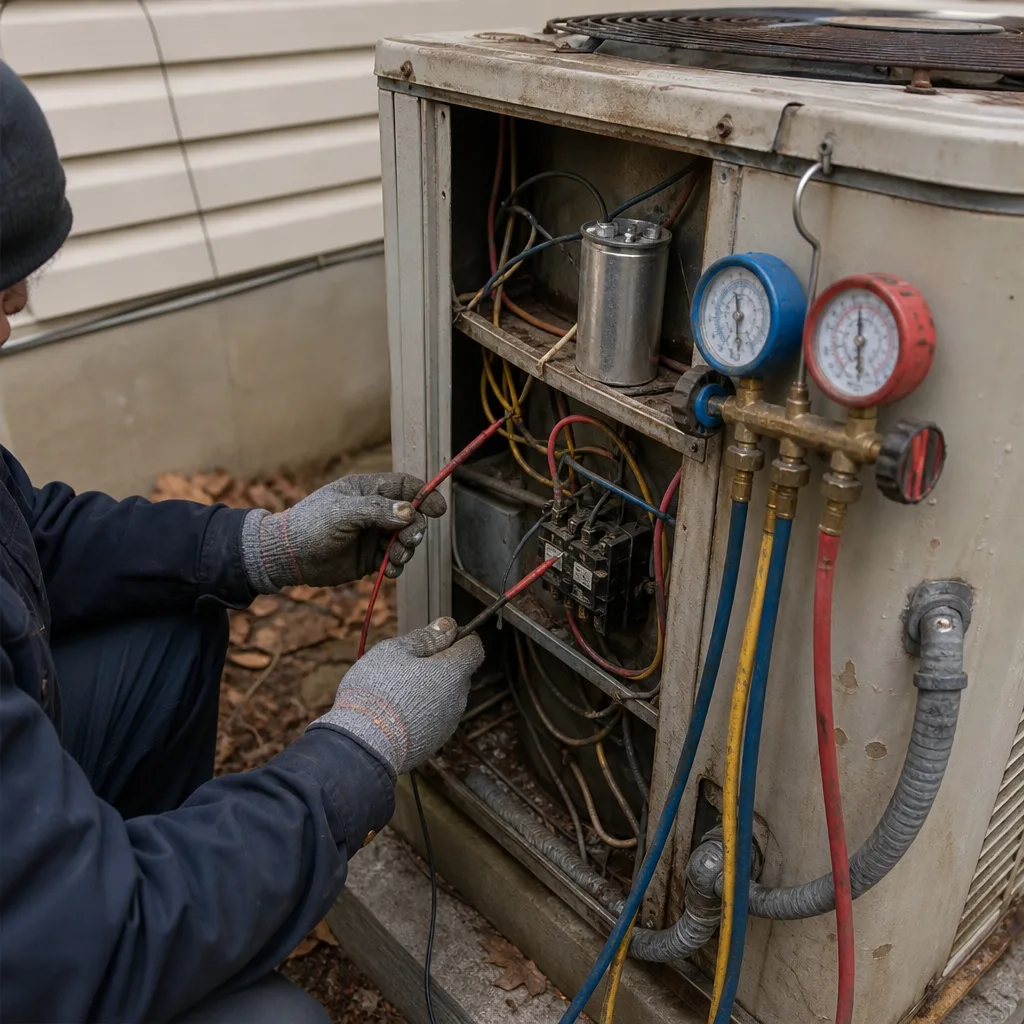 Before
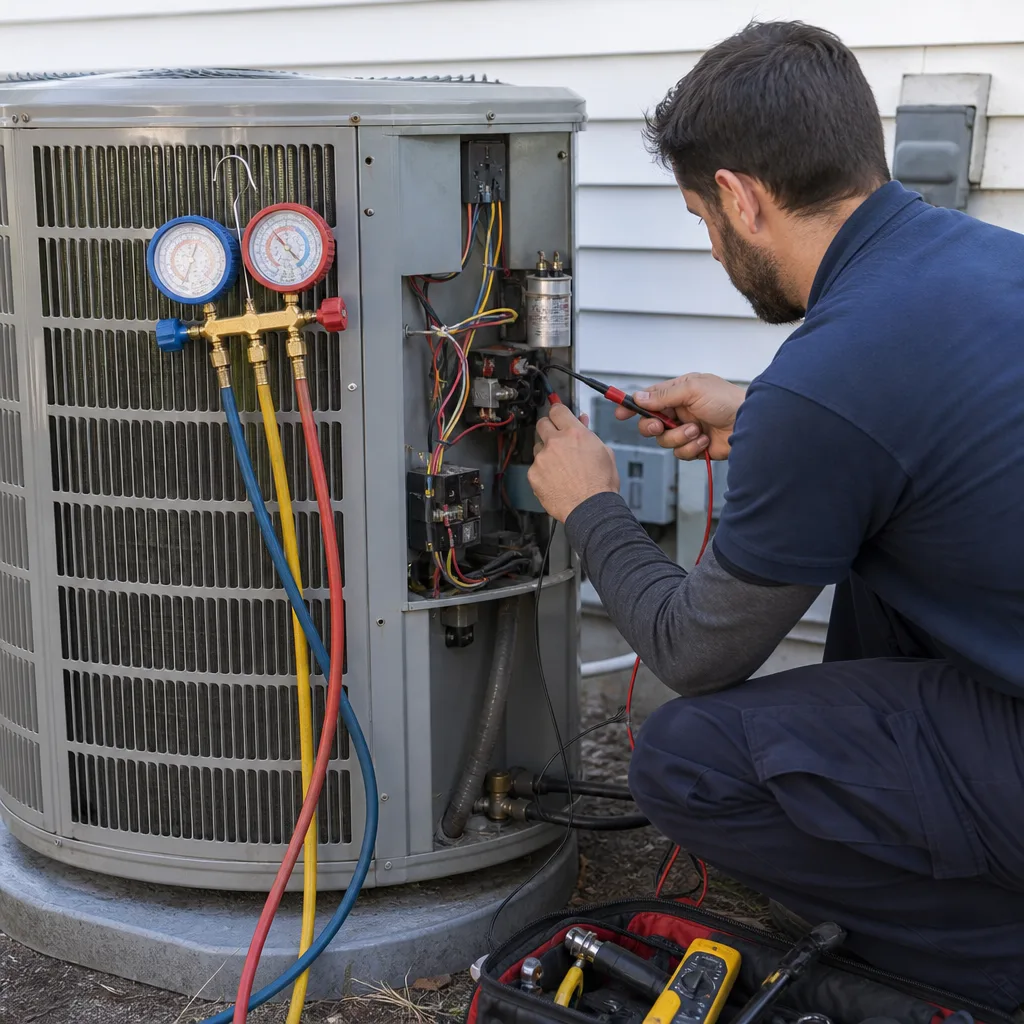 After
After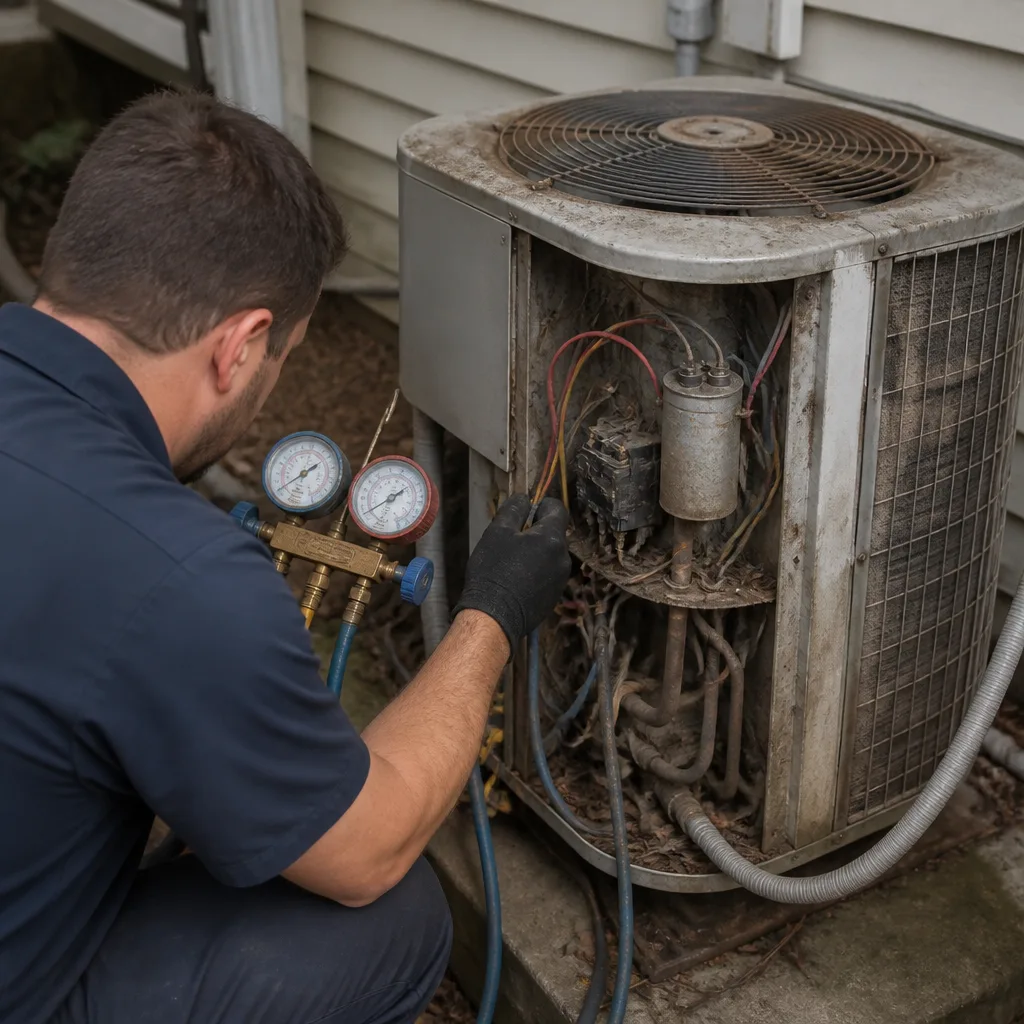 Before
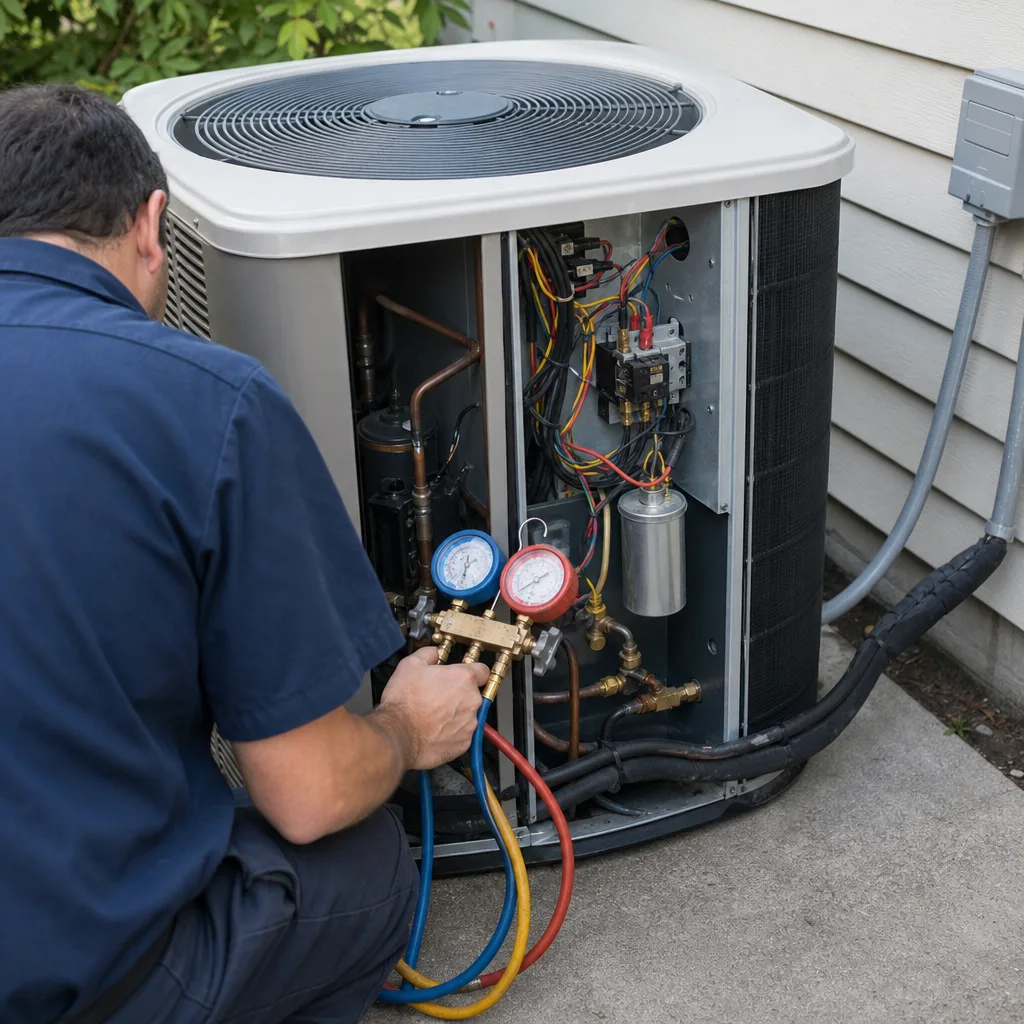 After
After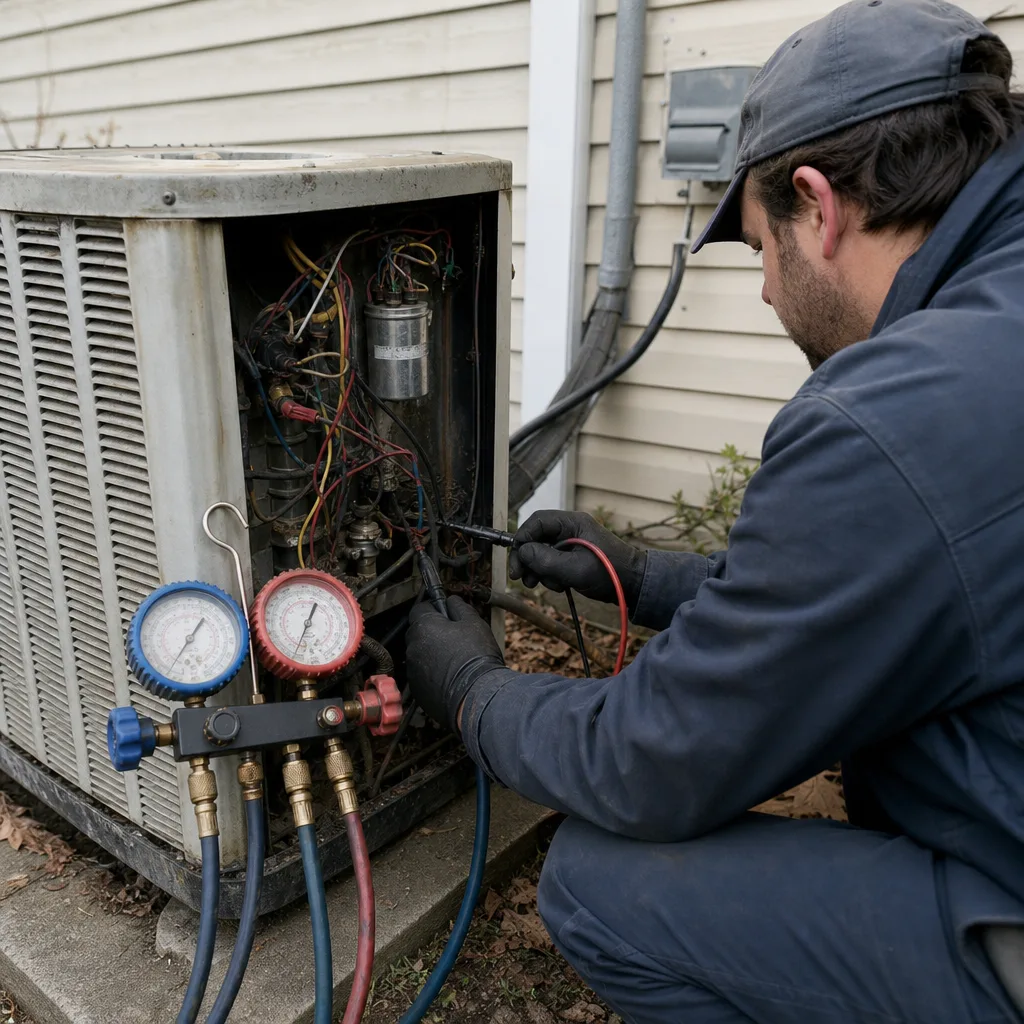 Before
 After
AfterReplacement Cost & What’s Included
Most Bryant ductwork repairs in New York run from $250 to $580 when we are sealing joints, re-supporting sagging sections, and replacing short runs of flex or rigid duct. The range is set by three things: how much of the run is damaged, whether we can reach it from an unfinished basement or have to open a ceiling, and whether the leak has been going on long enough to rust out a plenum or a boot. A simple reseal and re-hang job on an exposed basement trunk line sits at the low end. Replacing a crushed 25-foot flex run that snakes through a finished soffit sits at the top, and every job of that scale gets a written price before we open anything up.
| Repair Scope | Typical New York Price |
|---|---|
| Joint sealing, mastic and tape, exposed duct | $250 – $400 |
| Re-support sagging trunk or branch run | $180 – $350 |
| Replace flex duct section (up to 25 ft) | $300 – $580 |
| Reseal return plenum or transition | $220 – $450 |
Every Bryant ductwork repair we do includes the parts, the labor, the cleanup, and a written guarantee. The 365-Day Done Right Promise is on paper before the technician leaves: if the repair fails within a year, we come back and correct it at no charge. No verbal assurance, no fine print. That is how Cold Harbour Heating and Air New York has done it since 2003, and it is not something we negotiate case by case.
DIY or Call Us?
There are two things a New York homeowner can safely check before calling us. First, walk the exposed ductwork in your basement or utility room and look for visible gaps, sagging, or tape that has peeled back. Second, hold your hand near the registers in the rooms that never get comfortable and compare the airflow to the rooms that do. That tells you something is wrong. What it does not tell you is where the leak is, how much airflow your Bryant system is losing, or whether the static pressure is putting strain on the blower motor.
Here is where DIY goes wrong: ductwork repair means working over your head with sheet metal that has sharp edges, in cramped New York basements and crawlspaces, sealing joints that are sometimes near electrical lines or gas piping. A bad patch job with the wrong tape or a half-applied bead of mastic will fail within a season, and now you have paid twice. Duct sealing also involves checking what is inside the ducts, and if there is mold, vermiculite, or asbestos-containing wrap in an older New York building, that is a conversation you want with a trained technician, not a weekend project. Call us at (934) 465-5501 and we will give you a written price before any work begins.
FAQs
Properly installed and sealed ductwork can last 25 to 30 years in New York, but the humid summers and cold winters shorten that for ducts that were never sealed well to begin with. Condensation, rust, and thermal expansion of the metal joints are the three things that kill ducts in this climate, and we see failures in 15- to 20-year-old systems regularly. A sealed and insulated duct run will outlast two furnaces. Call (934) 465-5501 and we will inspect yours and tell you honestly what remains of its service life.
Most of the time, yes, only the failed section needs repair. We replace the damaged run, reseal the surrounding joints, and leave the rest of the system alone. Full duct replacement only makes sense when the majority of the system is rusted, moldy, or badly undersized, and we will show you exactly why before recommending it.
A typical repair on an exposed basement or utility room duct run takes two to four hours on site. If the damaged duct is inside a finished wall or ceiling, plan for the better part of a day because the access work takes longer than the repair itself. We give you a firm arrival window when you book, and a live person answers the phone 24/7 if you need to reach us.
Yes. Our trucks carry flex duct, rigid sections, mastic, foil tape, hangers, straps, and plenum materials sized for Bryant systems, along with parts for Carrier, Trane, and Lennox equipment. If your job needs a specialty transition or a custom metal fitting, we fabricate it and schedule the return visit so the system is back online as fast as a New York workweek allows.
Call Cold Harbour Heating and Air New York at (934) 465-5501 for a free estimate on Bryant ductwork repair. A live person answers around the clock, every day of the year. We give you the price in writing before the work begins, and every repair is covered for 365 days. Tell me what it is doing, and I will tell you what it needs – no guesswork, no surprises.
Written by Victor Mancini, Owner, Cold Harbour Heating and Air New York at Cold Harbour Heating and Air New York, serving New York and nearby areas.