
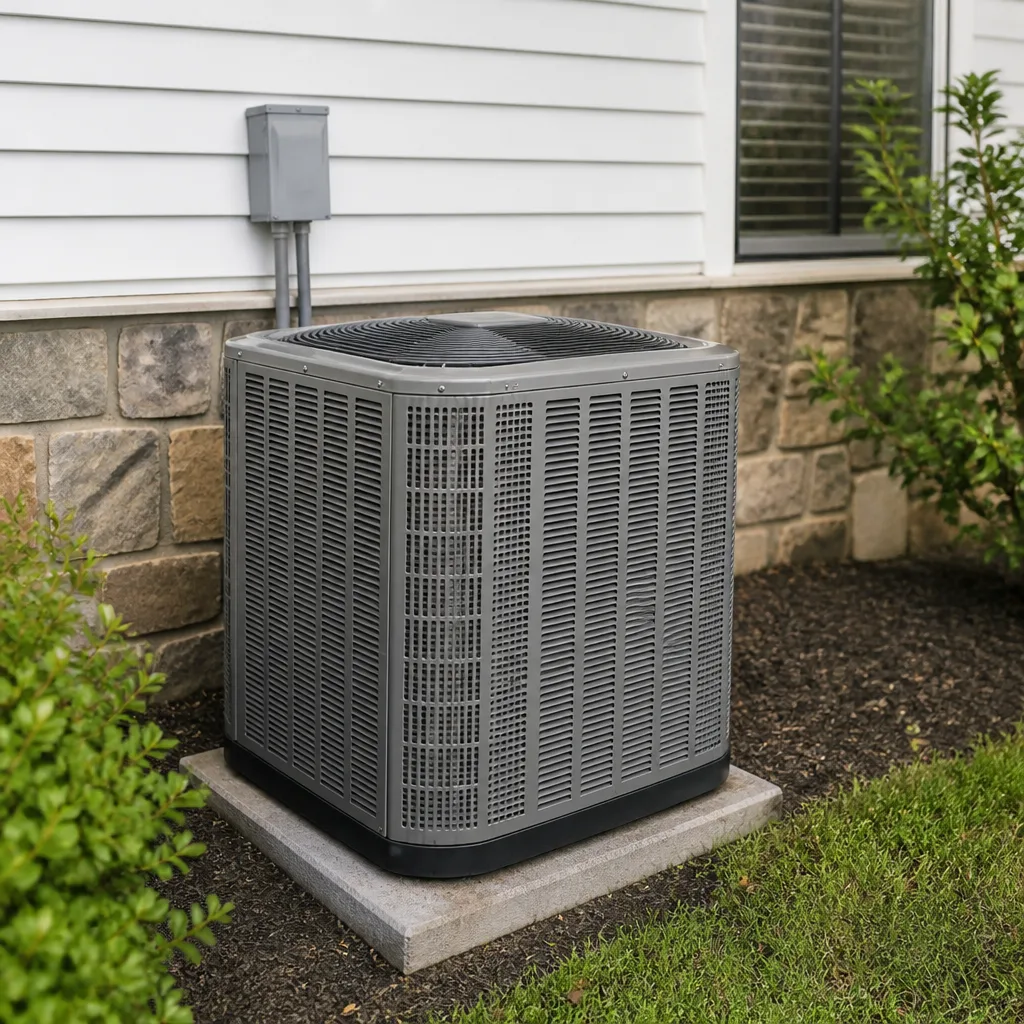
 AC repair
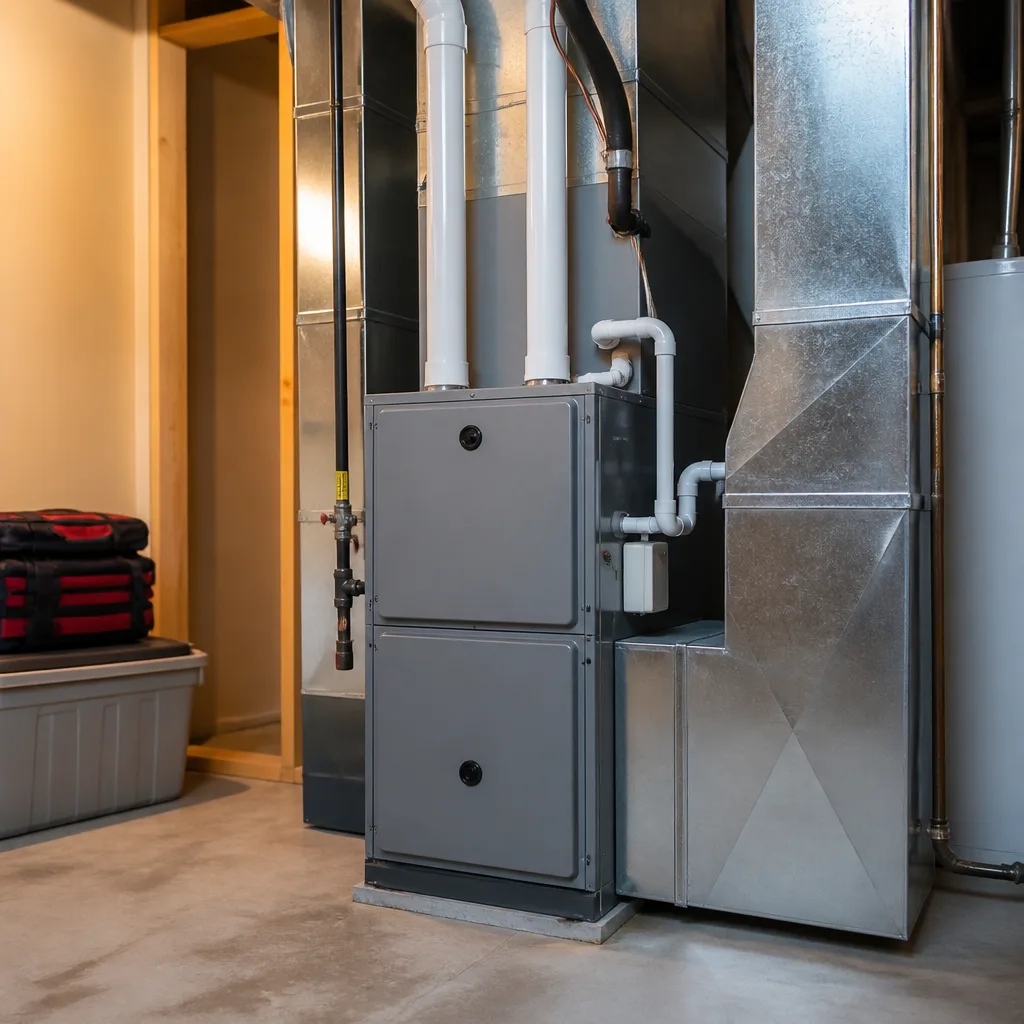 Furnace & heating
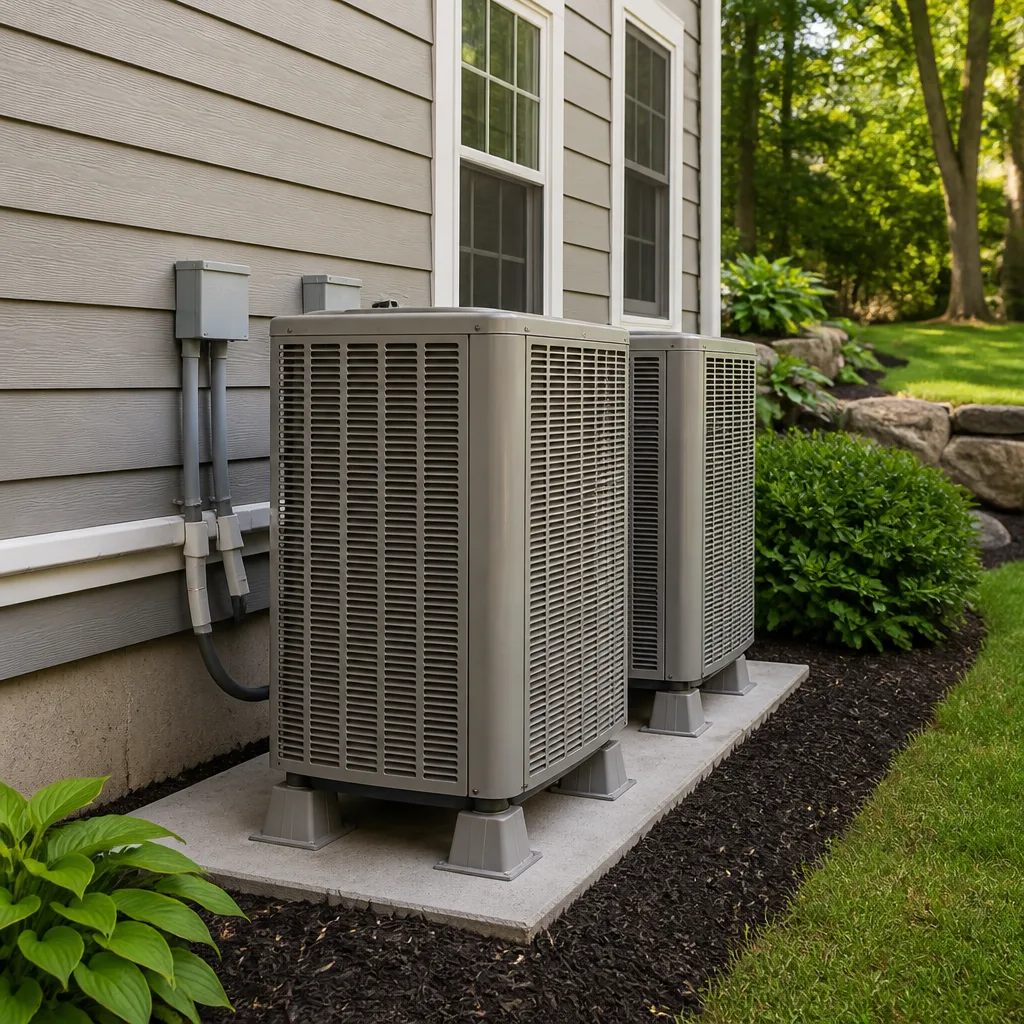 Heat pumps
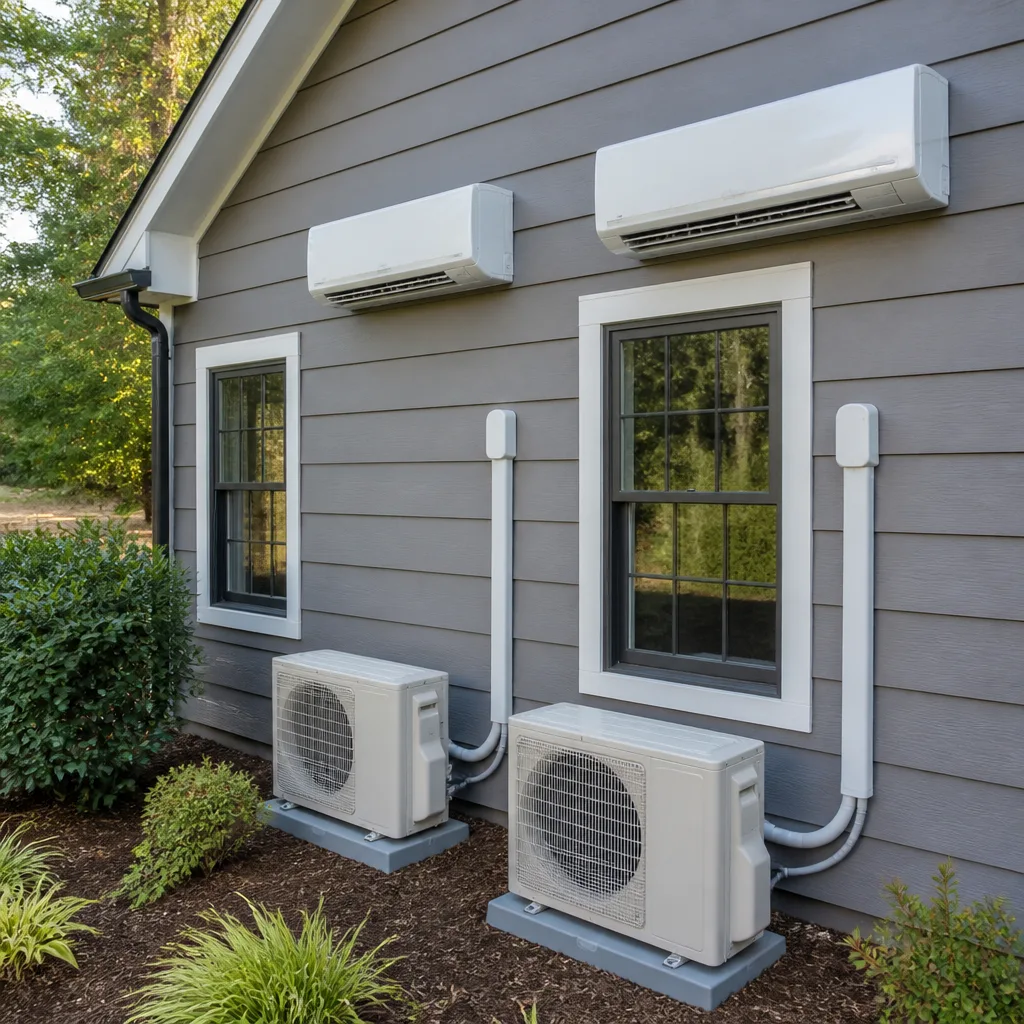 Ductless mini splits
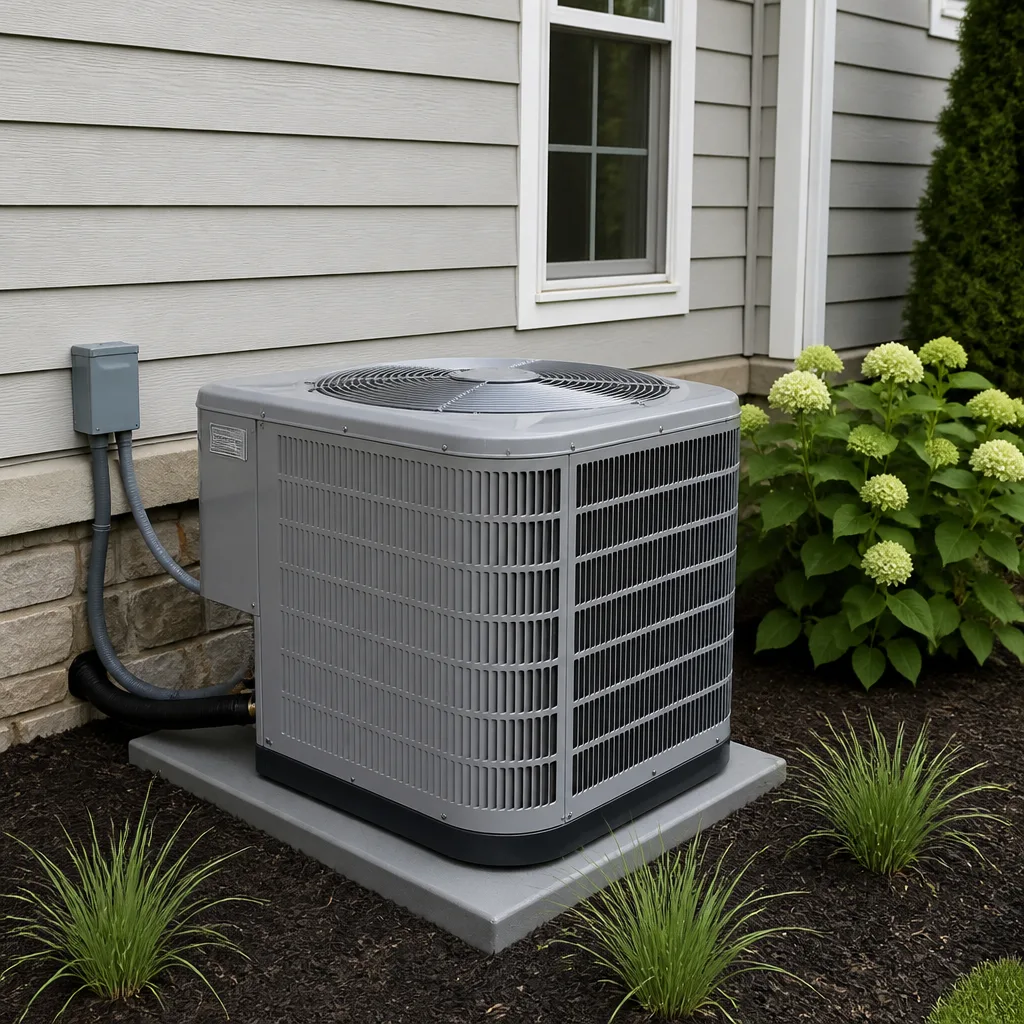 Carrier
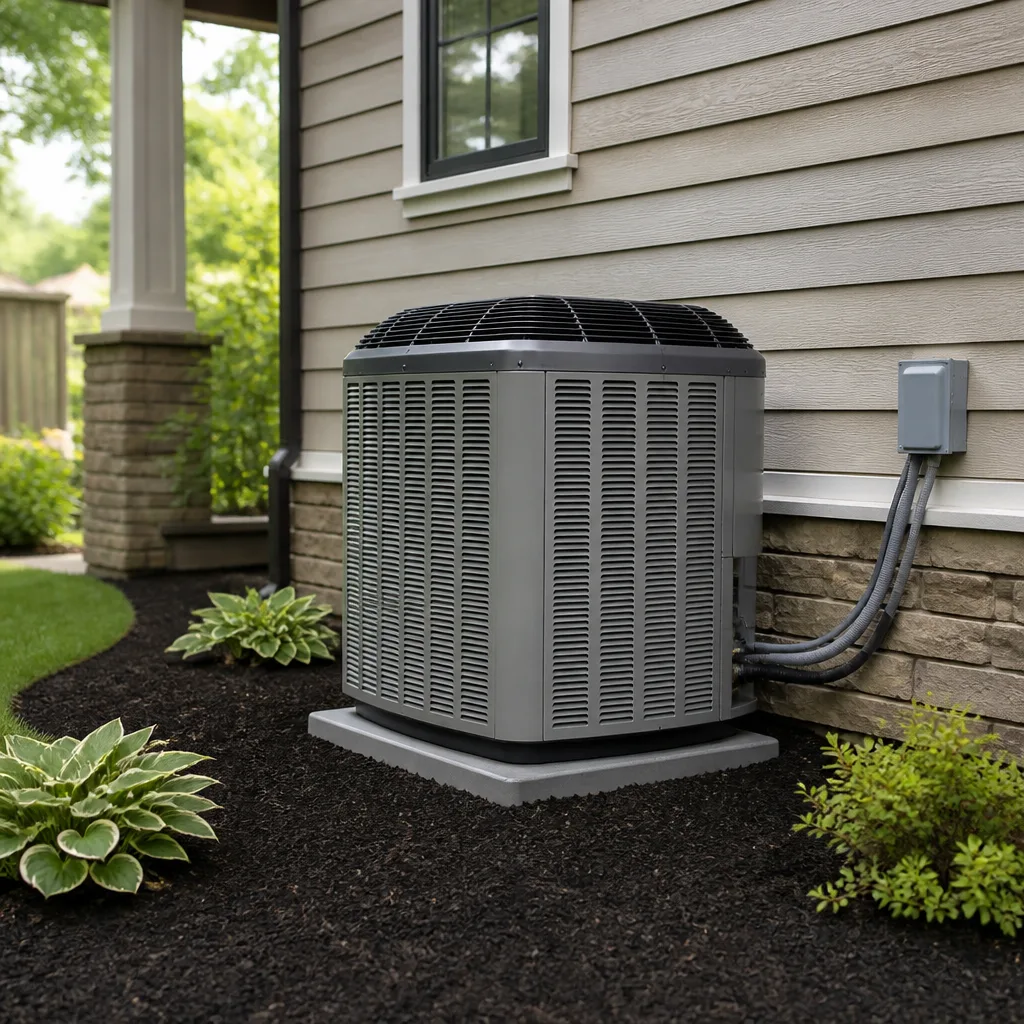 Trane
Trane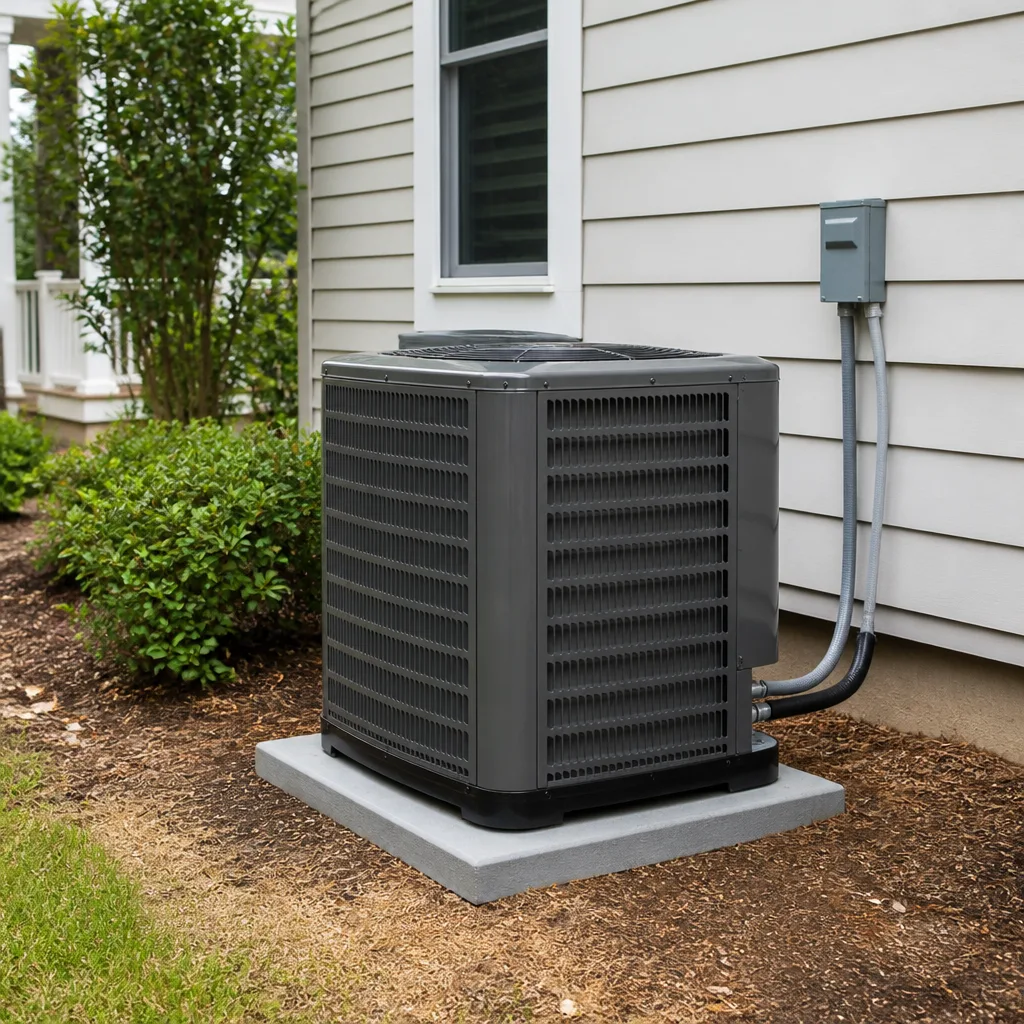 Goodman
Seasonal tune-up and full diagnostic on your Carrier, Trane, or Goodman system - readings shown to you before any repair is proposed
Diagnosis first, numbers second - you approve the repair price before a single part goes in.
Get your free estimateAmerican Standard Ductwork Repair: The New York Owner’s Guide
Most American Standard ductwork repairs in New York run between $175 and $765 installed, depending on how much duct has failed and whether we’re sealing, patching, or replacing a section. We stock American Standard-compatible duct collars, takeoffs, elbows, boots, and sealants on the truck, so a technician can usually complete the repair the same day we diagnose it. The typical call starts with a homeowner noticing one room never reaches the temperature on the thermostat, or hearing a faint whistling behind a wall, or finding dust building up fast on furniture near a supply vent.
Ductwork is the least-seen part of an American Standard system and the most common reason a perfectly good furnace or air conditioner gets blamed for uneven heating and cooling. A failed duct connection in a New York rowhouse basement or behind a prewar plaster wall quietly leaks conditioned air into a crawlspace or floor cavity. The equipment is fine. The path the air travels is not. Our job is to find exactly where that path broke and close it.
Which American Standard Models This Applies To
American Standard ductwork repair isn’t tied to a single model line the way a control board or blower motor is. The ductwork itself is sized to the air handler or furnace, and different American Standard systems move different volumes of air. A Gold Series furnace paired with a larger evaporator coil will push more cubic feet per minute through the ducts than a smaller Silver Series unit, and that airflow difference is exactly why a generic duct patch often fails within a season or two.
The compatibility question is less about the model number on the cabinet and more about the duct dimensions, static pressure, and the type of takeoff or collar the original installer used. We match the repair to the equipment’s airflow spec, not just the hole in the metal. American Standard systems in New York are commonly paired with round duct from 5 to 18 inches or rectangular trunk lines, and the gauges and seam styles vary. If we see a rectangular trunk run in an older New York home, we check whether it’s 26-gauge or 30-gauge before recommending a patch versus a section replacement. That measurement stops us from quoting a repair that won’t hold.
On the OEM-versus-aftermarket question: American Standard branded duct components are often just industry-standard galvanized fittings with a logo on the box. We use quality galvanized steel, gasketed takeoffs, and foil-backed duct sealant rated for the temperatures a New York heating season demands. You get the right material without paying a brand markup for a part that doesn’t need one. We are an independent service provider and not affiliated with American Standard, which means we choose the part based on what works, not what a corporate supply agreement tells us to buy.
Styles & brands we work with
Signs Your American Standard Ductwork Repair Is Failing
- Rooms at different temperatures on the same floor. When a duct run separates at a joint in a New York basement or wall cavity, the conditioned air leaks before it reaches the far room. The thermostat reads fine because the air handler is running, but the rooms farthest from the unit never catch up.
- Dust accumulating quickly around specific supply vents. A return duct leak pulls unfiltered air from a crawlspace, joist bay, or wall cavity directly into the system. That air carries whatever dust and insulation fibers live in those spaces, and it lands on the nearest supply register.
- A whistling or fluttering noise when the blower runs. Air escaping through a narrow gap in a duct seam or at a takeoff collar creates turbulence at the opening. The sound often varies with the blower speed and is easy to confirm with a technician’s pressure gauge.
- Higher heating or cooling bills without a change in weather. In New York, where we run heat from October into April and air conditioning through the summer, a duct leak of even 20 percent is money leaving the building. A system that suddenly runs longer to hold the same temperature is a common first sign of a duct failure.
- Musty or stale air smell when the system first starts. A disconnected return duct draws air from a damp basement or wall cavity instead of from the living space. The air smells like where it came from, and that smell circulates until the leak is found and sealed.
See the difference
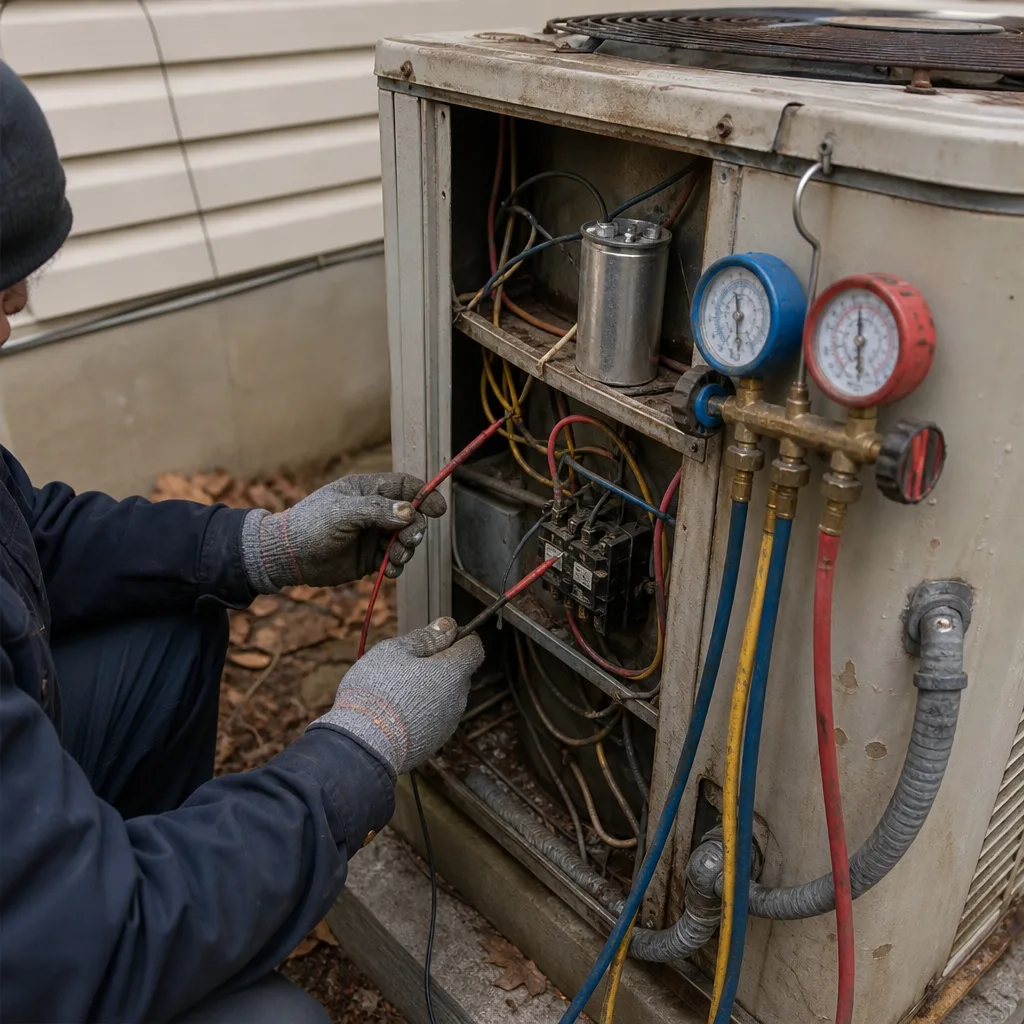 Before
 After
After Before
 After
After Before
 After
AfterReplacement Cost & What’s Included
American Standard ductwork repair in New York most often lands between $175 and $765. The low end covers a single failed duct seam sealed with mastic, a loose takeoff re-attached and screwed, or a small boot replaced behind a register. The upper end includes multiple failed connections, a section of collapsed or rusted trunk line, or a return duct that needs to be re-built from the floor up.
What drives the price is access. Ductwork behind a finished basement ceiling or inside a lath-and-plaster wall costs more to reach than exposed duct in an open mechanical room. The second driver is how much air the American Standard system moves; larger systems often have larger duct with more connections to inspect and seal.
Every repair quote includes the parts, the labor to open up whatever needs opening, sealing materials rated for the application, and a test of the system’s static pressure after the repair to confirm airflow is restored. The written price is in your hand before we touch a tool, and it does not change at the door. The work is covered by our 365-Day Done Right Promise. If the repair fails within a year, we return and correct it at no charge. That guarantee is written, not verbal.
DIY or Call Us?
Ductwork itself isn’t dangerous to inspect the way a gas valve or a high-tension spring is, but the places ductwork lives in New York often are. Reaching a failed connection frequently means working near electrical wiring, navigating a low-clearance crawlspace, or cutting into a finished ceiling that may contain asbestos in older New York buildings. We recommend homeowners limit themselves to visual checks: look for disconnected runs in an exposed basement, check for gaps at register boots, and feel for air movement around joints while the blower runs.
Where DIY typically goes wrong is in the seal. Hardware-store duct tape fails after one heating season because the adhesive dries and the tape peels. A proper repair uses mechanical fasteners and mastic or foil-backed tape, and it should be verified with a pressure reading so you know the leak is actually closed. What a homeowner can safely check is worth doing. The repair itself is worth a call to (934) 465-5501, and our estimate is free.
FAQs
Galvanized steel ductwork typically lasts 30 to 50 years in New York, but the connections, sealants, and tape at the joints fail far sooner, usually within 10 to 15 years. The metal itself rarely goes first; it’s the attachment points and seals that loosen with seasonal expansion and the vibration of the blower.
Nearly all residential ductwork problems can be repaired, and we recommend repair over replacement whenever the metal is intact. A collapsed section, rusted-through trunk line, or a design that was undersized from the start are the only scenarios where replacement makes more sense, and we’ll show you what we found before recommending either path.
Most single-section repairs take between one and three hours from diagnosis to a sealed, tested, and verified repair. If access requires opening a wall or ceiling, the timeline extends by the time needed to cut and restore the finish, which we quote before starting.
Our trucks carry common round and rectangular duct fittings, gasketed takeoffs, collars, elbows, boots, and the proper mastic and foil-backed sealants, so most repairs are completed on the first visit. If a rare or oversized component is needed, we source it locally in New York and schedule the return visit before we leave your home.
Call (934) 465-5501 for a free estimate on your American Standard ductwork repair in New York. A live person answers, and we’ll give you a written price before the work begins.
Written by Victor Mancini, Owner, Cold Harbour Heating and Air New York at Cold Harbour Heating and Air New York, serving New York and nearby areas.