
 Furnace & heating
 AC repair
 Heat pumps
 Ductless mini splits
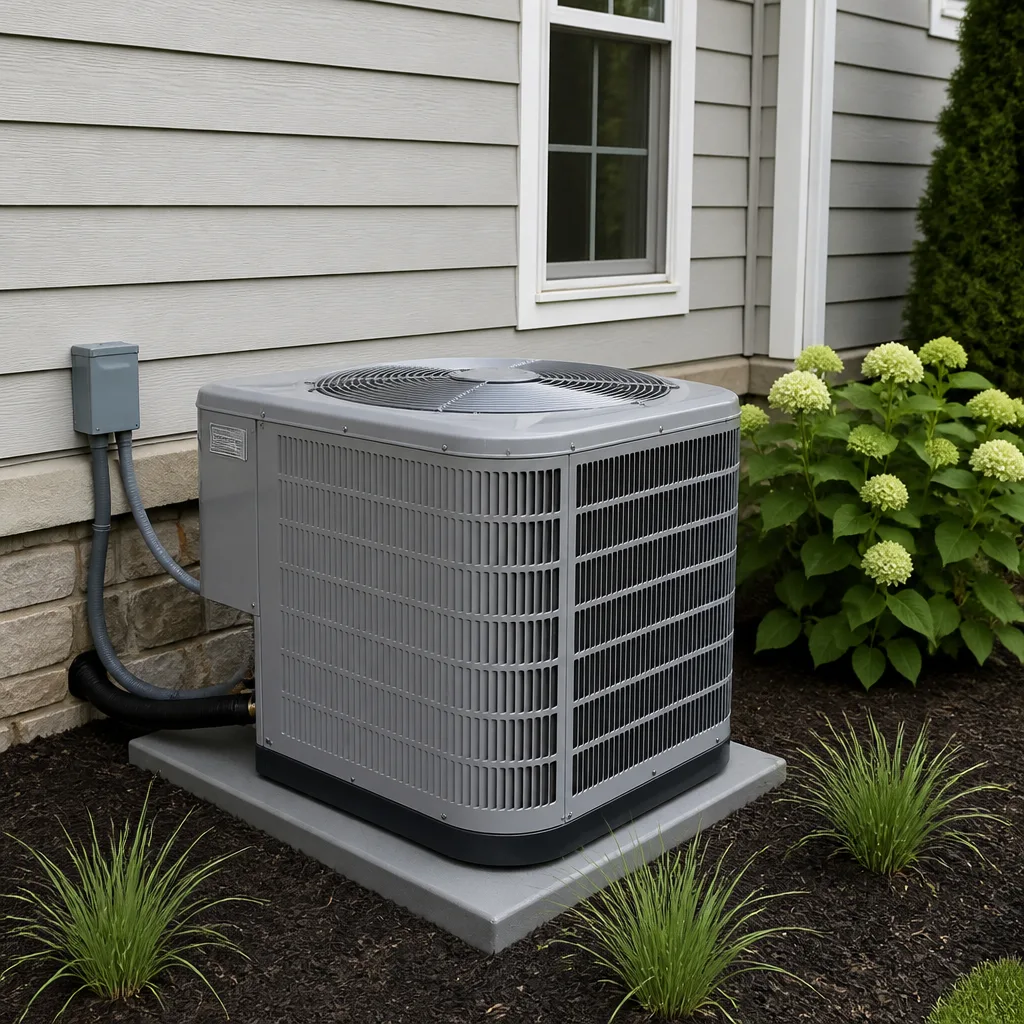 Carrier
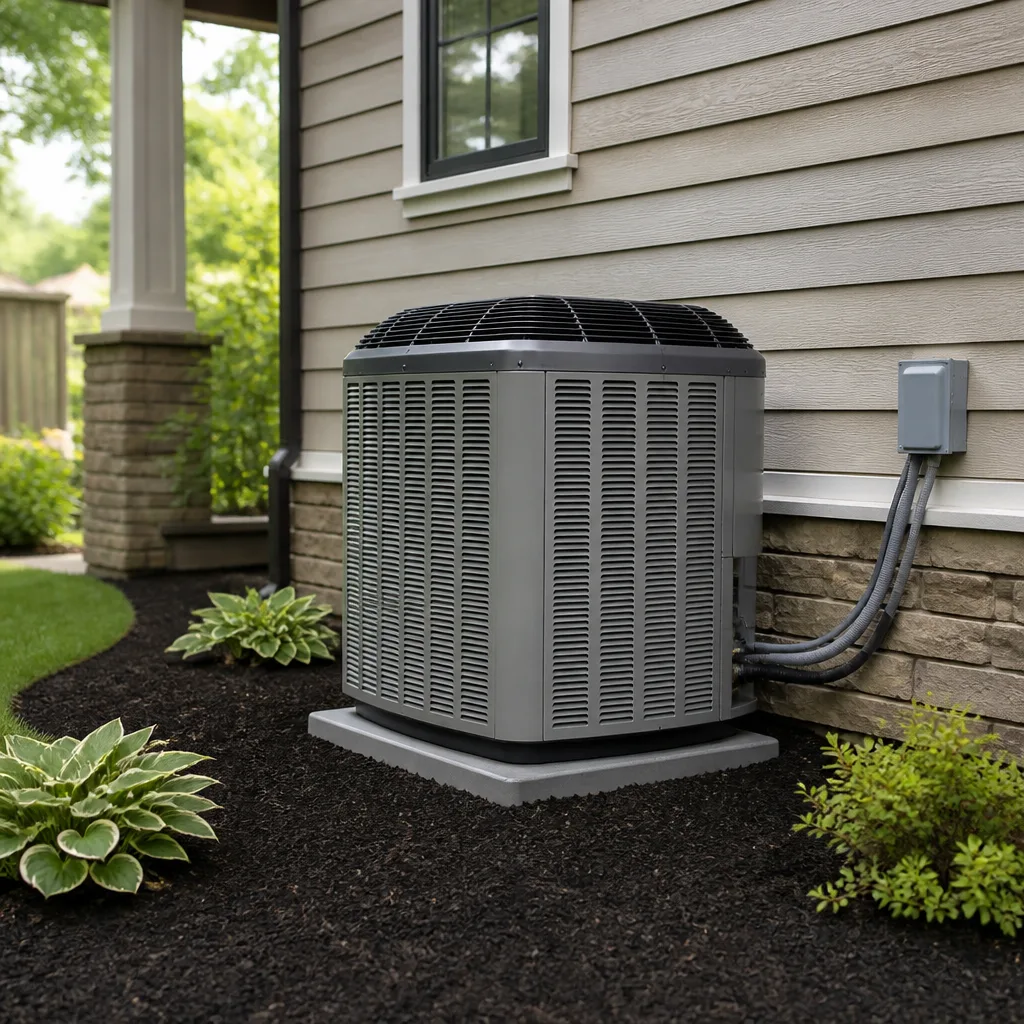 Trane
Trane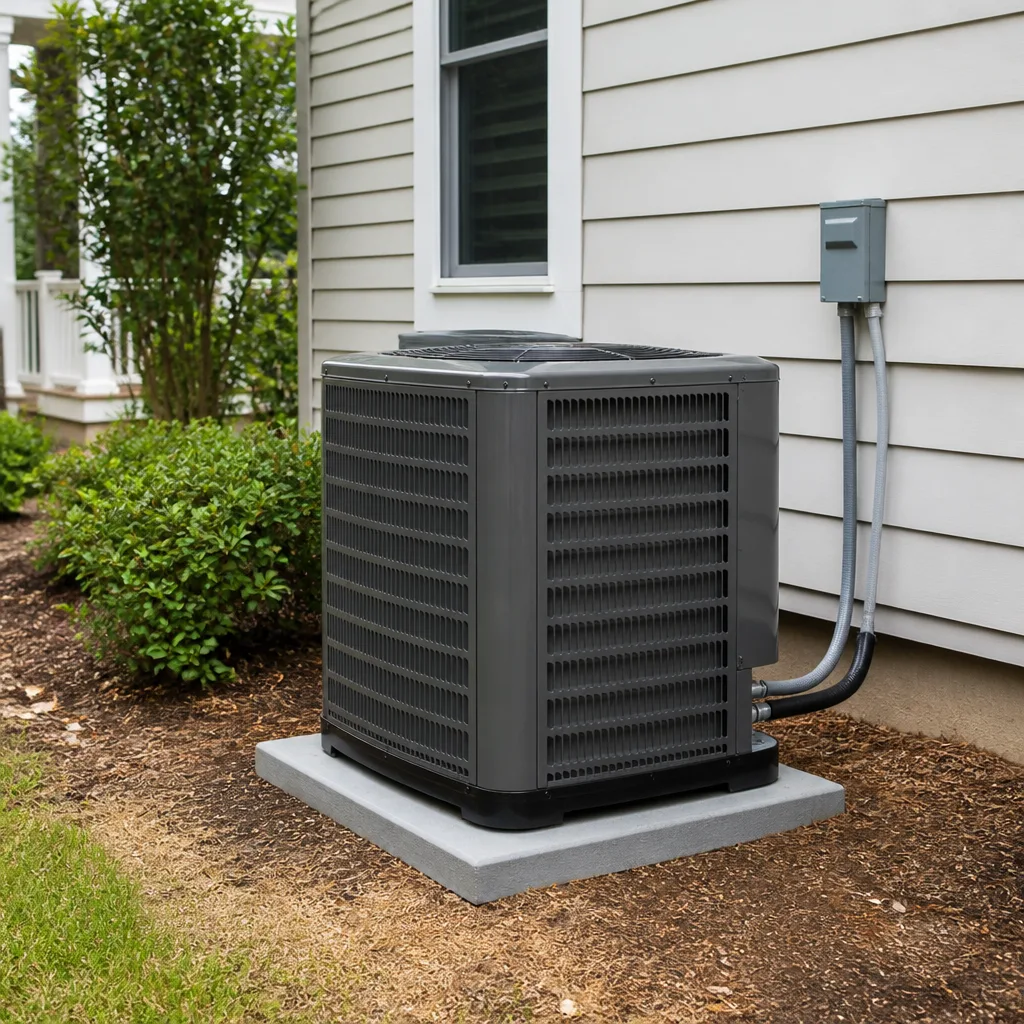 Goodman
Seasonal tune-up and full diagnostic on your Carrier, Trane, or Goodman system - readings shown to you before any repair is proposed
Diagnosis first, numbers second - you approve the repair price before a single part goes in.
Get your free estimateCarrier Capacitor Replacement: The New York Owner’s Guide
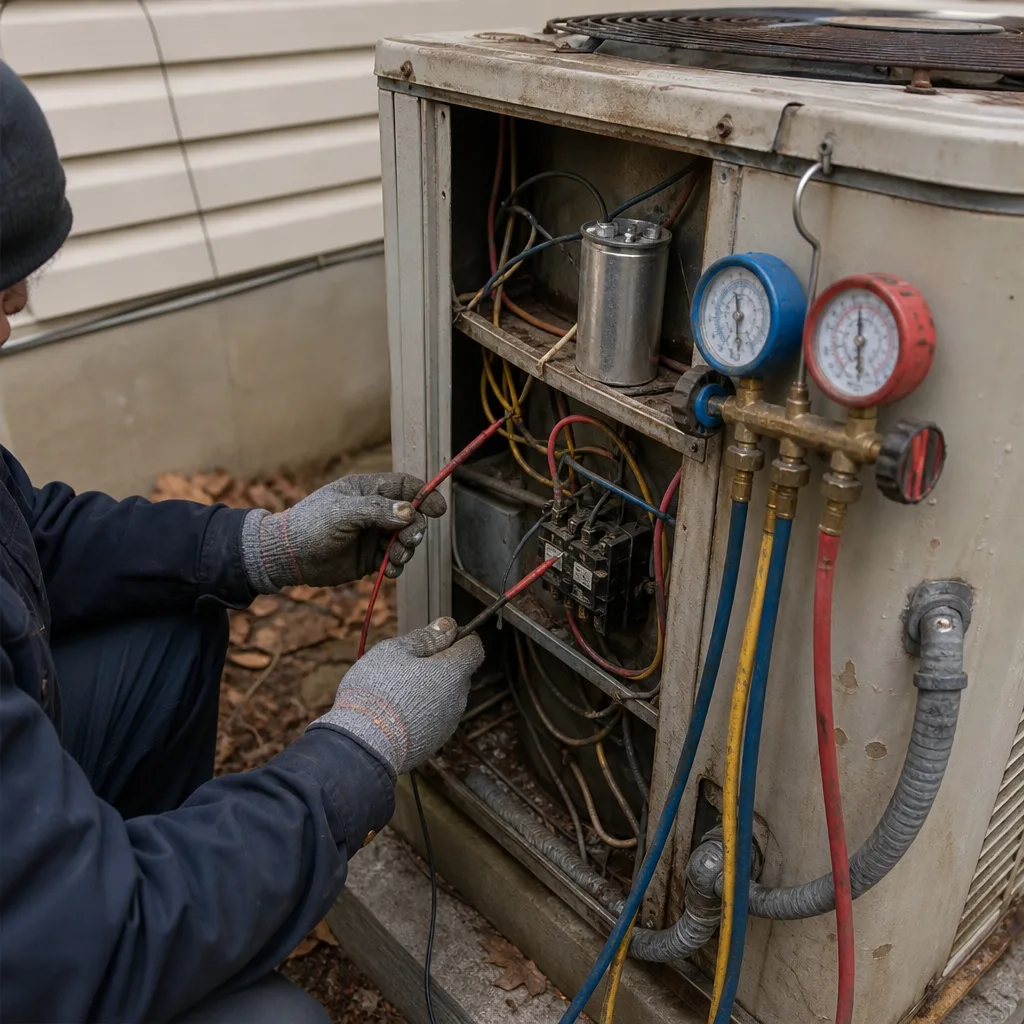
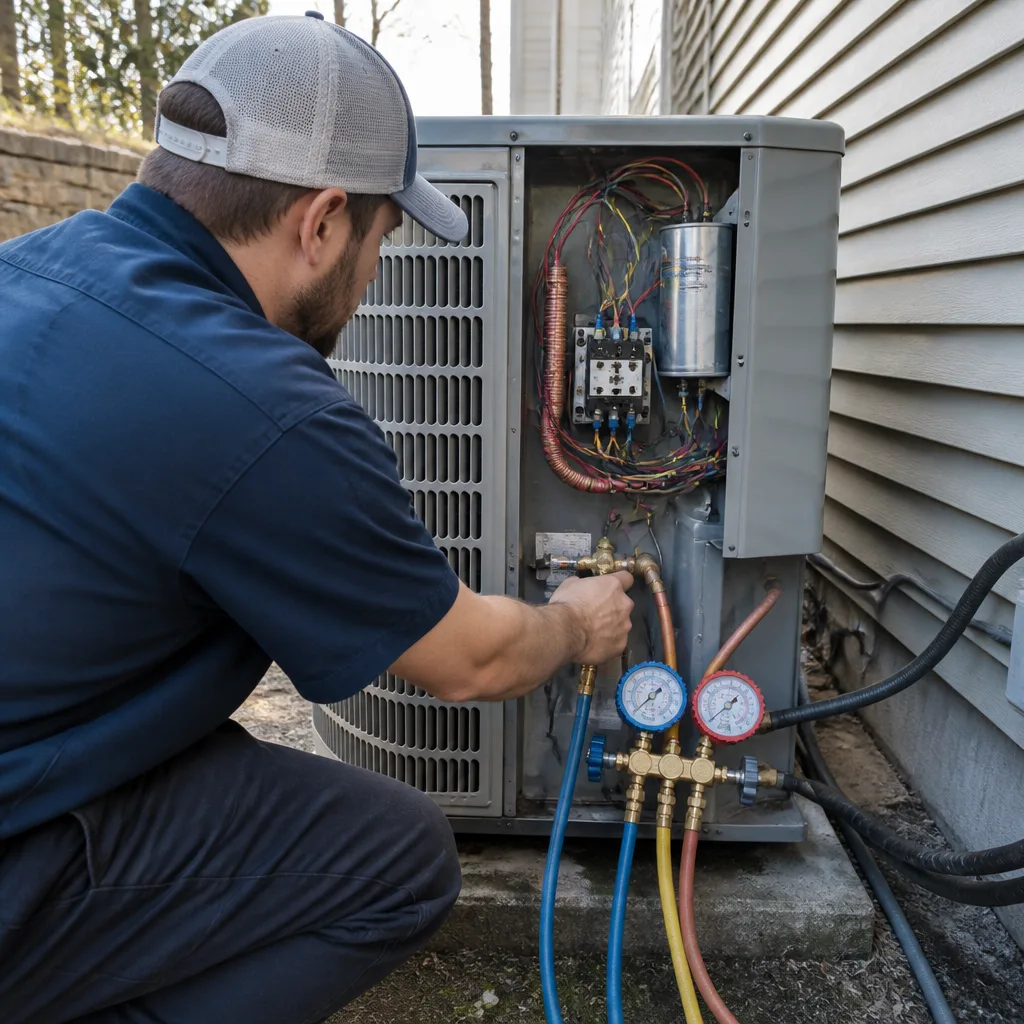
Most Carrier capacitor replacements in New York run between $175 and $385, parts and labor included, and we complete the swap the same day in nearly every case. A capacitor is the small metal cylinder inside your outdoor condenser unit (or sometimes the air handler) that stores and releases the electrical charge your compressor and fan motors need to start and keep running. When it fails, your Carrier system usually gives you clear warning signs: the outdoor unit hums but the fan won’t spin, the compressor clicks on and off without cooling, or the system runs for twenty minutes and then shuts down on thermal overload.
Homeowners in neighborhoods from Riverdale to Forest Hills call us after they hear that telltale hum or notice warm air blowing from their vents on a hot afternoon. The capacitor is one of the most common parts we replace in New York because our summers punish it: high heat, humidity, and frequent cycling through July and August wear down the dielectric material inside the capacitor casing faster than anywhere else we’ve worked. Victor Mancini has pulled enough swollen, leaking capacitors out of Carrier units to know within thirty seconds whether that’s the culprit.
Which Carrier Models This Applies To
Carrier uses capacitors across nearly every residential cooling line: the Comfort series, Performance series, Infinity series, and the older 38-series condensers still running in thousands of New York homes built in the 1990s and 2000s. The key compatibility factor is not the unit’s marketing name but the capacitor’s microfarad (µF) rating and voltage, printed right on the side of the metal can. Most Carrier residential systems use a dual-run capacitor rated between 35/5 µF and 60/10 µF at 370 or 440 volts, depending on the compressor size and the age of the system. A unit installed in a prewar building in Washington Heights may have a different rated capacitor than a split system in a newer Astoria building, even if both say “Carrier” on the cabinet.
We are an independent service provider, not affiliated with Carrier. What matters for the repair is the capacitor’s electrical rating matching what the compressor and fan motor draw, not the label on the part. Carrier’s OEM capacitors are made by the same tier-one manufacturers that supply quality aftermarket equivalents. The OEM part carries a blue or silver Carrier sticker and typically costs more for the same electrical values. We stock both OEM-branded and UL-certified aftermarket capacitors on the truck, and we match the replacement’s ratings to the original rather than selling you the pricier option by default. When we arrive, we verify the capacitor rating printed on your existing part against the manufacturer’s wiring diagram before anything is disconnected.
Styles & brands we work with
Signs Your Carrier Capacitor Replacement Is Failing
- The outdoor unit hums, but the fan doesn’t turn. This is the most common symptom in New York’s older building stock. The capacitor no longer holds enough charge to overcome the fan motor’s startup resistance. You hear the relay pull in, the compressor tries, but nothing spins.
- The compressor clicks on and off every few minutes. The compressor is trying to start, failing to get the boost it needs from the capacitor, and tripping the thermal overload. This short-cycling is hard on the compressor, and continuing to run it this way can turn a $300 capacitor visit into a multi-thousand-dollar compressor replacement.
- The system runs fine for a while, then blows warm air. As the capacitor degrades, it may work when the unit is cool but lose capacitance as the system heats up through a long run. The compressor overheats and shuts down mid-cycle, then restarts after it cools. This intermittent behavior is frustrating because the problem never happens while the technician is watching. A capacitance test under load, not just at startup, is how we catch it.
- The capacitor case is bulging, cracked, or leaking oil. Inside the metal can is a dielectric fluid that expands when the capacitor overheats. A swollen top or a visible oil stain on the unit’s base is a dead giveaway that the part has failed or is close to it. Any capacitor showing physical deformation is not a candidate for nursing along.
- The system takes longer to feel cold on hot days. A weak capacitor means the compressor starts sluggishly and runs at reduced efficiency even when it does run. Your unit is still cooling, but it’s working harder and costing more to do the same job. In New York’s peak summer months, that’s money leaving your Con Ed bill every day the part isn’t replaced.
See the difference
 Before
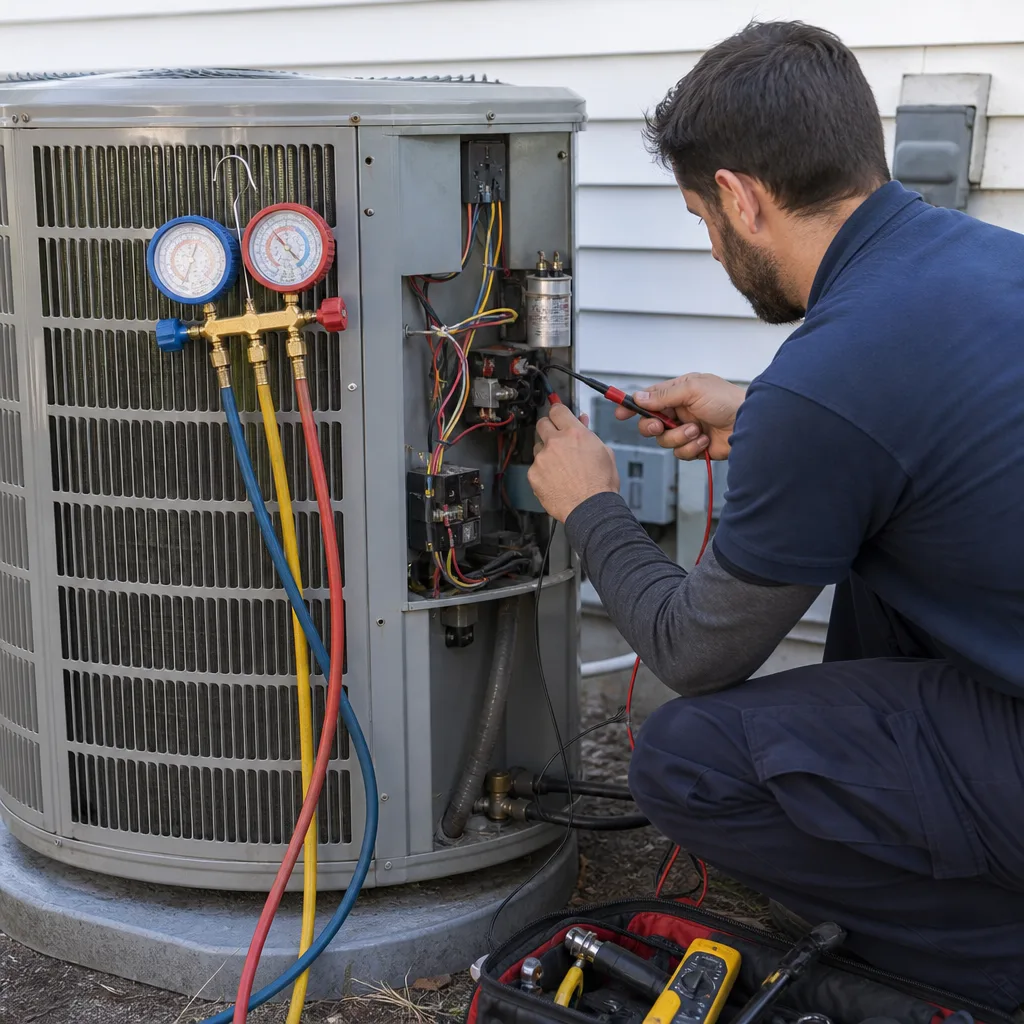 After
After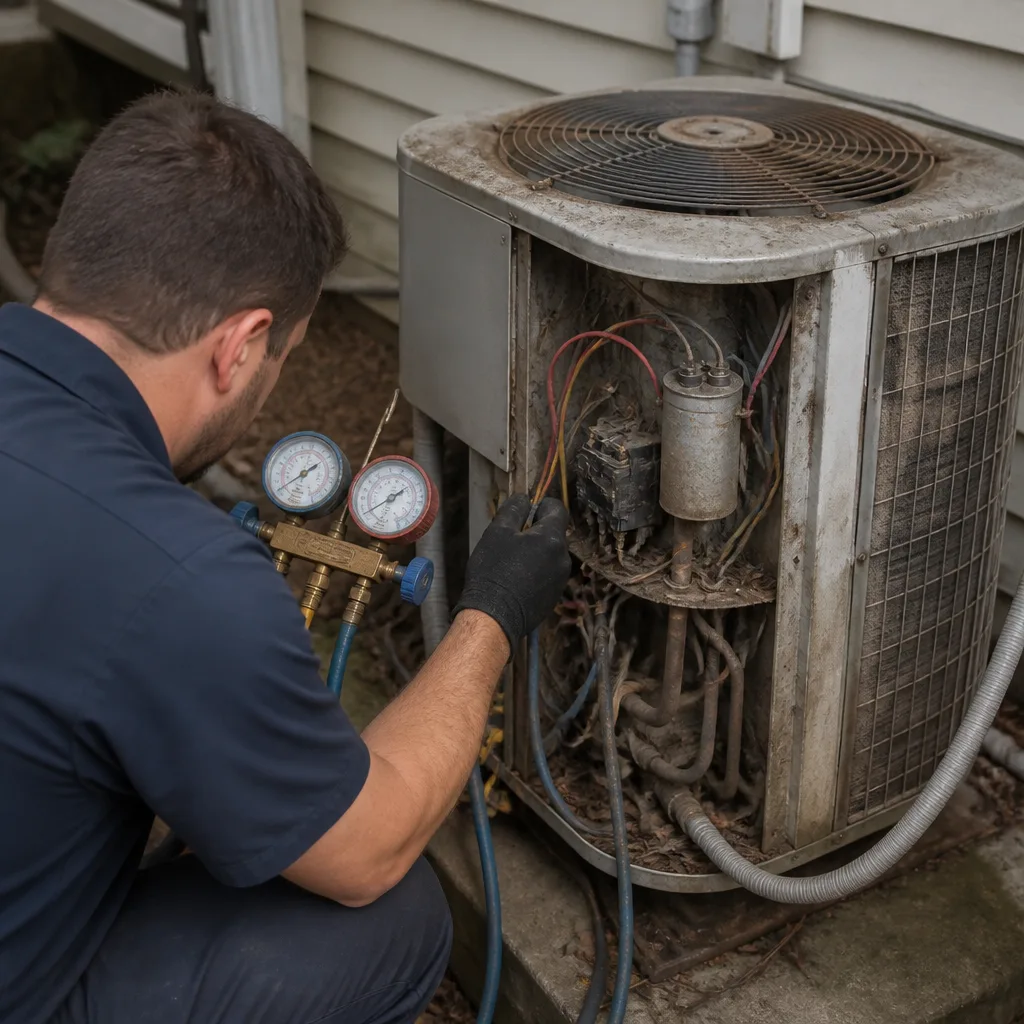 Before
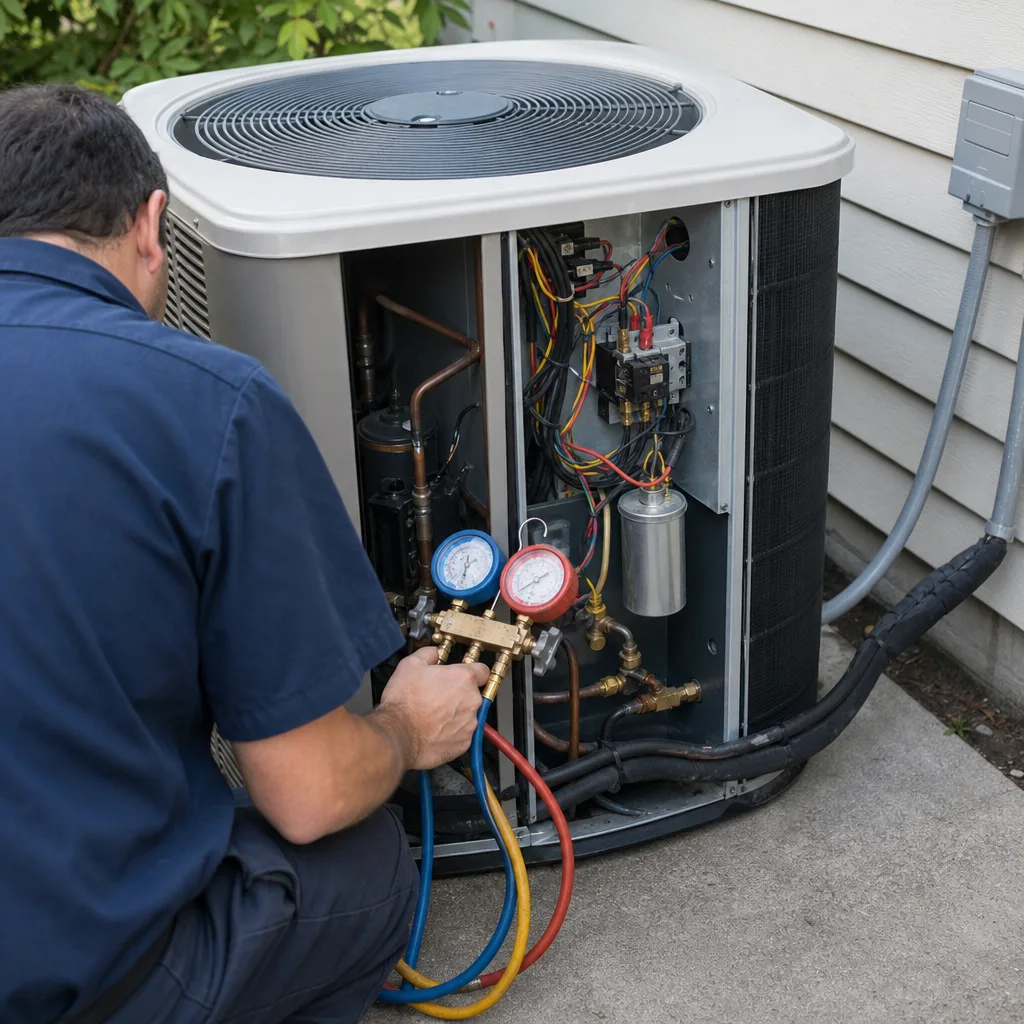 After
After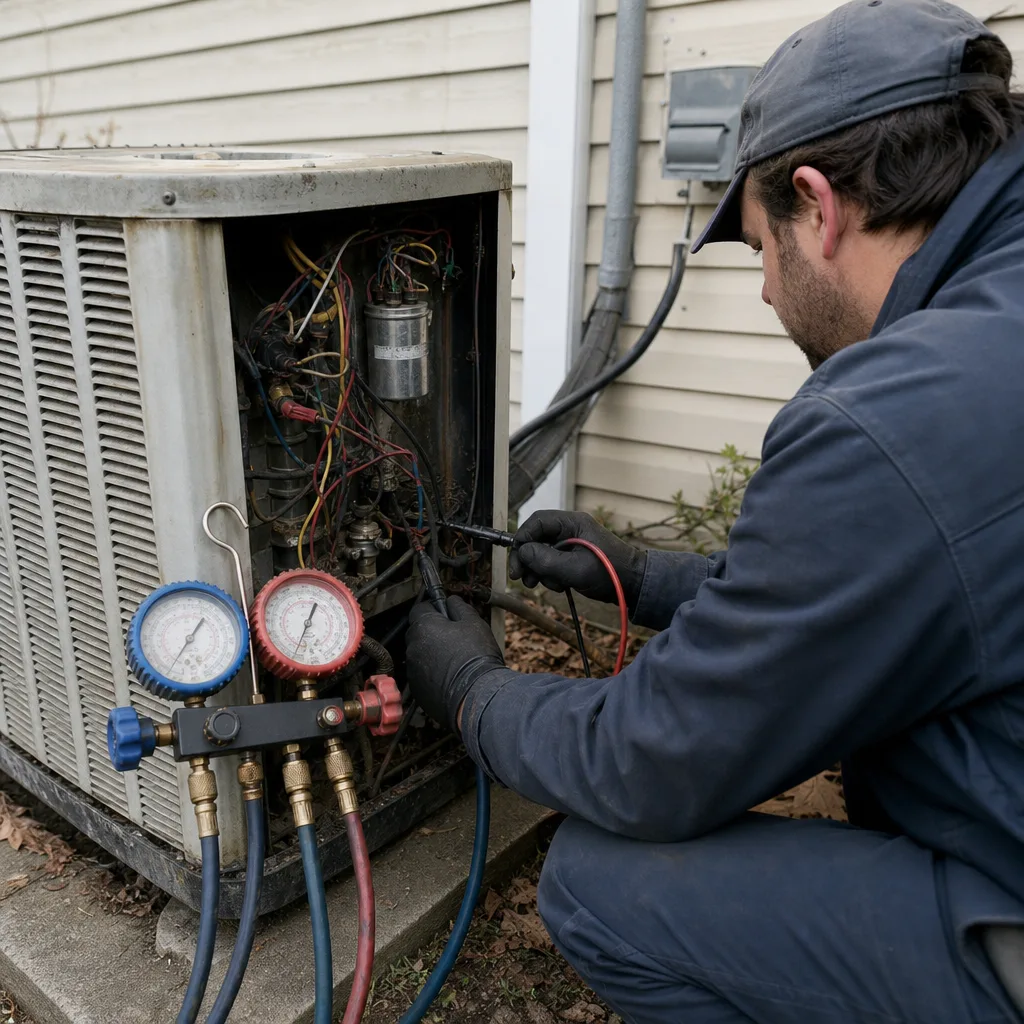 Before
 After
AfterReplacement Cost & What’s Included
Most Carrier capacitor replacements in New York fall between $175 and $385, fully installed. The low end covers single-stage units with standard 370-volt capacitors that take fifteen minutes to swap. The higher end includes dual-run capacitors with unusual microfarad ratings, 440-volt systems, and units where the capacitor is mounted in a difficult-to-reach corner of the condenser. Some larger Infinity series systems with multiple capacitors or inverter-driven compressors run higher because the parts cost more and the diagnosis takes longer.
Every quote includes the capacitor part (OEM or UL-certified aftermarket, your choice), the labor to remove the old part and wire in the new one, a full system test to confirm the compressor and fan motor are starting properly, and our written 365-Day Done Right Promise. The price is handed to you before we open the unit, and it does not change. If the capacitor fails again within a year, we come back and replace it at no charge. That’s the Kingswell Way: say the price before the work, show up in the window given, put the guarantee in writing, and come back if it fails.
DIY or Call Us?
A capacitor stores enough electrical charge to stop your heart, even with the power off, if you don’t discharge it correctly. The terminals can hold voltage long after the breaker is opened, which is one reason we tell homeowners plainly: this is not a weekend project. Even aside from the shock risk, wiring the wrong capacitor into a Carrier system damages the compressor and fan motor, turning a simple fix into a much larger bill.
What you can safely do is listen and look. If the unit is humming, if the fan isn’t spinning, if the capacitor cap is bulging, call us and tell us what you’re seeing. That’s exactly the kind of detail that helps Victor and the crew arrive prepared. Tell me what it is doing, and I will tell you what it needs – no guesswork, no surprises. Then leave the hands-on work to someone with the meter, the training, and the spare part on the truck. We’ll be at your door with the right capacitor, the right price, and the work guaranteed in writing before you sign anything. Call (934) 465-5501.
FAQs
In New York’s climate, most capacitors last 5 to 10 years, though we’ve pulled original capacitors out of 20-year-old Carrier units that still tested within spec. Heat is the main killer: a unit on a sun-baked roof in Queens will go through capacitors faster than a shaded unit in a Riverdale backyard. Regular maintenance that includes a capacitor test each spring catches one before it fails mid-July.
No, capacitors are sealed units and are not designed to be repaired. Once the dielectric inside breaks down or the case swells, the part is done. Replacing it is the only option. Anyone offering to “refurbish” a capacitor is not doing you any favors.
The capacitor swap itself takes 15 to 30 minutes. Most of our New York calls for a capacitor replacement are under an hour from arrival to test and cleanup, assuming the capacitor is the only issue. We clean the area, package the old part, and walk you through the test results before we head to the next call.
Yes. We carry the most common Carrier dual-run capacitors in standard New York residential ratings, plus OEM replacements on order for less common specs. We also stock parts for Trane and Lennox systems. If your unit needs a rating outside what we carry, we can typically have the exact part in hand within a day. Call (934) 465-5501 and we’ll tell you before we come out whether it’s likely a same-day fix.
Written by Victor Mancini, Owner, Cold Harbour Heating and Air New York at Cold Harbour Heating and Air New York, serving New York and nearby areas.