
 AC repair
 Furnace & heating
 Heat pumps
 Ductless mini splits
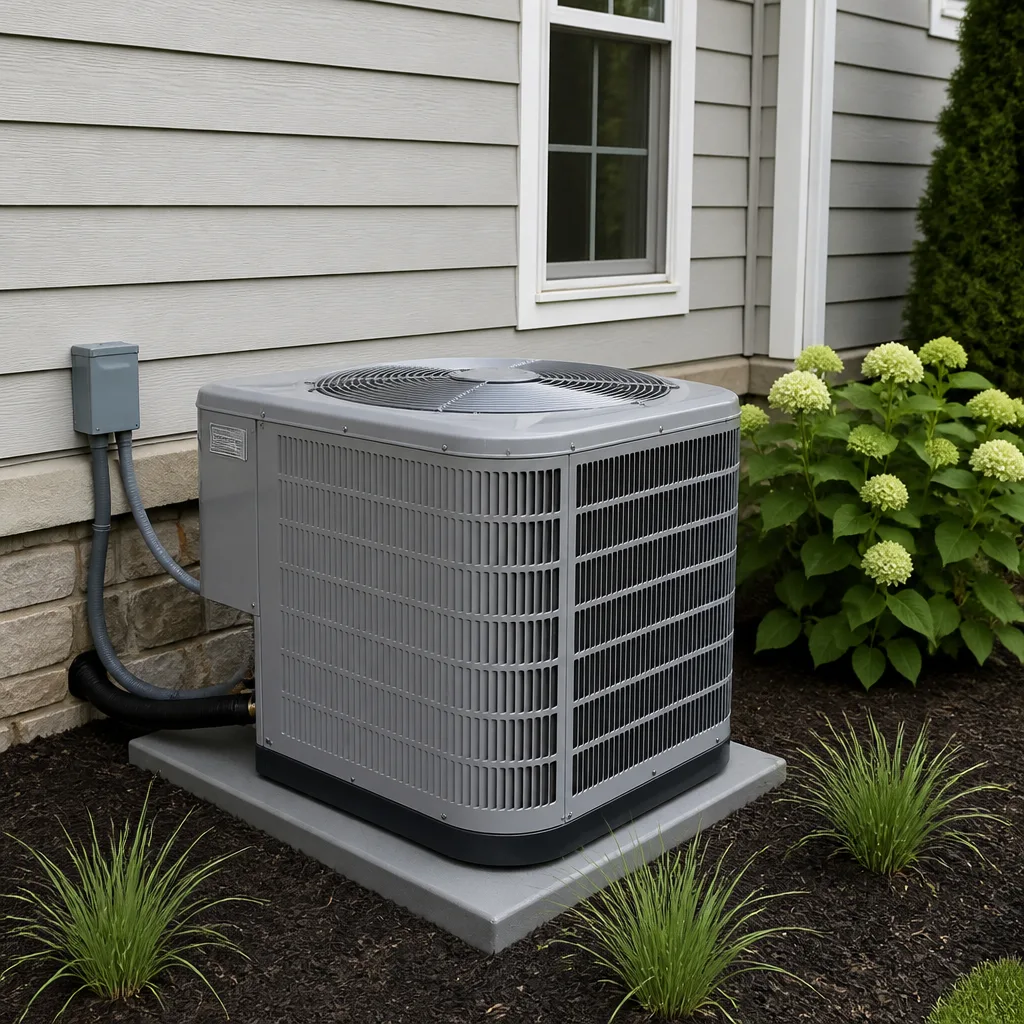 Carrier
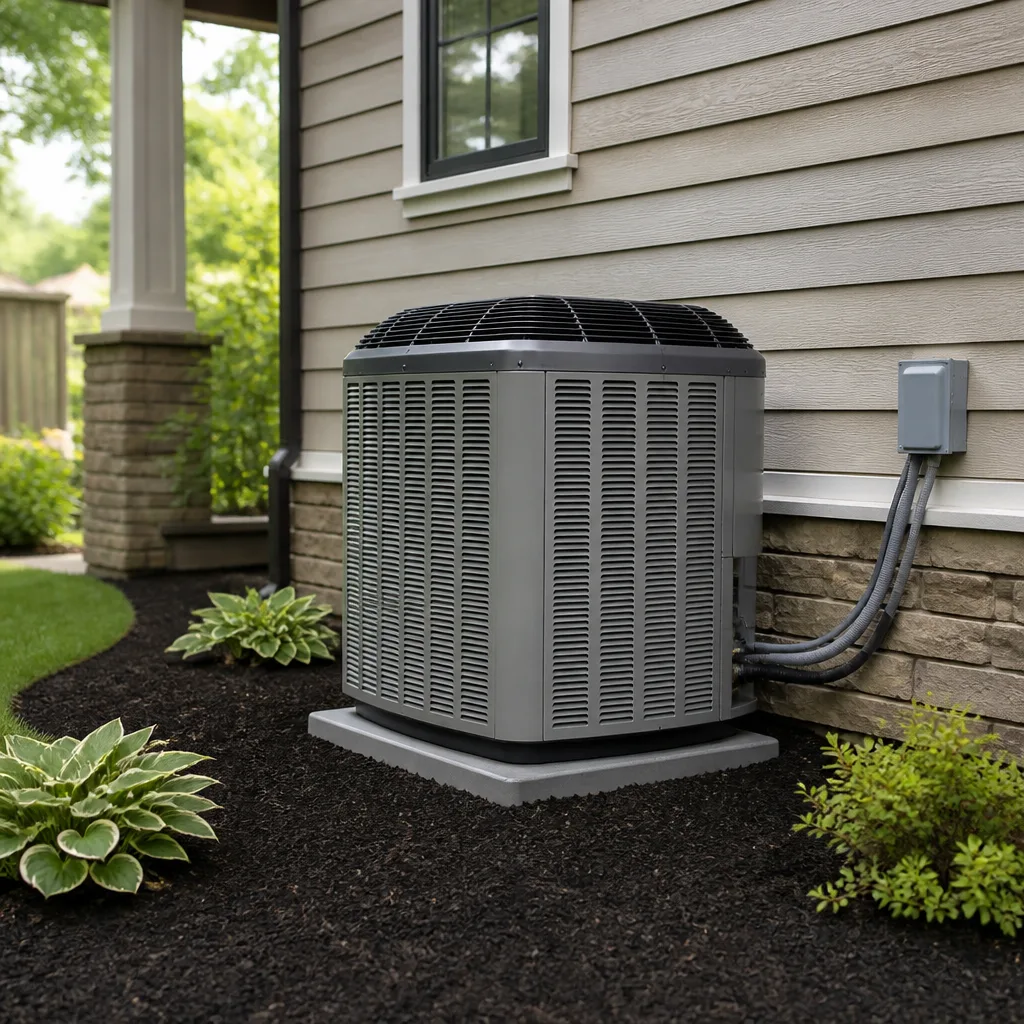 Trane
Trane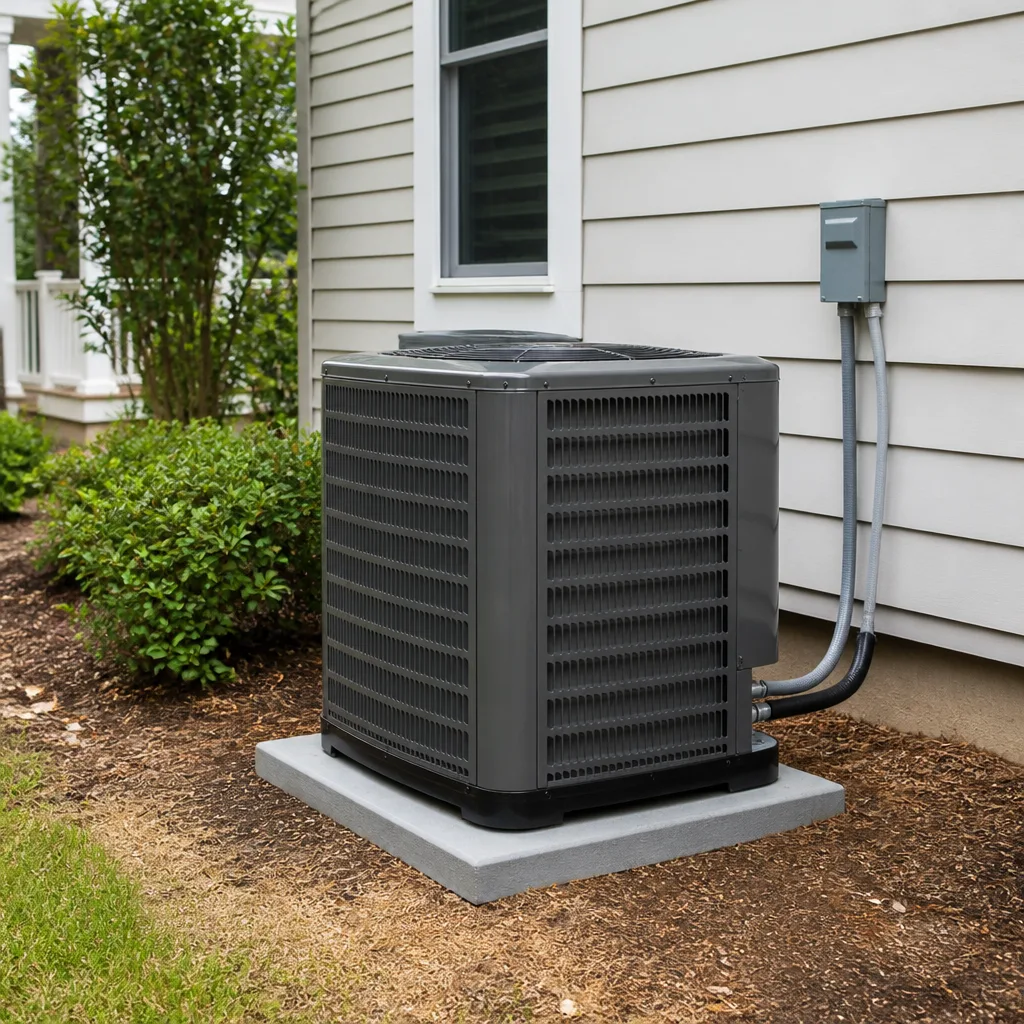 Goodman
Seasonal tune-up and full diagnostic on your Carrier, Trane, or Goodman system - readings shown to you before any repair is proposed
Diagnosis first, numbers second - you approve the repair price before a single part goes in.
Get your free estimateGoodman Ductwork Repair: The New York Owner’s Guide
Goodman ductwork repair across the five boroughs typically runs $175 – $765 installed, depending on whether we’re sealing a separated joint, replacing a crushed section, or rebuilding a return plenum. We stock Goodman-compatible duct fittings, collars, and replacement sections on our trucks, and most repair calls in New York get same-day or next-day service. You’ll usually know the ductwork has failed before you see it: a room that never heats or cools the way it used to, a whistling sound behind the walls, or dust building up around specific registers while others stay clean. Victor Mancini has seen duct separations in New York apartment buildings that had been quietly dumping conditioned air into wall cavities for years, and the signs are always the same once you know what to look for.
Which Goodman Models This Applies To
Goodman ductwork isn’t tied to a specific furnace or air handler model the way a control board is. The ducts connect to the unit, not inside it. What matters is the sizing and configuration of your existing duct system, whether you’re running a Goodman GSX or GSZ series condenser with a matching A-coil air handler, or a Goodman GMVC modulating furnace. The compatibility gotcha most New York homeowners run into is dimensional: older prewar and mid-century buildings in neighborhoods like Forest Hills or Riverdale were often fitted with undersized returns when central air was retrofitted decades ago. If your Goodman system was installed to work around those constraints, the ductwork has been under more static pressure than it was designed for from day one. We measure the existing trunk line, branch runs, and register boots before quoting any repair, because a Goodman system on 6-inch branches behaves very differently than the same system on 7-inch branches. For the OEM-versus-aftermarket question: Goodman-branded duct components aren’t a meaningful upgrade over quality galvanized or insulated flex from reputable suppliers. We use materials that meet or exceed SMACNA standards and match the existing duct type so the repair doesn’t introduce a new material mismatch that causes condensation or noise.
Styles & brands we work with
Signs Your Goodman Ductwork Repair Is Failing
Here’s what actually shows up in New York homes when ducts start to fail, and what’s happening behind the drywall when you notice it:
- One room that won’t hold temperature. A separated supply trunk bleeds conditioned air into the bay between joists before it ever reaches the register. The room gets maybe half the airflow it should, and the Goodman system runs longer trying to satisfy a thermostat that never gets there.
- Dust streaks around a register or adjacent drywall. Duct leakage pulls unfiltered air in through cracks and gaps when the system runs. The dust that collects around a leaky return plenum is air from inside your walls, not from the duct itself.
- A whistling or fluttering sound that changes with the blower speed. That’s air moving through a gap that narrowed over time, often where a metal collar separated from a flexible run or where tape peeled off a corner joint. It will get worse as the gap widens.
- Condensation on a duct surface in summer. A torn section of insulation wrap exposes cold duct metal to humid New York air. Water beads up, drips, and eventually stains the ceiling or the wall below. We see this most often in unconditioned crawl spaces and attic runs in Queens and Staten Island homes.
- Higher utility bill with no change in usage. The Goodman system is still doing its job at the equipment level, but a portion of every conditioned cubic foot is going somewhere other than the rooms you live in. Leakage of 20 percent or more isn’t unusual in older New York ductwork, and you are paying for every bit of it.
See the difference
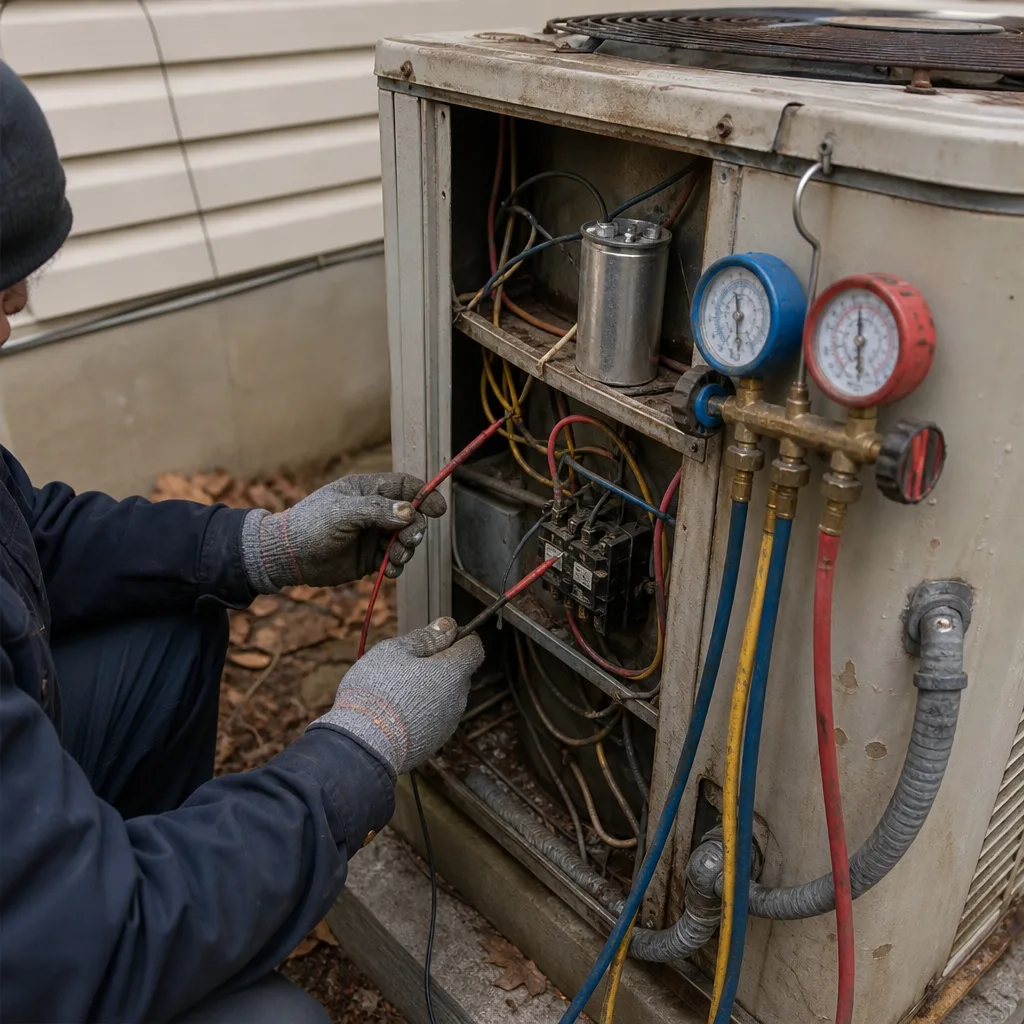 Before
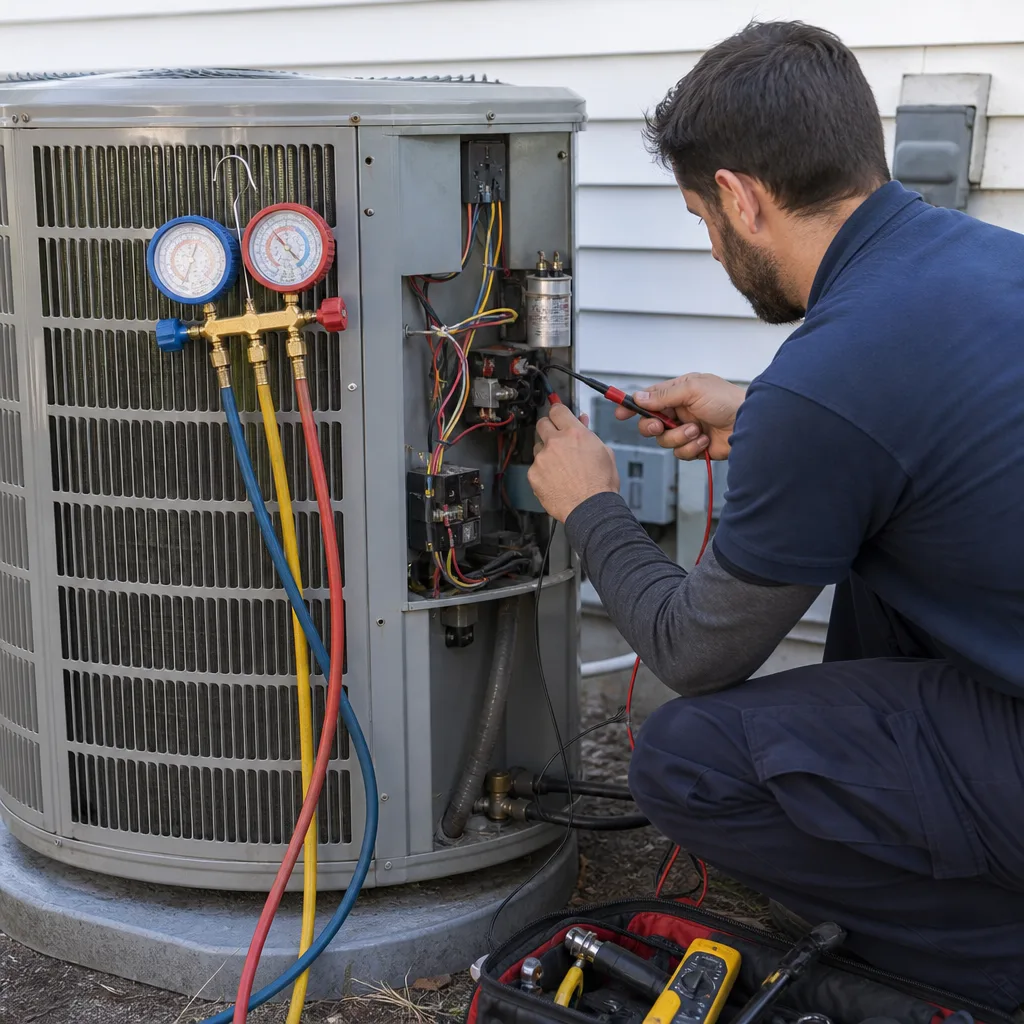 After
After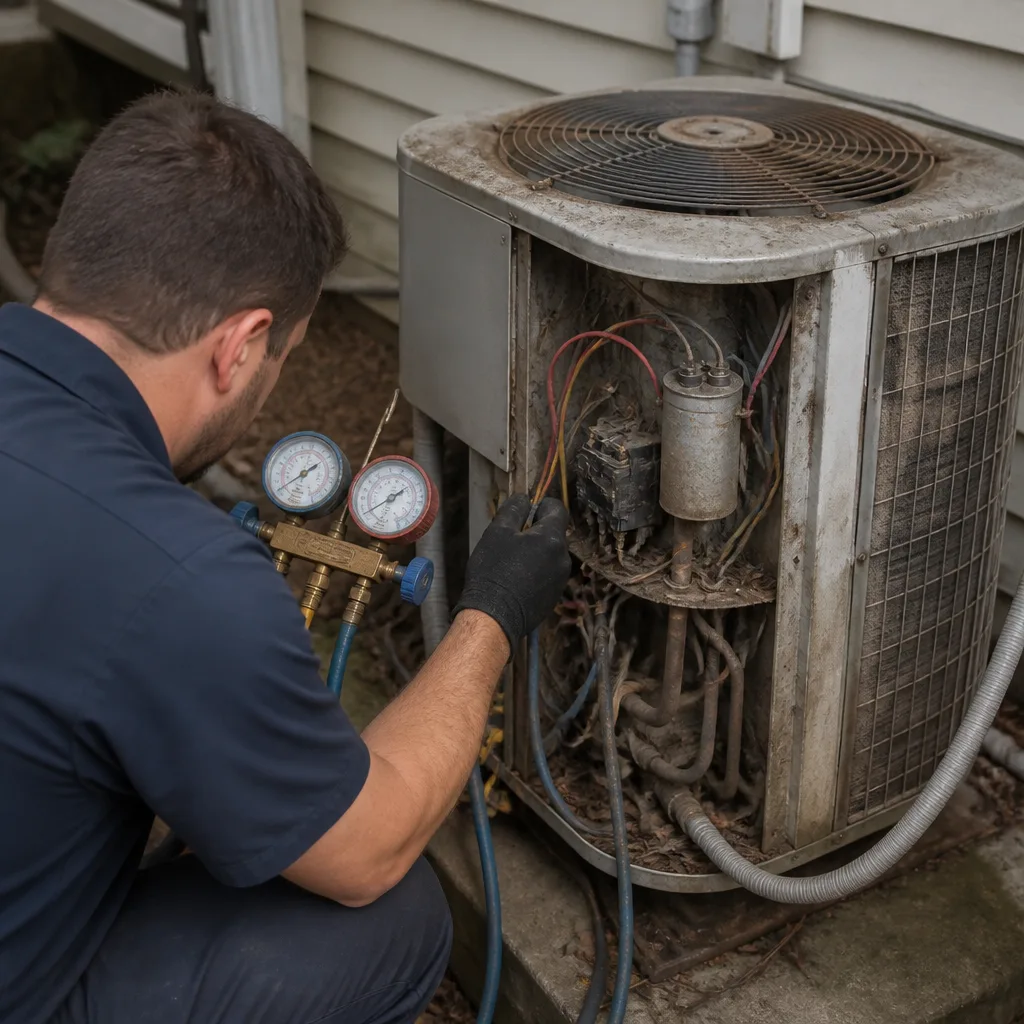 Before
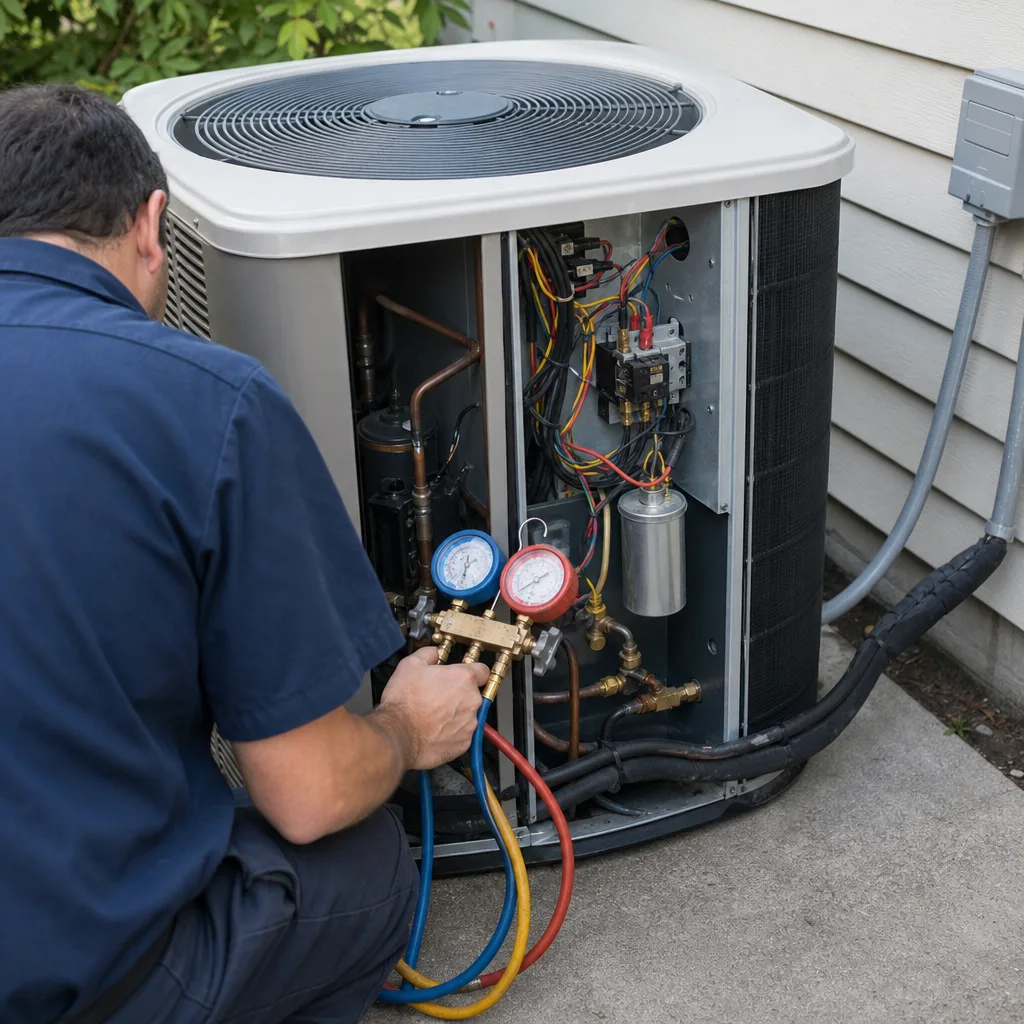 After
After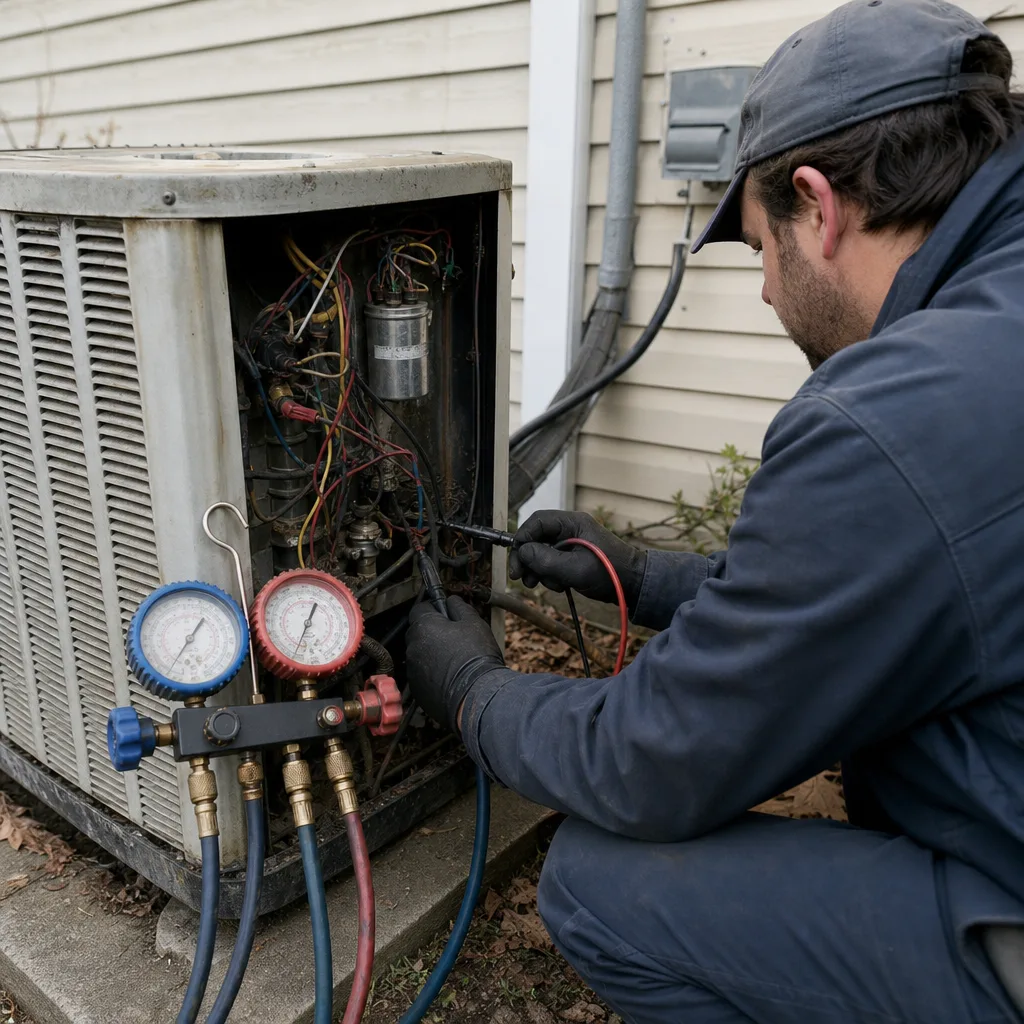 Before
 After
AfterReplacement Cost & What’s Included
Ductwork repair in New York lands in a predictable range. A straightforward joint sealing or small section replacement runs $175 – $350. Replacing a crushed or collapsed branch run with new flex duct and insulation typically falls between $300 and $550. Rebuilding a return plenum or correcting a trunk line separation that requires sheet metal work and possibly rerouting around existing framing runs $450 – $765. The spread comes down to access, materials, and how much of the existing duct has to come out before the repair goes in. Every quote we give is a written, fixed price handed to you before any tool comes out. That price includes the materials, the labor, the cleanup, and a written 365-day guarantee on the repair. If the ductwork repair fails at any point within a year, we come back and fix it at no charge. That’s the Kingswell Way, and it’s been how we’ve done things since 2003. Cold Harbour Heating and Air New York is an independent HVAC service provider and is not affiliated with the Goodman brand.
DIY or Call Us?
There are a few things worth checking yourself before you call. Walk the rooms and close every open window and door. Check that no one has blocked a return grille with furniture. Look at the registers you can reach and make sure the damper flaps aren’t closed or painted shut, which happens all the time in older New York apartments. Beyond that, ductwork repair is not a safe or practical DIY project. Runs hide in walls, ceilings, and crawl spaces. Cutting into the wrong place can hit electrical wiring or plumbing. Duct sealing inside a stud bay or above a ceiling usually means cutting drywall, and making the repair requires getting the new section properly fastened, supported, and sealed so it does not come apart again or leak condensation onto your ceiling. If you have a duct problem in a New York home, call us at (934) 465-5501 and we’ll diagnose it, quote it, and repair it the same day in most cases.
FAQs
In New York conditions, galvanized sheet metal ducts typically last the life of the building, while flexible duct runs and the tape, mastic, and insulation around joints start failing between 15 and 25 years. The environment matters more than the material in most cases: attic heat, crawl space humidity, and the pressure of a system working against undersized returns all shorten the effective lifespan. Call (934) 465-5501 if you suspect leaks, and we’ll tell you what’s actually going on.
Yes, and in most homes it should be. Separated joints, torn insulation, small crushed sections, and leaking boots are all repairable, usually in a single visit. Full replacement only makes sense when the original system was badly designed or the ducts have collapsed in multiple locations to the point where patching would cost more than replacing. Call us for an honest assessment.
Most repairs take two to five hours, depending on access. A joint sealing or short section replacement is frequently done in under three hours. A return plenum rebuild or a long branch run replacement in an attic or crawl space can push to a full day. We’ll tell you the window before you commit, and the price is fixed before we begin.
Yes. Our trucks carry standard galvanized duct sections, collars, elbows, flex duct in multiple diameters, mastic, foil tape, and insulation wrap. We also carry replacement parts for other major residential brands including Carrier, Trane, and Lennox, so whatever system is in the home, the technician who shows up is ready to work on it. If a specific fitting needs to be ordered, we tell you exactly when it arrives and schedule the repair around it.
Written by Victor Mancini, Owner, Cold Harbour Heating and Air New York at Cold Harbour Heating and Air New York, serving New York and nearby areas.