
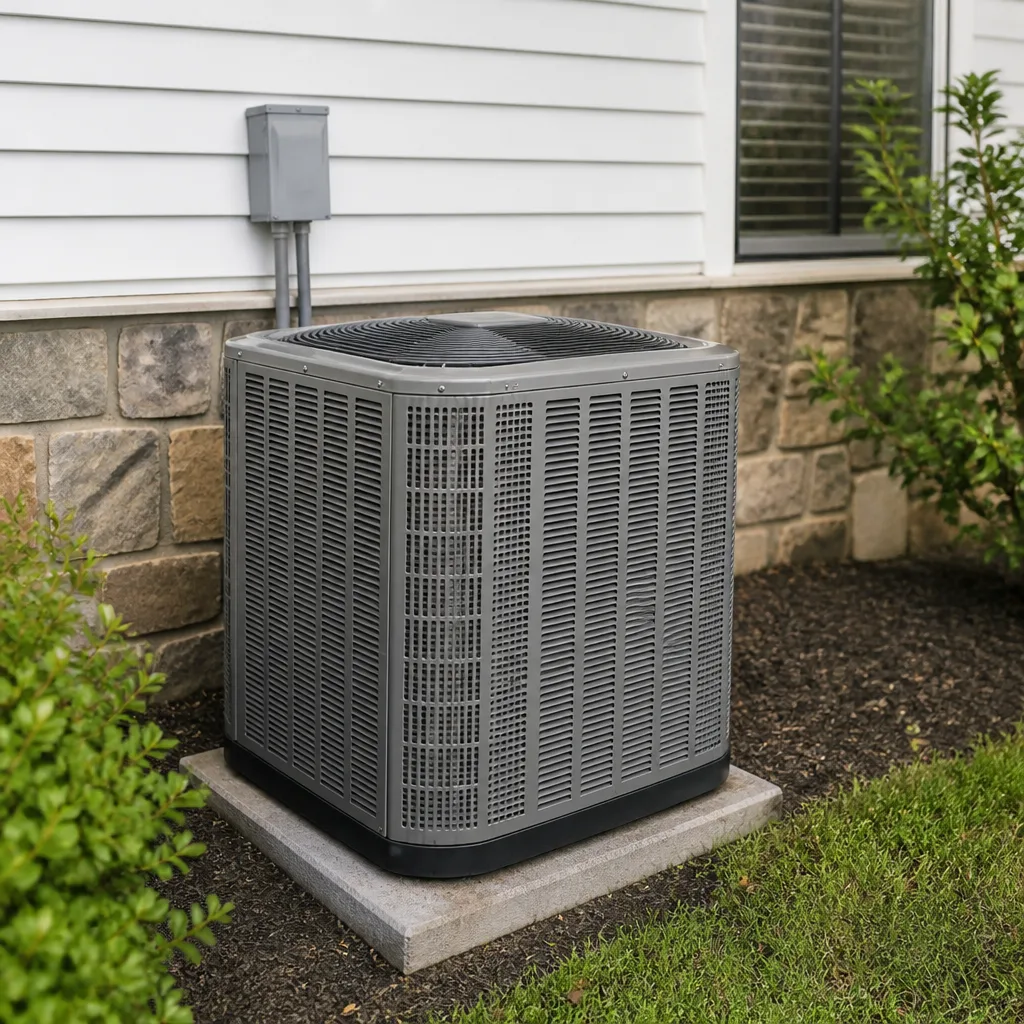
 AC repair
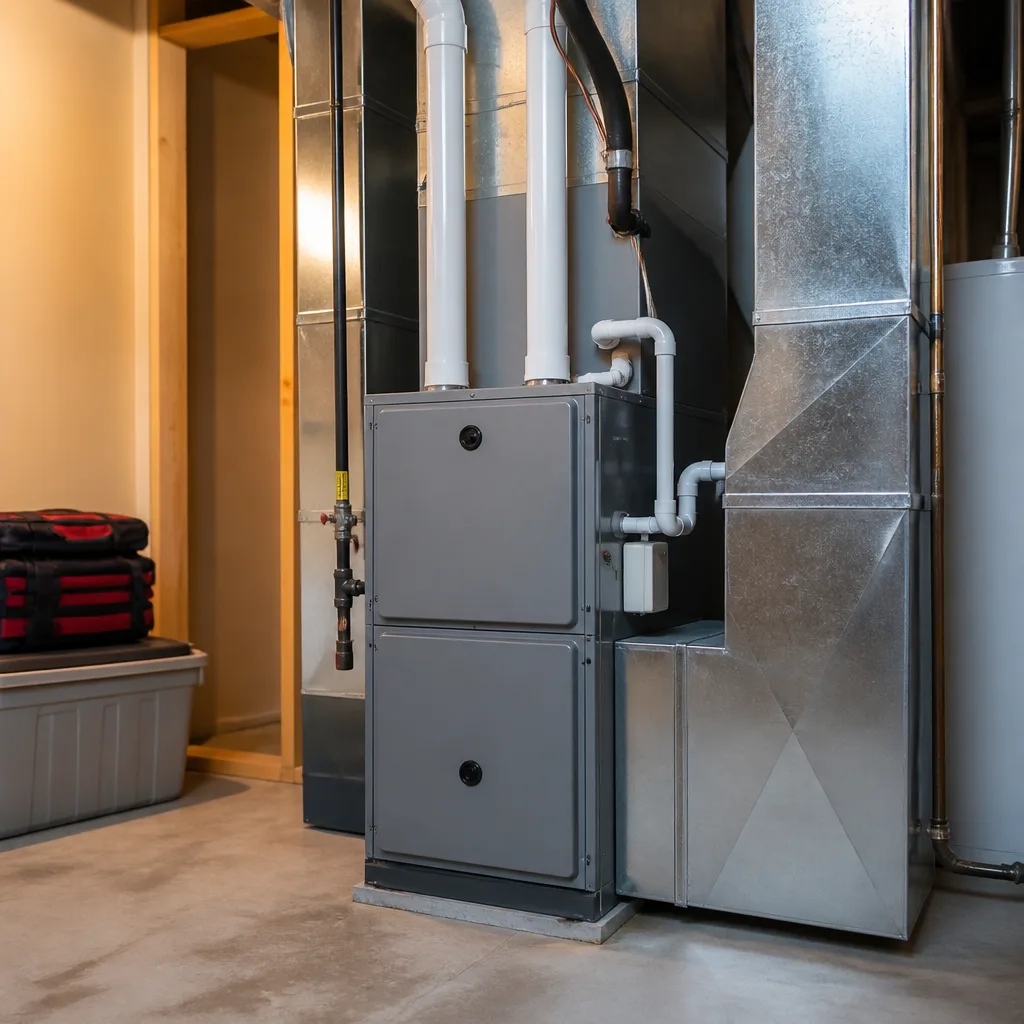 Furnace & heating
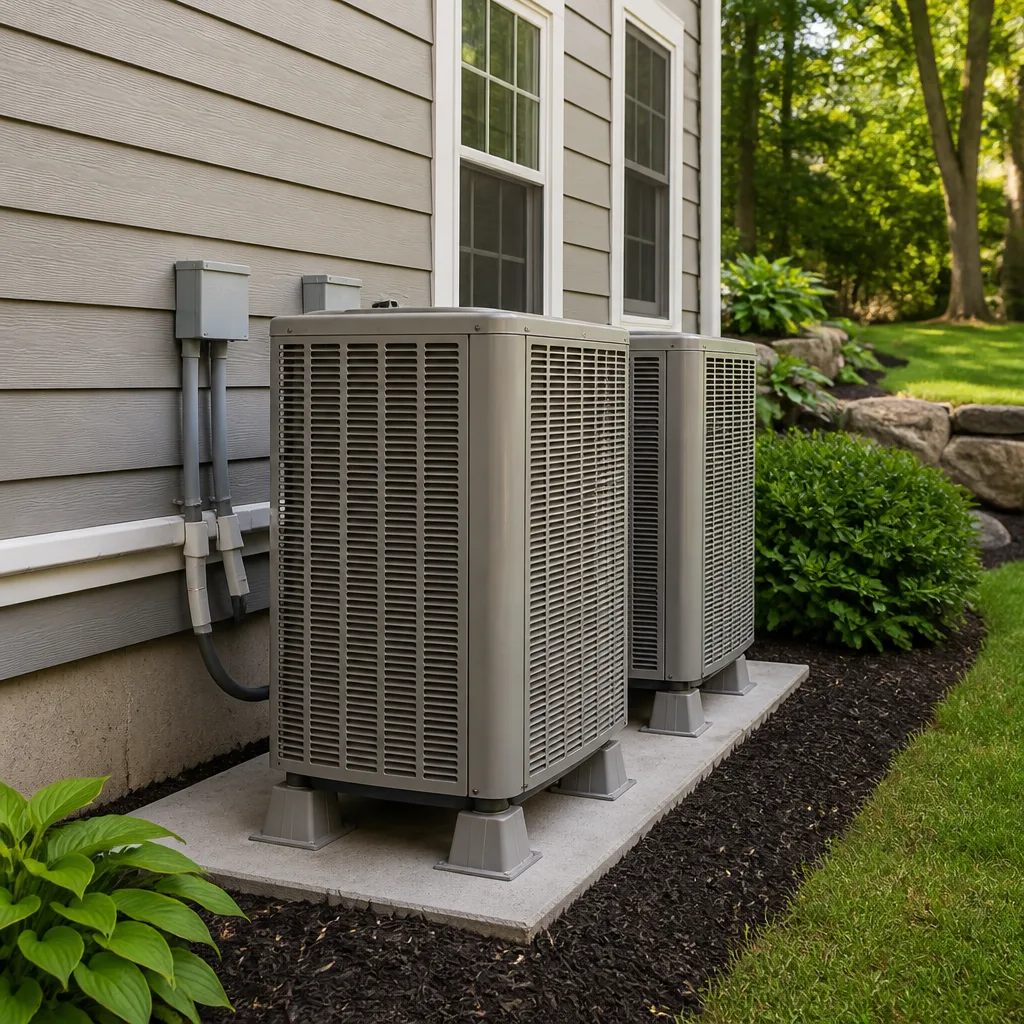 Heat pumps
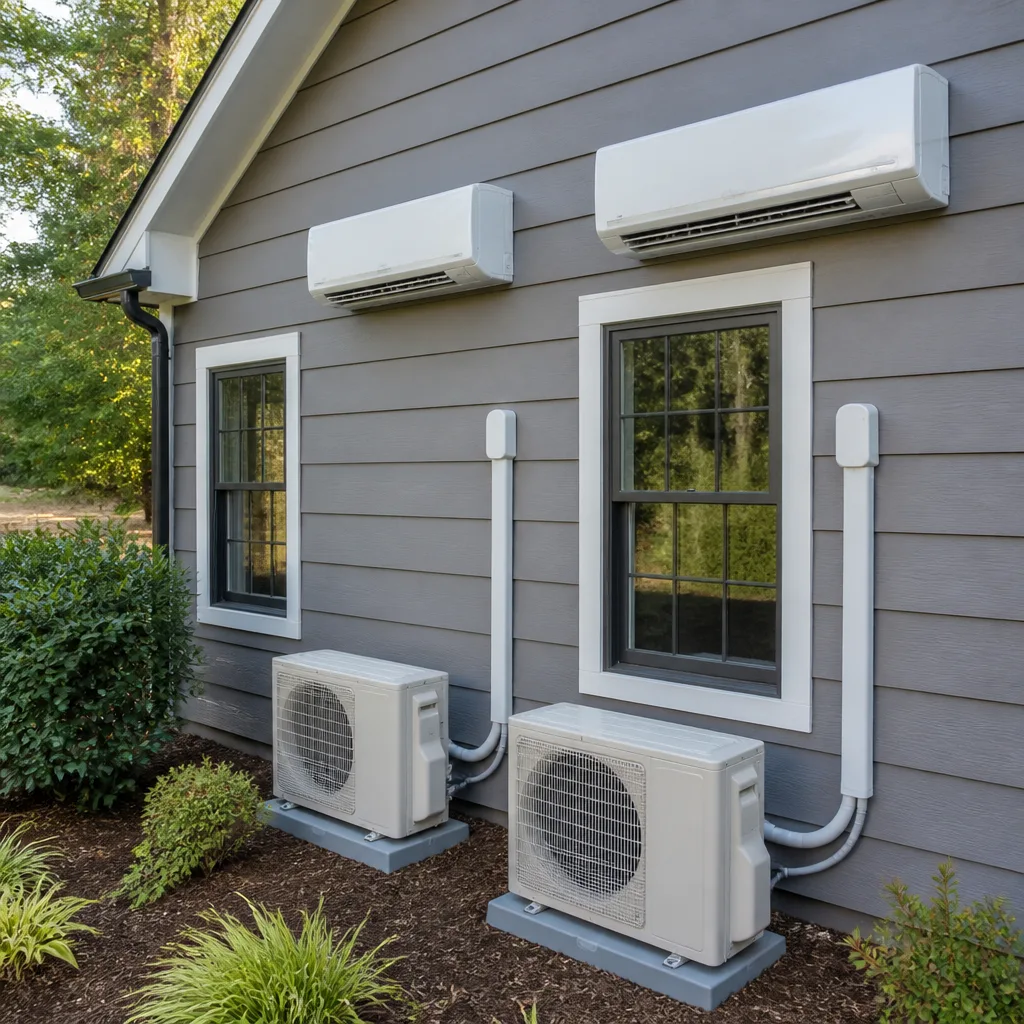 Ductless mini splits
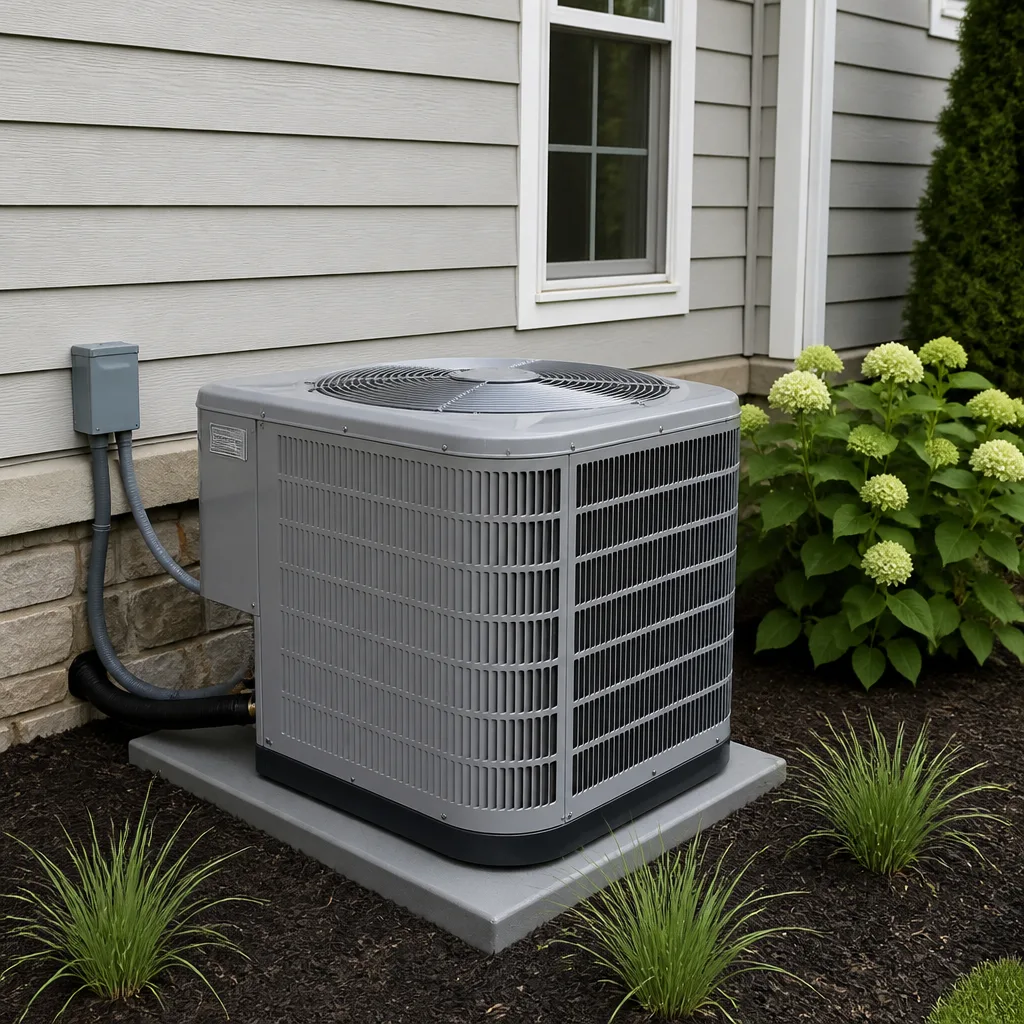 Carrier
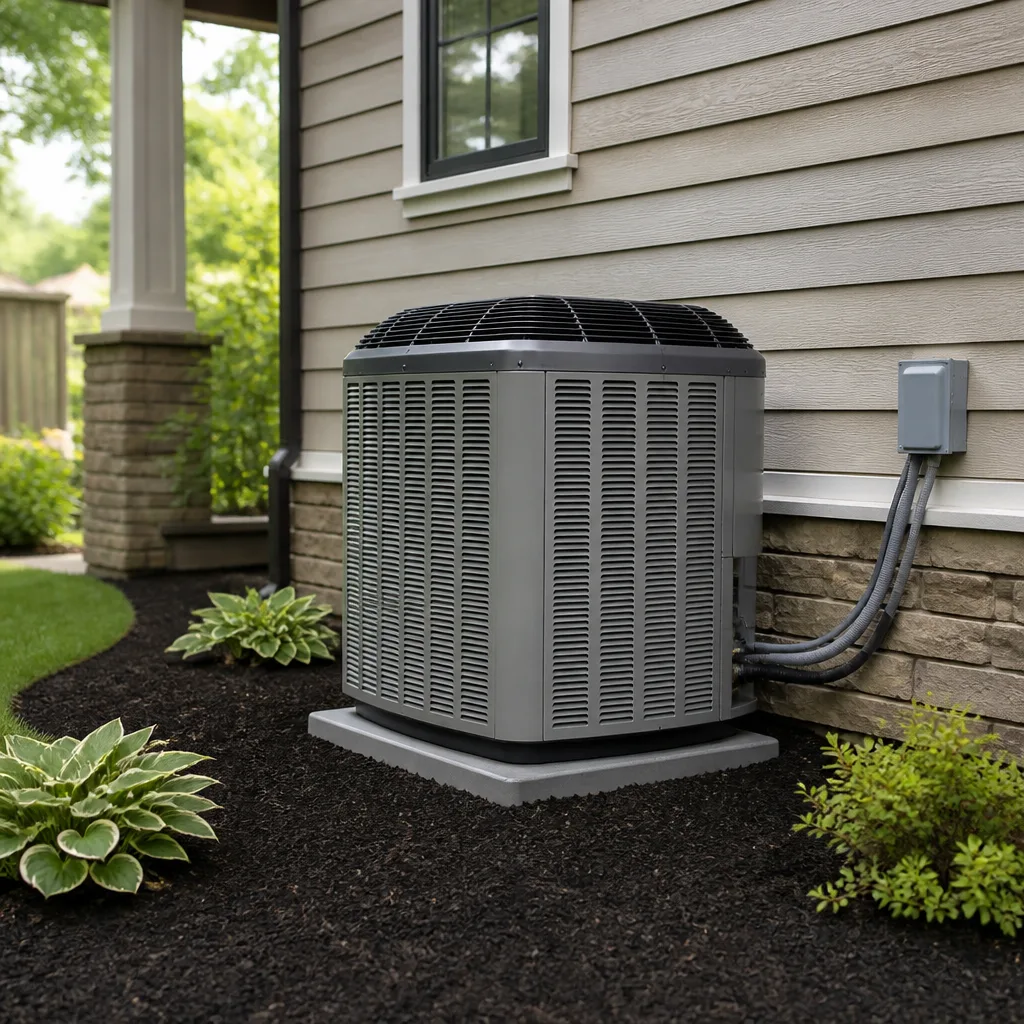 Trane
Trane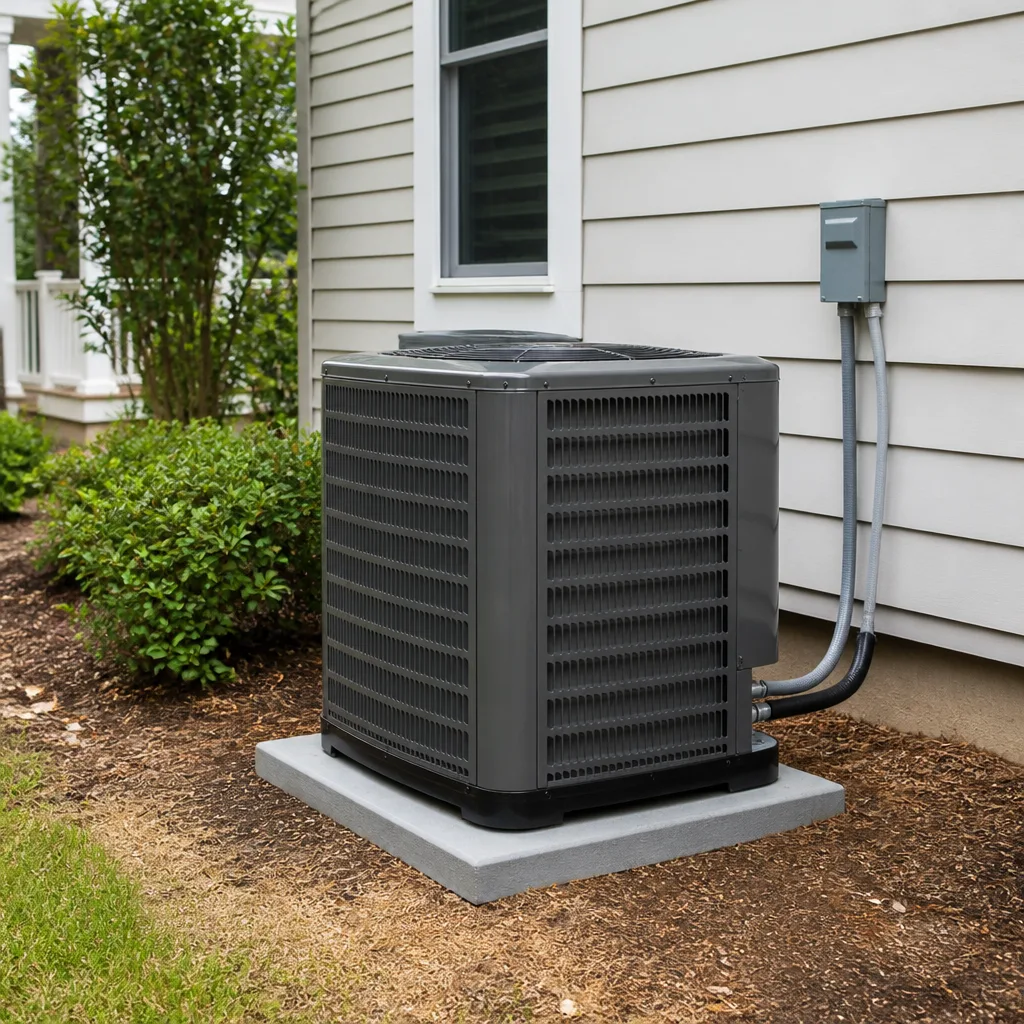 Goodman
Seasonal tune-up and full diagnostic on your Carrier, Trane, or Goodman system - readings shown to you before any repair is proposed
Diagnosis first, numbers second - you approve the repair price before a single part goes in.
Get your free estimateLennox Ductwork Repair: The New York Owner’s Guide
We repair and replace Lennox ductwork throughout New York, and most jobs run between $225 and $875 installed, depending on how much duct has failed and how hard it is to reach. We stock common Lennox-compatible duct sections, collars, elbows, and flex runs on our trucks, so a technician can usually diagnose and patch the problem in a single visit. The most common way New York owners discover a duct problem is a room that suddenly won’t heat or cool like it used to, or a soft hissing sound behind a wall that wasn’t there before.
Ductwork is the delivery system for every dollar your Lennox system spends. When a joint separates in an unconditioned crawlspace or a section of flex duct gets crushed in a Manhattan closet chase, your system keeps working, but the air never gets where it’s supposed to go. In a New York apartment or rowhouse, that often means a bedroom that stays ten degrees colder than the living room, or a heating bill that climbs for no obvious reason. Victor Mancini has seen enough of these to say plainly: the duct is usually the last thing checked and often the first thing wrong.
Which Lennox Models This Applies To
This work applies to any Lennox split system or packaged unit in your New York home, from the entry-level Merit series up through the Elite and Dave Lennox Signature lines. The unit itself matters less than the duct configuration, but there is one compatibility detail worth knowing: Lennox systems built in the last 15 years often ship with R-6 insulated flex duct in 6, 8, 10, and 12-inch diameters, while older New York installations frequently used 7-inch and 9-inch round metal pipe. If your home was built before 1995, there’s a good chance the duct is an odd size that a supply house no longer stocks off the shelf.
When we replace a section, we match what’s actually there, not what the manual says should be there. That means measuring the existing collar, checking the R-value stamped on the insulation jacket, and confirming the Lennox model number if the duct connects directly to a unit transition. For the OEM-versus-aftermarket decision: Lennox-branded duct components are generally manufactured to the same spec as quality aftermarket equivalents, but the aftermarket option often gives you heavier-gauge flex or better insulation for the same money. We’ll give you the choice and tell you what we’d put in our own home.
Styles & brands we work with
Signs Your Lennox Ductwork Repair Is Failing
- One room won’t reach temperature. This is the classic. A separated duct joint or a crushed flex run means that zone simply isn’t getting air. The Lennox system runs longer to compensate, which wears the blower motor faster.
- A soft hissing or whistling behind a wall or in a closet. Air escaping through a small gap under pressure makes a distinct sound. It’s often mistaken for a plumbing leak. If you hear it only when the system is running, it’s the duct.
- Dust accumulating around registers or on certain walls. When a return-side duct pulls air through a gap, it also pulls in whatever is around that gap, including dust from inside wall cavities. The register itself may look dirtier than others in the house.
- Your energy bill rose without a rate increase or usage change. Leaky ducts in New York unconditioned spaces mean your Lennox system runs harder to hit the same thermostat setting. We regularly see 20-30% of conditioned air lost in older homes.
- A musty or stale smell when the system first kicks on. A gap on the return side can draw air from a crawlspace or wall cavity rather than from your living space. That air quality difference is often noticeable within seconds.
See the difference
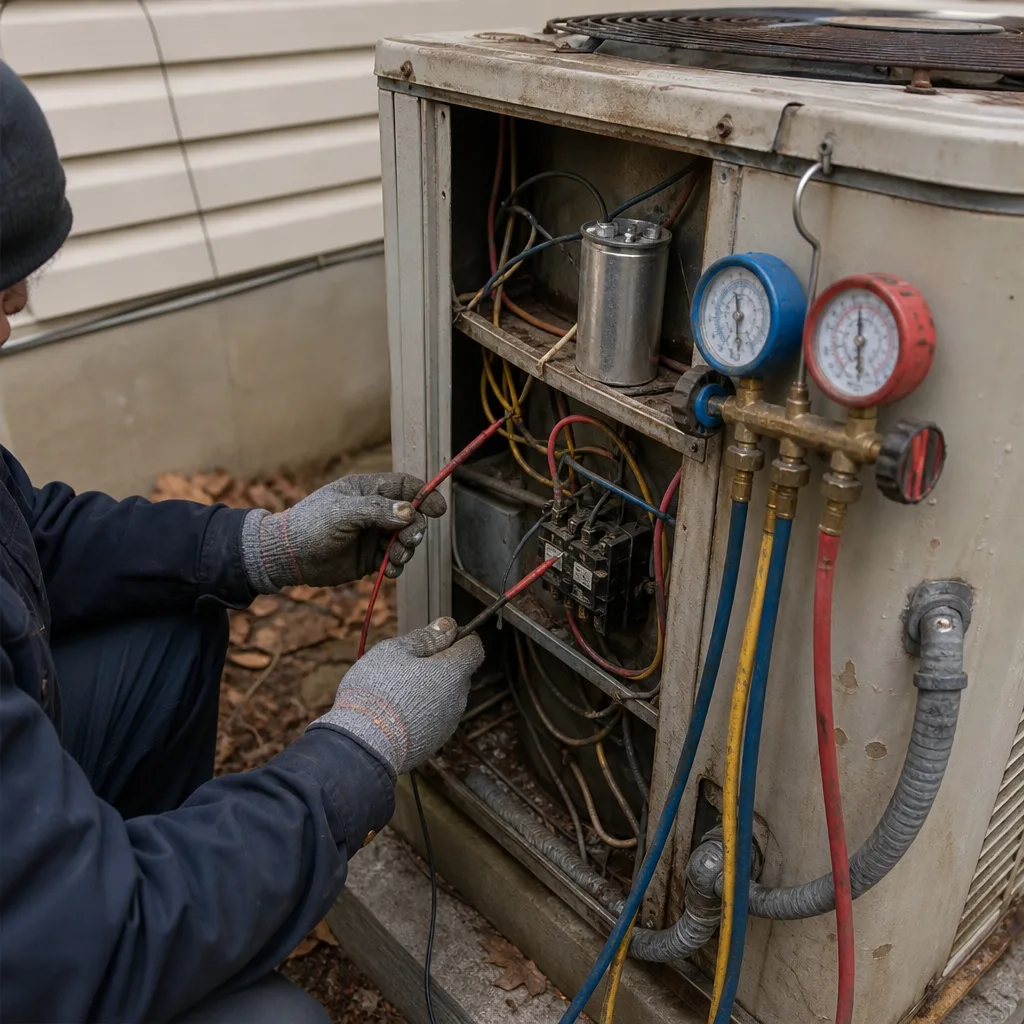 Before
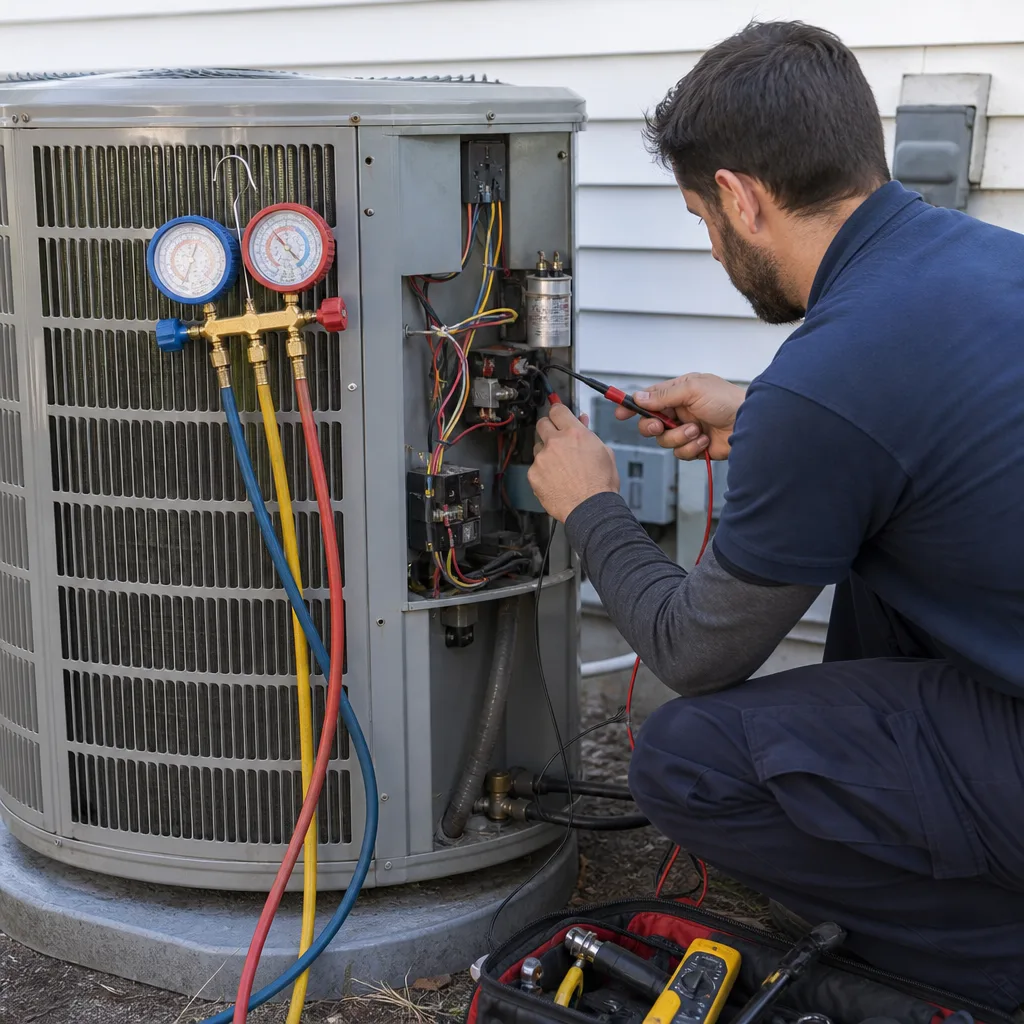 After
After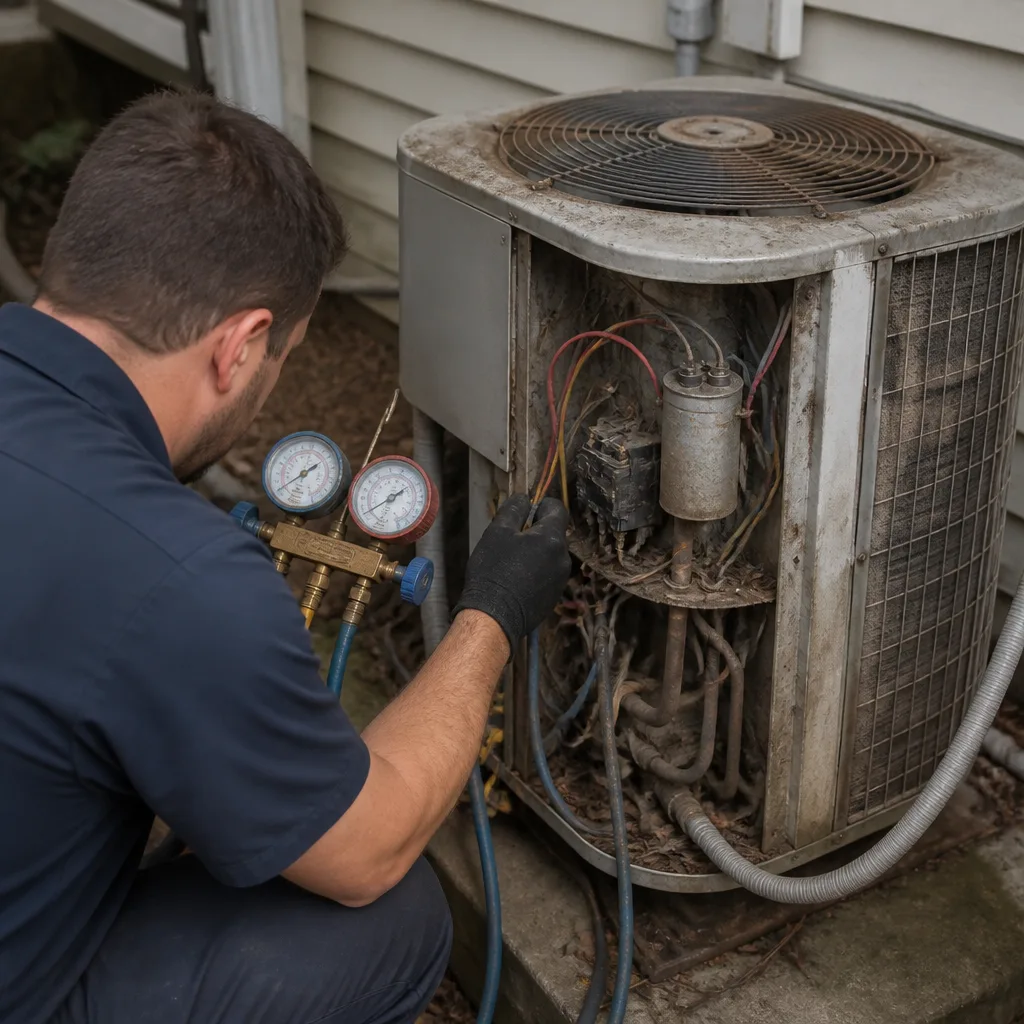 Before
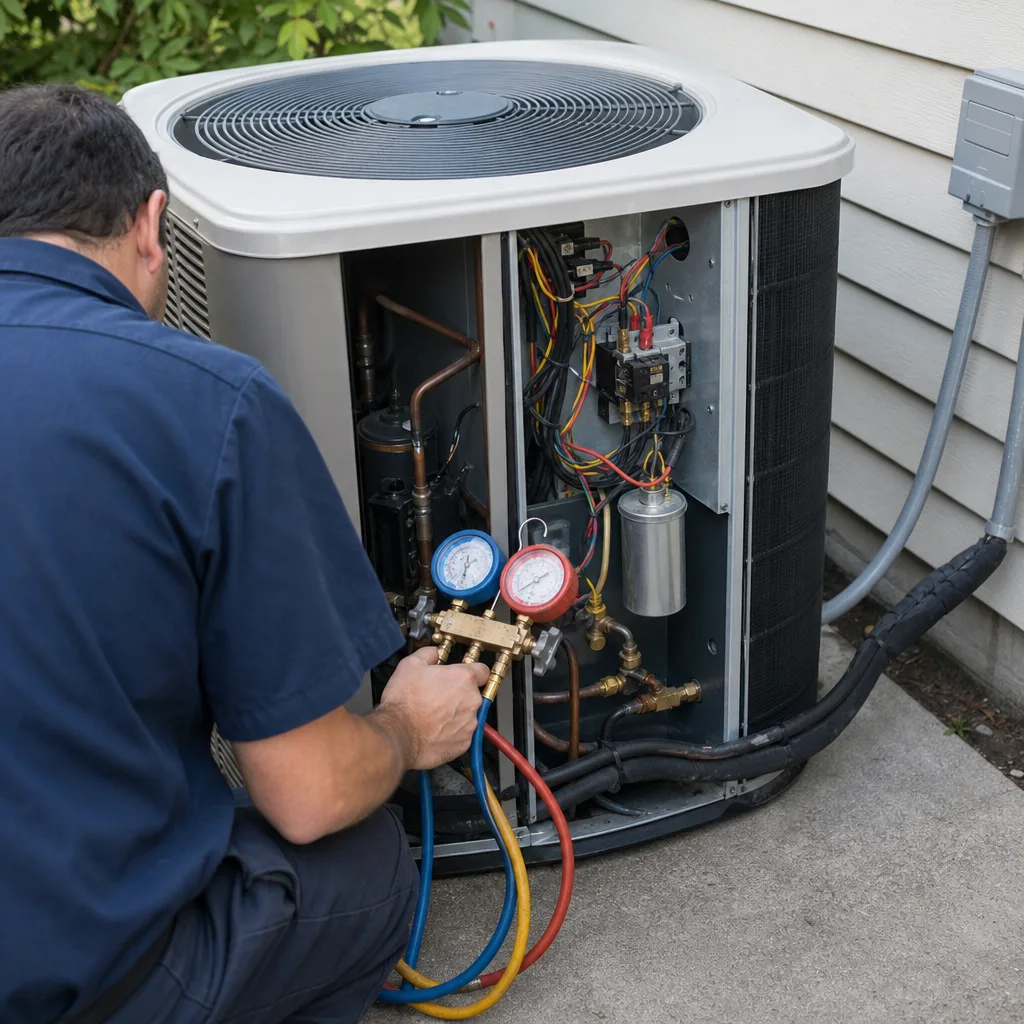 After
After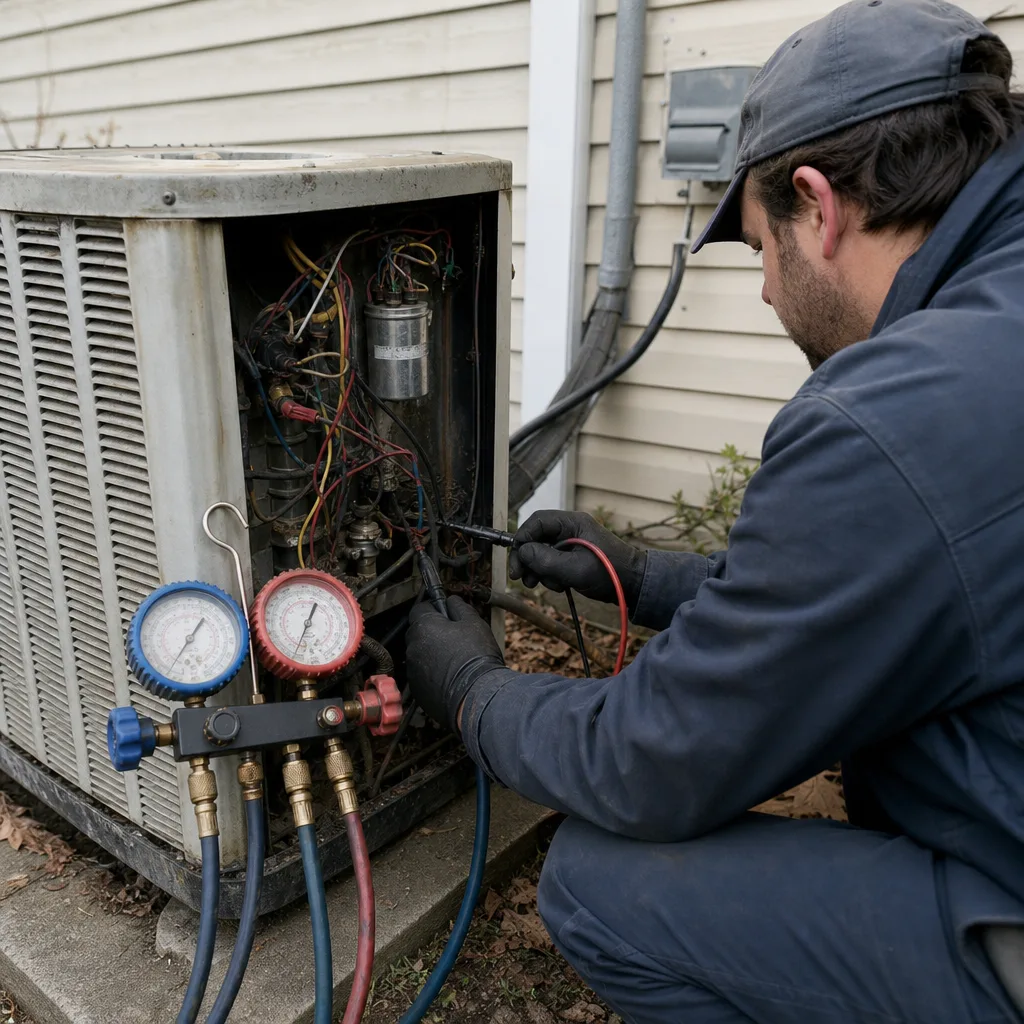 Before
 After
AfterReplacement Cost & What’s Included
In New York, a straightforward duct repair, replacing a collapsed flex run or resealing a separated joint, typically runs $225 to $875 installed. The range depends on three things: how much duct needs replacement, how accessible it is, and whether we’re matching an uncommon size that requires a supply house order. Small jobs like replacing a single 6-foot flex run in an accessible basement commonly land near the bottom of that range. A full branch replacement through a finished ceiling in a prewar building lands near the top.
Every job includes the written price before any work begins, the parts, the labor, a clean worksite when we leave, and our 365-Day Done Right Promise in writing. That promise says if the duct repair fails within a full year, we come back and correct the work at no charge. No prorating, no “that part isn’t covered” conversation. It’s on paper before the technician leaves your New York home.
DIY or Call Us?
Ductwork itself isn’t dangerous to handle the way a gas line or electrical panel is, but the work is rarely as simple as it looks. The parts of a duct system you can see are only a fraction of what’s there. Sections run through walls, floors, and chases that require cutting access and patching afterward. A poorly fitted replacement section, even a small one, creates the exact air leak you were trying to fix, and it can change system static pressure in ways that shorten blower motor life.
What you can safely do is inspect what’s visible: check the registers, look at any exposed duct in the basement or attic, and feel for obvious gaps where sections meet. If you find something, the honest answer is that most Lennox duct repairs in New York are done in one visit by a technician who has the right size on the truck. Call (934) 465-5501 if you suspect a duct problem. We’ll tell you over the phone what to look for, and if a visit makes sense, you’ll get a firm arrival window and a written price before anything is touched.
FAQs
Flex duct typically lasts 15 – 25 years in New York’s climate, and rigid metal duct can last 50 years or more, but joints, tape, and insulation degrade much faster. Tell me what it is doing, and I will tell you what it needs, no guesswork, no surprises. In practice, we see failures in New York homes at the 12 – 20 year mark, usually at connections and bends rather than in the middle of a straight run.
Yes, and in most cases it should be. Isolated damage, a separated joint, a crushed flex section, or a failed collar can be repaired for a fraction of what a full replacement costs. Full replacement is only necessary when the system has widespread issues: rusted-out metal, mold, collapsed insulation, or a duct design that was wrong from the start. Call (934) 465-5501 and we’ll tell you which situation you’re in.
Most repairs take 2 to 4 hours. A single flex run replacement in an accessible area can be done in under 2. Repairs that require opening a wall or ceiling, or that need a supply house run for an uncommon size, can extend the job into a second visit, but we’ll tell you that before we start.
Yes. Our trucks carry 6, 8, 10, and 12-inch flex, collars, elbows, pipe, sealant, and foil tape. The odd 7-inch and 9-inch sizes common in older New York homes may require a same-day supply house pickup, which we absorb into the original written price. We also stock parts for Carrier and Trane systems, so the technician who arrives can handle whatever your home actually has.
Written by Victor Mancini, Owner, Cold Harbour Heating and Air New York at Cold Harbour Heating and Air New York, serving New York and nearby areas.