
 Furnace & heating
 AC repair
 Heat pumps
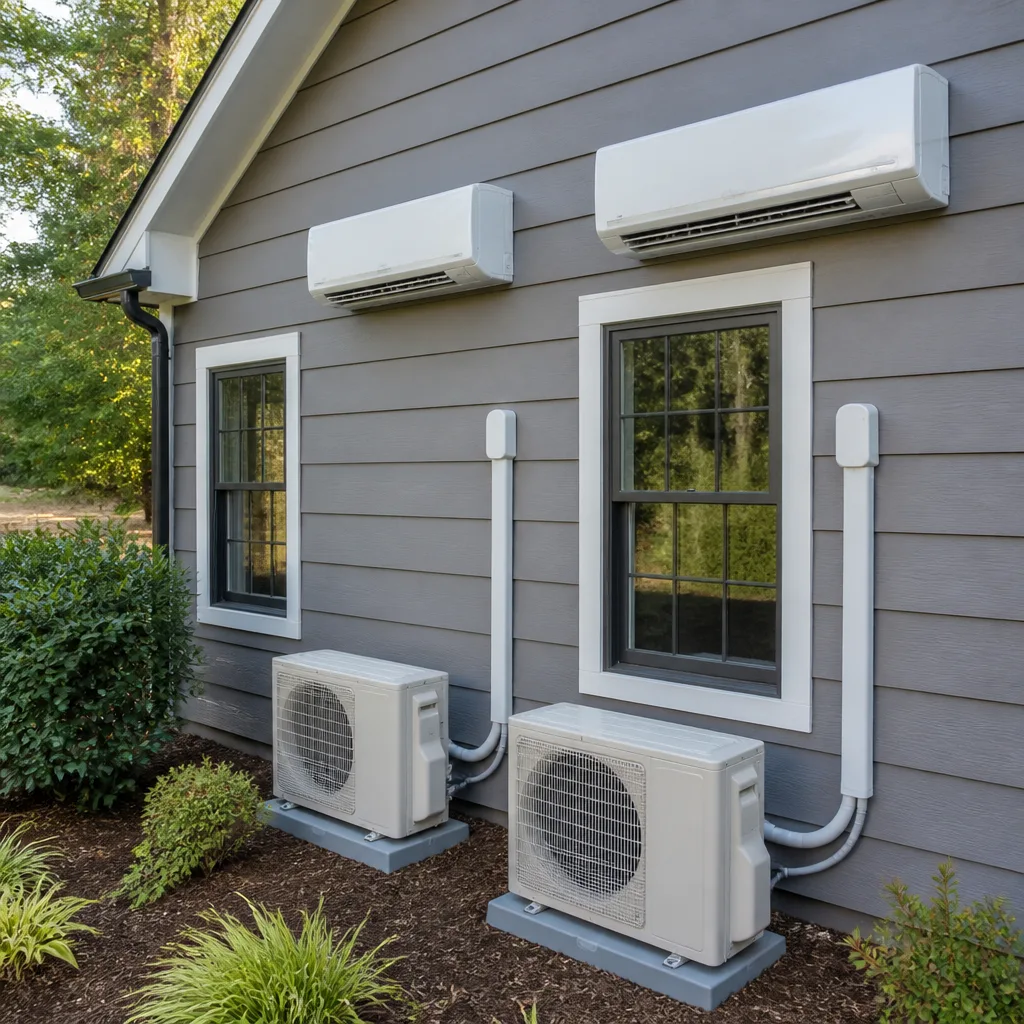 Ductless mini splits
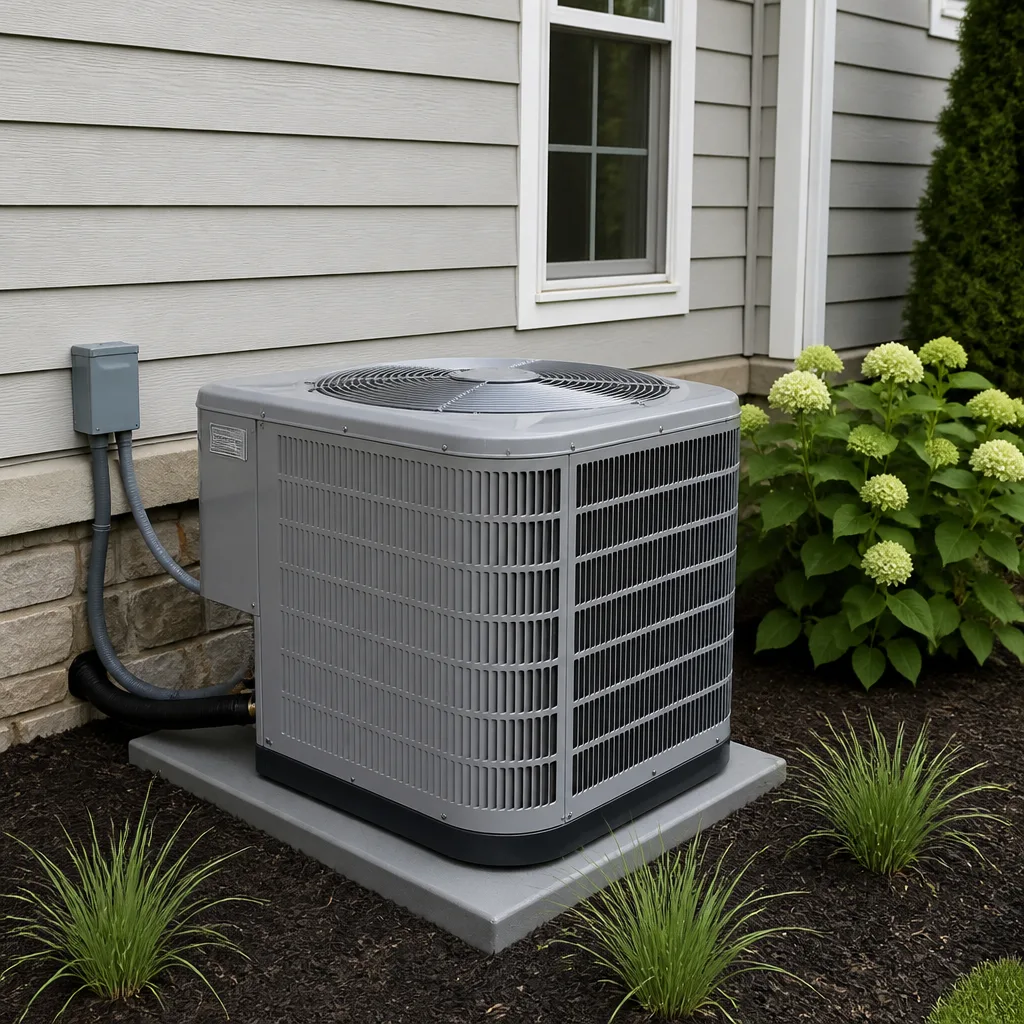 Carrier
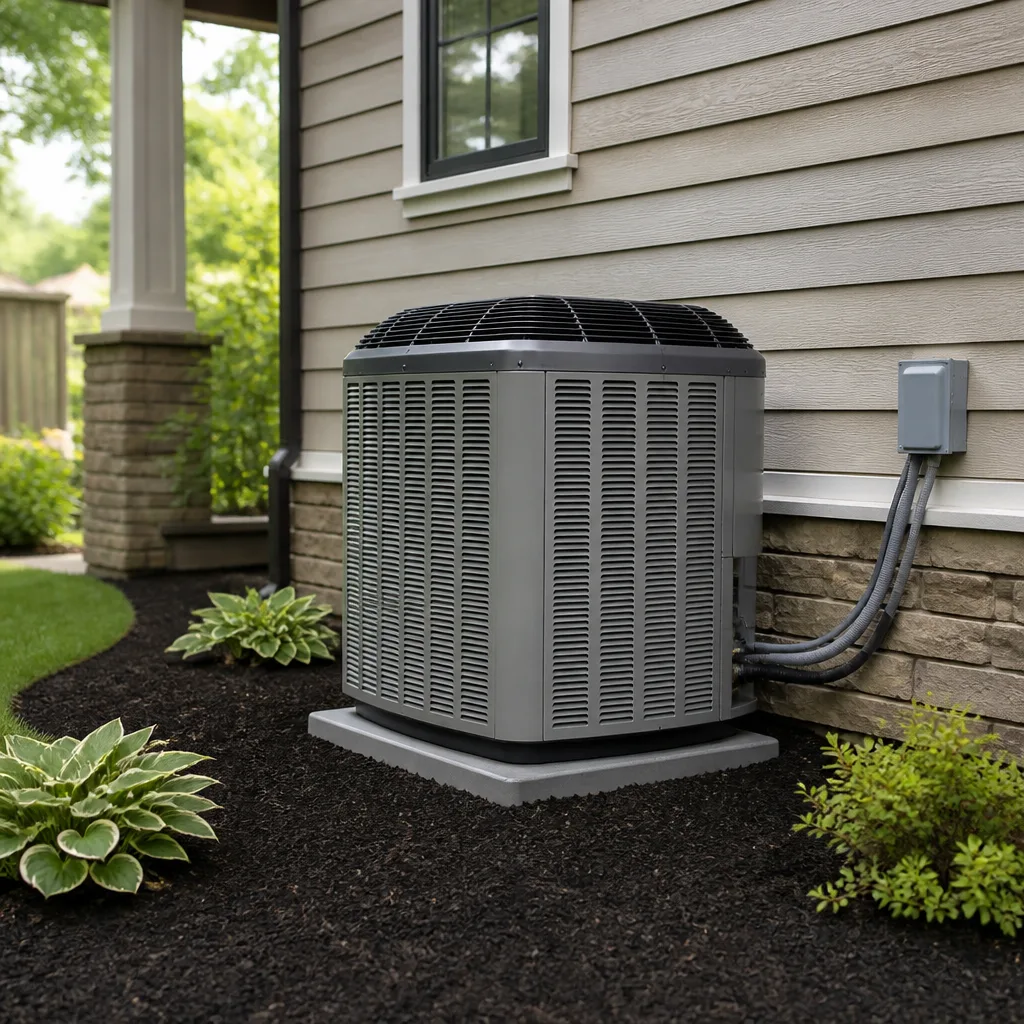 Trane
Trane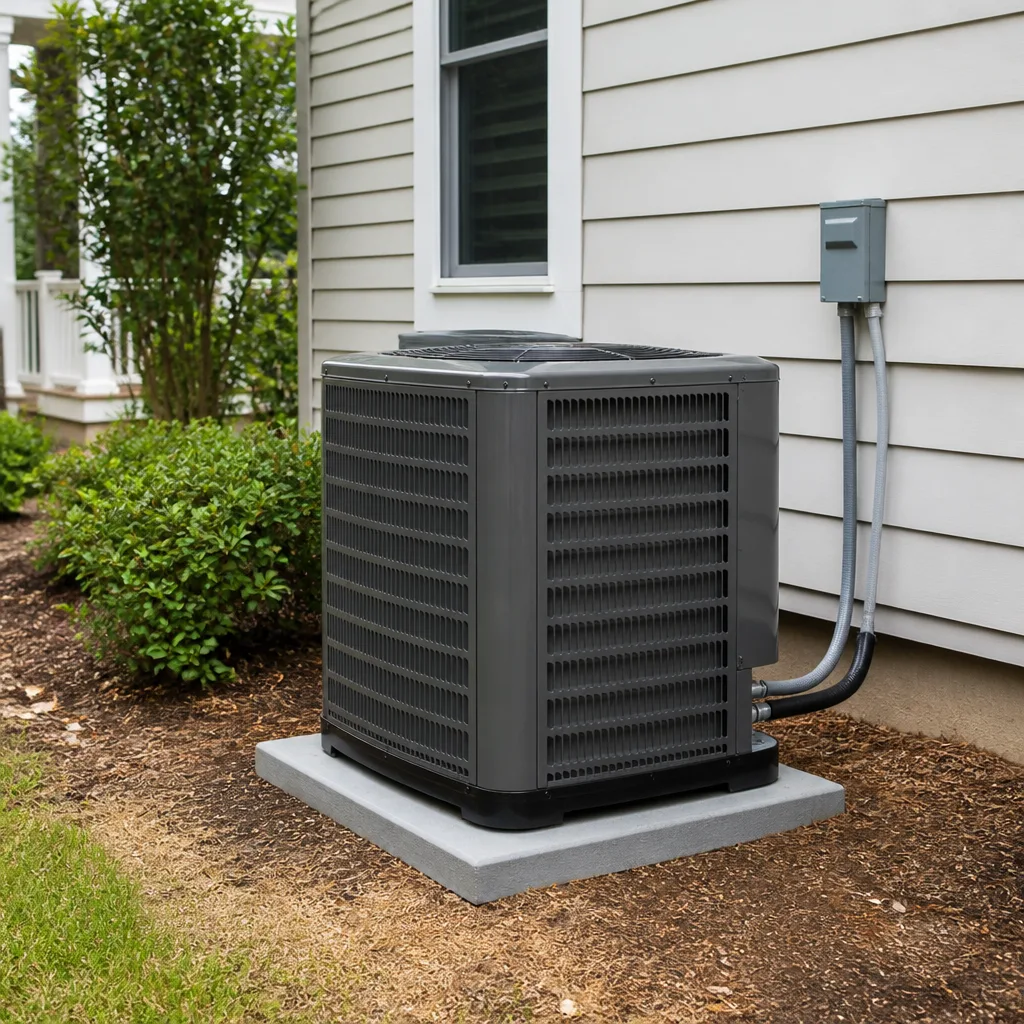 Goodman
Seasonal tune-up and full diagnostic on your Carrier, Trane, or Goodman system - readings shown to you before any repair is proposed
Diagnosis first, numbers second - you approve the repair price before a single part goes in.
Get your free estimateRheem Mini-Split Installation: The New York Owner’s Guide
Rheem mini-split installation in New York typically runs $4,130 – $8,850 depending on system size, number of indoor heads, and the complexity of running line sets through older construction. We stock Rheem-compatible mounting hardware, line sets, condensate pumps, and electrical disconnects on our trucks, so most installations are scheduled within days, not weeks. The most common way owners discover a problem is not a dramatic failure at all: a wall unit that drips on a hot afternoon, a whining line-set connection, or a mounting bracket that has pulled two inches off a plaster wall in a prewar building.
If your Rheem mini-split was installed by someone who did not account for New York’s particular quirks – brick party walls, steam risers, window guards, roof decks, and apartments where the condenser has to live on a fire escape or a setback – you are probably here because something is not quite right. We have seen every version of that job, and we fix them the same way every time: price first, in writing, before a single tool comes out.
Which Rheem Models This Applies To
This page covers the Rheem Performance and Rheem Classic series of ductless mini-splits, including the single-zone and multi-zone heat pump models most common in New York apartments and row houses. Within those lines, compatibility comes down to three things we check on every call: the BTU rating on the indoor head’s data plate, the pipe diameter of the line set (most Rheem residential units use 1/4-inch liquid and 3/8-inch suction, but some of the larger 24k and 36k BTU units step up to 3/8 and 5/8), and the electrical nameplate amperage that determines whether your panel can handle a dedicated circuit.
A compatibility gotcha we see a lot in New York: homeowners or handymen buy a universal wall-mount bracket online and find it does not line up with the Rheem unit’s rear mounting slot spacing. Rheem units have specific hole patterns, and forcing a generic bracket usually ends with the unit not seating against the gasket, which lets cold air back in around the sleeve. We carry the correct Rheem-pattern brackets on the truck.
As a general rule, we install genuine Rheem components where the part touches refrigerant or electrical – flare nuts, wiring harnesses, condensate fittings – and we are comfortable with quality aftermarket brackets, covers, and line-set insulation where the spec is simple and the fit is standard. We are an independent service provider, not a Rheem dealer, so we are free to pick the part that actually makes sense for your system and your building. We also stock parts for Carrier, Trane, and Lennox mini-splits.
Styles & brands we work with
Signs Your Rheem Mini-Split Installation Is Failing
- The indoor unit drips water down the wall or onto the floor. Most often this is a sagging or undersized condensate line. Over time, a poorly routed line in a New York apartment collects dust and sludge, backs up, and the pan overflows. We see this regularly in Astoria walk-ups where the original installer ran the drain line without any downward slope.
- You feel a cold draft or see daylight around the wall penetration. That means the wall sleeve or line-set chase was never sealed properly. In a city with this kind of winter, an unsealed penetration is also a Mouse Superhighway into your apartment. We use UV-rated sealant and stainless-steel mesh on every exterior penetration.
- The outdoor condenser sounds like it is gasping for air. A condenser jammed against a parapet or boxed in by window guards gets starved for airflow. Rheem units need a specific clearance – usually 12 inches on the intake side and 24 inches on the service side – and we measure that on every install because a suffocated condenser runs hot and dies young.
- You hear a high-pitched whine or bubbling noise inside the wall. Bubbling often means the line set was undercharged or has a slow flare leak. A whine can be a kinked line set rubbing against a masonry chase. Both are fixable, but not by ignoring them.
- The unit was installed in the last two years and already needs a compressor or inverter board. That usually points to a botched flare connection, wrong wire gauge, or a condenser mounted where water pools and rots the base pan. A properly installed Rheem mini-split in normal New York use should go ten to fifteen years before any major component work.
See the difference
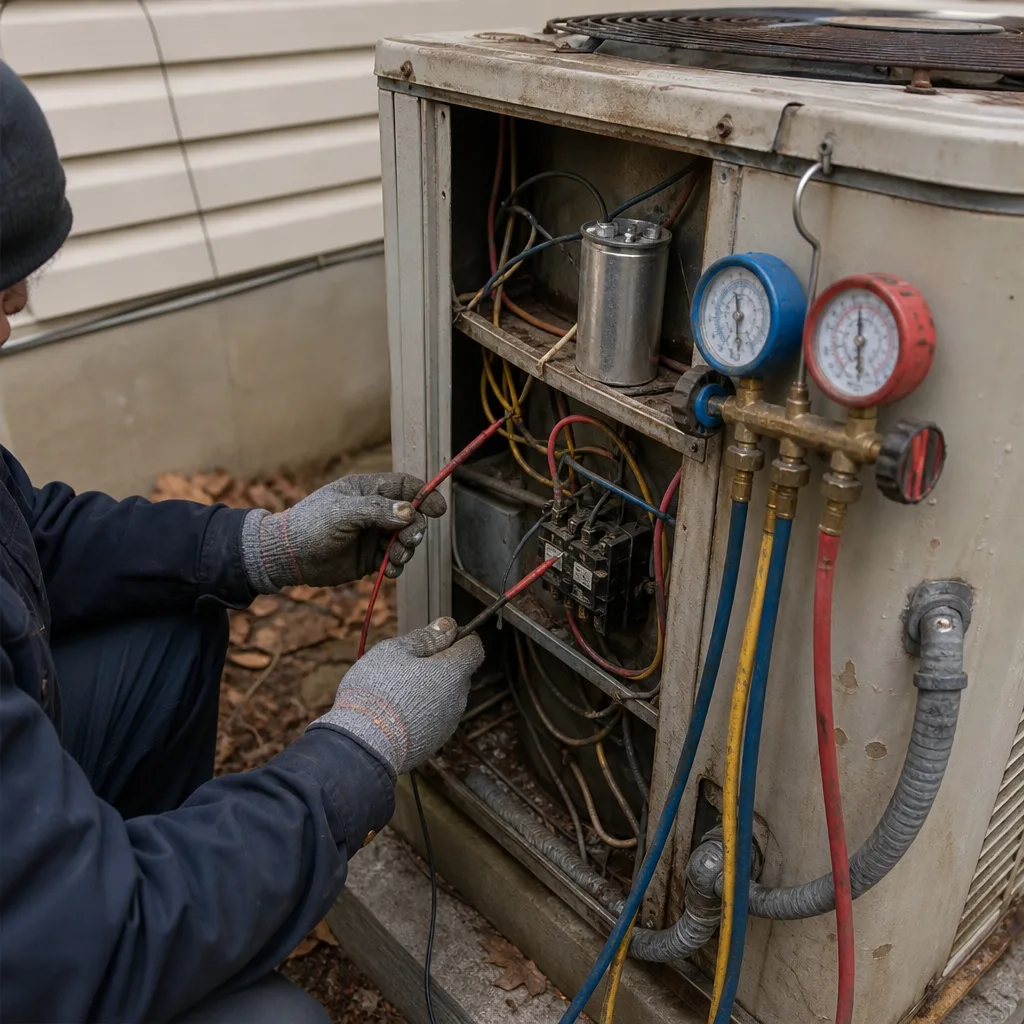 Before
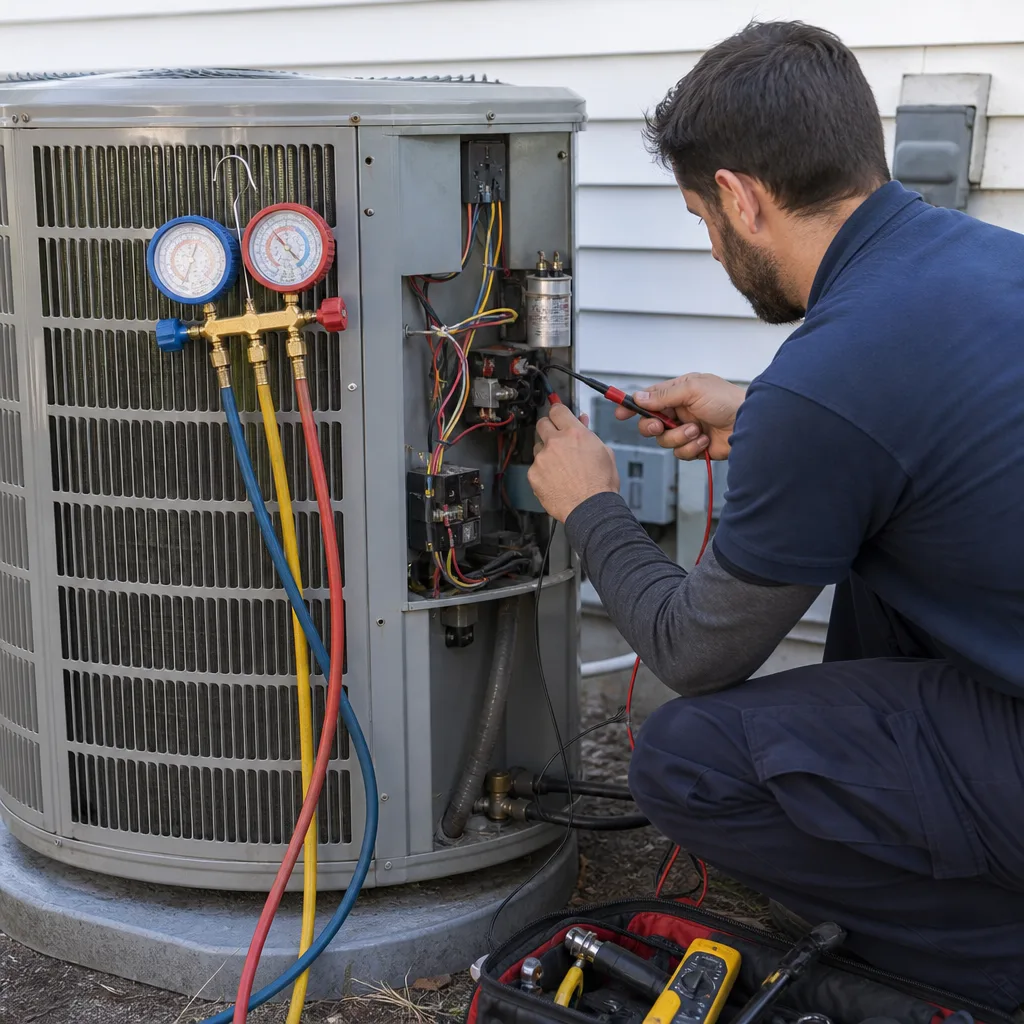 After
After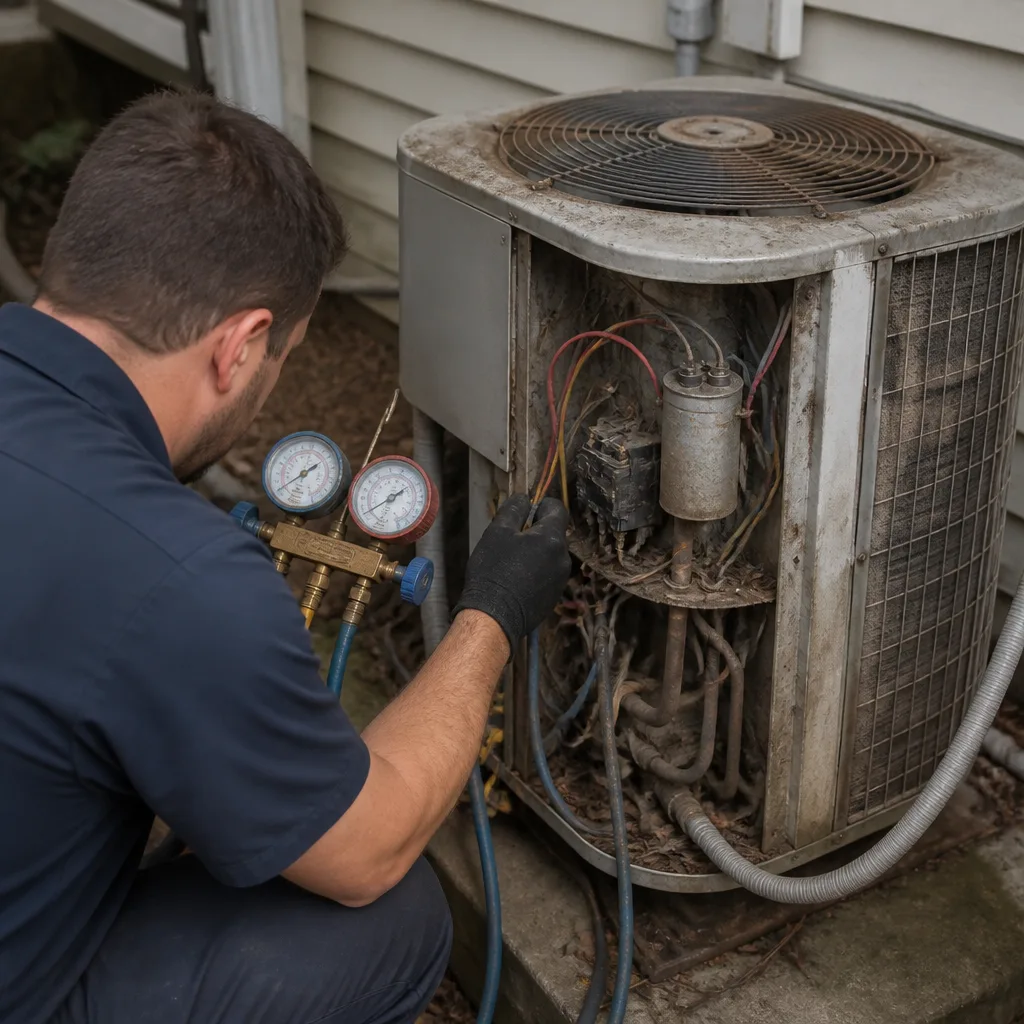 Before
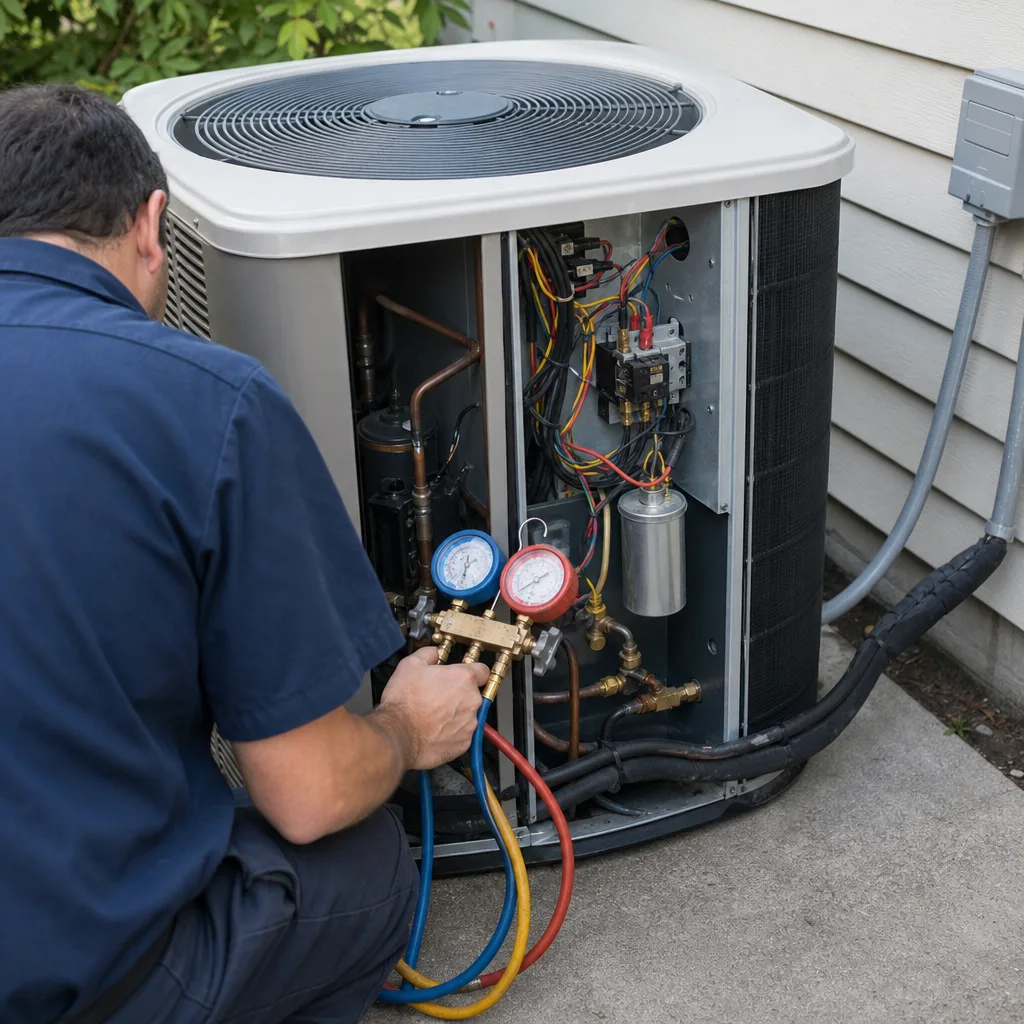 After
After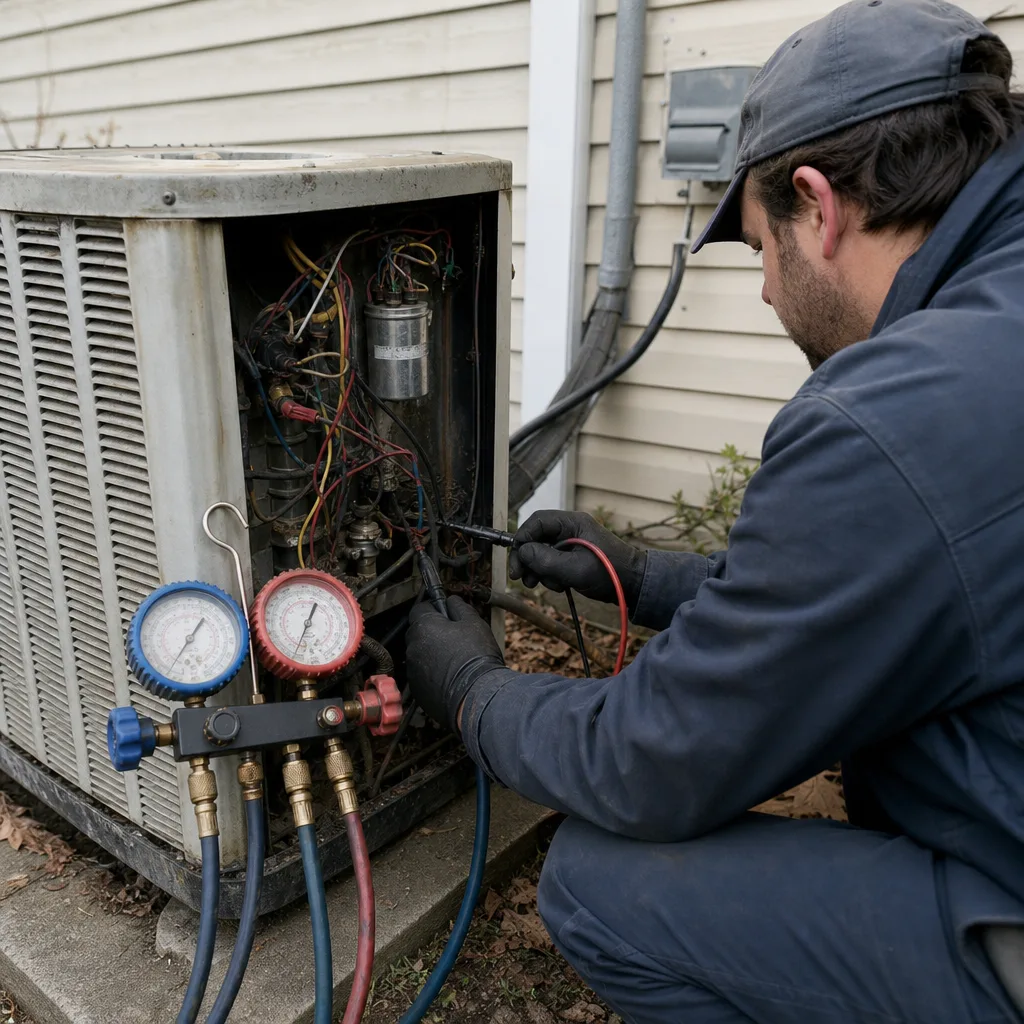 Before
 After
AfterReplacement Cost & What’s Included
For planning purposes, here’s what Rheem mini-split installation work costs in New York right now:
- Single-zone replacement or new install: $4,130 – $6,200 installed, depending on line-set run length and electrical access
- Two-zone or three-zone system: $5,800 – $8,850 installed, including manifolded line sets and dedicated disconnect boxes
- Condensate pump replacement or drain-line re-route: $175 – $375 as part of a larger job
- Wall bracket or mounting plate replacement (head unit only): $225 – $485 including resealing the penetration
Every price we hand over is written down before work begins, and it does not change at the door. That includes the unit itself if it needs replacing, all refrigerant and flare fittings, the electrical disconnect, the line-set cover, and the labor to do it in one visit where physically possible. Any repair or replacement work we do carries our 365-Day Done Right Promise: if the repair fails within a year, we come back and make it right at no charge, with the guarantee on paper before the technician leaves.
DIY or Call Us?
You can absolutely check a few things yourself before calling anyone. Make sure the air filter on the indoor head is not clogged, confirm the thermostat is calling for cool or heat correctly, and take a look at the condenser outside to see whether anything is blocking airflow – window guard bars, a trash bag, a tarp from the painters. Those checks cost nothing and often fix an airflow complaint.
What you should not do yourself is touch the refrigerant side. Mini-split line sets run pressurized refrigerant, and a flare fitting that’s been overtightened or cross-threaded can leak or, worse, rupture. That is a job for a trained hand with a refrigerant license and a torque wrench, not a Saturday project. If you are not sure whether your problem is mechanical or something you can clear yourself, call us at (934) 465-5501 and describe what the unit is doing. Tell me what it is doing, and I will tell you what it needs – no guesswork, no surprises.
FAQs
A properly installed Rheem mini-split in New York should give you ten to fifteen years before any major component failure. The wild cards are environmental: salt air near the water, a condenser wedged into a tight roof setback with no air movement, or a wall penetration that was never sealed and has spent five winters rusting the line set inside the chase.
Yes, in most cases. Dripping, drafts, noise, and short cycling are usually addressed by re-leveling the unit, replacing the condensate line, resealing the penetration, or rebuilding the flare connection. A full replacement only makes sense when the compressor or inverter board has gone and the unit is already six or more years old.
A standard single-zone swap on existing line sets and wiring usually takes our crew three to four hours. A full new installation with new line runs, a dedicated circuit, and condenser mounting on a roof or wall bracket runs a full day, sometimes a day and a half in older buildings with difficult access. We give you a firm arrival window before the work starts, and the technician who shows up is background-checked and uniformed.
Yes. Our trucks carry Rheem-pattern mounting plates, line sets in the common sizes, flare nuts and torque wrenches, condensate pumps, disconnects, and the sealant and mesh we use on every exterior penetration. That means most replacement jobs are one visit from diagnosis to done. Call (934) 465-5501 for an exact quote – estimates are free.
Written by Victor Mancini, Owner, Cold Harbour Heating and Air New York at Cold Harbour Heating and Air New York, serving New York and nearby areas.