
Last updated October 16, 2026
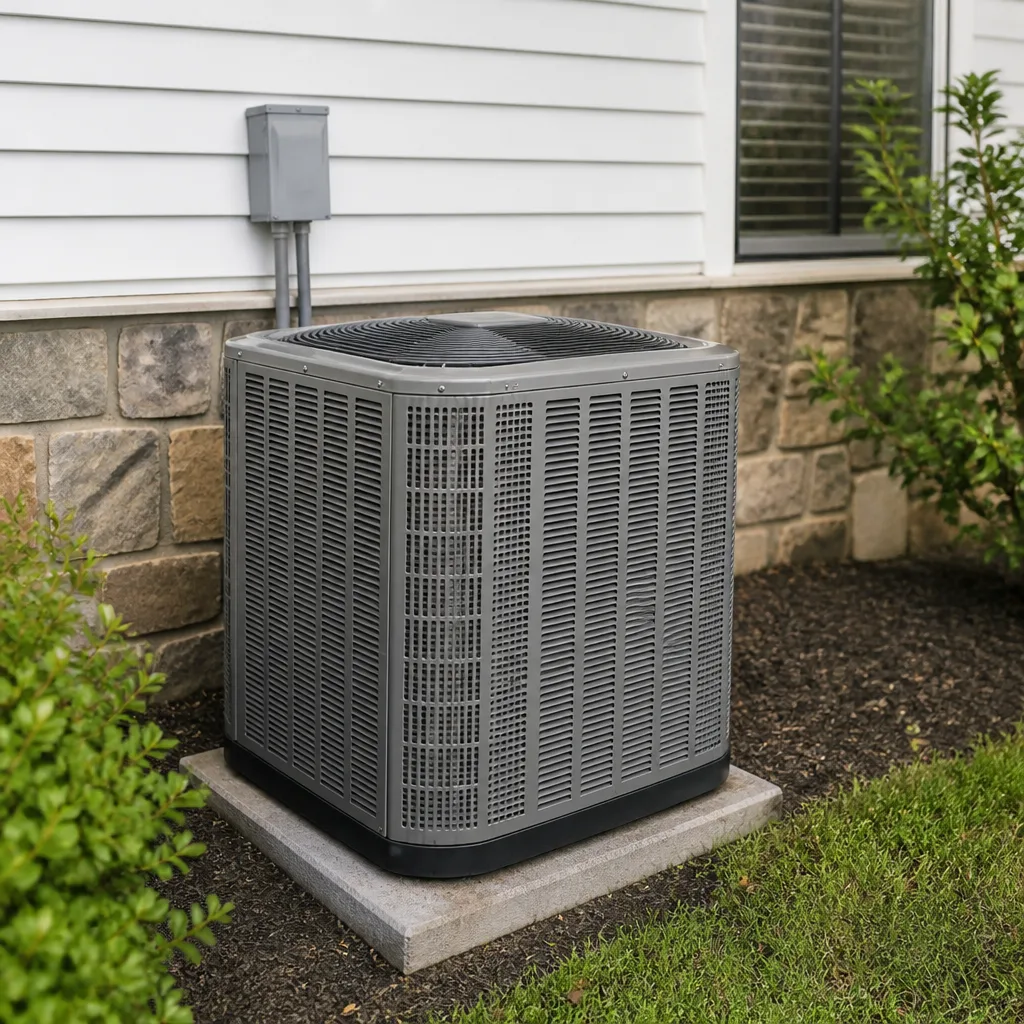 AC repair
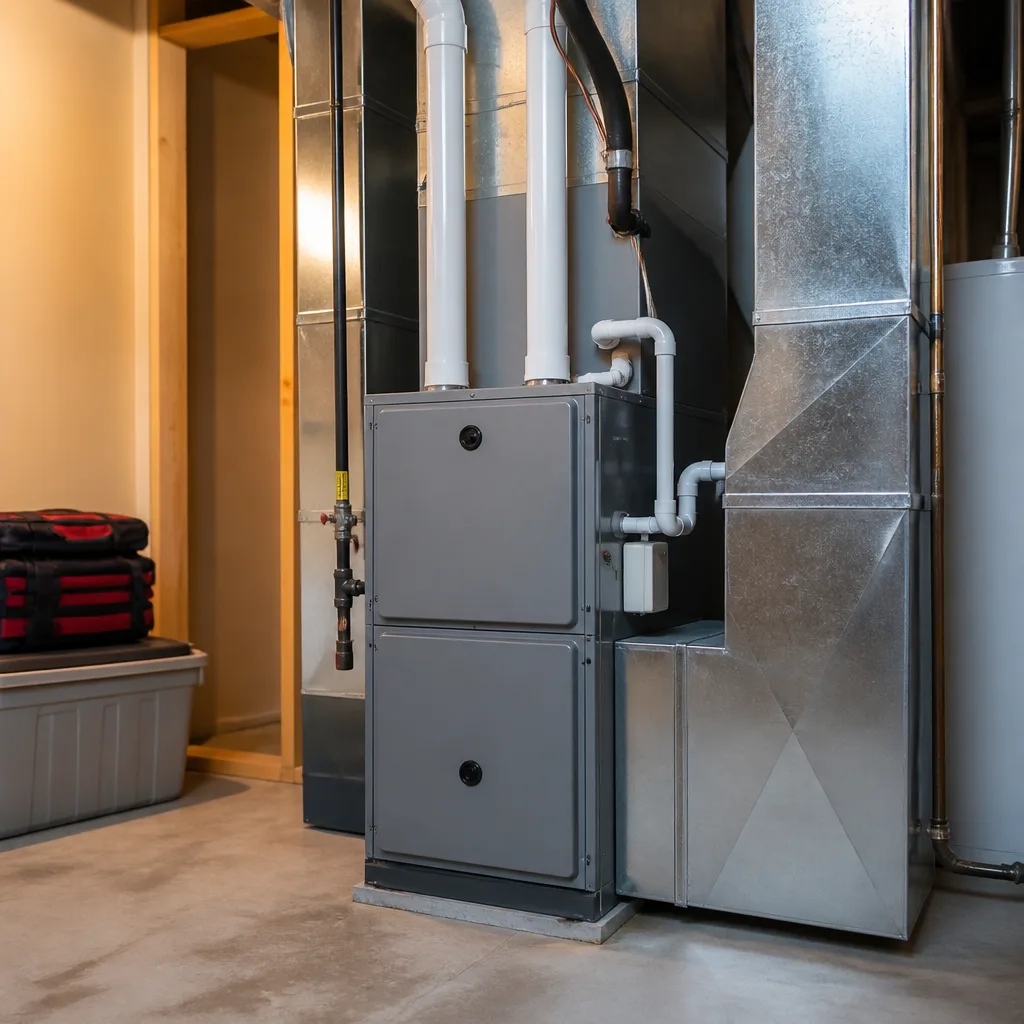 Furnace & heating
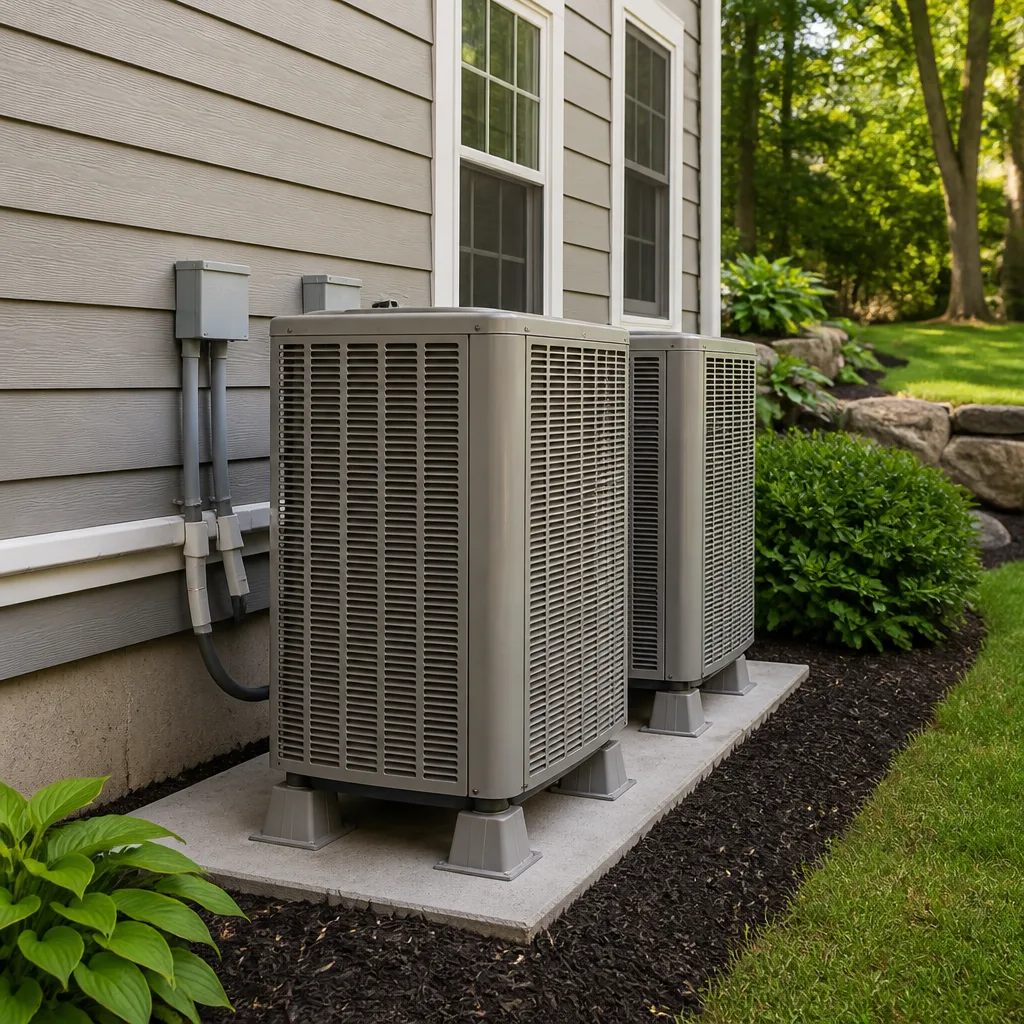 Heat pumps
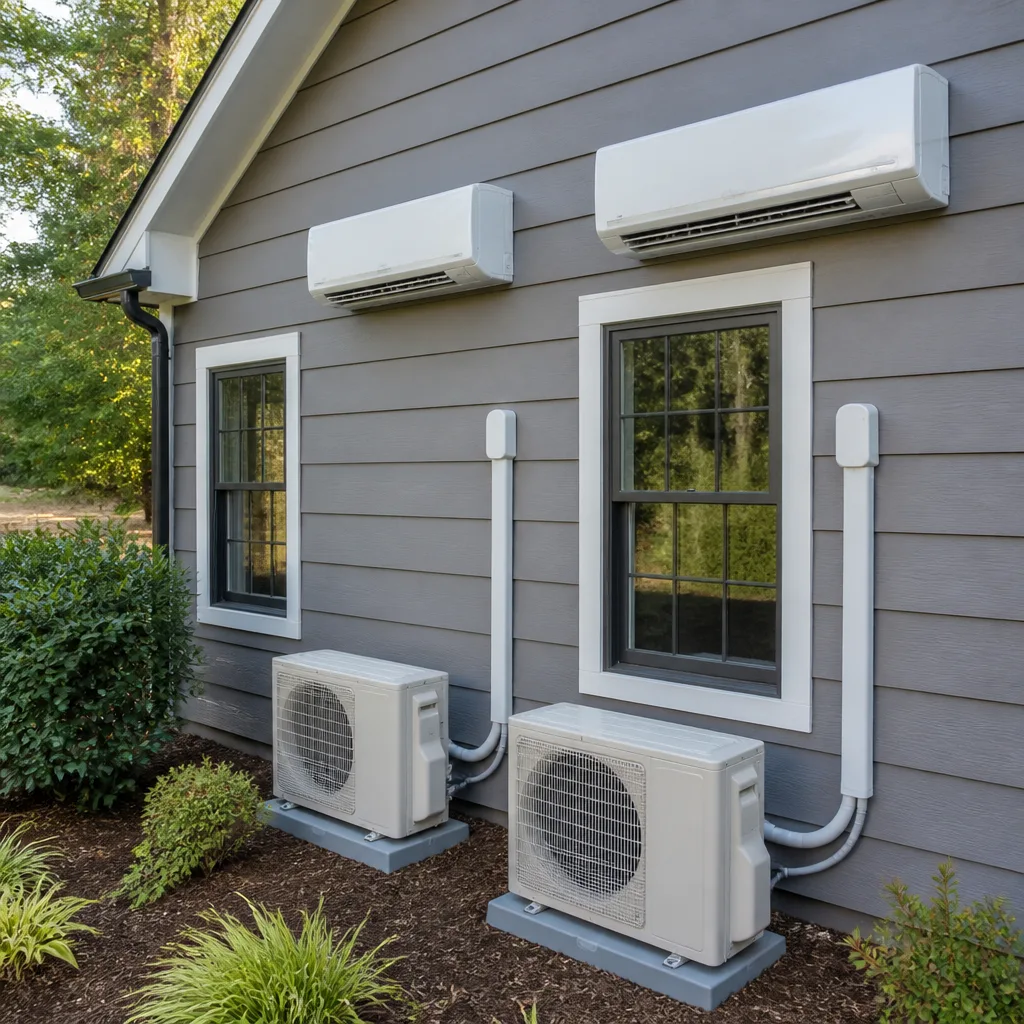 Ductless mini splits
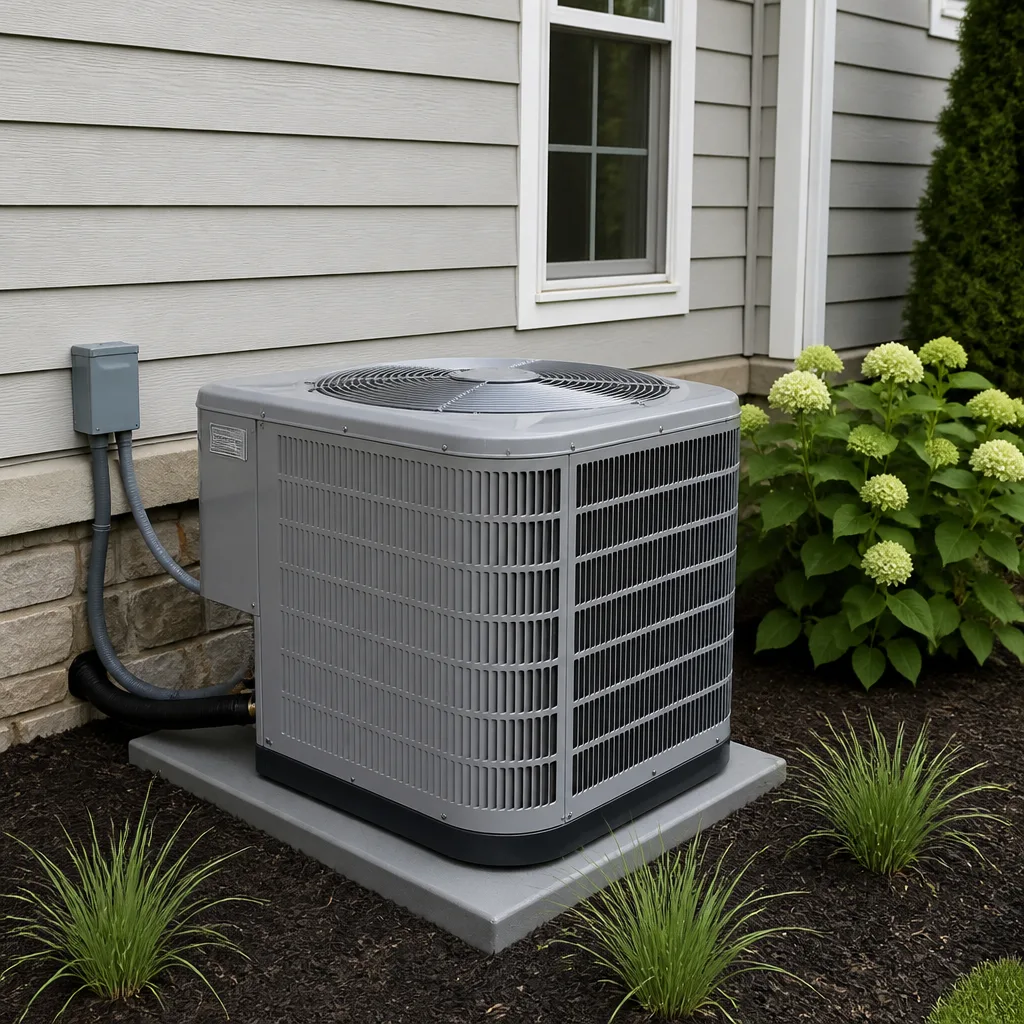 Carrier
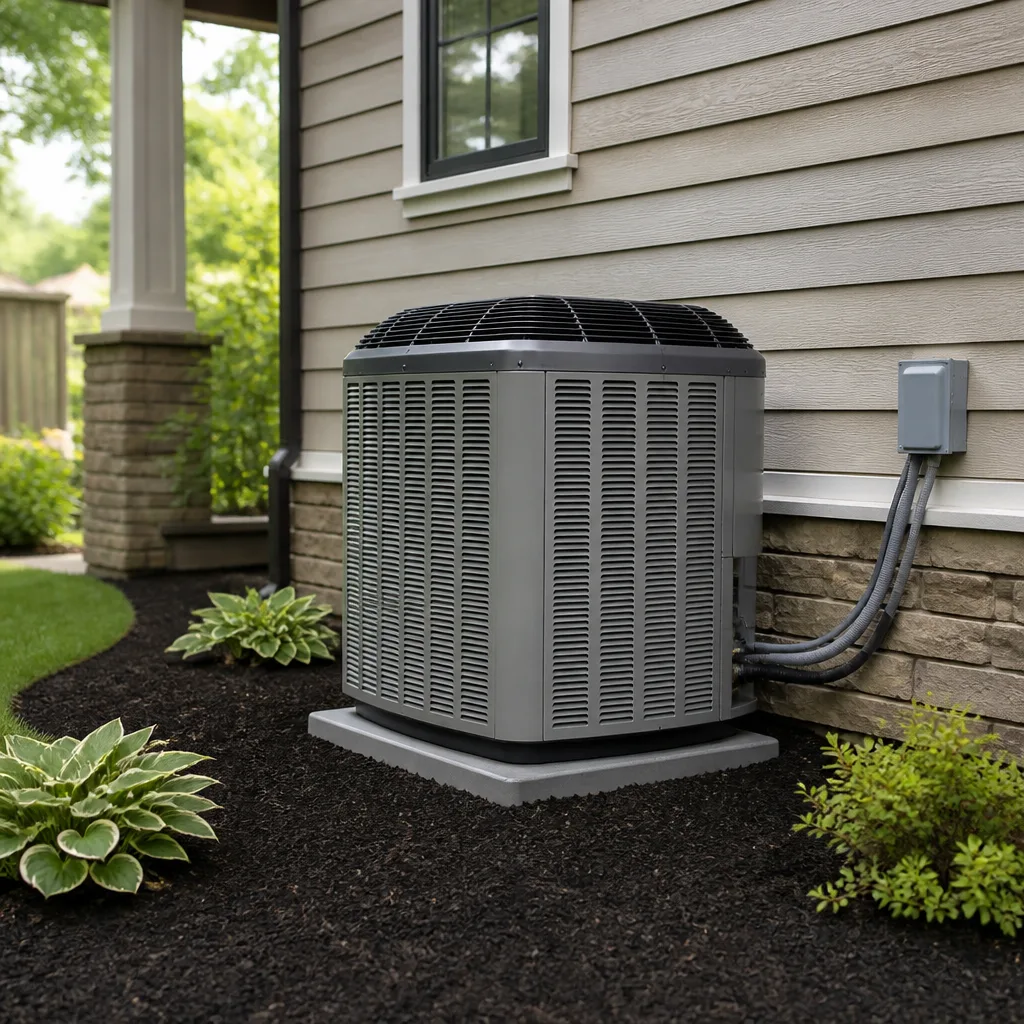 Trane
Trane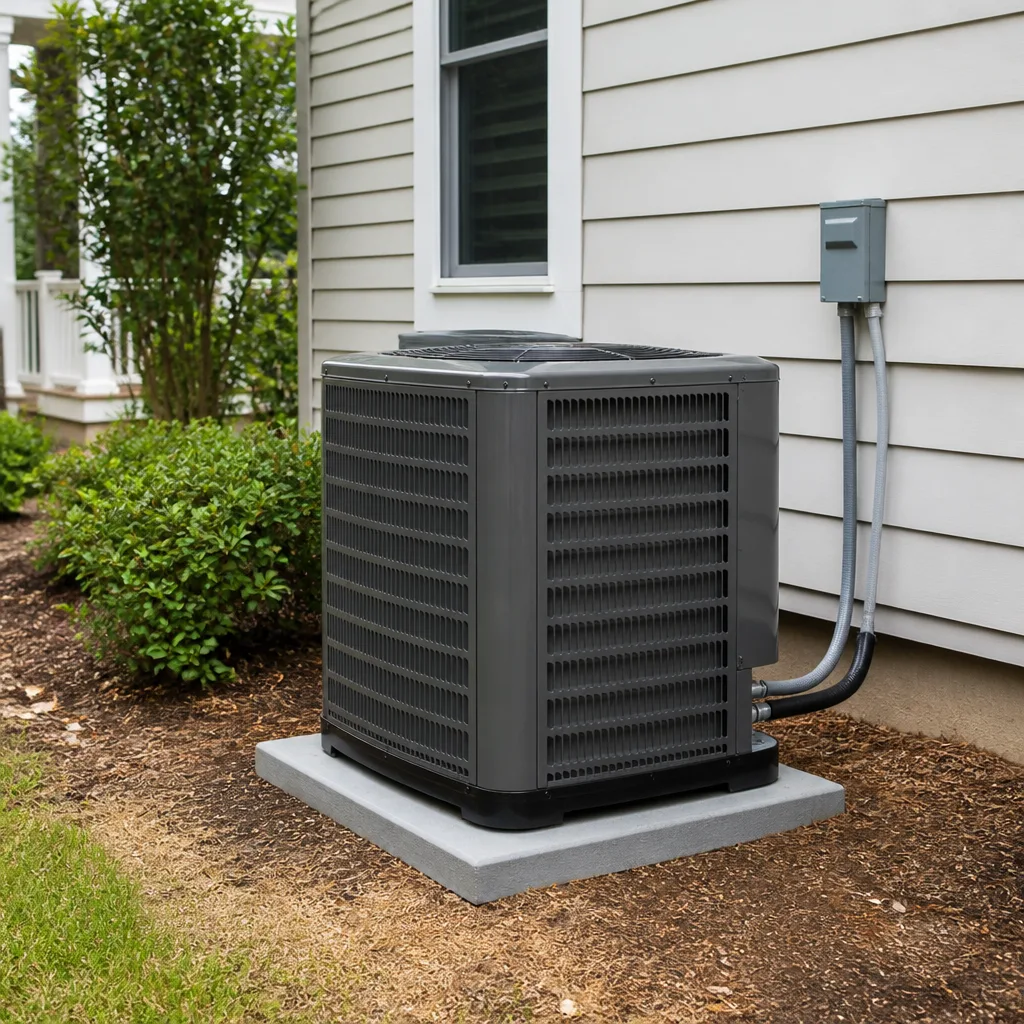 Goodman
Seasonal tune-up and full diagnostic on your Carrier, Trane, or Goodman system - readings shown to you before any repair is proposed
Diagnosis first, numbers second - you approve the repair price before a single part goes in.
Get your free estimateHVAC Warning Signs: A New York Homeowner’s Reference Guide
A banging radiator is not just an annoyance. In a New York steam system, that sharp, metallic knock almost always signals water hammer caused by a failed steam trap, and ignoring it for one winter can crack a radiator section that costs $800 to replace. The sound is a warning, and it has a specific meaning. Most HVAC warning sign guides for New York read like they were written by someone who has never stood in a prewar apartment with steam pipes knocking overhead or opened a furnace cabinet in a Brooklyn brownstone. This guide is different. It matches specific symptoms to the New York equipment types most likely to produce them, so you can describe the problem accurately before a technician arrives.
Quick Answer
The most serious HVAC warning signs in a New York home are gas odors, carbon monoxide detector alarms, water leaking from a furnace or AC unit, and a boiler making banging or hissing noises. These require same-day attention. Less urgent signs like weak airflow, uneven heating between rooms, or a slight refrigerant hiss can usually wait a few days. The key is knowing which system you have, because a symptom that means one thing on a forced-air furnace means something entirely different on a steam boiler. Our AC Repair Maintenance Checklist for New York Homeowners covers the forced-air side in detail.
Styles & brands we work with
Table of Contents
- Steam Radiator Warning Signs: What That Noise Actually Means
- Forced Air Furnace Warning Signs: Smells, Sounds, and Cycling Problems
- Central AC Warning Signs: What New York Humidity Hides
- Ductless Mini-Split Warning Signs: The Quiet System That Fails Quietly
- Window Unit Warning Signs: When to Stop Repairing and Start Replacing
- Urgent vs. Routine: Which Warning Signs Need Same-Day Service
- NYC-Specific Hazards: Gas Lines, Shared Flues, and Dense Building Airflow
- How to Describe the Problem So the First Visit Counts
- Signs a Previous Contractor Did Substandard Work
Steam Radiator Warning Signs: What That Noise Actually Means
Steam heat is the default in most New York buildings constructed before 1950. If you live in a prewar co-op, a brownstone, or an older Queens colonial, your heat probably comes from a boiler pushing steam through iron pipes into standing radiators. These systems are simple in design but unforgiving when components fail, and they produce warning signs that a forced-air homeowner would never encounter.
Banging, Knocking, or Hammering
This is the most common steam system complaint we hear in New York, and it almost always points to one of two problems. The first is water hammer: condensed water trapped in a low section of pipe gets hit by incoming steam, creating a shock wave that sounds like someone hitting the pipe with a wrench. The cause is usually a failed steam trap, a sagging pipe, or a clogged condensate return. The second possibility is a boiler with a dirty water line, which causes surging, and surging water slams into elbows and valves. Neither problem fixes itself. Left alone, water hammer can crack fittings, split radiator sections, and eventually send water into ceilings below.
Hissing That Never Stops
A healthy steam radiator hisses briefly as air vents out and steam takes its place. A radiator that hisses continuously, or hisses loudly after the room is already warm, has a failed air vent. The fix is straightforward: replace the vent. But in our experience, when multiple radiators hiss constantly, the real problem is often an overfired boiler or a pressuretrol set too high, which forces steam through the system faster than the vents can handle. That is a boiler adjustment, not just a vent swap.
Radiator Hot at Top, Cold at Bottom
Steam should fill a radiator evenly. When the top is hot and the bottom is cold, condensate is not draining properly. The culprit is usually a clogged return line or a radiator pitched the wrong way. Over time, sediment and rust build up in the bottom of radiators and block drainage. This condition reduces heating efficiency and often leads to the water hammer described above.
Water Stains on the Floor or Ceiling Below
A steam radiator that leaks at a union, a valve packing nut, or a cracked section will show itself as water stains, usually brownish, on the floor beneath the radiator or on the ceiling of the unit below. This is a warning sign that repair is needed before the leak worsens. A cracked radiator section cannot be patched reliably; it needs replacement. In our service calls across New York, we find that leaks from the supply valve, where the pipe meets the radiator, are the most common and the most affordable to fix. Cracks are rarer but far more expensive.
Forced Air Furnace Warning Signs: Smells, Sounds, and Cycling Problems
Most newer New York homes, including the majority of single-family houses built after 1970 and many gut renovations, use forced-air furnaces. These systems burn natural gas or oil, heat air in a heat exchanger, and push it through ductwork. Their warning signs are distinct from steam systems, and several of them involve carbon monoxide risk.
Burning or Electrical Smells at Startup
A faint dust smell the first time the furnace fires in autumn is normal: dust settles on the heat exchanger over summer and burns off in a few minutes. A smell that persists, or one that smells like burning plastic, burning rubber, or hot electrical components, is not normal. It can indicate failing wiring, an overheating blower motor, or a cracked heat exchanger allowing combustion byproducts into the air stream. Shut the system off and call for service. Carbon monoxide is odorless, but many of the conditions that produce it also produce the burning smell you can detect.
Short Cycling: Turns On and Off Every Few Minutes
A furnace that fires up, runs for three or four minutes, shuts down, and repeats is short cycling. In forced-air systems, the usual causes are a clogged air filter, a failing limit switch, or an oversized furnace. New York homes that were converted from oil to gas sometimes have furnaces that are dramatically oversized for the space, and short cycling is the first clue. Short cycling wastes fuel, shortens the life of the heat exchanger, and prevents the home from reaching a stable temperature.
Yellow Pilot Flame or Soot Around the Burner
If your furnace has a pilot light, it should burn blue with a small yellow tip. A mostly yellow, flickering, or lazy flame indicates incomplete combustion. Soot or black residue around the burner compartment tells the same story. Incomplete combustion produces carbon monoxide, and in a New York home with shared walls, that risk is not just yours. Call for service the same day.
Rattling, Scraping, or Whining
A rattle that changes when the blower runs usually means a loose panel or a failing blower wheel. A scraping or grinding sound during operation often comes from worn blower motor bearings. A high-pitched whine is typically a blower motor or inducer motor on its way out. These mechanical sounds never resolve themselves, and a failed blower motor in January is a repair no New York homeowner wants to wait for.
Central AC Warning Signs: What New York Humidity Hides
New York summers are humid, and that humidity changes how a central air conditioner behaves. A system that cools poorly might have a refrigerant problem, or it might have a drainage problem that only shows up in July when the coil is pulling gallons of water out of the air each day. Understanding the difference saves time and money.
Ice on the Copper Lines or the Indoor Coil
Ice on an air conditioner is never normal, even on the hottest day. It means the coil is too cold, and the usual causes are low refrigerant, restricted airflow from a dirty filter or closed vents, or a failing blower. In New York’s humid summer air, a frozen coil can thaw into water damage around the air handler. When you see ice, shut the system off and let it thaw while you schedule service. Running it frozen can destroy the compressor.
Warm Air Blowing, or Cold Air That Never Reaches the Far Rooms
A central AC blowing warm air usually means low refrigerant or a failed compressor. But uneven cooling, where the living room is comfortable and the upstairs bedroom is not, is often a ductwork problem. New York homes with central air retrofitted into older houses frequently have undersized or poorly routed ducts. A reputable technician checks static pressure and duct sizing before adding refrigerant, because adding refrigerant to a system with airflow problems is a temporary fix that returns as the same problem a year later.
Musty or Dirty-Sock Smell When the AC Runs
This smell, reported constantly in New York’s humid summers, is almost always organic growth on the evaporator coil. The coil sits in a dark, damp environment, and when it stays wet between cycles, mold and bacteria take hold. The fix is a coil cleaning, and sometimes a UV light installation to prevent recurrence. Ignoring it spreads the smell through the ductwork and into every room the system serves, and it can aggravate allergies and asthma.
Water Dripping From the Air Handler or Wet Ceiling Stains
A central AC removes humidity and sends the condensate to a drain. When the drain clogs, the water backs up and overflows the drain pan, often dripping through the ceiling below. In New York apartments and townhouses, this is especially destructive, because the tenant or neighbor below may not notice until the ceiling is stained. A wet ceiling under an air handler is a same-day call.
Ductless Mini-Split Warning Signs: The Quiet System That Fails Quietly
Ductless mini-splits have become common in New York in the past decade, especially in brownstone floors, extension rooms, and apartments where running ductwork is impractical. They are quiet, efficient, and reliable, but their failure mode is different from a central system: they degrade slowly and quietly, often without the dramatic noises of a furnace or steam boiler.
Reduced Heating or Cooling Output, With No Obvious Cause
The first sign of a mini-split problem is often a gradual loss of capacity. The unit runs, air comes out, but the room never quite reaches the set temperature. The cause is usually a slow refrigerant leak, a failing inverter board, or dirty coils. Because mini-splits use small refrigerant charges, even a slow leak reduces performance noticeably within a season. A unit that used to cool the room in twenty minutes and now takes an hour is telling you something.
Dripping or Leaking From the Indoor Unit
A mini-split indoor unit that drips water down the wall is a drainage problem. The condensate line is clogged, the unit is pitched wrong, or the drain pump has failed. In New York apartments, a dripping mini-split can damage flooring and the unit below, and the fix is usually simple if caught early. Repeated dripping, though, often indicates the unit was installed without proper slope in the first place.
Clicking, Buzzing, or Gurgling
A soft gurgle now and then is normal as refrigerant moves through the lines. A constant clicking from the outdoor unit, or a buzzing from the indoor unit that you can hear across the room, is not. These sounds often indicate electrical component failure, and because mini-split parts are brand-specific, a technician who knows the system you own will get the right part the first time. We service the major brands New Yorkers own, including Trane, Lennox, and Rheem, and we stock common parts for those systems.
Window Unit Warning Signs: When to Stop Repairing and Start Replacing
Window air conditioners are the default in many older New York apartments and brownstone floors where central air was never installed. They are cheap to buy and, frankly, usually not worth repairing once they fail. But there are warning signs that separate a dirty filter from a dying compressor, and knowing the difference keeps you from pouring money into a unit that should be replaced.
Loud Rattling or Grinding That Started Suddenly
A window unit that suddenly starts rattling or grinding has a mechanical problem: a failing fan motor, a worn compressor mount, or a bent fan blade. These are repairable in theory, but for a typical window unit costing $300 – $600, a compressor replacement is not a sensible investment. A fan motor replacement can be worth it on a large unit, but on a small one, the math rarely works.
Unit Runs Constantly and Never Cools the Room
When a window unit runs nonstop and the room stays warm, the first step is cleaning the filter and the coils. If performance does not return, the refrigerant charge is low or the compressor is weak. Window units are sealed systems, not designed for recharge, and a unit that has lost its charge is usually at the end of its life. New York’s humidity only makes this more apparent, because a struggling unit also fails to dehumidify, leaving the room sticky and warm even when the air coming out is cool.
Water Dripping Inside, or Ice on the Coil
Window units are designed to drip outside. Water coming inside means the unit is pitched the wrong way or the internal drain is clogged. Ice on the coil means low airflow or low refrigerant. Both are fixable, but for a unit more than eight years old, these are signals that replacement is the smarter move. A newer, more efficient unit will also lower your Con Edison bill in a New York summer.
Urgent vs. Routine: Which Warning Signs Need Same-Day Service
Not every warning sign is an emergency, and understanding the difference helps you decide whether to call immediately or schedule for later in the week. Here is how we classify calls at Cold Harbour Heating and Air New York.
Call Same Day (or Right Now)
- Gas odor anywhere in the home, especially near the furnace, boiler, or gas meter. Leave the building and call your gas utility first, then call for HVAC service.
- Carbon monoxide detector alarm that does not stop after you ventilate. This is a life safety issue.
- Water leaking from a furnace or boiler onto the floor, especially if the water is hot or discolored. Boiler leaks can become floods quickly.
- Water dripping through a ceiling from an AC air handler or a radiator above. Every hour of delay causes more ceiling damage.
- Banging or hammering in a steam system that started suddenly and is loud enough to hear across the apartment. This suggests a serious water hammer event that can crack pipes.
- Complete loss of heat during a New York winter cold snap, especially with elderly residents or young children in the home.
Can Usually Wait a Few Days
- Weak airflow from vents in one or two rooms, with no other symptoms.
- A mini-split that cools a little more slowly than it used to.
- A musty smell from the AC that is mild and recent.
- A furnace that short cycles occasionally but still keeps the home warm.
- A window unit that drips outside more than it used to.
- Uneven heating between floors in a multi-story New York home.
The distinction matters because a same-day call avoids damage that multiplies quickly. A steam boiler leaking a gallon an hour is a flood by morning. A frozen AC coil thaws into a soaked ceiling. When in doubt about urgency, call and describe the symptom. A live person answers our phone around the clock, and we will tell you honestly whether the problem needs service now or can wait.
NYC-Specific Hazards: Gas Lines, Shared Flues, and Dense Building Airflow
New York presents hazards that generic HVAC guides never address. The city’s density, aging infrastructure, and building codes create failure modes that a technician in a sprawling suburb rarely sees, and homeowners need to understand them.
Gas Odors Near Con Edison Lines
If you smell gas outside your home near the street, the sidewalk, or the gas meter, that is a Con Edison issue first and an HVAC issue second. Call Con Edison or 911 immediately. Do not operate electrical switches, do not start your car, and do not try to locate the leak yourself. Once the utility has cleared the outside area, a technician can check your furnace or boiler and its gas connections inside the home.
Carbon Monoxide in Buildings With Shared Flues
Many older New York buildings share chimney flues between units, and a boiler in one apartment can vent into a flue that a neighboring apartment also uses. If that flue is blocked, cracked, or backdrafting, carbon monoxide can enter any unit connected to it. In multi-unit buildings, a carbon monoxide alarm in your unit does not necessarily mean your equipment is the source. This is why testing and inspecting the flue, not just the appliance, is critical. A proper inspection checks draft, flue condition, and whether the chimney cap is intact.
Refrigerant Smells in Dense Multi-Unit Buildings
Refrigerant has a faint, sweet or ether-like smell, and in a dense building, a leak from a neighboring unit’s AC can bleed into your space through shared walls or utility chases. If you smell something chemical near your AC but your system seems to work fine, mention it to your building management and have a technician check your own system for leaks. R-410A and newer refrigerants are not poisonous in small quantities, but they displace oxygen in enclosed spaces, and a large leak in a small apartment is a health concern.
Window Unit and Mini-Split Condensate in Tight Buildings
New York’s dense housing means one unit’s condensate problem becomes another unit’s ceiling stain. A window unit that drips on a neighbor’s air conditioner below, a mini-split condensate line routed into a shared drain that clogs, or a wall sleeve that was never sealed properly can all create disputes and damage. If you live in a co-op or condo, check your building’s rules on HVAC installation before replacing or relocating equipment. Some buildings require a licensed contractor and a certificate of insurance, which any reputable New York HVAC company provides.
How to Describe the Problem So the First Visit Counts
When you call for HVAC service, the person on the phone is listening for specific information that determines which technician to send, what parts to bring, and how urgent the call is. Here is how to prepare.
- Know your system type. Is it steam heat, forced air, a mini-split, or a window unit? This is the single most important fact. A technician who knows they are walking into a steam boiler job brings steam-specific tools and parts, not a generic furnace kit.
- Describe the symptom precisely. Not “it’s making a noise,” but “a sharp banging from the radiator in the front bedroom, about once every two minutes, louder when the heat first comes on.” Specific timing, location, and sound quality all help.
- Note when the problem started. Did it begin suddenly last night, or has it been getting worse over three weeks? Sudden onset suggests a mechanical failure; gradual decline suggests wear, and that changes the diagnostic approach.
- List what you have already checked. If you changed the air filter, adjusted the thermostat, or reset a breaker, say so. It saves the technician from repeating those steps and narrows the possibilities faster.
- Share the history. If the same problem happened last year, or if another company worked on the system recently, tell us. Prior work is often directly relevant to the current symptom.
- Say what you need. If you need heat back tonight because a parent or child depends on it, tell the scheduler. That affects prioritization and parts selection.
This is exactly how Cold Harbour Heating and Air New York runs its Kingswell Way process: we ask these questions on the phone, send a technician with the right tools and likely parts, and hand you a written price before any work starts. The first visit should be diagnostic, not exploratory.
Signs a Previous Contractor Did Substandard Work
When a homeowner has been let down before, which is common in New York, the question becomes: is this a new problem, or a problem caused by whoever worked on the system last? These warning signs suggest the latter.
- The same part failed within a year. A furnace ignitor or AC capacitor that fails twice in twelve months usually means the underlying cause was never addressed. Replacing the part again without diagnosing why it failed is throwing money away. Under our 365-Day Done Right Promise, if a repair we make fails within a year, we return and fix it at no charge. That guarantee is written on every repair ticket before we leave.
- New sounds appeared right after a repair. If the system was quiet before a service call and now rattles, hums, or bangs, something was installed incorrectly or left loose. Call the company back, or get a second opinion if they are unresponsive.
- The technician could not explain the problem in plain English. Every trade has jargon, but a competent technician can translate it. If they cannot tell you what was wrong, what they fixed, and why it matters, be skeptical. The Kingswell Way includes explaining the work in words that make sense before we ask for approval.
- No written price or guarantee. A verbal quote with no paperwork is a red flag in any trade, and HVAC is no exception. You should receive a written price before work begins, and a written guarantee when work is done. If neither happened, the job was not done to a professional standard, regardless of how it looks.
- Refrigerant added without finding a leak. If a technician topped off your AC’s refrigerant and left without locating the leak, they sold you a temporary fix. Refrigerant does not get used up. If it is low, there is a leak, and the leak will empty the system again.
Common Mistakes to Avoid
- Ignoring a banging steam radiator because it has always done that. Water hammer only gets worse, and a cracked radiator section costs far more than a new steam trap. A radiator that has banged for years is a radiator that has been damaging itself for years.
- Running a frozen AC to see if it thaws on its own. A frozen coil restricts airflow and can destroy the compressor, which is the most expensive component. Shut it off and let it thaw, then call for service.
- Changing the filter and assuming that fixed a short-cycling furnace. A dirty filter is one of several causes, and if the real cause is an oversized furnace or a failing limit switch, the problem will return on the coldest night of the New York winter.
- Assuming a carbon monoxide alarm means the detector is faulty. Detectors do fail, but a CO alarm in a home with a gas furnace or boiler is a life-safety event until proven otherwise. Ventilate, leave if symptoms are present, and call for inspection.
- Waiting to describe a leak until the ceiling is visibly stained. By the time a New York ceiling shows a water stain, the leak has been active for days or weeks. Small stains become large drywall repairs quickly.
- Replacing parts on a window unit older than eight years. The math rarely works. A new unit pays for itself in efficiency within a few New York summers.
- Not asking for a written price before approving work. If a company will not put the price on paper before starting, do not let them start. At Cold Harbour, the price comes first, every time, on every job.
See the difference
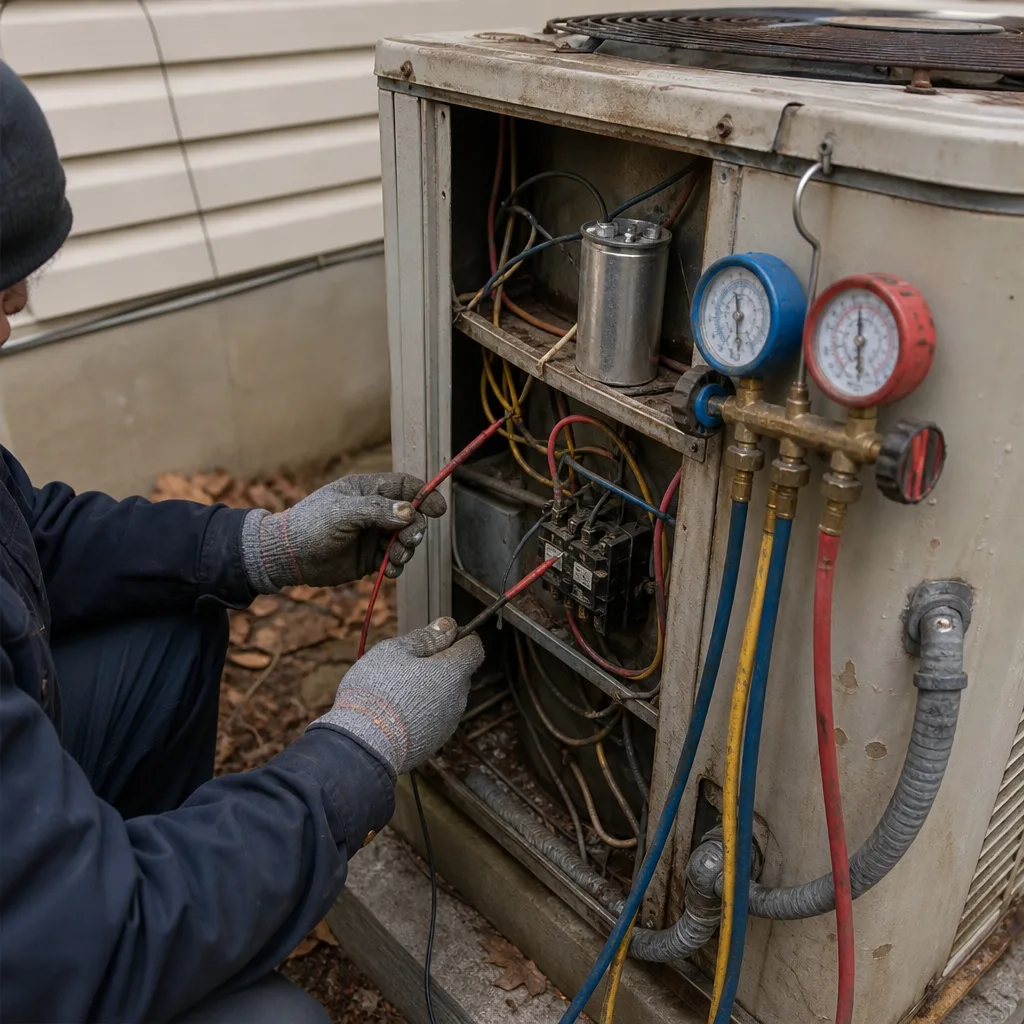 Before
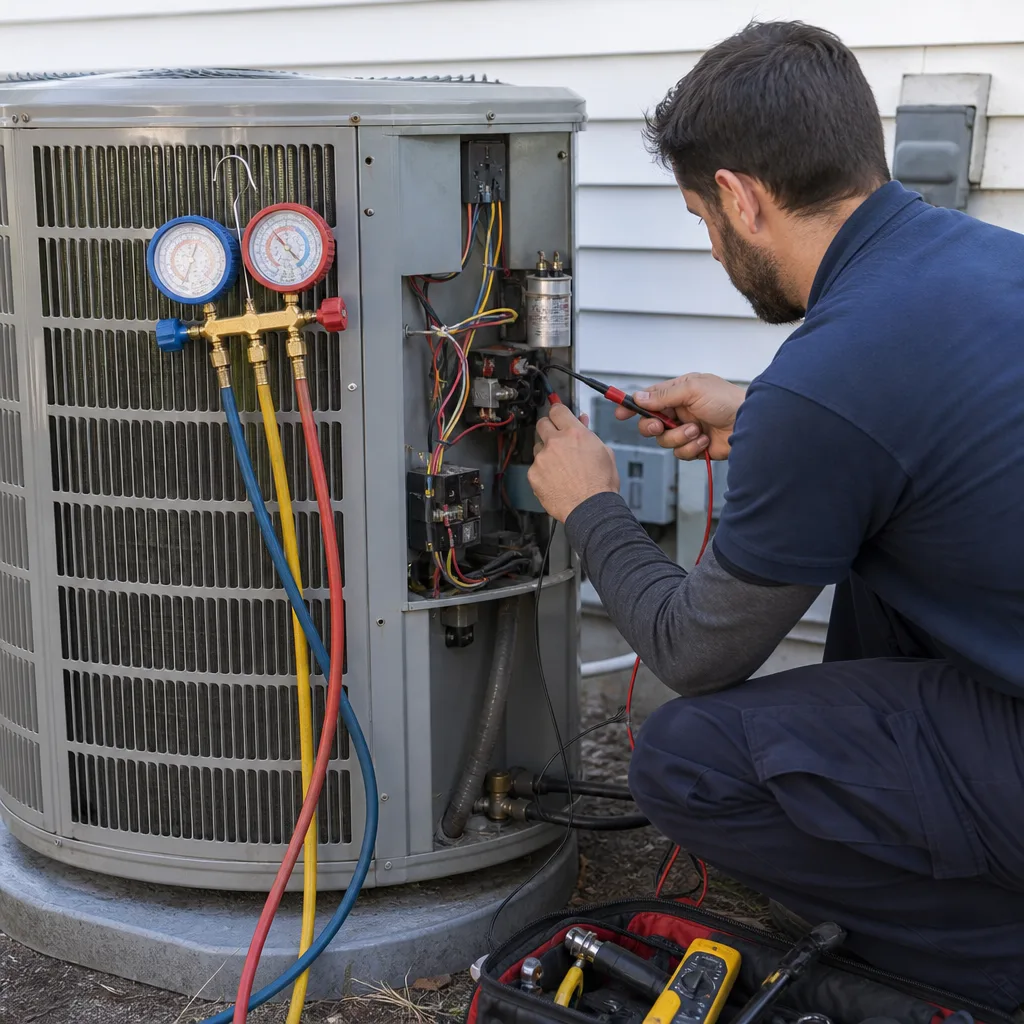 After
After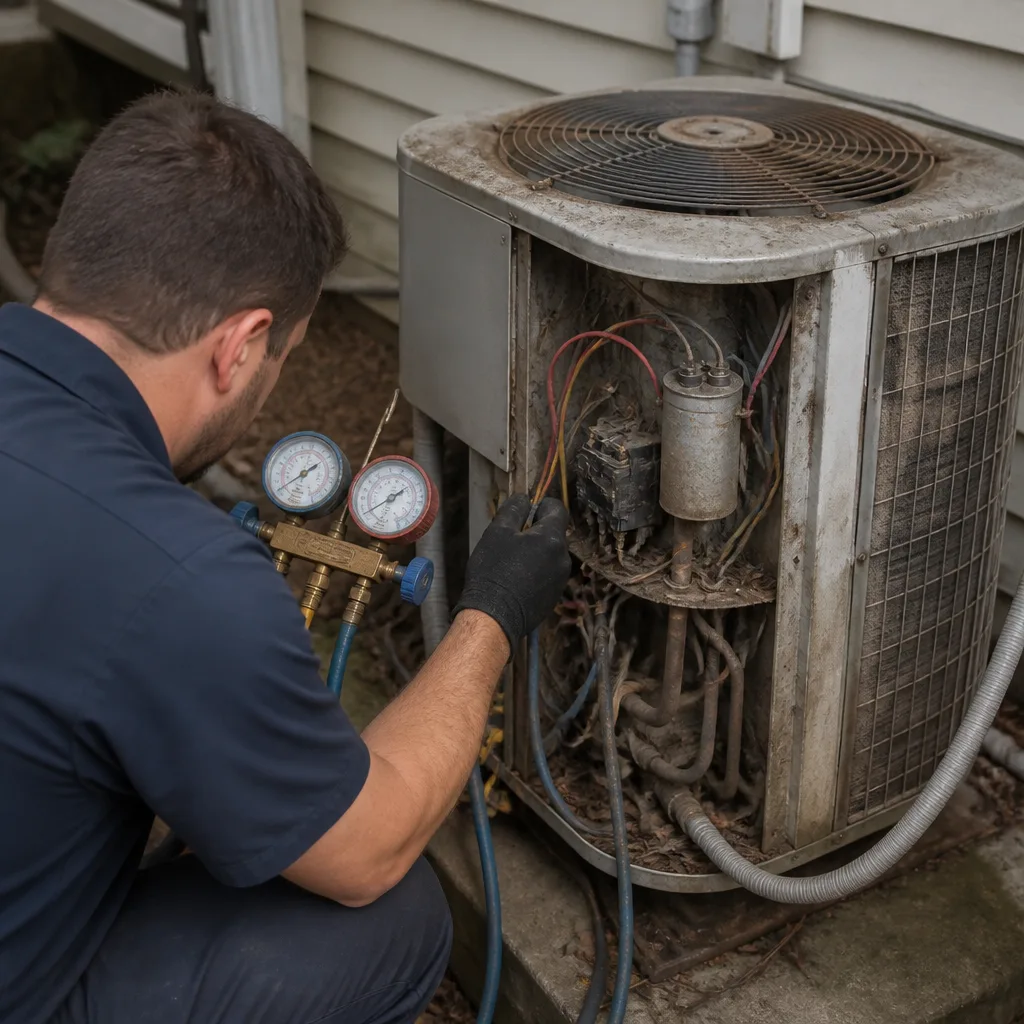 Before
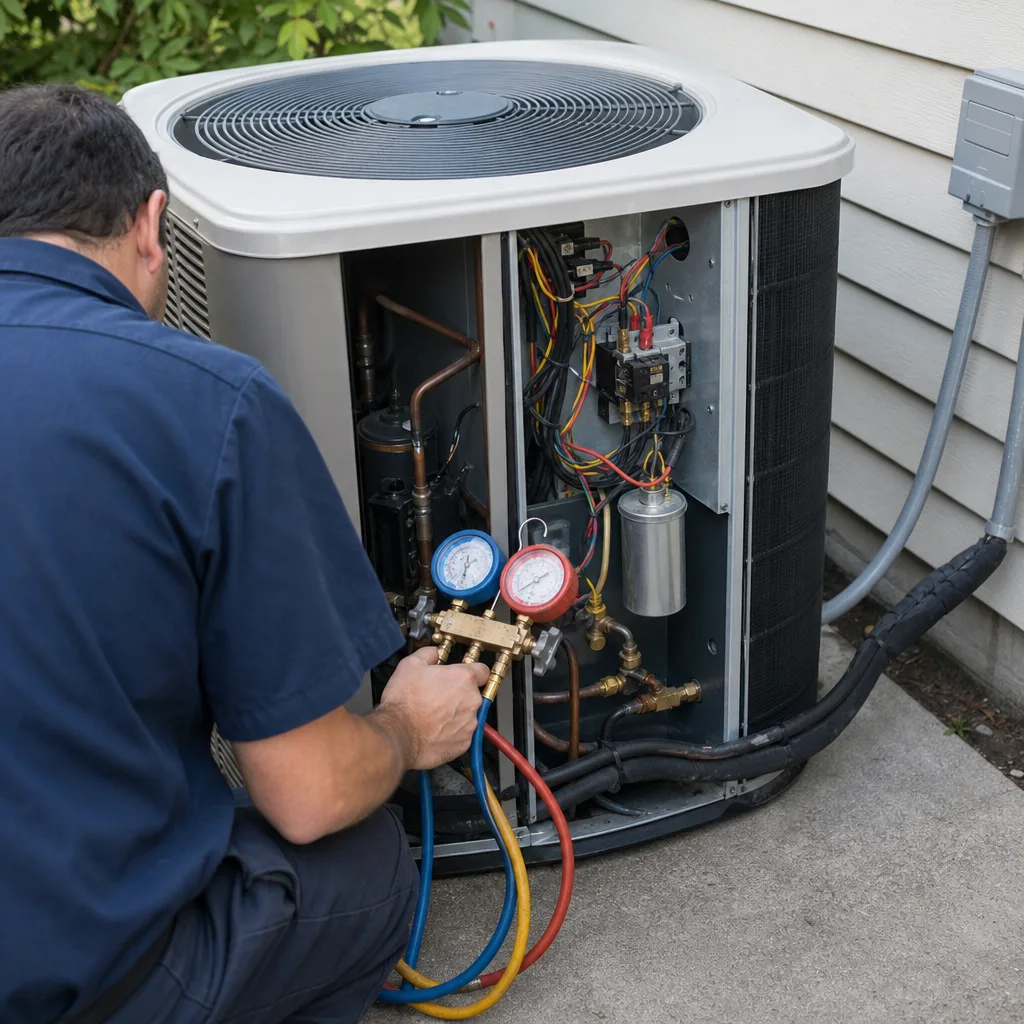 After
After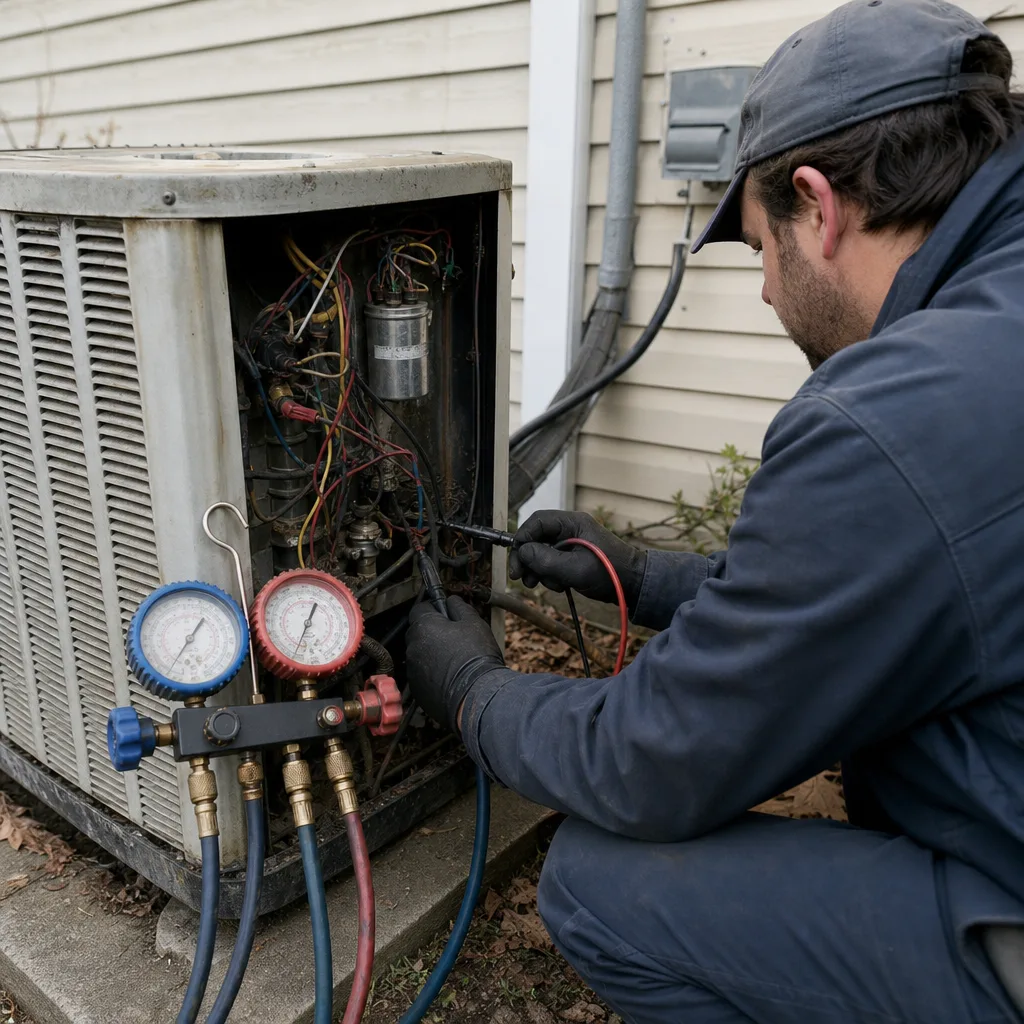 Before
 After
AfterWhen to Call a Professional
Call a professional when you smell gas, when your carbon monoxide detector alarms, when water is leaking from any HVAC component, or when your heat fails during a New York cold snap. For more guides & resources on what to watch for, visit our blog. Call within a few days when you notice reduced performance, new noises, or a smell that is not burning dust. And call for a second opinion when a repair fails within a year or when a technician cannot explain the work in plain language. Cold Harbour Heating and Air New York offers free estimates in New York. Call (934) 465-5501 and describe what you are seeing and hearing. A live person answers, and we will tell you honestly whether the problem needs service now or can wait.
Frequently Asked Questions
The banging is water hammer, caused by condensed water trapped in the pipes being struck by incoming steam. The usual culprits are a failed steam trap, a sagging pipe, or a dirty boiler that is surging. This should be repaired, because untreated water hammer can crack radiators and pipes over time. Call (934) 465-5501 for a steam system inspection in New York.
Carbon monoxide is odorless and invisible, so the only reliable detection is a working CO alarm. Warning signs that suggest CO risk include a yellow pilot flame, soot around the burner, a burning smell that does not go away, and headaches or nausea that improve when you leave the apartment. If your alarm sounds, ventilate and call for service immediately.
No, ice on an air conditioner is never normal, regardless of outside conditions. It means the indoor coil is too cold, usually from low refrigerant or restricted airflow. Running a frozen AC can damage the compressor, so shut it off, let it thaw, and schedule a service call.
Most steam trap replacements run $180 – $350, parts and labor included. Sagging pipe corrections and boiler surging fixes vary with the scope of the work, but expect $250 – $600 for typical residential repairs. Every repair we do comes with a written price before work starts and a 365-day written guarantee. Call (934) 465-5501 for an exact quote.
You can, but the smell will get worse and spread through the ductwork. Musty AC smell in New York is usually organic growth on the evaporator coil, and it thrives in our humid summers. A coil cleaning resolves it, and a UV light can prevent recurrence. It is a common fix, and it improves indoor air quality immediately.
Call Con Edison or 911 immediately. Do not operate switches, appliances, or vehicles, and move away from the area. Once the utility has addressed the outside leak, have an HVAC technician check your furnace or boiler and its gas connections inside the home before using the heat again.
The Bottom Line
HVAC warning signs are specific to the equipment you own, and in New York, that means steam radiators, forced-air furnaces, central AC, mini-splits, and window units all have their own telltale symptoms. A banging radiator means water hammer. A frozen AC means a refrigerant or airflow problem. A yellow pilot flame means incomplete combustion. The urgency of each sign varies, but gas odors, CO alarms, and active water leaks always demand same-day attention. Document what you see and hear, describe it precisely when you call, and demand a written price and a written guarantee. Cold Harbour Heating and Air New York has operated that way since 2003, with technicians trained on Trane, Lennox, Goodman, and every other major brand in New York homes. Call (934) 465-5501 for a free estimate.
Written by Victor Mancini, Owner at Cold Harbour Heating and Air New York, serving New York since 2003.