
Last updated October 16, 2026
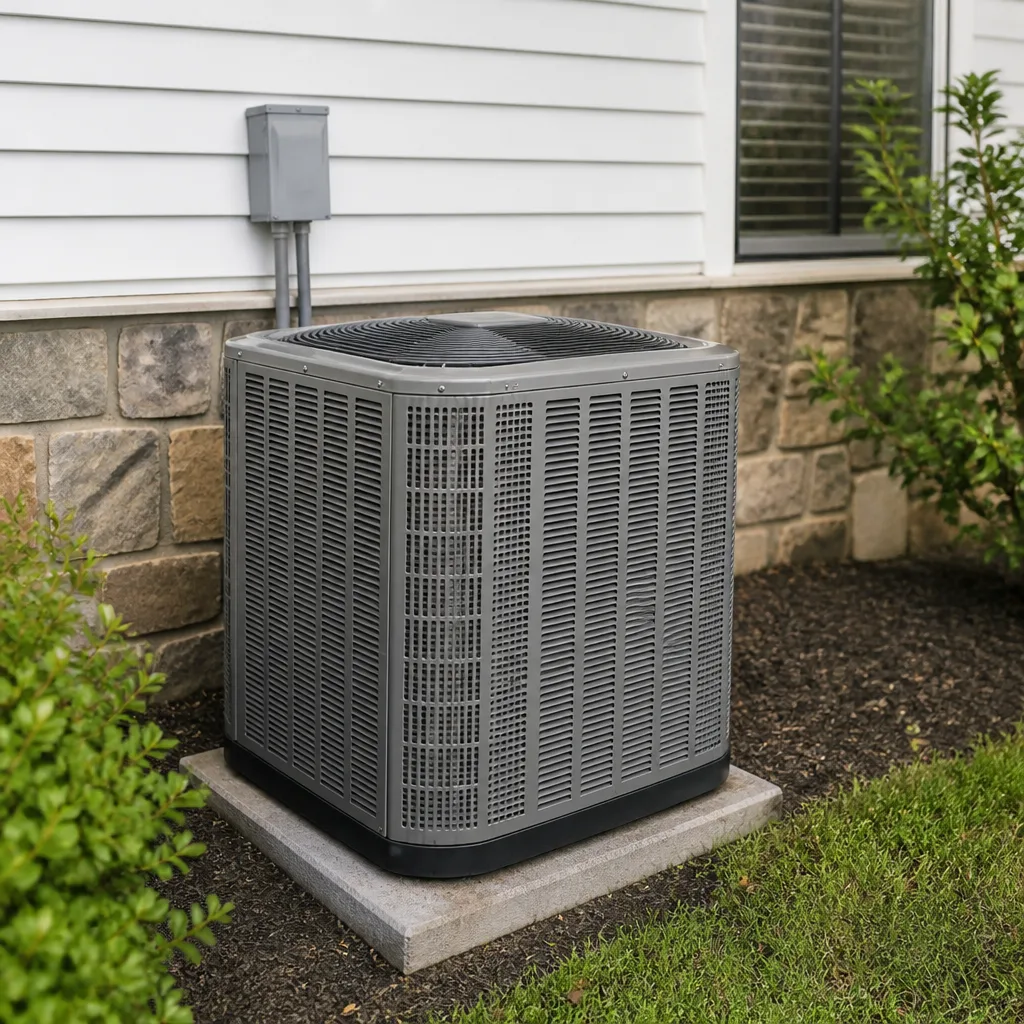 AC repair
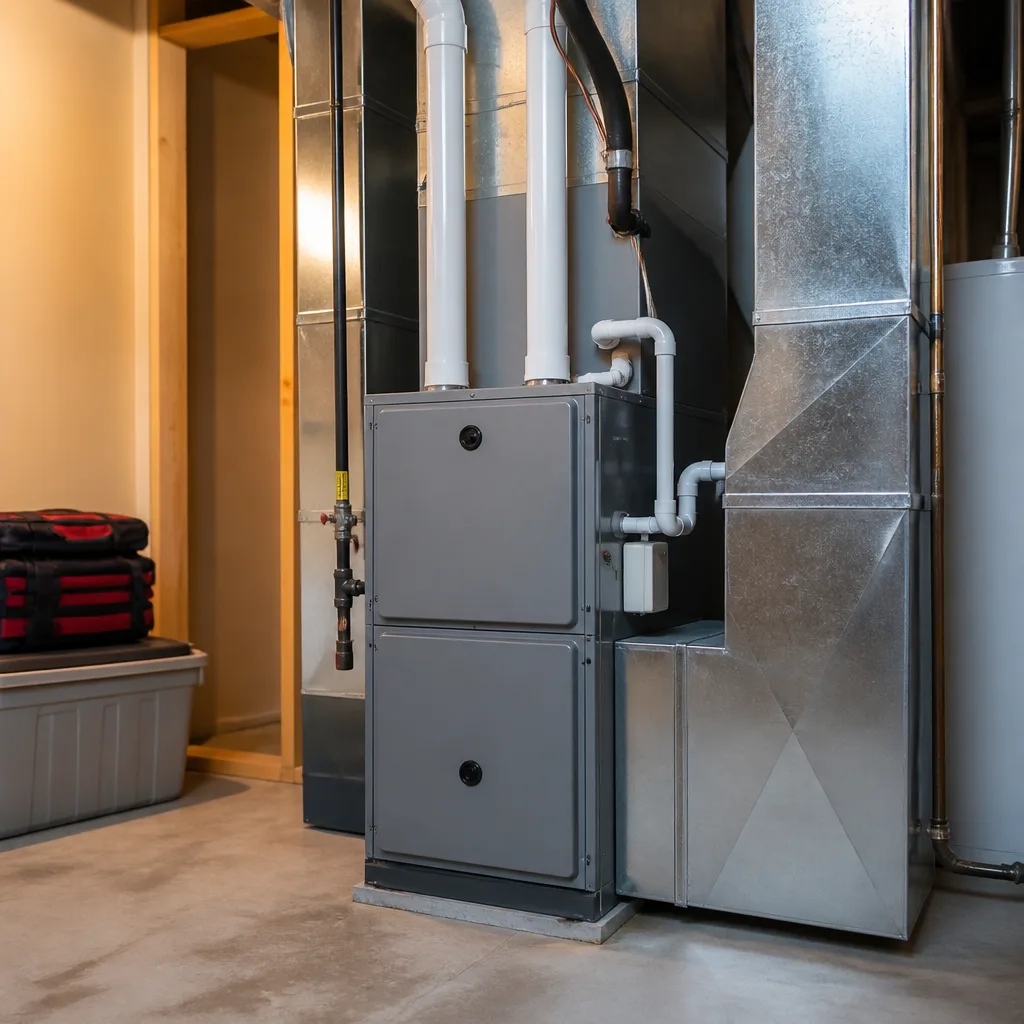 Furnace & heating
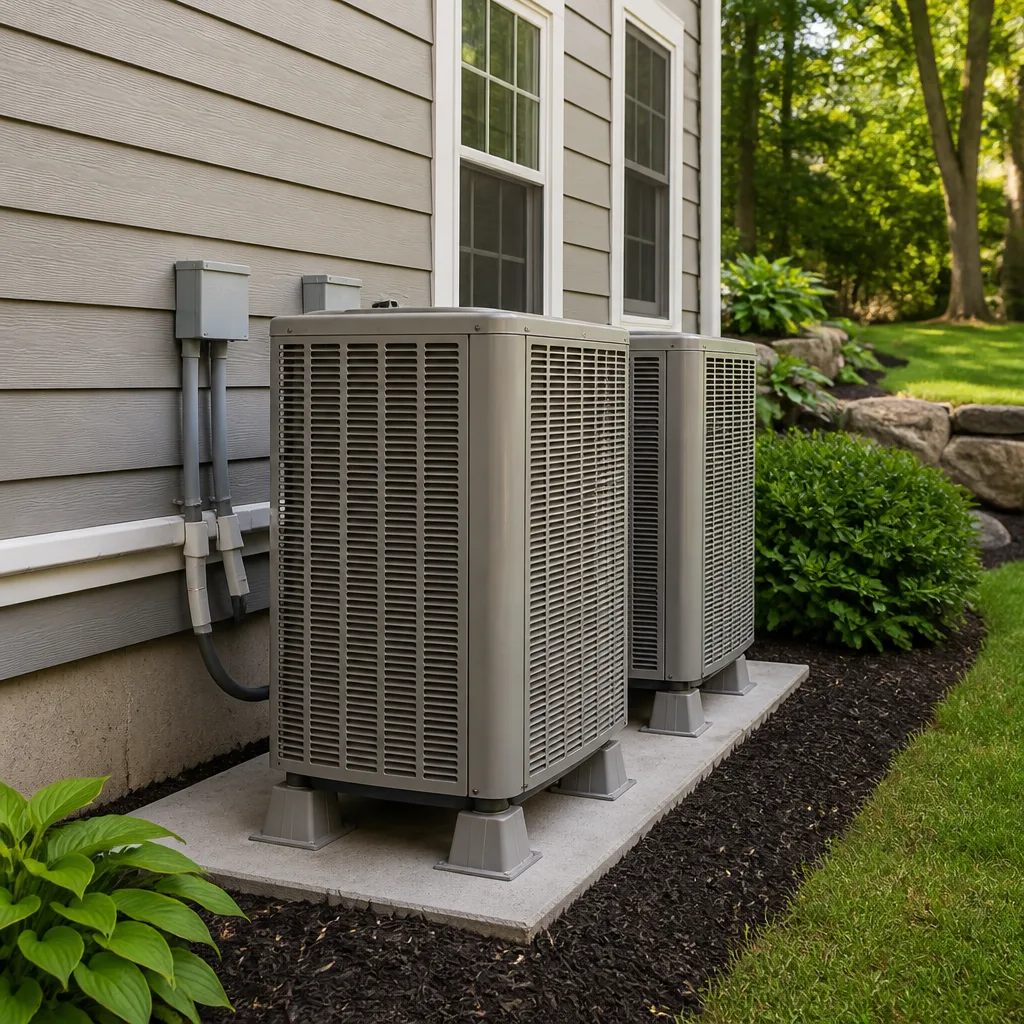 Heat pumps
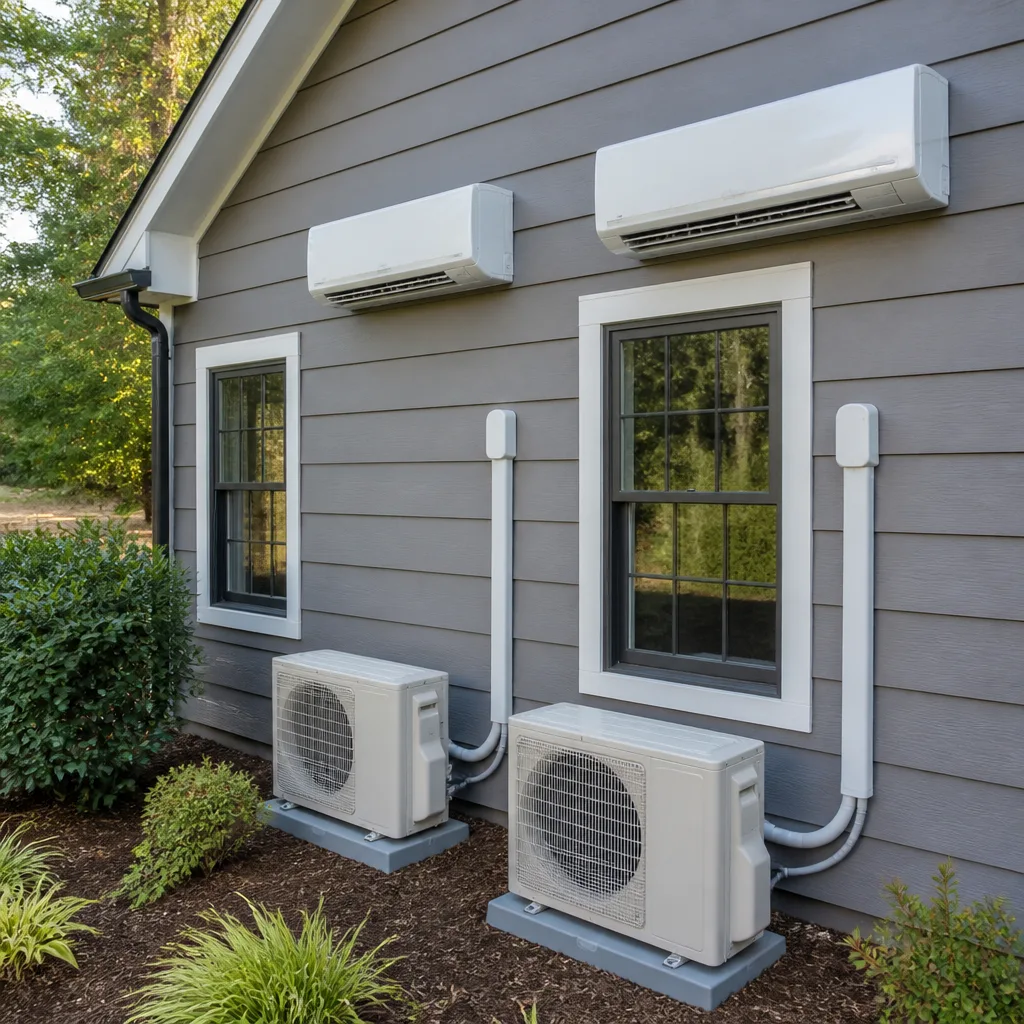 Ductless mini splits
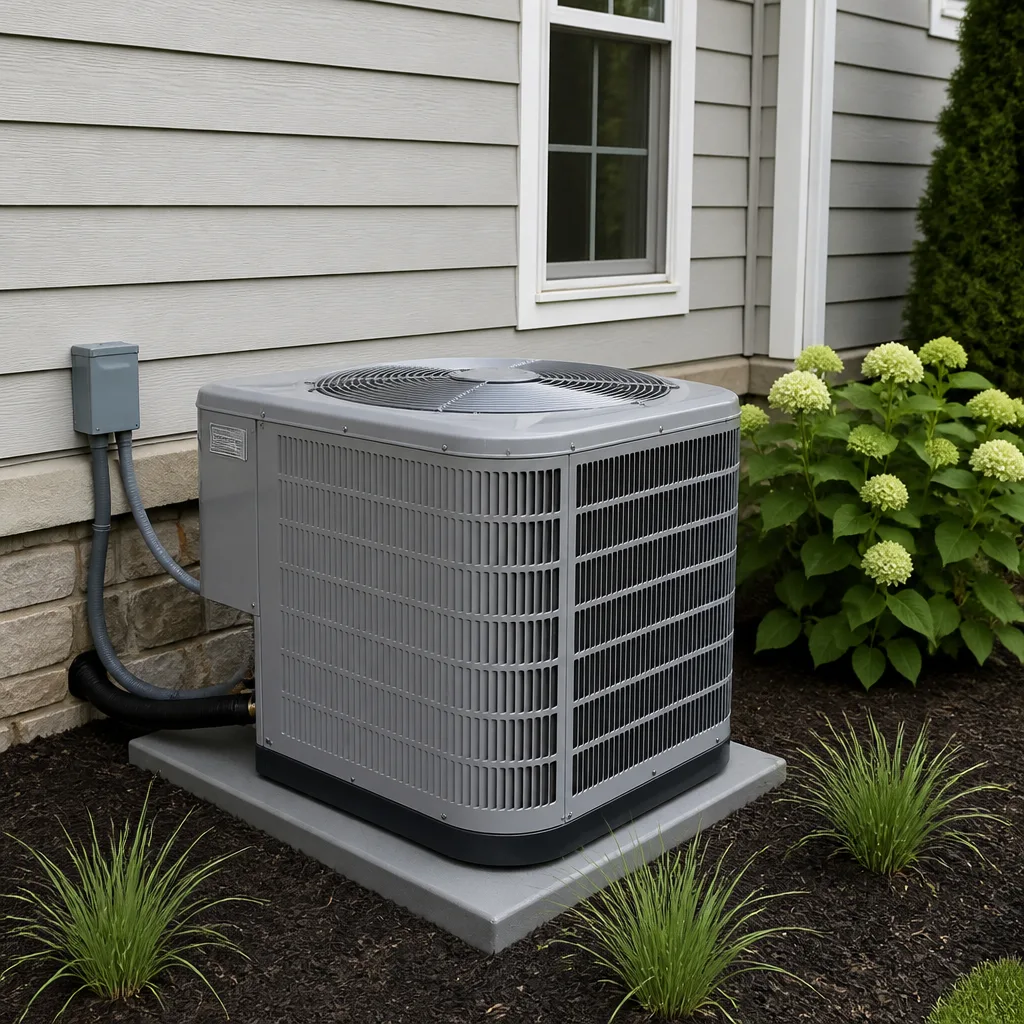 Carrier
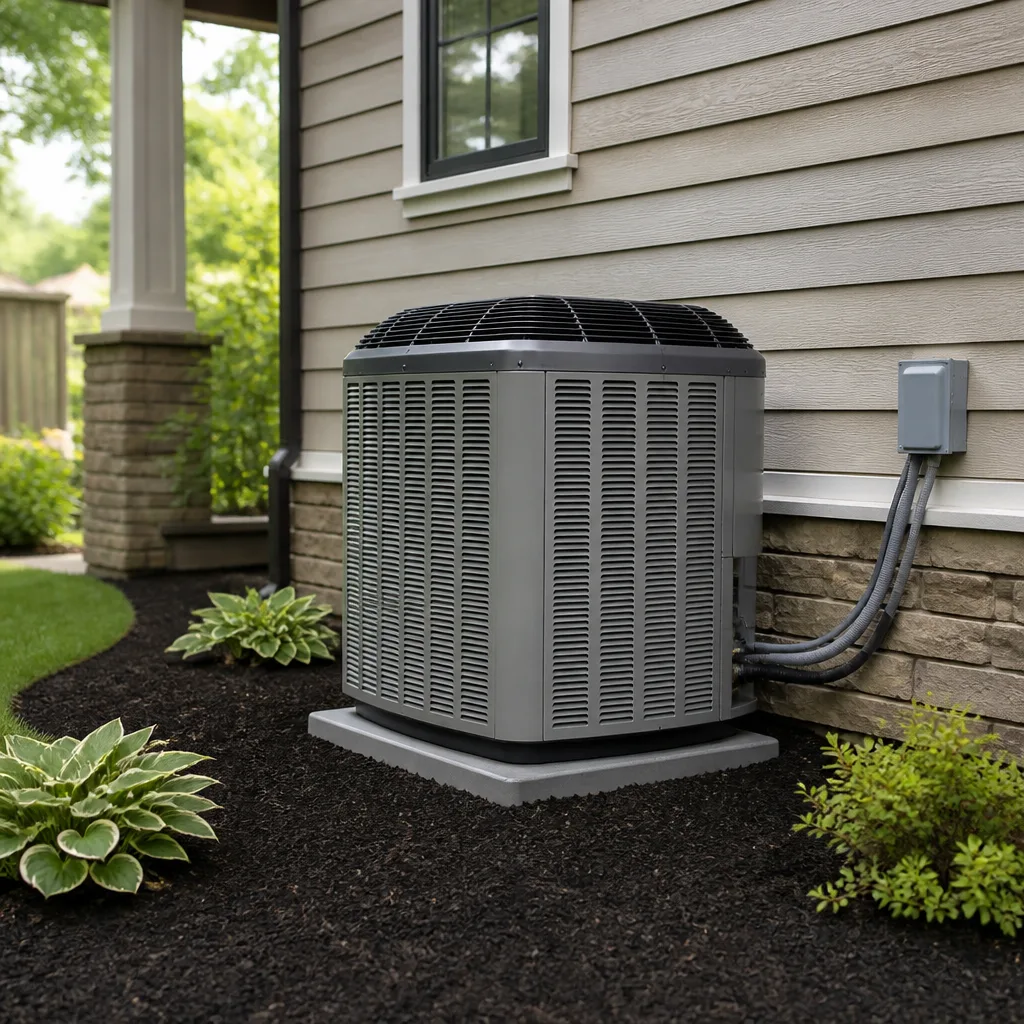 Trane
Trane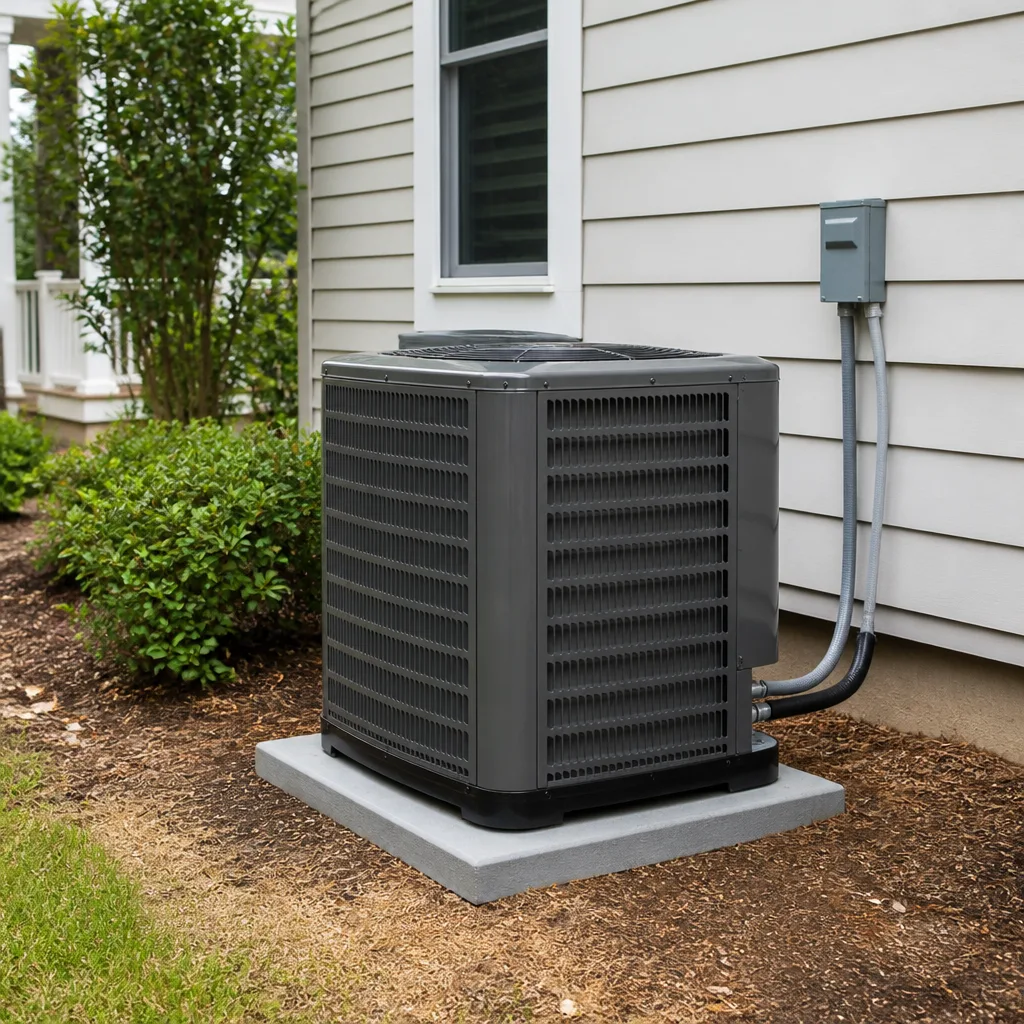 Goodman
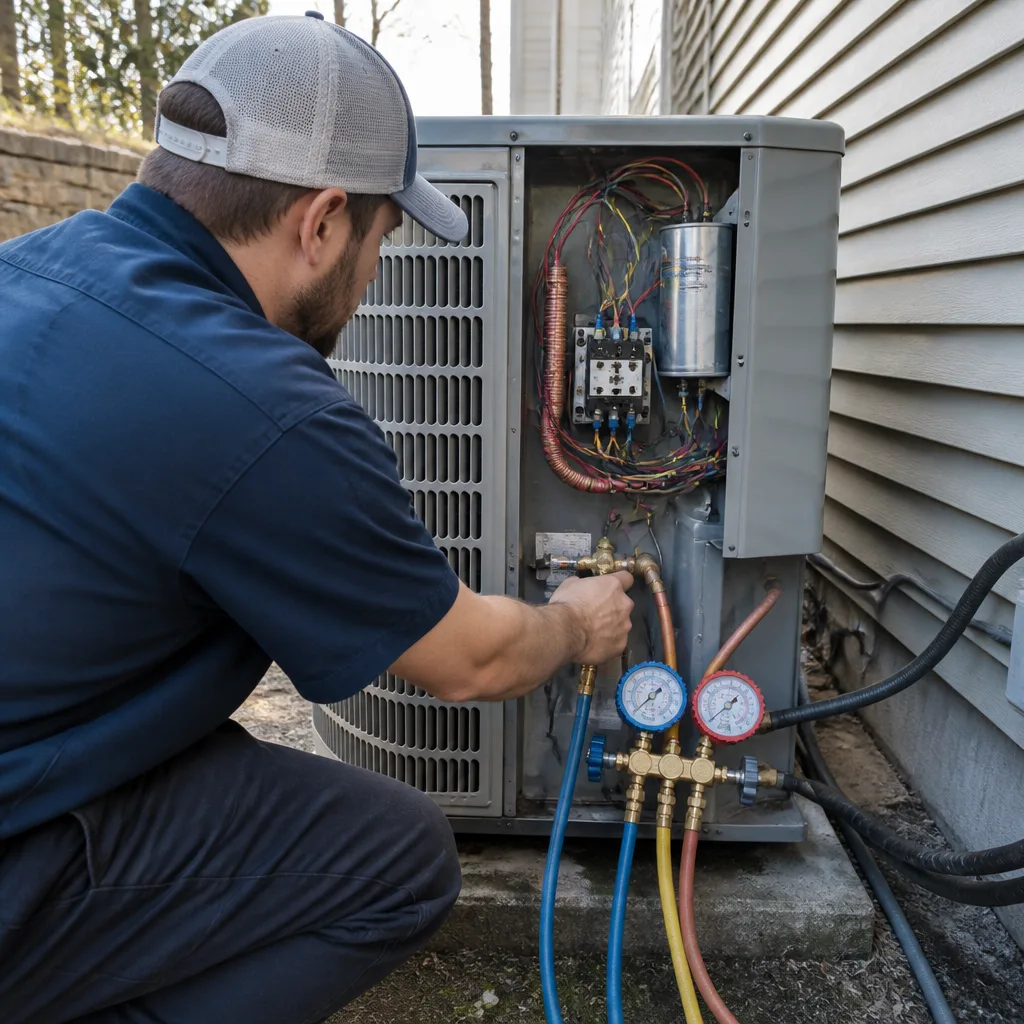
Seasonal tune-up and full diagnostic on your Carrier, Trane, or Goodman system - readings shown to you before any repair is proposed
Diagnosis first, numbers second - you approve the repair price before a single part goes in.
Get your free estimateHVAC Cost Breakdown: The New York Homeowner’s Reference for 2026
The national average for a central AC replacement gets quoted around $5,000 all the time. Walk into a co-op board meeting or a brownstone renovation in New York and the same job lands between $9,000 and $14,000, sometimes more. The gap is not a contractor inflating the bill. It is permit fees, building access constraints, Con Edison coordination, and refrigerant disposal rules that don’t exist in a suburban cul-de-sac in Ohio. This guide breaks down exactly where the money goes on the five most common HVAC jobs in New York, line by line, so you can read a quote and know whether the number in front of you is honest. For HVAC Permits, Codes & Inspections in NY: What You Need to Know, see our dedicated resource.
Quick Answer
A full central AC replacement in New York City typically costs $9,000 to $14,000 including equipment, labor, permits, and disposal, while a furnace replacement runs $6,500 to $10,500, and a ductless mini-split installation averages $4,500 to $9,000 per zone. The premium over national averages comes from DOB permit filings, building access logistics, commercial disposal fees, and higher local labor rates, not contractor greed. For an exact quote on your building, call (934) 465-5501.
Styles & brands we work with
Table of Contents
- Furnace Replacement Cost in New York: Line-by-Line Breakdown
- Central AC Installation Cost in New York: What You’re Actually Paying For
- Ductless Mini-Split Installation Cost: The Overlooked Option for Older Buildings
- Steam Boiler Replacement Cost: The New York Special
- Diagnostic and Repair Visit Cost: What a Service Call Should Run
- The New York Cost Adders: Permits, Access, and Disposal Fees Explained
- How to Read an HVAC Quote: Labor, Parts, and Overhead Ratios That Make Sense
- Low-Ball vs. Competitive: What a 30% Cheaper Quote Actually Cuts
- NYSERDA and Con Edison Rebates: What Qualifies in 2026
- Common Mistakes to Avoid
- When to Call a Professional
- Frequently Asked Questions
Furnace Replacement Cost in New York: Line-by-Line Breakdown
Replacing a furnace in New York runs $6,500 to $10,500 for a standard forced-air unit in a single-family home or townhouse. A high-efficiency condensing furnace from York, Daikin, or Bryant lands at the upper end of that range, while a mid-efficiency 80% AFUE unit sits at the lower end. Here is where the money goes:
- Equipment: $2,800 – $4,500. The furnace itself. A Bryant 96% AFUE two-stage unit costs more than a Goodman 80% single-stage. You are paying for efficiency and quieter operation.
- Labor: $1,800 – $3,000. This covers removal of the old unit, installation of the new one, sheet metal transitions, gas line connection, and venting adjustments. New York union labor rates push this higher than most markets.
- Permit and filing fees: $300 – $800. The DOB requires a permit for fuel-fired equipment replacement. Filing takes time and costs money.
- Disposal and haul-away: $150 – $400. Old furnaces contain scrap metal but also regulated materials. Commercial disposal in New York is not cheap.
- Access and logistics: $200 – $600. Basement stairs, narrow hallways, freight elevator bookings if you’re in a co-op or condo. A walk-up brownstone with a basement-level mechanical room is manageable. A sixth-floor apartment with a service elevator that needs scheduling adds real time.
- Startup and testing: $150 – $350. Combustion analysis, gas pressure checks, airflow verification, thermostat calibration.
Furnaces in New York work hard. Winters run cold and long, and a unit that is undersized or installed sloppily shows its weakness by February. We replace furnaces that failed early because someone skipped a combustion test or reused a corroded flue pipe to save an hour of labor. That is exactly why our Cold Harbour Heating and Air New York home team writes down the guarantee before we leave: if something fails in the first 365 days, we come back and fix it at no charge.
Central AC Installation Cost in New York: What You’re Actually Paying For
A central AC installation in New York runs $9,000 to $14,000 for a complete system including condenser, evaporator coil, line set, and labor. If ductwork is being added or substantially modified, add $3,000 to $7,000. The condenser itself is only about a third of the job. The rest is everything New York throws at the process.
Here is a typical breakdown for a 3-ton American Standard or Trane system in a Brooklyn brownstone or Queens detached home:
- Condensing unit: $3,200 – $5,000. Outdoor unit, typically 14 – 18 SEER2 for most New York installs.
- Evaporator coil and line set: $900 – $1,500. The indoor coil that pairs with the outdoor unit, plus copper refrigerant lines.
- Labor: $2,500 – $4,000. Includes removing the old system, brazing connections, pulling a vacuum, charging refrigerant, and electrical work.
- Permit and DOB filing: $400 – $900. Air conditioning permits are required in New York City, and filing fees have climbed steadily.
- Refrigerant recovery and disposal: $200 – $500. Old refrigerant must be recovered under EPA rules, and New York adds its own handling requirements.
- Electrical upgrades: $300 – $1,500. Older buildings often need a new dedicated circuit or an upgraded disconnect. A pre-war building with a 60-amp panel may need a subpanel.
- Crane or roof access: $500 – $3,000. If the condenser goes on a roof that cannot be reached by stairs, crane time gets billed by the hour. This is a New York line item that rarely appears elsewhere.
We have seen roof-access jobs where the crane alone cost more than the condenser. That is not a contractor padding the bill. That is the logistics of installing equipment on a four-story walk-up with no roof hatch. For our full process on AC work across the city, see our AC Repair in New York page.
Ductless Mini-Split Installation Cost: The Overlooked Option for Older Buildings
Ductless mini-split installation in New York runs $4,500 to $9,000 per zone, meaning a single indoor unit paired with one outdoor condenser. A three-zone system serving three rooms runs $12,000 to $20,000 installed. For buildings without existing ductwork, pre-war apartments, and homes where running ducts would mean tearing out ceilings, mini-splits are often the only realistic cooling option.
What drives the cost:
- Equipment per zone: $1,500 – $2,500. A Daikin or Bryant single-zone heat pump unit lands mid-range. Multi-zone outdoor units cost more but serve multiple indoor heads.
- Line set and condensate routing: $500 – $1,200 per zone. Refrigerant lines and drain tubing must run from the indoor head to the outdoor unit. In a New York apartment, that routing can mean drilling through masonry, running lines along interior walls, or concealing them in soffits.
- Electrical: $300 – $800 per outdoor unit. Mini-splits need a dedicated circuit.
- Mounting and finish work: $400 – $900 per zone. Wall brackets, line hide covers, and patching any drywall opened during install.
- Permits: $200 – $500. DOB permits apply to ductless systems too, especially when penetrations through exterior walls are involved.
A mini-split is not a budget version of central air in New York. It is a different tool for a different building type. For a pre-war co-op with steam heat and no ducts, a mini-split is the difference between cooling the apartment and not cooling it at all.
Steam Boiler Replacement Cost: The New York Special
Steam boiler replacement is a job that barely exists in most of the country and is completely routine in New York. Expect to pay $8,000 to $15,000 to replace a steam boiler in a brownstone or older single-family home, with most jobs landing between $9,000 and $12,000. The range is wide because the job depends heavily on what is already in the basement.
- Boiler unit: $3,500 – $6,500. Cast iron steam boilers are heavy, durable, and priced accordingly. A York or American Standard steam boiler runs toward the upper end.
- Labor: $2,500 – $5,000. Removing a 500-pound cast iron boiler from a New York basement is not a two-person job. It often involves cutting the old unit apart, moving it in sections, and wrestling the new one down narrow stairs.
- Near-boiler piping: $800 – $2,000. Steam boilers need properly configured headers and equalizers. Done wrong, the system bangs, spits water, and delivers uneven heat. This is the line item that separates competent steam work from a callback machine.
- Chimney liner: $600 – $1,800. Many New York homes need a new liner when switching to a higher-efficiency boiler, or the existing liner may be deteriorated.
- Permit and inspection: $400 – $900. Fuel-fired boiler replacement requires DOB filing and inspection.
- Disposal: $300 – $700. Cast iron gets recycled, but someone has to haul it up the stairs first.
Steam heat is unforgiving. We have walked into basements where a previous installer reused the old header piping because it looked fine, and the homeowner has been living with water hammer for three years. A correctly piped steam boiler runs quietly and heats evenly. That is the standard we hold, which is why every boiler replacement we do in New York includes a written 365-day guarantee.
Diagnostic and Repair Visit Cost: What a Service Call Should Run
A diagnostic visit in New York runs $125 to $225, which covers the technician’s time to travel to your building, perform a system evaluation, and identify the problem. The diagnostic fee is typically waived if you proceed with the repair. Most repairs then run $200 to $700 depending on the part and labor involved. A failed igniter on a furnace might land at $250. A compressor replacement on an AC unit can hit $2,000 to $3,500.
Common repair costs in New York for 2026:
- Capacitor replacement: $180 – $320. The most common AC failure point. A $25 part, 45 minutes of labor, and the trip to get there.
- Igniter replacement: $150 – $280. Furnace igniters wear out. This is a fast job, parts and labor included in the range.
- Thermostat replacement: $200 – $450. The thermostat itself can run $80 to $250, plus installation and setup.
- Blower motor replacement: $500 – $1,200. Variable-speed motors cost more than single-speed. Labor is significant because the motor is buried in the cabinet.
- Refrigerant recharge: $300 – $900. Topping off cooling fluid, plus leak testing when appropriate. A recharge without a leak test is a temporary fix, which is something we’ll tell you straight before we do it.
- Condensate line clearing: $125 – $250. Clogged drain lines cause water damage and system shutdowns. This is a quick, common repair.
- Compressor replacement: $2,000 – $3,500. The compressor is the heart of the AC. At this price point, a replacement system starts to make sense, and we’ll lay out both options honestly.
Every repair we do at Furnace Repair in New York comes with a written 365-Day Done Right Promise. If the repair fails within that year, we come back and fix it at no charge. No argument, no invoice, just the guarantee we put on paper before we leave.
The New York Cost Adders: Permits, Access, and Disposal Fees Explained
New York HVAC work is more expensive than the national average for reasons that have nothing to do with the quality of the equipment. The city adds layers of bureaucracy, logistics, and regulation that a contractor in New Jersey or Pennsylvania simply does not face. Understanding these adders helps you evaluate whether a quote is reasonable.
- DOB permit and filing fees: $300 – $1,500 depending on the job. Replacing a furnace or boiler requires permits. Installing AC requires permits. The filing process takes time, and the fees are fixed costs that get passed through to the homeowner.
- Building access and freight elevator booking: $100 – $600. In a co-op or condo, the freight elevator often needs to be booked in advance, sometimes through the building management office, sometimes with specific hours. A service elevator that is out of service can delay a job by weeks.
- Refrigerant recovery and EPA compliance: $150 – $400. Old refrigerant must be recovered and documented. New York enforces this strictly, and the documentation takes time.
- Disposal surcharges: $100 – $500. Commercial waste disposal in New York costs more than in most markets. Old equipment, packaging, and materials all cost money to haul away legally.
- Street parking and logistics: $50 – $300 per day. A technician’s van needs to park somewhere. In Manhattan, that means garage fees or commercial parking permits. In the outer boroughs, it means navigating alternate-side parking rules.
- Union labor rates: $180 – $450 per hour. Skilled HVAC labor in New York commands higher wages than in most of the country. You are paying for trained technicians who know the city’s codes and building types.
None of these costs are optional. A contractor who skips the permit saves you $500 on the quote and risks a DOB violation that can cost thousands later. We file permits on every job that requires one, because the alternative is a lien on your property and a system that was never inspected.
How to Read an HVAC Quote: Labor, Parts, and Overhead Ratios That Make Sense
An HVAC quote in New York should break down into three categories: equipment, labor, and fees (permits, disposal, access). Here is what a reasonable ratio looks like for a full system replacement:
- Equipment: 35 – 45% of the total. The furnace, condenser, boiler, or mini-split units themselves.
- Labor: 35 – 45% of the total. Installation time, removal of old equipment, testing, and startup.
- Fees and logistics: 10 – 25% of the total. Permits, disposal, access, crane time if applicable. On jobs with difficult roof access, this category can spike to 30% and still be legitimate.
If labor is 70% of the quote, something is off. Either the contractor is padding the bill, or the access situation is genuinely extreme. If equipment is 70%, ask what they are installing: premium equipment is fine, but no one needs a 25 SEER unit in a New York apartment that runs the AC four months a year.
A good quote also specifies model numbers, not just brand names. “York 3-ton 15 SEER2 condenser, model YXV” is a real quote. “3-ton AC unit” is an invitation for a contractor to install whatever is in the warehouse.
Low-Ball vs. Competitive: What a 30% Cheaper Quote Actually Cuts
When a New York contractor comes in 30% below the field, something has been cut. The equipment might be a lower tier, the permit might have been skipped, the labor might be unlicensed, or the disposal fee might get “forgotten” until the final invoice. Here is what a low-ball quote typically sacrifices:
- The permit. This is the most common cut. Saving $400 on a permit creates a violation that the DOB discovers when you sell the apartment or when a neighbor complains.
- Startup and testing time. A proper startup includes combustion analysis, refrigerant charge verification, and airflow measurement. Skipping these saves an hour of labor and risks a system that fails in the first season.
- Disposal. The old unit might get left at the curb, which is illegal in New York and creates a fine for you, not the contractor.
- Labor quality. A quote built on $90 per hour labor is either hiring unlicensed workers or planning to rush the job. Skilled New York HVAC labor costs more, and the work shows it.
- The guarantee. A verbal promise to “come back if anything goes wrong” is not the same as a written 365-day guarantee. If it is not on paper, it does not exist.
A genuinely competitive quote, by contrast, trims margin, not substance. It might use a mid-tier Daikin or Bryant unit instead of a premium model, or schedule the work in a shoulder season when demand is lower. It does not cut the permit, the disposal, or the startup testing.
NYSERDA and Con Edison Rebates: What Qualifies in 2026
New York has real money available for HVAC upgrades, but the qualifying criteria change regularly, and not every contractor stays current on them. Here is what to know for 2026:
- NYSERDA heat pump incentives. Cold-climate air-source heat pumps qualify for rebates through NYSERDA’s programs, with amounts that vary by system size and efficiency. Ductless mini-splits and ducted heat pumps both qualify, and the rebates are applied at the point of sale through participating contractors.
- Con Edison efficiency rebates. Con Edison offers rebates for high-efficiency AC units, heat pumps, and smart thermostats. The exact amounts depend on the equipment’s SEER2 and HSPF2 ratings. A 15 SEER2 unit qualifies for a smaller rebate than an 18 SEER2 unit.
- Federal tax credits. The Inflation Reduction Act’s 25C tax credit covers up to $2,000 for qualifying heat pumps and high-efficiency furnaces, and it can be combined with New York state incentives.
- Financing options. NYSERDA offers low-interest financing for approved efficiency upgrades through participating lenders. Many contractors also offer their own financing, though the terms vary widely.
We handle the paperwork for NYSERDA and Con Edison rebates on qualifying installations. The rebate application is part of the job, not an add-on service. If a contractor tells you the rebates “aren’t worth the effort,” they have not filed one in a while.
Common Mistakes to Avoid
- Accepting a quote without model numbers. A quote that says “3-ton AC” without specifying the make, model, and efficiency rating is a blank check. Demand specifics.
- Comparing quotes by total price only. A $9,000 quote with permits included is a better deal than a $7,500 quote where you get a DOB violation six months later.
- Skipping the permit to save money. In New York, unpermitted HVAC work gets discovered during co-op board reviews, refinancing appraisals, and home sales. The fix costs more than the permit ever did.
- Recharging refrigerant without finding the leak. A recharge without a leak test is a temporary bandage. The system will leak again, and you will pay again.
- Replacing a compressor on a 12-year-old system. At $2,000 to $3,500 for a compressor, a 12-year-old AC is often better served by a full replacement with a new warranty. A good contractor will show you both numbers.
- Ignoring the access issue when scheduling. In a co-op, confirm freight elevator availability before the install date. A blocked service elevator can delay the whole job.
- Choosing a contractor based on the lowest diagnostic fee. A $49 tune-up special often becomes a $900 “necessary repair” by the time the technician leaves. Demand a written price before any work begins.
When to Call a Professional
Some HVAC work is genuinely dangerous to attempt yourself. Furnace repair involves natural gas lines, carbon monoxide risk, and combustion safety. AC repair involves high-voltage electrical connections and refrigerants that require EPA certification to handle. Steam boiler work involves pressures and temperatures that can cause serious injury if the system is not handled correctly. If your system is making unusual noises, leaking water, short-cycling, or producing weak airflow, call a trained technician rather than opening the cabinet yourself. Cold Harbour Heating and Air New York offers free estimates throughout New York, and our phones are answered by a live person 24 hours a day, 7 days a week. Explore more guides & resources on our blog, or call (934) 465-5501. Call (934) 465-5501.
Frequently Asked Questions
A complete HVAC system replacement in New York typically costs $9,000 to $16,000 depending on whether you are replacing just the furnace, just the AC, or both together. The total includes equipment, labor, permits, and disposal. Call (934) 465-5501 for a written, upfront quote specific to your building.
New York HVAC costs more because of DOB permit fees, building access constraints like freight elevator booking and crane time, commercial disposal surcharges, refrigerant recovery documentation, and higher local labor rates. These costs apply to every legitimate contractor in the city, not just the expensive ones.
If your AC is over 12 years old and the repair costs more than 40% of a new system, replacement usually makes more sense. A compressor replacement on an old unit is often the tipping point. A good contractor will show you both the repair cost and the replacement cost and let you decide.
NYSERDA offers incentives for cold-climate heat pumps, Con Edison offers efficiency rebates for high-efficiency AC units and smart thermostats, and the federal 25C tax credit covers up to $2,000 for qualifying equipment. A qualified contractor handles the paperwork as part of the installation.
A standard furnace or AC replacement takes one day for the mechanical work, plus time for permit filing and inspection scheduling. A full boiler replacement or multi-zone mini-split installation can take two to three days. Access constraints in co-op buildings can add scheduling time before the work even begins.
A good quote includes specific model numbers, a line-item breakdown of equipment, labor, and fees, a fixed price that won’t change at the door, and a written guarantee on repairs. If a quote is vague, missing permit fees, or unusually low, ask what was cut to get there.
The Bottom Line
New York HVAC pricing is higher than the national average for real, specific reasons: permits, access logistics, disposal requirements, and labor rates that reflect the city’s cost of living. Understanding those drivers lets you evaluate quotes with confidence instead of suspicion. A fair quote breaks down equipment, labor, and fees, includes permits, specifies model numbers, and comes with a written guarantee. At Cold Harbour Heating and Air New York, we put the price in writing before any work begins, show up in the window we promised, leave the job site cleaner than we found it, and back every repair with our 365-Day Done Right Promise. For a free estimate on your New York system, call (934) 465-5501 or visit our AC Installation in New York page.
Written by Victor Mancini, Owner at Cold Harbour Heating and Air New York, serving New York since 2003.
See the difference
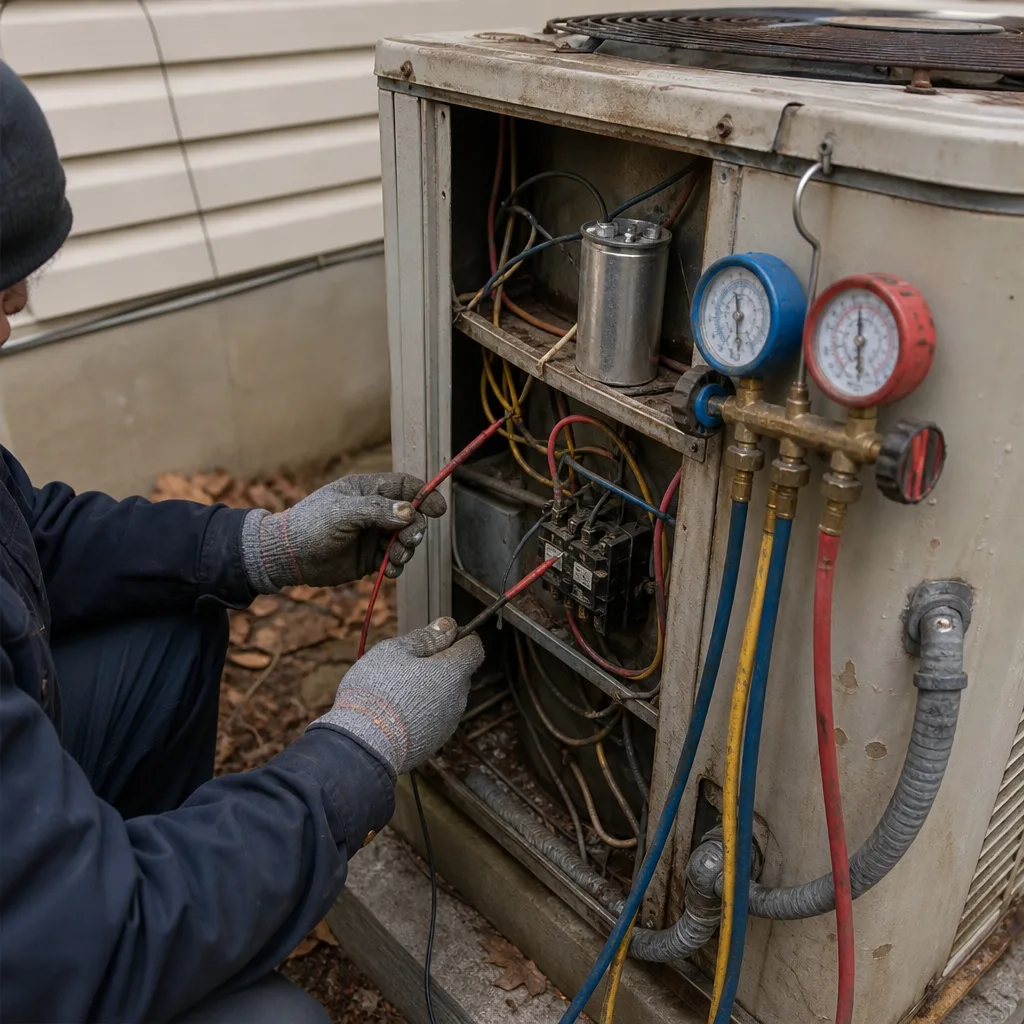 Before
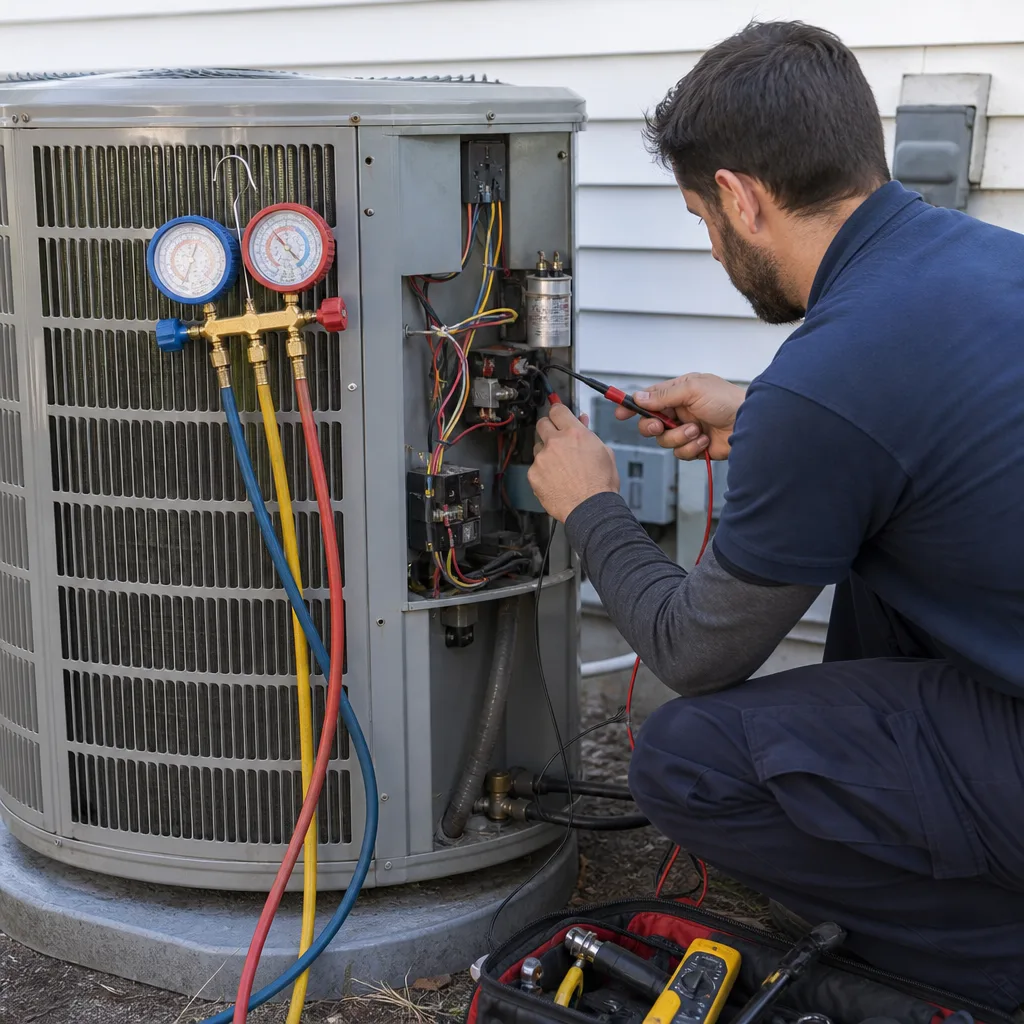 After
After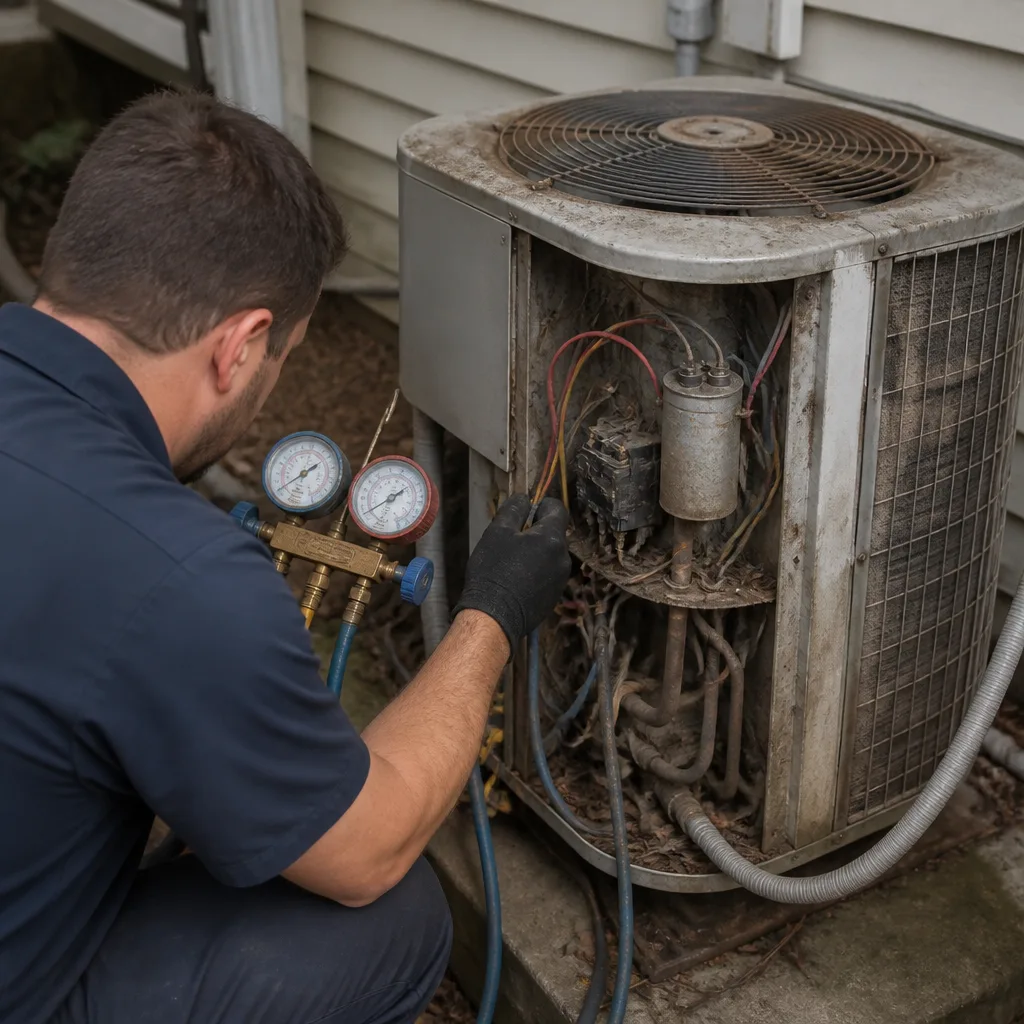 Before
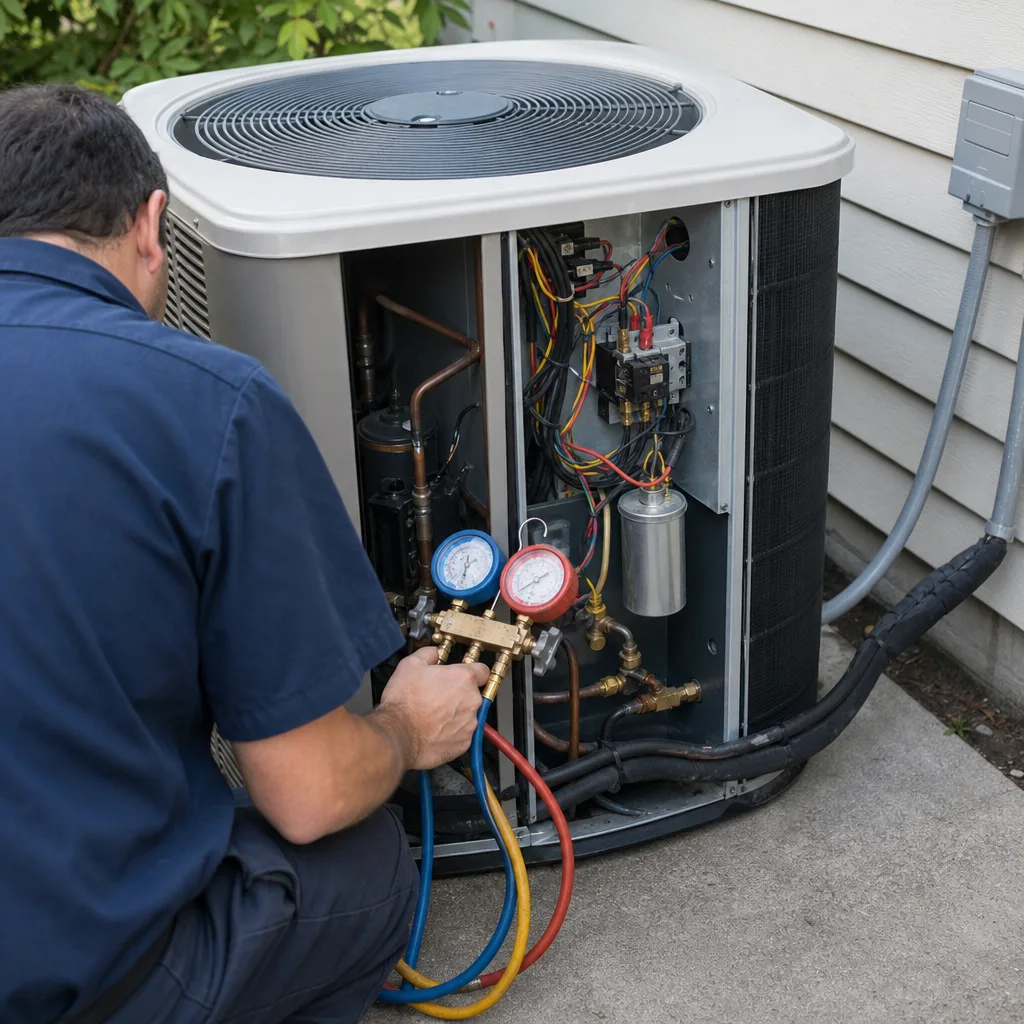 After
After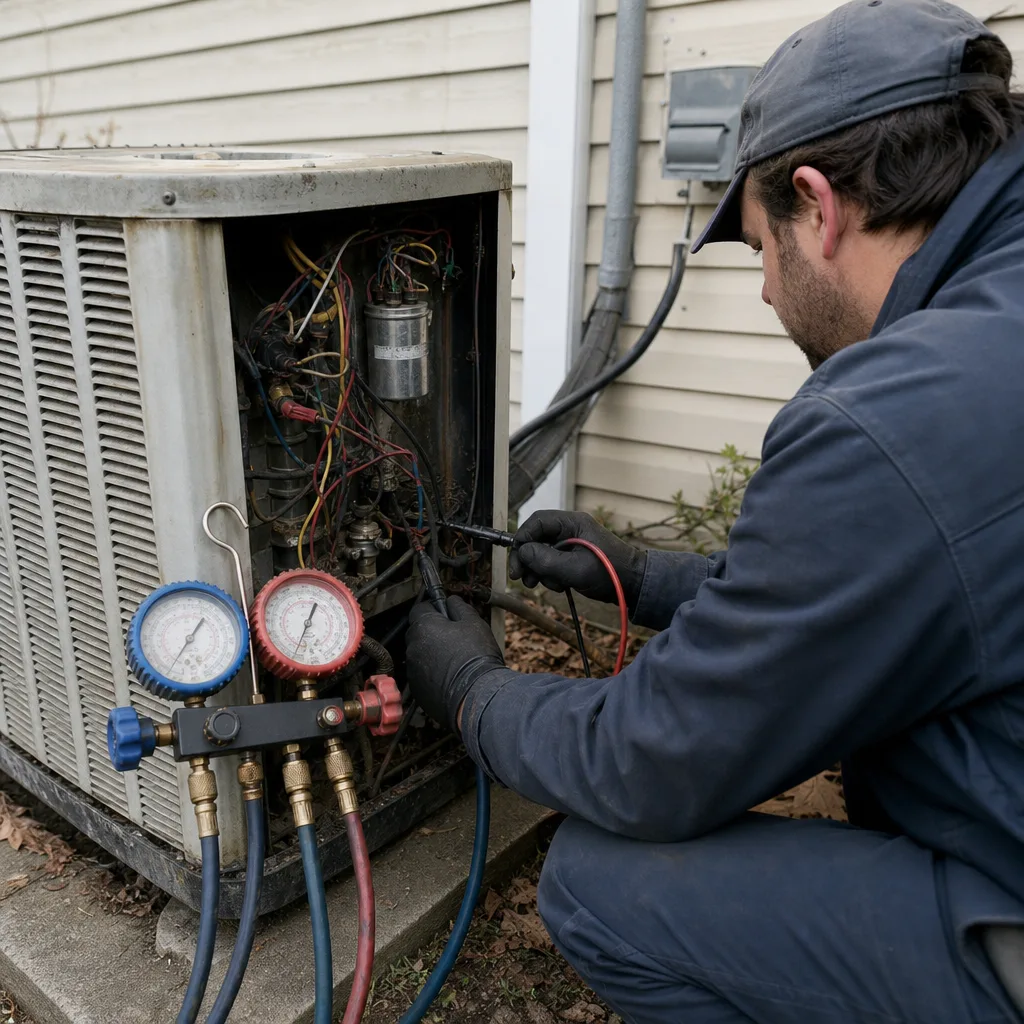 Before
 After
After