
Last updated October 16, 2026
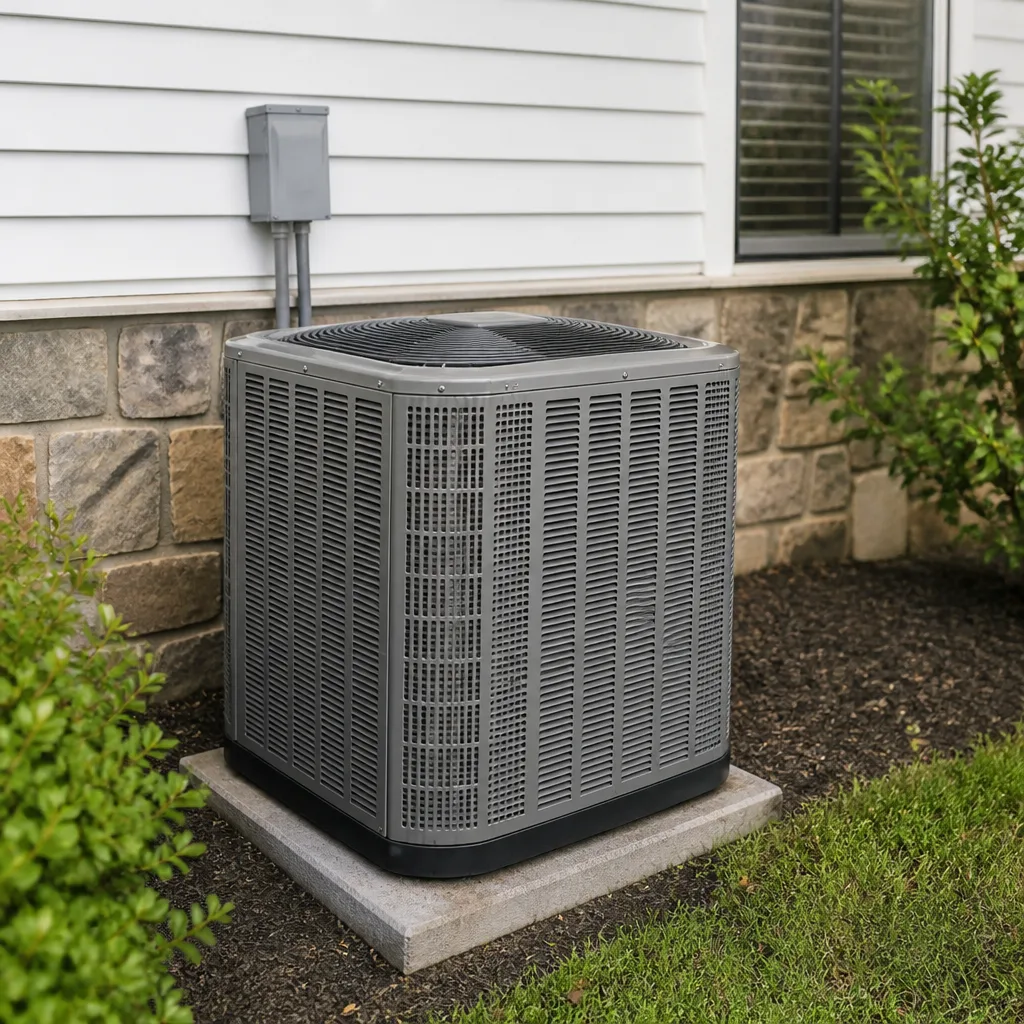 AC repair
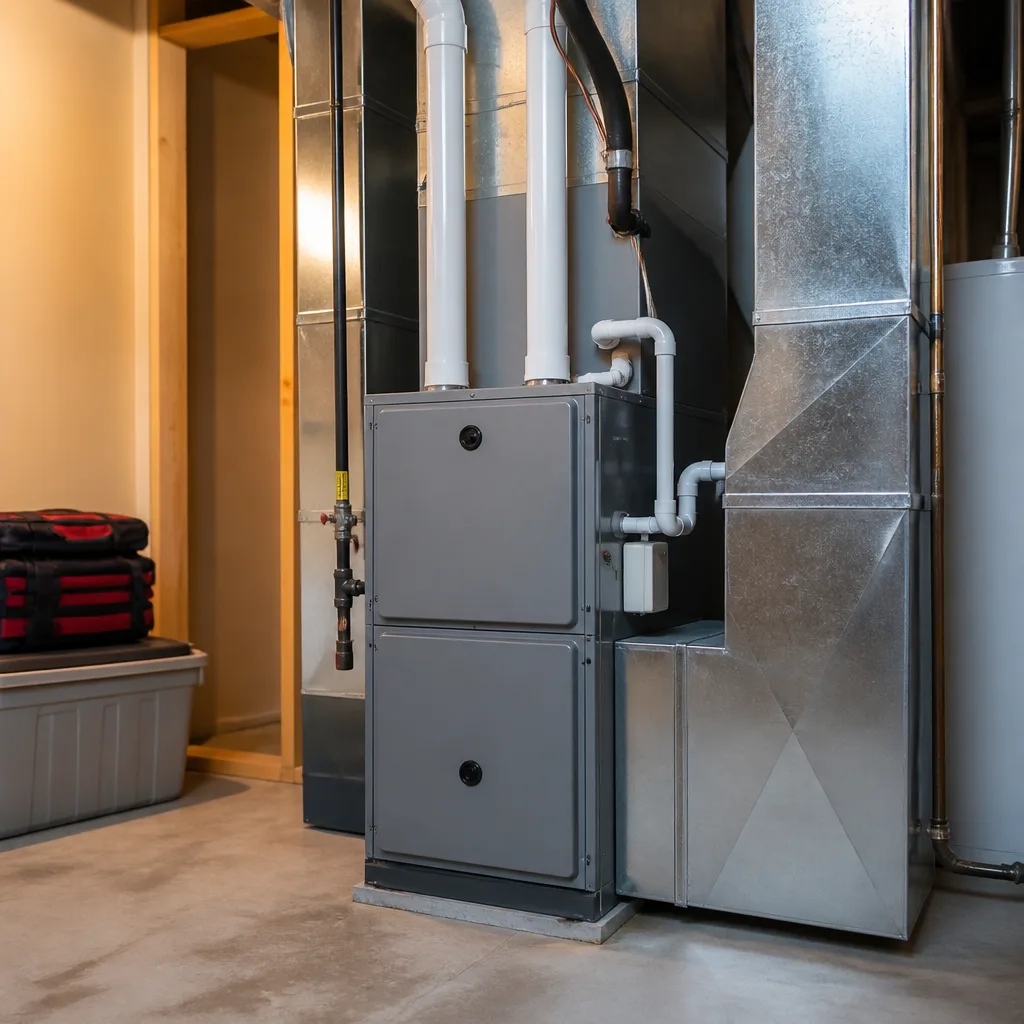 Furnace & heating
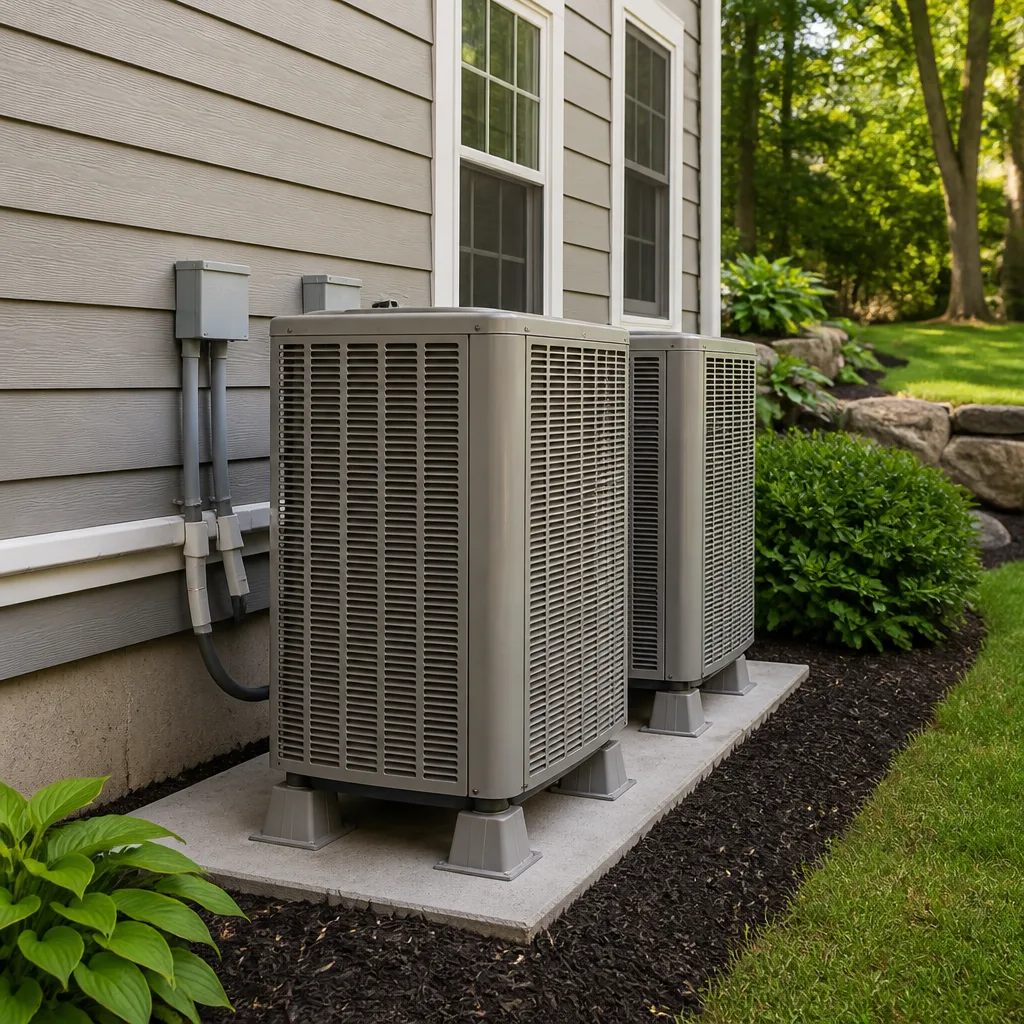 Heat pumps
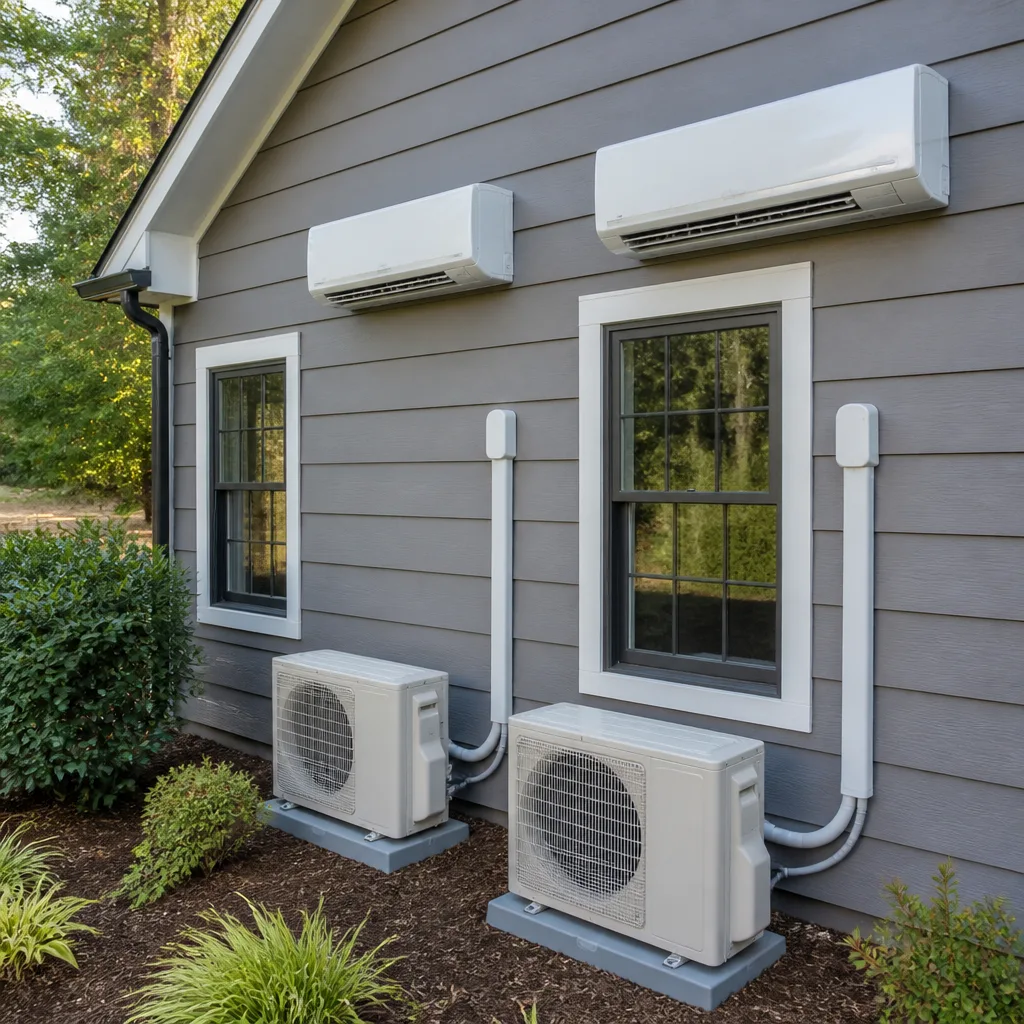 Ductless mini splits
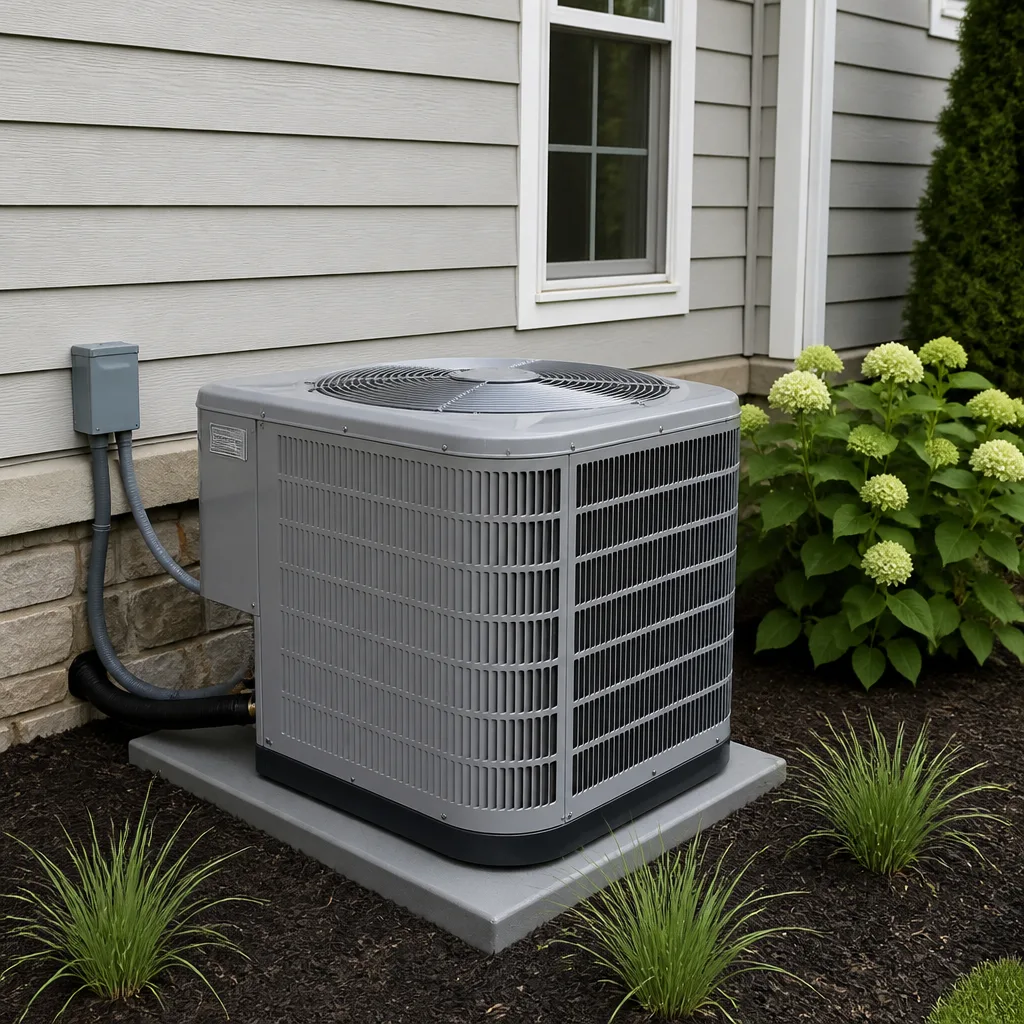 Carrier
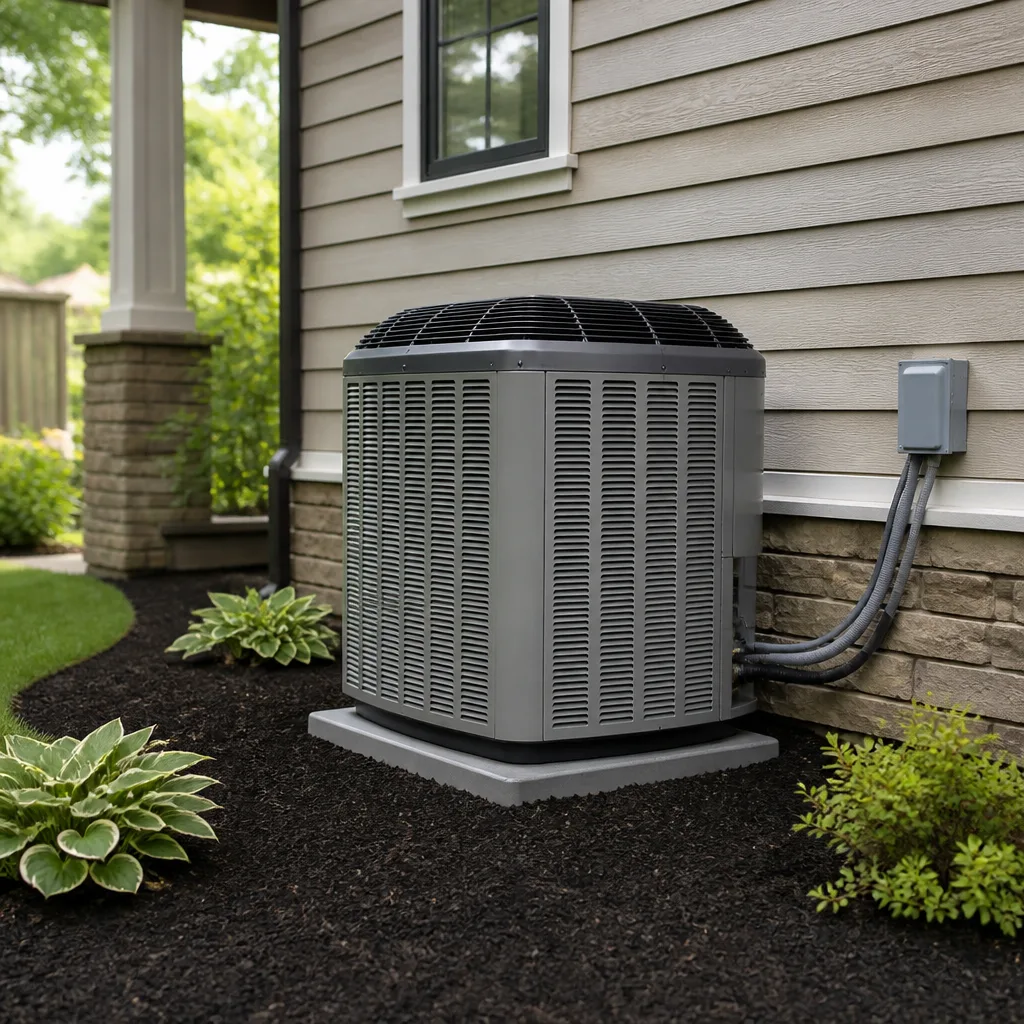 Trane
Trane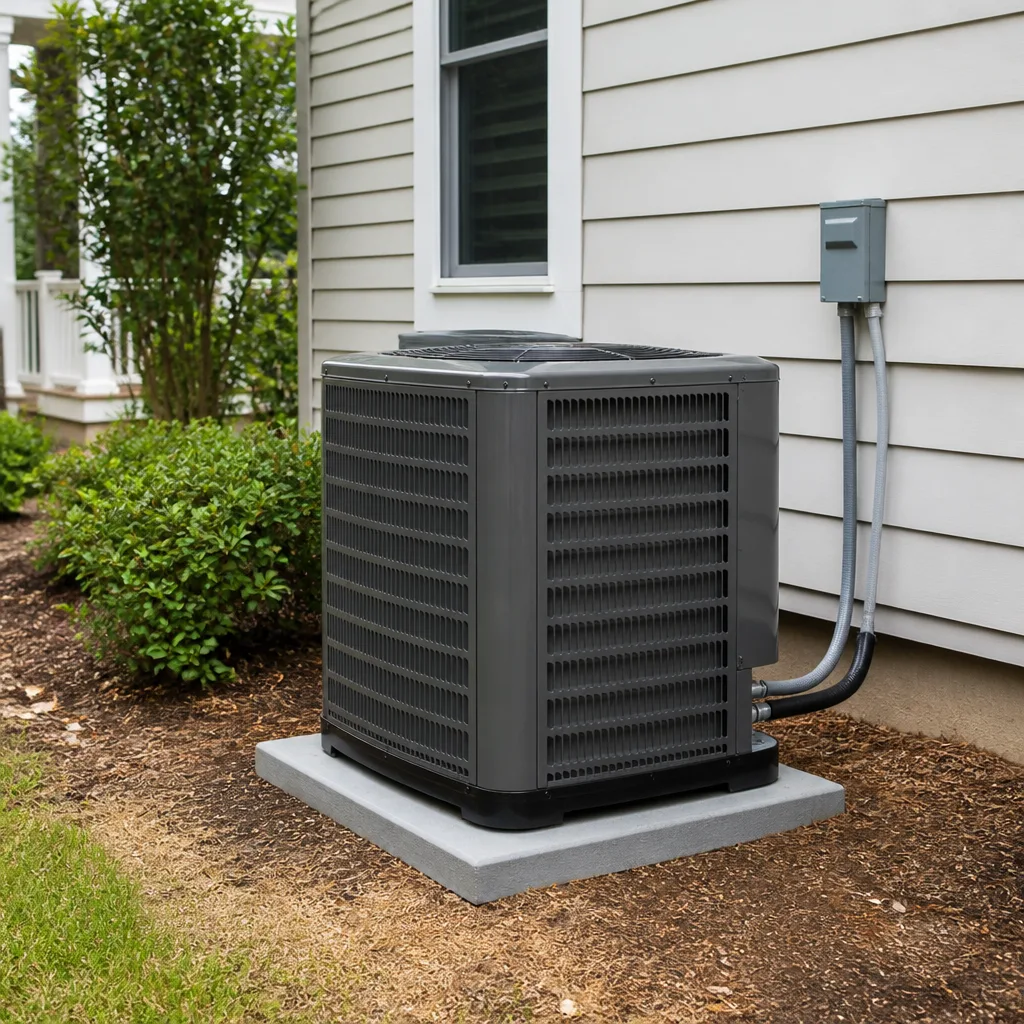 Goodman
Seasonal tune-up and full diagnostic on your Carrier, Trane, or Goodman system - readings shown to you before any repair is proposed
Diagnosis first, numbers second - you approve the repair price before a single part goes in.
Get your free estimateHVAC Permits, Codes & Inspections in NY: What You Need to Know
An unpermitted mini-split installation discovered during a co-op board review or a home sale can cost more to remediate than the original installation. The NYC Department of Buildings can require full removal and reinstallation by a licensed contractor, plus a violation fee, before issuing a Certificate of Correction. That’s a five-figure problem born from skipping a few hundred dollars in filing fees. This guide explains exactly when permits are required in New York, who is responsible for pulling them, what happens during a DOB inspection, and how to avoid the most expensive mistakes we see homeowners make every year. For more guides & resources, visit our blog.
Quick Answer
In New York City, most HVAC work that involves replacing equipment, altering ductwork, or adding new systems requires a DOB permit filed by a licensed contractor. In the rest of New York State, permit requirements vary by municipality, but the statewide Uniform Fire Prevention and Building Code still applies to all HVAC installations. The property owner is ultimately responsible for ensuring permits were pulled, even if the contractor handles the filing.
Styles & brands we work with
Table of Contents
- When Are HVAC Permits Required in New York?
- The Homeowner Exemption: What You Can and Can’t Do Yourself
- Alt-1, Alt-2, and Alt-3 Filings Explained
- How the NYC Energy Conservation Code Affects Your HVAC Work
- What Actually Happens at an NYC HVAC Inspection
- Co-op and Condo Approval: The Extra Layer Most Guides Skip
- What Permits and Filings Cost in New York
- What Happens If Work Was Done Without a Permit
When Are HVAC Permits Required in New York?
New York City operates under its own building code, separate from the rest of the state. The NYC Department of Buildings (DOB) requires permits for most mechanical work that goes beyond basic maintenance. Here’s the practical breakdown:
| Project Type | DOB Permit Required? | Typical Filing Type | Notes |
|---|---|---|---|
| Full furnace or boiler replacement | Yes | Alt-2 | Requires licensed contractor to file |
| Central AC condenser replacement (like-for-like) | Yes | Alt-2 | Even same-size swaps need a filing |
| New mini-split system installation | Yes | Alt-2 | Includes running new refrigerant lines |
| Ductwork modification or new duct installation | Yes | Alt-2 or Alt-3 | Depends on scope of changes |
| Thermostat replacement only | No | N/A | Low-voltage device, no permit needed |
| Filter changes, coil cleaning, basic maintenance | No | N/A | Routine service work is exempt |
| Gas line work for new equipment | Yes | Alt-2 | May also require LAA filing with DOB |
| Electrical circuit addition for HVAC | Yes | Electrical permit | Separate filing, same contractor can often handle |
Outside New York City, permit requirements vary by town, village, or county. Westchester, Nassau, and Suffolk counties each have their own building departments with different thresholds for when mechanical permits kick in. Some municipalities require a permit for any equipment replacement; others only for new installations or fuel-type conversions. The rule that never changes: the property owner is the one who gets cited if a permit was required and never pulled.
We tell every homeowner in New York the same thing before starting an AC installation: ask the contractor to show you the filed permit. A legitimate contractor will have a DOB filing number or municipal permit in hand before work begins. If they hesitate, that’s your answer.
The Homeowner Exemption: What You Can and Can’t Do Yourself
New York State law allows homeowners to perform certain work on their own single-family homes without hiring a licensed contractor, but the exemption is narrower than most people think. In NYC, a homeowner can do minor repairs and maintenance on their own property without a permit. Replacing a thermostat? Fine. Swapping a capacitor on an AC unit? Allowed. Installing a new boiler or running gas lines? Not allowed under the homeowner exemption.
Here’s what the NYC homeowner exemption covers regarding HVAC work:
- Routine maintenance: filter changes, coil cleaning, condensate line clearing, thermostat battery replacement
- Minor component replacement: capacitors, contactors, igniters, flame sensors, pressure switches
- Cosmetic work: vent covers, register replacement, insulating exposed ductwork in unfinished spaces
Here’s what it does NOT cover:
- Any gas-fired equipment installation – furnaces, boilers, gas water heaters connected to HVAC systems
- Refrigerant handling – recovering, adding, or charging refrigerant requires EPA Section 608 certification
- New electrical circuits – any wiring beyond swapping an existing device needs an electrical permit
- Ductwork installation or modification – this is defined as construction work, not maintenance
We’ve had homeowners in Queens and Brooklyn call us after attempting a DIY furnace swap, only to have their gas utility refuse to restore service because no permit was on file. These are the kinds of HVAC Warning Signs: A New York Homeowner’s Reference Guide moments that cost far more than calling a pro first. National Grid and Con Edison both require proof of permitted work before reconnecting gas service on new equipment. That’s not a bureaucratic formality. It’s a safety protocol, and it catches people every week.
If your furnace is acting up and you’re not sure whether the fix falls under maintenance or requires a permit, start with a furnace repair diagnostic. A licensed tech can tell you in one visit whether you’re dealing with a simple part swap or a code-triggering replacement. For cooling issues, our AC repair technicians do the same triage: identify the failure, explain the fix, and flag any permit requirements before doing the work.
Alt-1, Alt-2, and Alt-3 Filings Explained
If you’re doing permitted HVAC work in New York City, your contractor will file one of three application types with the DOB. The terminology sounds bureaucratic, but the differences matter because they affect cost, timeline, and who can do the work.
- Alt-1 Filing: This is the big one. An Alt-1 requires a New York State licensed professional engineer (PE) or registered architect (RA) to file the plans. It’s triggered by major structural changes, large-scale mechanical system redesigns, or work in buildings above certain size thresholds. A full HVAC replacement in a high-rise co-op or a project that relocates mechanical rooms would likely be an Alt-1. These filings take longer and cost more because of the professional involvement.
- Alt-2 Filing: This is the workhorse for residential HVAC. An Alt-2 can be filed by a licensed master plumber, licensed master electrician, or a registered design professional, depending on the scope. Most single-family furnace replacements, boiler swaps, and mini-split installations fall under Alt-2. The contractor’s license covers the filing, no outside engineer needed. This is what 90% of our residential HVAC permit filings in New York use.
- Alt-3 Filing: This is the minor-work category. Alt-3 filings cover small modifications, like replacing a section of ductwork, adding a return, or moving a thermostat line. It’s still a formal DOB filing with a permit number, but the review is lighter and the filing fee is lower.
The practical takeaway: when a contractor tells you they’re “pulling a permit,” ask which filing type. If they can’t tell you whether it’s an Alt-1, Alt-2, or Alt-3, they haven’t actually started the process. A real permit has a DOB number that you can verify on the DOB’s Building Information System (BIS) portal in about 30 seconds.
How the NYC Energy Conservation Code Affects Your HVAC Work
New York City’s Energy Conservation Code is based on ASHRAE 90.1, which sets minimum efficiency standards for heating and cooling equipment, duct insulation requirements, and control system mandates. When you pull a permit for HVAC work in New York, the installation has to comply with this code, not just with whatever the equipment manufacturer recommends.
Here’s what the Energy Code practically means for your permitted HVAC project:
- Equipment efficiency minimums: New furnaces in New York must meet minimum AFUE ratings (typically 80% for most installations, higher for new construction). New central AC units need minimum SEER2 ratings that vary by system type. Your contractor can’t legally install leftover stock that doesn’t meet current standards.
- Duct insulation requirements: Ductwork in unconditioned spaces (attics, crawlspaces, garages) must be insulated to R-8 minimum in most New York climate zones. Ducts in conditioned spaces need R-6. An inspector will check this, and uninsulated ducts are a common failure point.
- Thermostat requirements: The Energy Code requires that all new HVAC installations include a programmable thermostat. For most residential work, a basic programmable unit satisfies the requirement. Smart thermostats exceed it.
- Refrigerant phase-outs: New York has adopted EPA rules phasing out R-410A in favor of A2L refrigerants like R-32 and R-454B in new equipment. If you’re replacing an old R-22 system, your contractor cannot legally install another R-22 unit. The replacement will use newer refrigerant, which sometimes requires line set modifications.
- Manual J sizing: The Energy Code requires that new equipment be sized using a load calculation (Manual J or equivalent), not a rule-of-thumb guess. An inspector can ask to see the load calc. Oversized equipment short-cycles, wastes energy, and fails earlier. Undersized equipment can’t hold temperature on the coldest or hottest New York days.
We mention this because homeowners sometimes get sticker shock when a “simple” replacement turns into a duct insulation upgrade or new line set. That’s why our Seasonal HVAC Care for New York: Year-Round Homeowner’s Guide recommends budgeting for code-compliant work from the start. That’s not a contractor padding the bill. That’s the Energy Code doing its job. A contractor who skips these requirements to keep the price low is setting you up for a failed inspection and a do-over that costs more than doing it right the first time.
What Actually Happens at an NYC HVAC Inspection
You filed the permit. The work is done. Now the DOB inspector comes. Here’s the step-by-step, based on what we see on almost every permitted HVAC job in New York:
- Scheduling: Your contractor requests an inspection through the DOB’s online portal. Inspection dates are typically 3-10 business days out, depending on the borough and workload.
- Who shows up: A DOB inspector assigned to the borough where the property is located. They carry DOB identification and will have the permit number and scope of work on file.
- What they check on a furnace or boiler replacement: The inspector verifies the equipment matches what was filed (make, model, BTU input), confirms gas piping was done to code, checks venting for proper slope and material, verifies combustion air requirements are met, and confirms the emergency shutoff switch is in place and accessible.
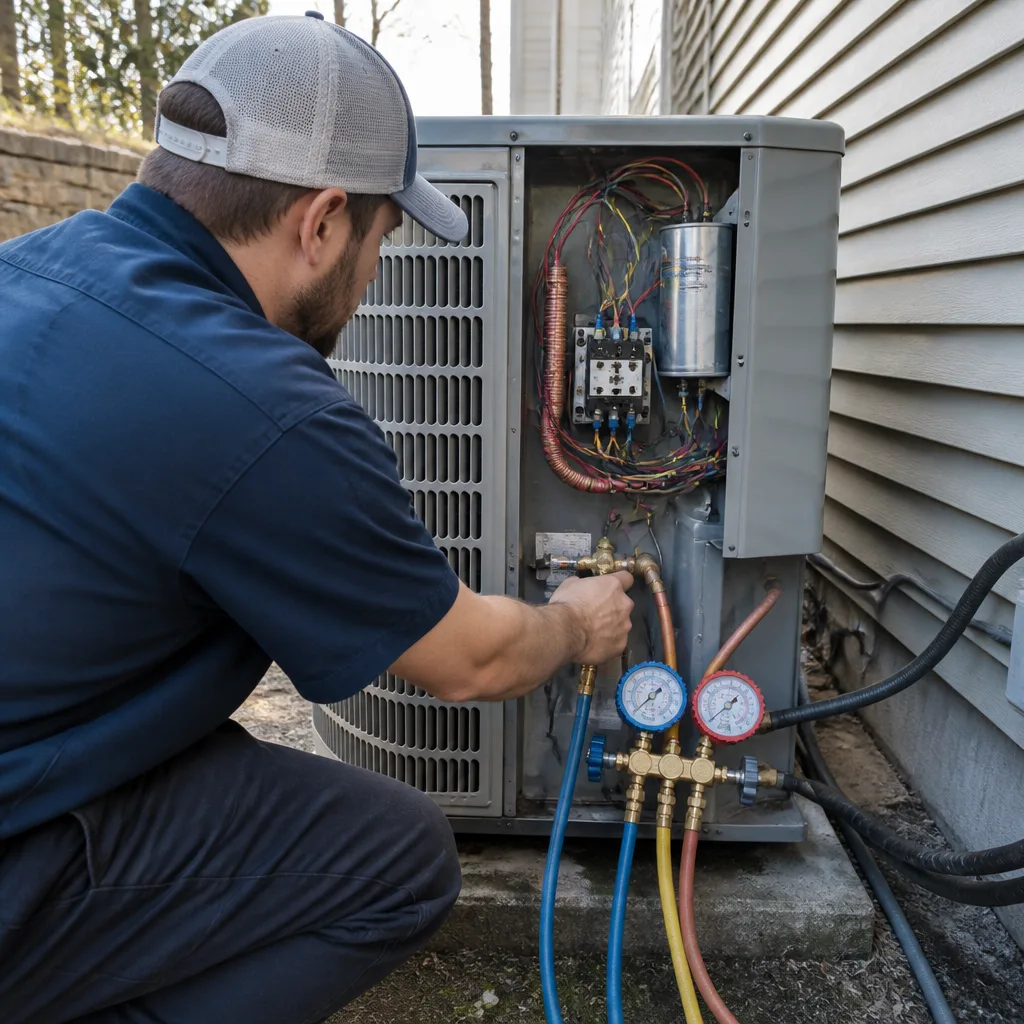
- What they check on a central AC installation: The inspector verifies the condenser matches the permit, checks the electrical disconnect location, confirms the pad or bracket mounting is secure, verifies refrigerant line insulation, and checks that the condensate drain terminates properly.
- What they check on a mini-split system: The inspector verifies indoor and outdoor unit placement, checks the line set routing and insulation, confirms electrical connections and disconnects, and checks that condensate lines drain to an approved location.
- Common failure points: Missing or incorrect signage, uninsulated ductwork, equipment that doesn’t match the filing, missing electrical disconnects, improper gas piping support, and combustion air problems. Most of these are fixable in one day, but they require a re-inspection, which means another scheduling cycle.
- Passing: When everything checks out, the inspector signs off in the DOB system. Your permit is now “signed off,” and the job is officially closed. This sign-off is the document you want to keep for resale records.
A failed inspection is not the end of the world. It happens on a meaningful percentage of first visits, even with good contractors. What matters is how the contractor responds. Ours is a simple standard: we correct the issue, schedule the re-inspection, and don’t charge for the return. That’s the kind of thing the 365-Day Done Right Promise is built for, and it’s how we’ve operated since Victor Mancini founded Cold Harbour Heating and Air in 2003.
Co-op and Condo Approval: The Extra Layer Most Guides Skip
If you live in a New York City co-op or condo, you have two approval processes to navigate, and they run on different clocks. The DOB doesn’t care what your board thinks, and your board doesn’t care that the DOB approved your filing. You need both.
The co-op board process typically works like this:
- Submit an alteration agreement request: Most co-ops require a formal alteration packet including contractor credentials, scope of work, insurance certificates, and proposed start and end dates.
- Board review: This can take 2-6 weeks depending on the building. Some boards review monthly. Some have an alteration committee that meets quarterly. Ask before you assume.
- Board approval conditions: Boards often require work hours restrictions (no work before 9 AM, none on weekends), freight elevator reservations, floor protection in common areas, and proof of the contractor’s DOB-issued license and liability insurance.
- Post-work requirements: Many boards require a copy of the signed-off DOB permit and a final inspection by the building’s managing agent before closing out your alteration file. Missing documents here can block a future sale.
Condos are similar but generally less restrictive since you own the unit. The condo board still has house rules about work hours, elevator use, and contractor insurance minimums, but the approval timeline is usually faster.
The mistake we see repeatedly: homeowners wait until the contractor is ready to start, then discover the board needs 4 weeks to approve. Good contractors will ask about board requirements during the estimate. We ask every New York homeowner during the quoting process whether they’re in a co-op or condo and whether an alteration agreement is in place. It changes the schedule, and pretending it doesn’t is how projects stall for a month.
What Permits and Filings Cost in New York
Permit costs in New York vary by municipality, but here are realistic ranges based on the work we file in the five boroughs and surrounding counties:
| Filing Type | Typical Cost Range | What It Includes |
|---|---|---|
| NYC DOB Alt-2 filing for furnace or boiler replacement | $300 – $700 | DOB filing fee, permit fee, contractor’s filing time |
| NYC DOB Alt-2 filing for mini-split or central AC installation | $300 – $700 | Same as above |
| NYC DOB Alt-1 filing (engineer-required projects) | $1,500 – $4,000+ | Professional engineer fees, DOB fees, plan review |
| Suburban municipal mechanical permit (Westchester, Nassau, Suffolk) | $100 – $400 | Local building department filing and inspection |
| Gas line inspection (where required by utility) | $75 – $250 | Utility-specific inspection, often separate from DOB |
These are line items on our written estimates. We don’t bury permit fees in a lump sum. Every quote from Cold Harbour Heating and Air New York lists the permit cost separately so you know exactly what you’re paying for. That’s the Kingswell Way: say the price before the work, show up in the window given, leave the place cleaner than found, put the guarantee in writing, come back if it fails.
One thing we tell every homeowner in New York: if a contractor says a permit isn’t needed for a furnace or AC replacement in NYC, get a second opinion. Most replacement work requires one. The contractor who dismisses permit requirements is either uninformed or intentionally cutting corners to win on price. Neither is a contractor you want touching your home.
What Happens If Work Was Done Without a Permit
This is the section most online guides skip, which is exactly why we wrote this page. Here’s what actually happens when unpermitted HVAC work is discovered in New York:
During a home sale: Buyers’ attorneys in New York routinely check DOB records during due diligence. If they find HVAC equipment that doesn’t match the permit history, they’ll demand either a legalization filing (called an “LAA” in DOB terms) or a price concession. Legalization filings require opening walls to expose the work for inspection, and they cost more than the original permit would have. In some cases, the seller has to pay to bring the work up to current code, not the code that applied when the work was done.
After an insurance claim: If your furnace or AC unit causes damage (fire from a faulty gas connection, water damage from an improper condensate drain) and the equipment was installed without a permit, your insurer may deny the claim. The denial isn’t because the insurer is being difficult. The policy language typically requires that mechanical systems be installed in compliance with applicable law. Unpermitted work violates that condition.
DOB violation notices: If a DOB inspector or a neighbor’s complaint flags unpermitted work, the property owner receives a violation. You have a deadline to correct it, and the correction process means hiring a licensed contractor to legalize the work. Fines start in the hundreds and scale from there, and unresolved violations create liens that complicate refinancing and sales.
Co-op and condo consequences: Boards take unpermitted work seriously because it affects their building’s insurance and certificate of occupancy. An unpermitted install discovered by a board can result in a demand to remove the equipment entirely. We’ve seen mini-splits ripped out of co-op units in Manhattan because the owner’s contractor skipped the board approval. The owner paid for the install, paid for the removal, and paid for the reinstall after going through the process properly. That’s a $15,000 lesson for a permit that would have cost $500.
The good news: if you’re reading this before doing the work, you’re already ahead of most people. Ask about permits at the estimate stage. Ask to see the filing number. Verify it on the DOB website. A contractor who files properly has nothing to hide. We put permit filings on every applicable Cold Harbour Heating and Air New York job, and our clients can verify the filing online before work starts.
Common Mistakes to Avoid
- Assuming the contractor handling permits means the homeowner is protected. If a contractor never files but tells you they did, the violation lands on you, not them. Always verify the filing number independently.
- Treating the homeowner exemption as a license to do anything. The exemption is for maintenance and minor repairs on your own single-family home. Gas work, refrigerant handling, and electrical circuits are all outside it.
- Skipping co-op or condo board approval to save time. Boards find out. The remediation is always more expensive than the approval process would have been.
- Comparing quotes without comparing permit inclusions. One contractor quotes $8,000 with permits included. Another quotes $7,500 without permits. The cheaper quote is more expensive once you pay for legalization later.
- Buying equipment online and hiring a contractor to “just install it.” Most licensed contractors won’t install homeowner-purchased equipment. Those who will often disclaim warranty and can’t certify the equipment meets Energy Code. The savings usually evaporate.
- Assuming older equipment can be swapped like-for-like without code upgrades. A 1995 furnace being replaced in 2025 triggers current code requirements including Energy Code compliance, proper sizing, and sometimes flue or combustion air modifications. The “like-for-like” replacement isn’t always simple.
- Ignoring permit requirements on rental properties. Landlords in New York face additional scrutiny. Unpermitted HVAC work in a rental unit is a tenant-safety issue, and housing courts take it seriously. The financial exposure is higher than for owner-occupied homes.
See the difference
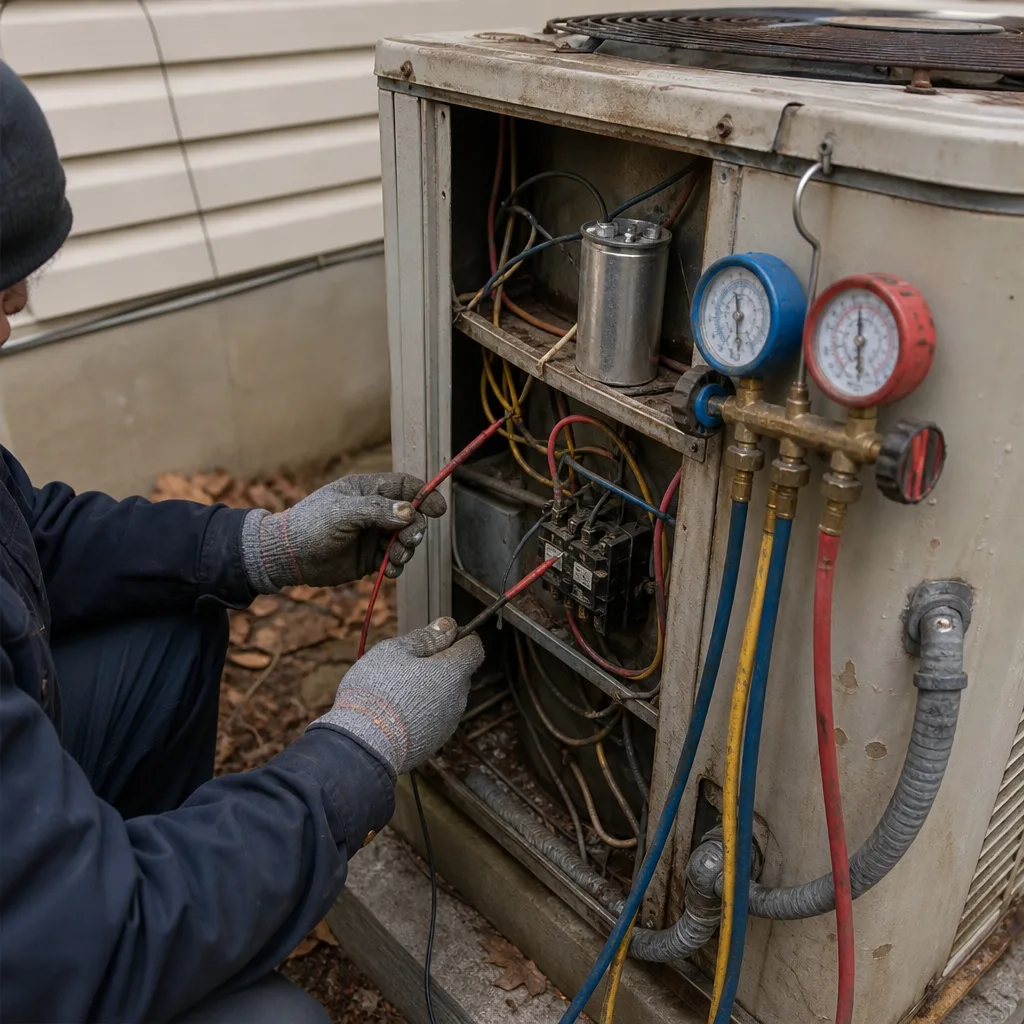 Before
 After
After Before
 After
After Before
 After
AfterWhen to Call a Professional
Any HVAC project involving gas lines, refrigerant, new electrical circuits, or equipment replacement in New York is a job for a licensed contractor. The licensing requirements exist because getting these systems wrong risks fire, carbon monoxide exposure, and structural damage. If your project requires a permit, it requires a permitted professional. If you’re not sure whether your project falls under the permit threshold, the fastest way to find out is to call a licensed contractor and ask. You can also review our AC Repair Maintenance Checklist for New York Homeowners to see what maintenance tasks don’t require a filing. We field these calls every day. If you’re in New York, Cold Harbour Heating and Air New York offers free estimates and will tell you honestly whether your project needs a filing or is a straightforward repair. Call (934) 465-5501 and a real person will answer, 24 hours a day, every day of the year.
Frequently Asked Questions
Yes. Furnace replacement in New York City requires a DOB permit, typically filed as an Alt-2 by a licensed contractor. The permit covers the equipment swap, gas connection verification, and final inspection. Call (934) 465-5501 if you’re planning a replacement and want the permit handled correctly from day one.
No. In New York City, HVAC permits must be filed by a licensed contractor or registered design professional. The homeowner exemption allows only maintenance and minor repairs on your own single-family home. Anything requiring a filing requires a licensed filer.
An Alt-2 filing for typical residential HVAC work in New York City is usually approved within a few business days if the filing is complete and correct. Alt-1 filings requiring engineer review can take 2-8 weeks. Municipal permits outside NYC vary from same-day to several weeks depending on the town.
Buyers’ attorneys in New York check DOB records during due diligence. Unpermitted HVAC work typically triggers either a legalization filing, a price concession, or both. Legalization costs more than the original permit would have, because it requires opening walls and bringing the work up to current code.
Yes. Mini-split systems require a DOB permit in NYC because the installation includes running new refrigerant lines and electrical circuits. Both items trigger code requirements and inspections. A mini-split installed without a permit can block a co-op sale and create insurance problems.
A failed inspection means the inspector found a code violation that must be corrected before the permit can be signed off. Your contractor fixes the issue and schedules a re-inspection. The re-inspection typically happens within a week. Contractors with written guarantees, like the 365-Day Done Right Promise, handle corrections without additional charges to you.
The Bottom Line
Permits in New York are not optional paperwork. They’re the mechanism that verifies your HVAC equipment was installed safely, to current code, and by a qualified contractor. Skipping them saves a few hundred dollars up front and creates thousands in exposure later, whether that exposure shows up at a home sale, an insurance claim, or a DOB violation notice. The process is manageable when you work with a contractor who treats permits as standard practice, not as an upsell. Ask for the filing number. Verify it online. Keep the signed-off permit with your home records. And if you’re planning HVAC work in New York and want a contractor who handles permits on every applicable job, call Cold Harbour Heating and Air New York at (934) 465-5501. Written price before work begins. Permit filed before equipment arrives. Guarantee on paper before the tech leaves.
Written by Victor Mancini, Owner at Cold Harbour Heating and Air New York, serving New York since 2003.