
Last updated October 16, 2026
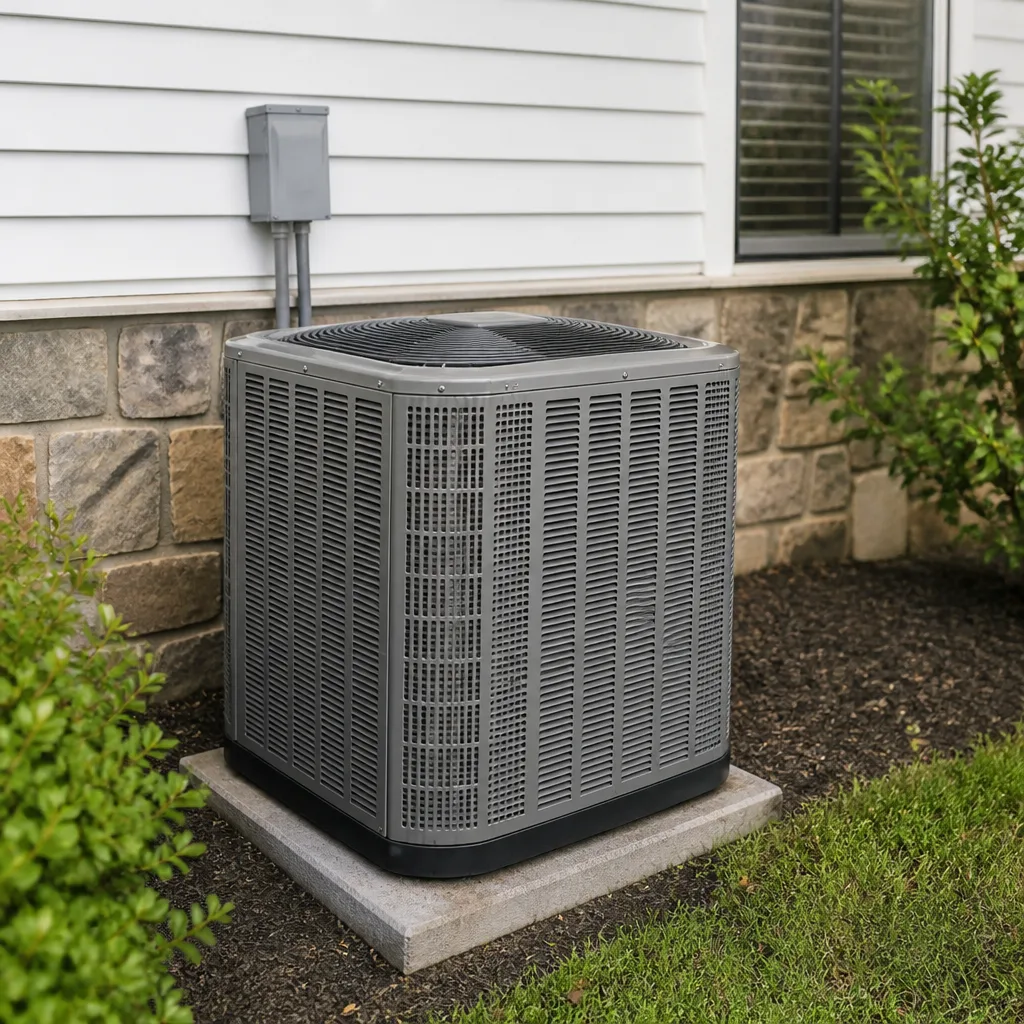 AC repair
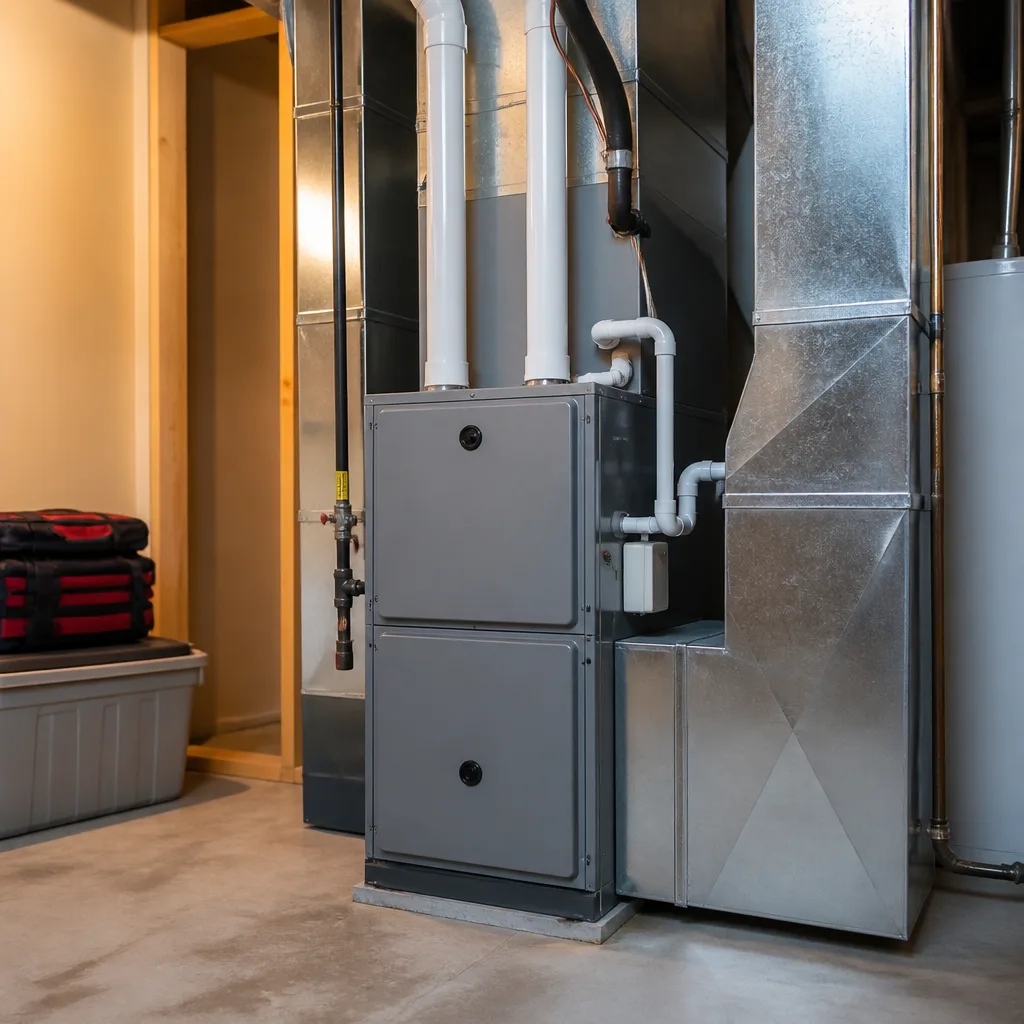 Furnace & heating
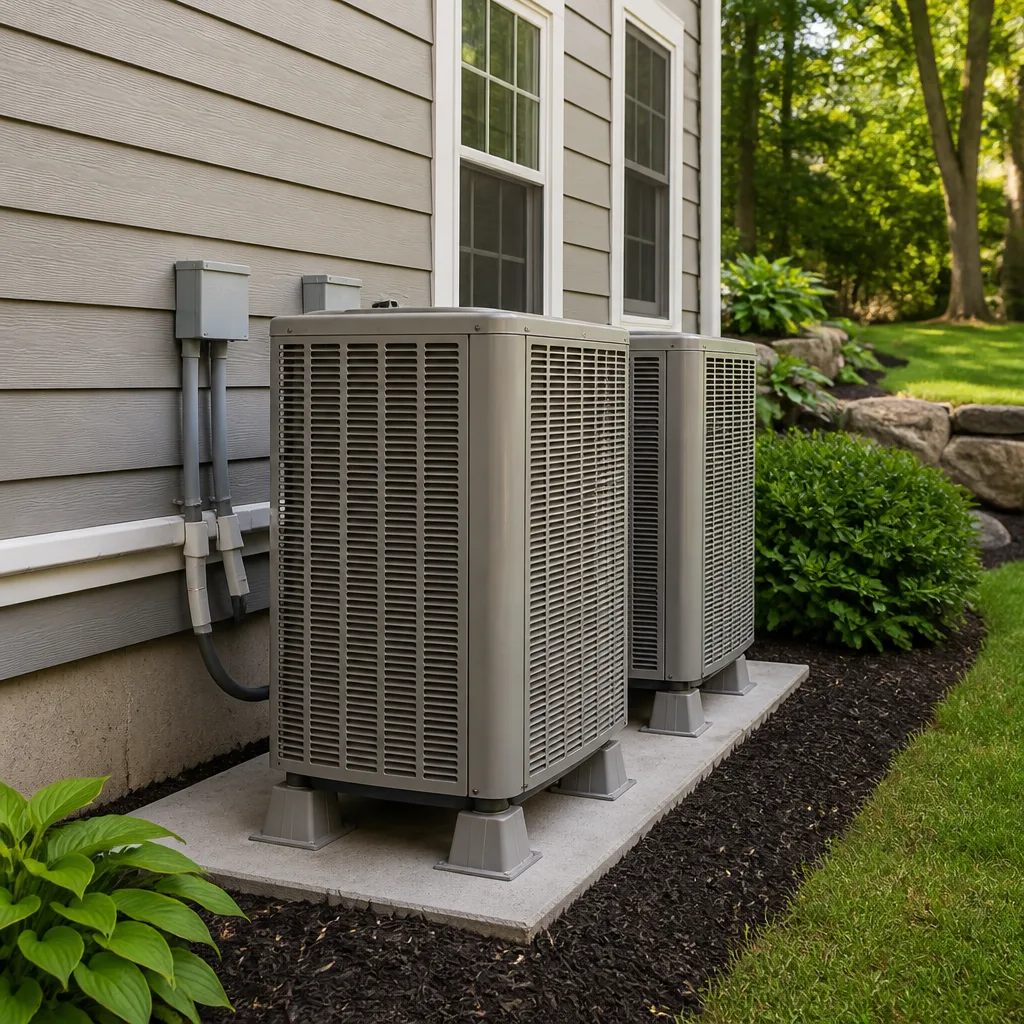 Heat pumps
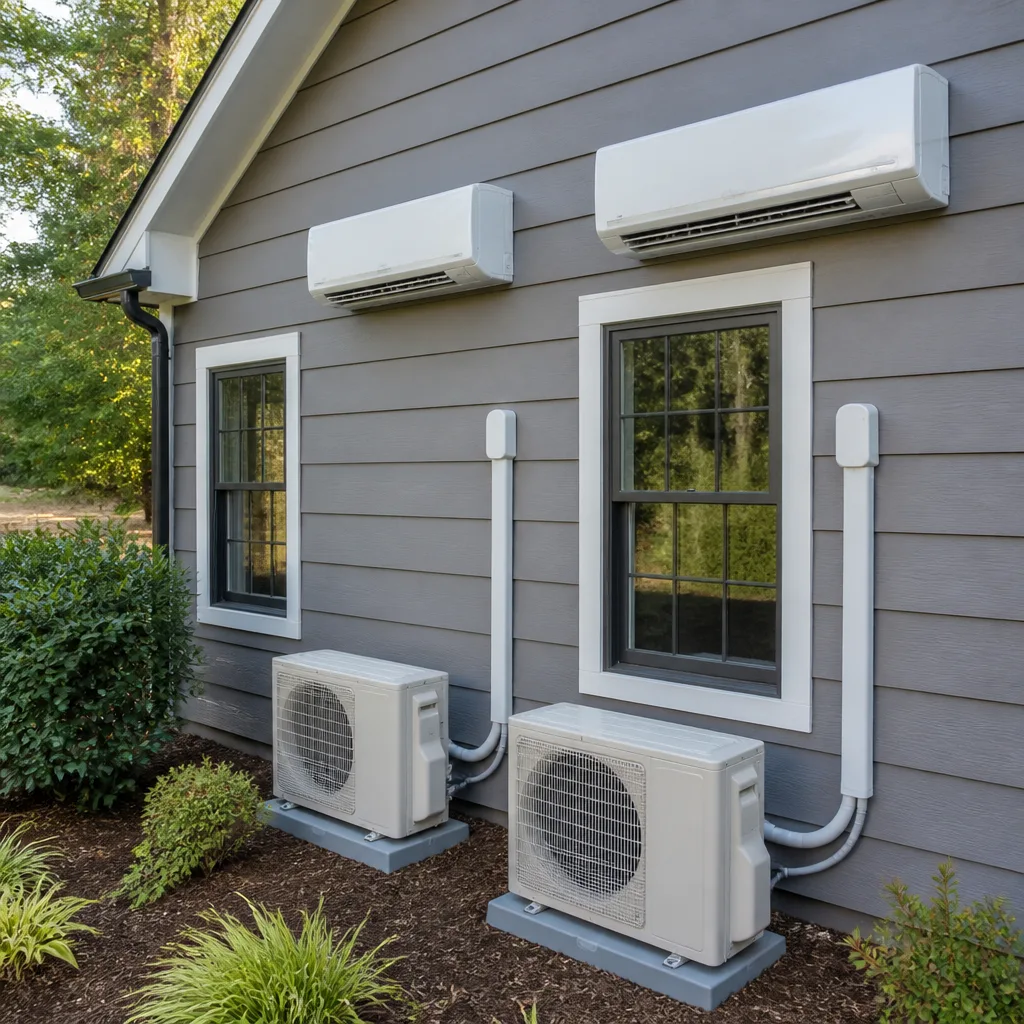 Ductless mini splits
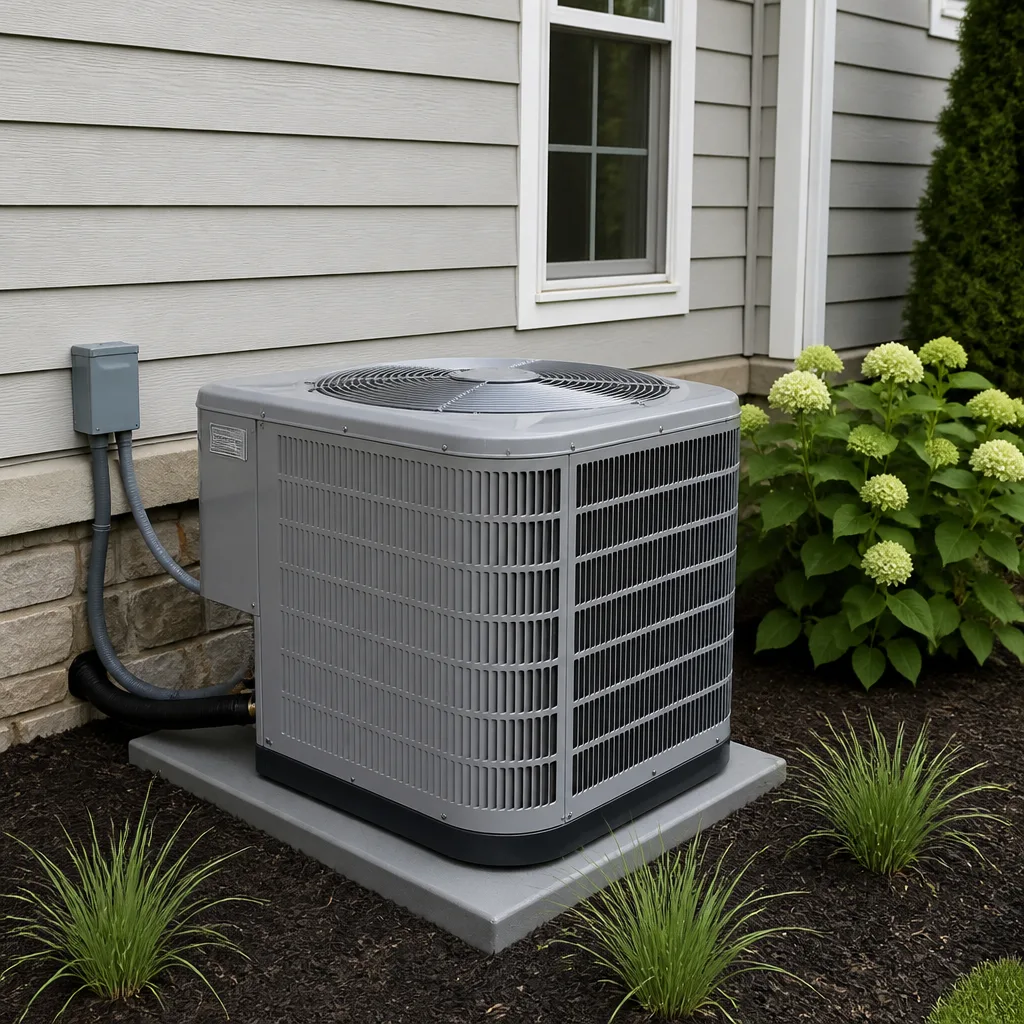 Carrier
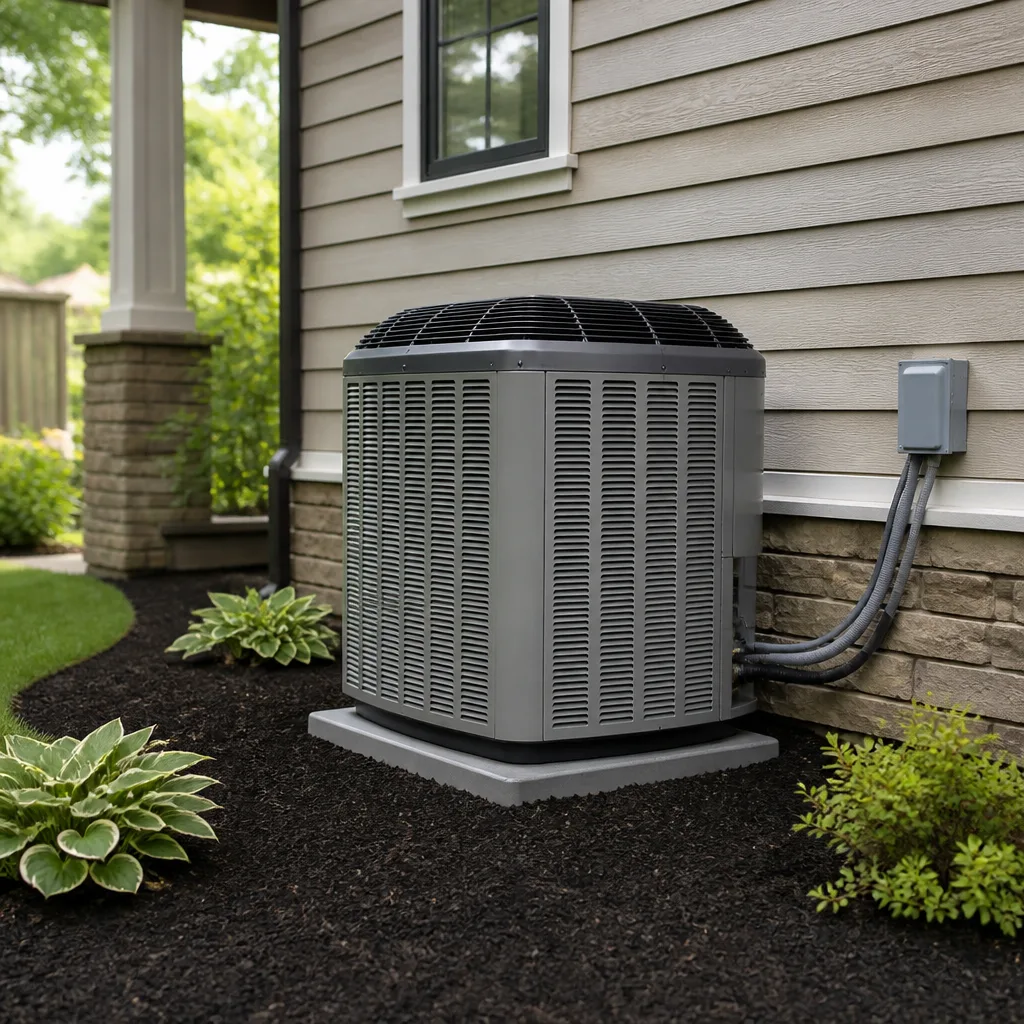 Trane
Trane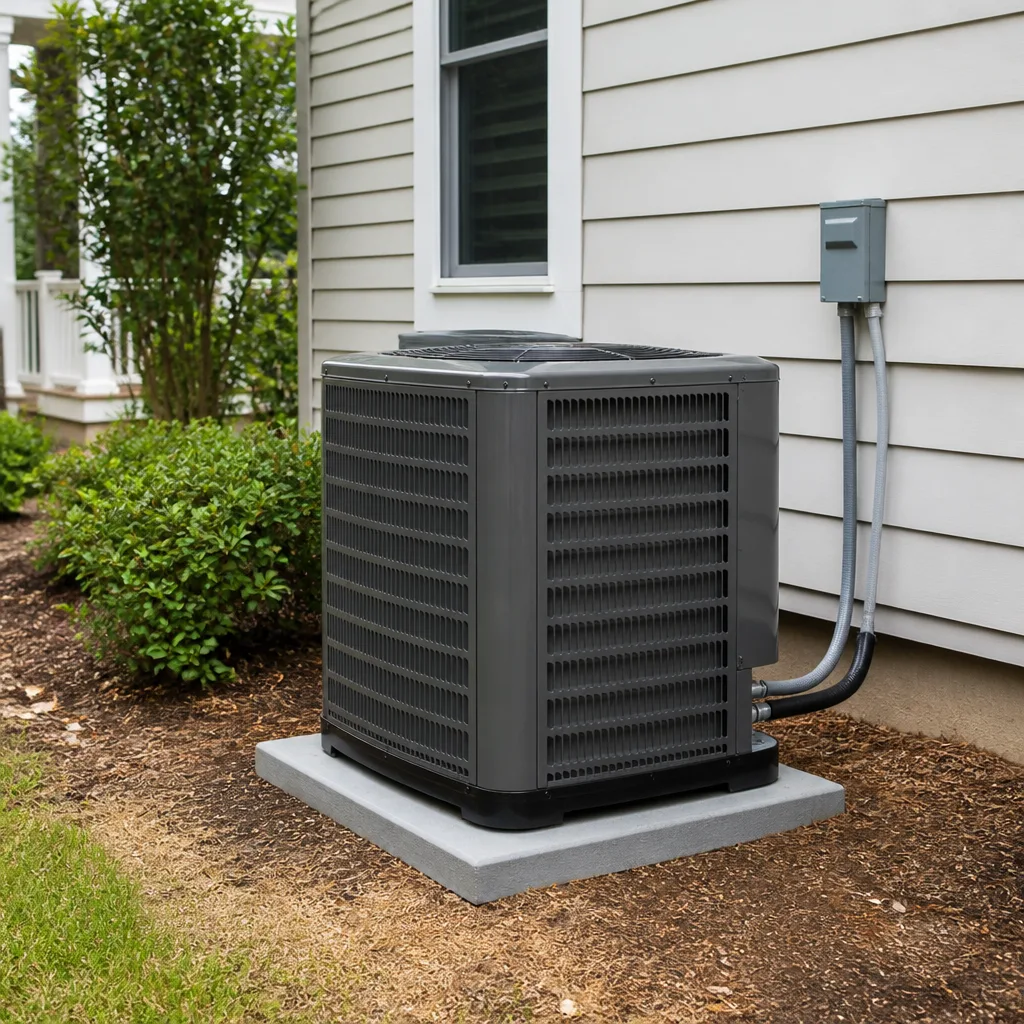 Goodman
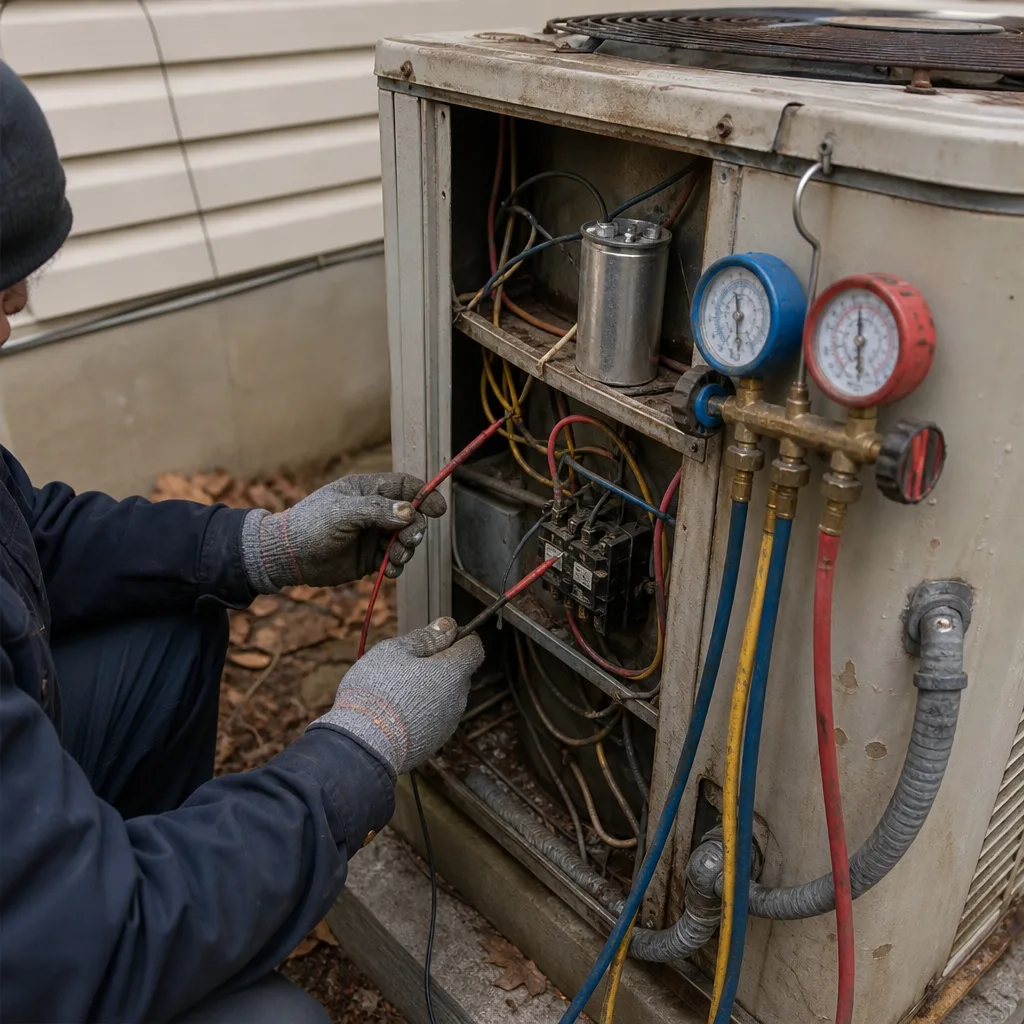
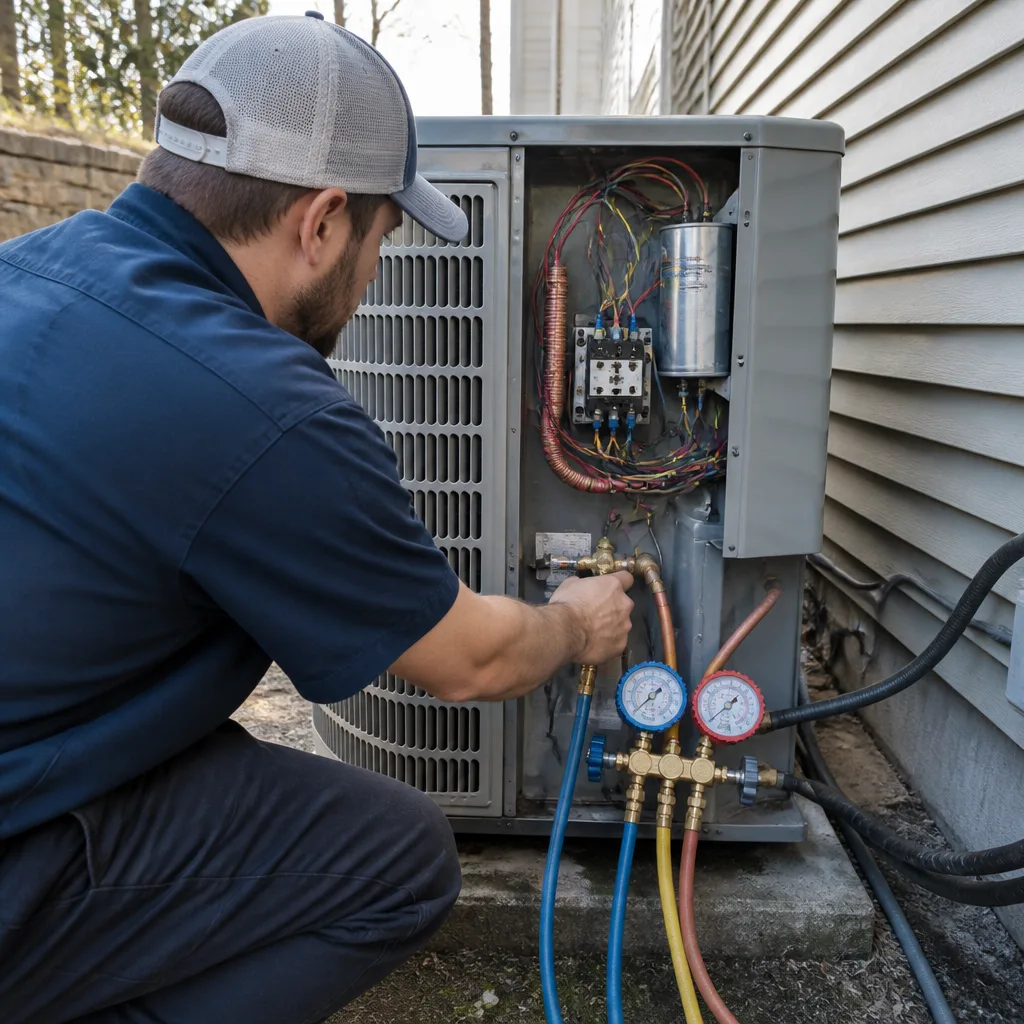
Seasonal tune-up and full diagnostic on your Carrier, Trane, or Goodman system - readings shown to you before any repair is proposed
Diagnosis first, numbers second - you approve the repair price before a single part goes in.
Get your free estimateThe Complete Guide to HVAC in New York
Roughly 70% of New York City’s residential buildings were constructed before 1960, which means most HVAC guides written for suburban ranch homes miss the mark entirely for the average New Yorker. If you live in a pre-war co-op with steam radiators, a post-war high-rise with a through-the-wall sleeve, or a detached house in Queens with central air, you face completely different decisions than someone in a Phoenix subdivision. This guide walks through the real decisions New York homeowners and renters face, building type by building type, so you know what your system needs, what it should cost, and when a repair is actually your responsibility. We’ve been repairing systems across New York since 2003, and we wrote this because the national advice simply doesn’t apply here.
Quick Answer
HVAC in New York is not one system but several, and the right approach depends entirely on your building type: pre-war steam heat, post-war forced air, co-op and condo riser systems, or detached outer-borough homes with central AC. A New York homeowner’s first job is to determine which parts of the system they own versus which parts belong to the building, then address the equipment accordingly. Permits are required for many HVAC changes in New York City, and the Department of Buildings has specific rules that national guides never mention.
Styles & brands we work with
Table of Contents
- Understanding Your Building Type
- Who’s Responsible: You or the Building?
- NYC Department of Buildings and Permits
- What HVAC Work Costs in New York
- Ventilation and Refrigerant Line Challenges in Dense Housing
- Steam Heat: What Most Guides Get Wrong
- AC Options for New York Apartments and Homes
- Plain-English HVAC Glossary for New York Homeowners
Understanding Your Building Type
New York’s housing stock breaks into a few distinct categories, and each one demands a different HVAC strategy. The building you live in determines what equipment you can install, what’s already there, and what your repair options look like.
Pre-War Buildings (Built Before 1940)
These are the brownstones, six-story walk-ups, and grand co-ops that define New York’s architectural character. Most use steam heat delivered through radiators, powered by a central boiler in the basement. The boiler is almost always building-owned, meaning you control temperature only through a radiator valve, if at all. Cooling in these buildings is typically window units or through-the-wall sleeves, because original construction never included ductwork. Retrofitting central AC into a pre-war building is expensive and often restricted by landmark rules. If you own a co-op in one of these buildings, your HVAC decisions are constrained by what the board will approve and what the structure can physically support.
Post-War Forced-Air Buildings (1950s-1980s)
Many mid-century apartment buildings in New York were built with central forced-air systems, where a central plant heats or cools air and distributes it through ducts to individual units. These feel closer to suburban HVAC but with a critical difference: the equipment belongs to the building. You may have a thermostat, but you don’t own the furnace, the condenser, or the ductwork. Repairs to these shared systems are handled through the building’s management company, which is why a New Yorker’s HVAC repair experience can be so different from a suburban homeowner’s.
Co-ops and Condos
Co-ops and condos present the trickiest ownership questions in New York HVAC. In a co-op, you own shares in a corporation, not physical property, and your proprietary lease spells out what you’re responsible for. Some boards own the AC units outright and charge maintenance fees. Others require shareholders to maintain their own through-the-wall units. Condos typically make you responsible for everything inside your unit’s walls, including HVAC, but the building still controls exterior penetrations, risers, and roof access. Before calling an HVAC contractor, check your proprietary lease or condo bylaws. We regularly see New York owners pay for repairs that were actually the building’s responsibility, simply because no one told them to check.
Detached Outer-Borough Homes
In Queens, Staten Island, eastern Brooklyn, and parts of the Bronx, you’ll find single-family homes with conventional forced-air furnaces, central AC, or ductless mini-splits. These properties function most like the suburban systems national guides describe, which is why our AC Repair in New York page covers the specific equipment issues these homes face. The difference in New York is climate: winters are cold enough to stress furnaces, summers are humid enough to work AC units hard, and homes here are often older than suburban equivalents, meaning undersized ductwork and outdated electrical panels are common.
Who’s Responsible: You or the Building?
This is the single most important question for any New York resident dealing with a heating or cooling problem, and national guides never address it. In a suburban house, the answer is simple: you own everything. In New York’s multi-family buildings, the lines blur quickly, and getting it wrong means paying for a repair that should have been free.
Here’s how to determine responsibility:
- Check your lease or proprietary lease. This document is the governing authority. It defines which systems are building-owned and which are unit-owner responsibilities. Look for language about “heating equipment,” “air conditioning,” “appliances,” and “fixtures.”
- Determine where the equipment physically lives. If the boiler, chiller, or condenser is in a basement, mechanical room, or on the roof, it’s almost certainly building property. If the AC sleeve is in your wall and you bought the unit, it’s likely yours.
- Ask your super or property manager. Before assuming anything, ask directly. Building staff know exactly what they maintain and what they don’t, and they can save you an expensive mistake.
- Look at past maintenance history. If the building has serviced the unit before, that’s evidence it’s building responsibility. Document everything.
Why this matters financially: a New York apartment dweller with a failed through-the-wall AC unit could pay anywhere from $900 to $2,400 to replace it, when the cooperative board might have covered that cost if the unit was building-owned. We’ve walked into New York apartments where residents had been paying for radiator repairs for years, not realizing the boiler and all connected radiators were the landlord’s legal responsibility under the Housing Maintenance Code. Knowing your position before calling a contractor protects your wallet.
NYC Department of Buildings and Permits
The NYC Department of Buildings (DOB) regulates HVAC installations far more strictly than most American municipalities, and this affects everything from cost to timeline. If you’re a homeowner or co-op board member considering HVAC work in New York, understanding permit requirements is not optional.
Here’s when a permit is legally required for residential HVAC work in New York City:
- Installing a new boiler. Any new boiler installation requires a DOB permit and must be performed by a licensed master plumber or licensed oil burner installer, depending on fuel type.
- Replacing a boiler. Even swapping an existing boiler for a new one triggers the permit requirement. Expect this to add time and administrative cost to the job.
- Installing new ductwork. Running new ducts through walls, floors, or ceilings is structural work that requires a permit and often a registered design professional’s drawings.
- Installing a central AC condenser on a roof or through an exterior wall. Roof penetrations, structural supports, and exterior modifications all fall under DOB oversight.
- Converting from one fuel source to another. Switching from oil to gas heat requires a permit and coordination with the utility company.
Work that typically does not require a permit includes replacing a window AC unit with a same-size model, swapping a thermocouple on a furnace, or replacing a through-the-wall unit in an existing sleeve without modifying the sleeve. But when in doubt, ask your contractor. A reputable New York HVAC company will pull permits when required and won’t suggest skipping them to save money, because unpermitted work can create problems when you sell the apartment or when the DOB inspects the building.
For homeowners in detached outer-borough homes, the permitting picture is lighter but still present. Our Furnace Repair in New York guide covers common no-permit repairs, while installations still follow DOB rules if the property is within city limits. If you’re considering a full system replacement, our AC Installation in New York page walks through the process from quote to final inspection.
What HVAC Work Costs in New York
HVAC pricing in New York runs noticeably higher than the national average, driven by labor costs, permit fees, building access challenges, and the age of the housing stock. Understanding realistic price ranges before you call a contractor helps you evaluate quotes without guessing. Here’s what we see across the five boroughs:
- Furnace igniter replacement: $150-$280, parts and labor included. This is one of the most common repairs we perform on New York forced-air systems.
- Thermostat replacement: $120-$250, depending on whether you choose a basic programmable or a smart model.
- Capacitor replacement on an AC condenser: $180-$320. A failed capacitor is the most common cause of a dead AC unit on a hot New York summer day.
- Refrigerant recharge (topping off the cooling fluid your AC needs to run): $250-$500, assuming the system holds pressure. If there’s a leak, the leak must be found and repaired first.
- Through-the-wall AC unit replacement: $900-$2,400 installed, depending on BTU capacity and whether the existing sleeve needs modification.
- Central AC installation in a single-family home: $6,500-$14,000, depending on home size, SEER rating, and whether new ductwork is needed.
- Boiler replacement in a detached home: $8,000-$18,000, with the wide range reflecting fuel type, boiler efficiency, and whether asbestos abatement is required.
These are honest ranges, not lowball hooks. A company that quotes far below these numbers for a New York installation is either cutting corners on permits, using undermarket labor, or planning to hit you with change orders. Every estimate Cold Harbour Heating and Air New York provides includes a written price before work begins, and that price does not change at the door. That’s The Kingswell Way: say the price before the work, show up in the window given, leave the place cleaner than found, put the guarantee in writing, come back if it fails.
Ventilation and Refrigerant Line Challenges in Dense Housing
New York’s housing density creates HVAC problems that simply don’t exist in single-family suburbs, and national guides consistently miss them. Here are the unique challenges we see every week in New York:
Shared Refrigerant Lines
In many condominium conversions, a single condensing unit on the roof serves multiple apartments through refrigerant lines that run vertically through walls. When one apartment’s line develops a leak, the entire riser may need to be depressurized while the leak is located. This means one apartment’s repair can affect neighbors, and access to common chases often requires building approval. We’ve handled New York jobs where fixing a $300 leak required three days of coordination with the building, simply to access the riser.
Ventilation in Tight Spaces
New York kitchens and bathrooms in older buildings often lack proper mechanical ventilation. Over time, this leads to moisture problems that affect HVAC performance. A bathroom exhaust that vents into a wall cavity instead of outside is a code violation we see regularly in New York renovations done by unpermitted contractors. Proper ventilation matters because a humid apartment makes an AC unit work harder and creates the conditions for mold, which is a health issue, not just a comfort issue.
Noise Restrictions
New York co-op boards often restrict where condensers can be placed and at what noise level they can operate. A condenser that would be perfectly acceptable on a suburban lawn may violate a co-op’s house rules if placed on a terrace or roof setback. Before buying any AC equipment, check your building’s alteration agreement. We’ve seen New York owners buy and install a unit, then face board-mandated removal because they skipped this step.
Electrical Panel Limitations
Many older New York apartments operate on 60-amp or 100-amp electrical service. Adding a modern central AC system or converting from window units to a ductless mini-split often requires a panel upgrade, which adds $2,500-$5,000 and requires coordination with Con Edison and the DOB. A good New York HVAC contractor checks panel capacity before quoting an installation, not after.
Steam Heat: What Most Guides Get Wrong
Steam heat is the dominant heating system in pre-war New York buildings, and its operation and repair are completely different from forced-air furnaces. Here’s what you need to know, whether you’re a renter, a co-op owner, or a homeowner in a brownstone with your own boiler.
How Steam Heat Works (Plain English)
A boiler in the basement heats water to create steam. That steam rises through pipes into radiators in each apartment, where it condenses back into water and returns to the boiler through the same or a separate pipe. The system is simple, lasts for decades, and requires almost no electricity to operate. But it has quirks: radiators hiss, banging noises occur when pipes are pitched wrong, and balancing the system so every apartment heats evenly is a skill that takes years to develop.
What You Can Control
If you’re a renter or co-op owner with radiator heat, your control options are limited. You can adjust the radiator valve (if installed), but be careful: many New York valves are old and may leak or stick if forced. Closing a valve completely can trap water in the radiator and cause hammering. A better approach is to ask your super to adjust the building’s boiler controls, which govern overall heat delivery.
What Your Building Should Maintain
Building-owned steam systems require annual maintenance on the boiler, including checking the low-water cutoff (a safety device that shuts off the boiler if water level drops), skimming the boiler to remove surface oils, and checking steam traps. A steam trap is a valve on each radiator that releases air and holds back steam. When traps fail, radiators stop heating properly, and the system wastes fuel. In New York, where steam systems often date to the 1920s, trap replacement is an ongoing building expense, not a one-time fix.
If you own a brownstone with your own steam boiler, annual service is not optional. A neglected steam boiler can become a safety hazard if the low-water cutoff fails. Always use a licensed professional for boiler work. Never attempt to adjust a boiler’s gas valve, pressure controls, or safety devices yourself, because the consequences of a mistake can be severe.
AC Options for New York Apartments and Homes
New York residents face a wider range of cooling options than almost anywhere else in the country, and each has distinct advantages depending on your building type. Here’s an honest assessment of what works where:
Window Units
Still the most common cooling method in New York, and for good reason. A quality window unit costs $300-$700, installs in minutes, and cools a single room effectively. If you’re a renter, this is almost always your best option. The downsides: they’re noisy, they block the window, they use more electricity per BTU than any other option, and they must be installed in a window, which some landmark districts restrict. For New York renters moving frequently, a window unit is often the only practical choice.
Through-the-Wall Units
These fit into a metal sleeve built into the wall, common in post-war buildings. They’re quieter than window units and don’t block emergency egress. Replacement costs run $900-$2,400 installed. If your building has a sleeve, this is typically your cleaner option over a window unit. The key consideration: measure your sleeve precisely. Sleeve heights and widths vary, and an incorrect fit can require costly sleeve modification.
Ductless Mini-Splits
Mini-splits are growing fast in New York, especially in brownstones and detached outer-borough homes where ductwork is impractical. A single-zone system costs $3,500-$7,000 installed; multi-zone systems run higher. They’re efficient, quiet, and provide both heating and cooling. The challenges in New York are manifold: condensers need outdoor space or roof access, co-op boards often restrict exterior penetrations, and electrical panels may need upgrades. But for a New York homeowner with a gut renovation, mini-splits are increasingly the modern choice, and brands like Daikin and Bryant offer strong warranties that hold up in this market.
Central AC
Central AC is limited to New York homes with existing ductwork, which mostly means detached outer-borough houses and newer high-end condos. Installation costs run $6,500-$14,000. The efficiency is excellent when properly sized, and homes with central AC also have central heat, meaning one system handles everything. The caveat: New York’s older homes often have undersized ducts that were adequate for heat but marginal for cooling. A competent contractor will measure static pressure before recommending central AC, not just quote a box swap.
Our AC Repair in New York guide covers the repair side in depth, including diagnostic steps for common failures and when a repair beats replacement.
Plain-English HVAC Glossary for New York Homeowners
New York HVAC contractors use trade language that can make quotes unreadable. Here’s a plain-English translation of the terms you’ll actually see on estimates and work orders, so you can evaluate a quote without guessing:
- BTU (British Thermal Unit): a measure of heat output. A typical window unit runs 5,000-12,000 BTU; a central system for a 2,000-square-foot New York home might run 48,000-60,000 BTU. Higher BTU equals more cooling capacity, not necessarily better.
- SEER (Seasonal Energy Efficiency Ratio): the efficiency rating for central AC. Higher is better. Modern minimum is 14 SEER in our climate zone; efficient units run 16-20 SEER.
- Condenser: the outdoor unit of a split AC system. It’s the box that sits on a roof, terrace, or outside wall and releases heat from your home.
- Evaporator coil: the indoor half of the AC system, usually mounted on a furnace or in an air handler. It’s where the refrigerant absorbs heat from your indoor air.
- Refrigerant: the fluid that carries heat from inside to outside. Modern systems use R-410A or R-32; older systems use R-22, which is being phased out and is increasingly expensive to recharge.
- Compressor: the pump inside the outdoor unit that circulates refrigerant. A failed compressor is usually the most expensive repair, often pushing owners toward replacement.
- Heat pump: a system that runs in both directions, cooling in summer and heating in winter. Heat pumps work well in New York’s climate now, thanks to cold-climate models from brands like Rheem and York that maintain output down to low temperatures.
- Mini-split: a ductless system with a small outdoor unit and one or more wall-mounted indoor units. Ideal for New York homes without ductwork.
- Static pressure: a measurement of air resistance in ductwork. Too high and the system works harder, wastes energy, and fails earlier. This is the measurement that separates competent installers from box-swappers.
- Refrigerant line set: the copper pipes connecting the indoor coil to the outdoor condenser. In New York apartments, these lines often run through walls shared with neighbors.
Common Mistakes to Avoid
- Paying for a repair that’s actually the building’s responsibility. Before spending your own money, check your lease or proprietary lease. We’ve seen New York renters replace through-the-wall AC units that the landlord was legally obligated to maintain.
- Skipping the permit on boiler or ductwork changes. Unpermitted HVAC work can block a sale, trigger DOB fines, and create insurance headaches. The savings from skipping a permit never justify the risk in New York.
- Assuming central AC can be added to any apartment. Many pre-war New York buildings simply cannot support central AC without extraordinary structural changes. Get a realistic assessment before budgeting for it.
- Ignoring electrical panel capacity. Adding a mini-split or central AC to an older New York home often requires a panel upgrade, which adds thousands to the project. A good contractor checks this before quoting.
- Choosing the cheapest quote without comparing scope. Lowball New York HVAC quotes typically exclude permits, don’t include a proper heat load calculation, or use low-efficiency equipment. Compare line items, not bottom lines.
- Neglecting annual boiler maintenance for a building-owned steam system. As a co-op owner, you may not control the boiler, but you can pressure your board to maintain it. A failed steam boiler in February is a New York emergency no one wants.
- Not testing a new AC installation during the shoulder season. If your new AC is installed in October, run it for an hour before the installer leaves. Finding a problem in spring means another service call and more waiting.
See the difference
 Before
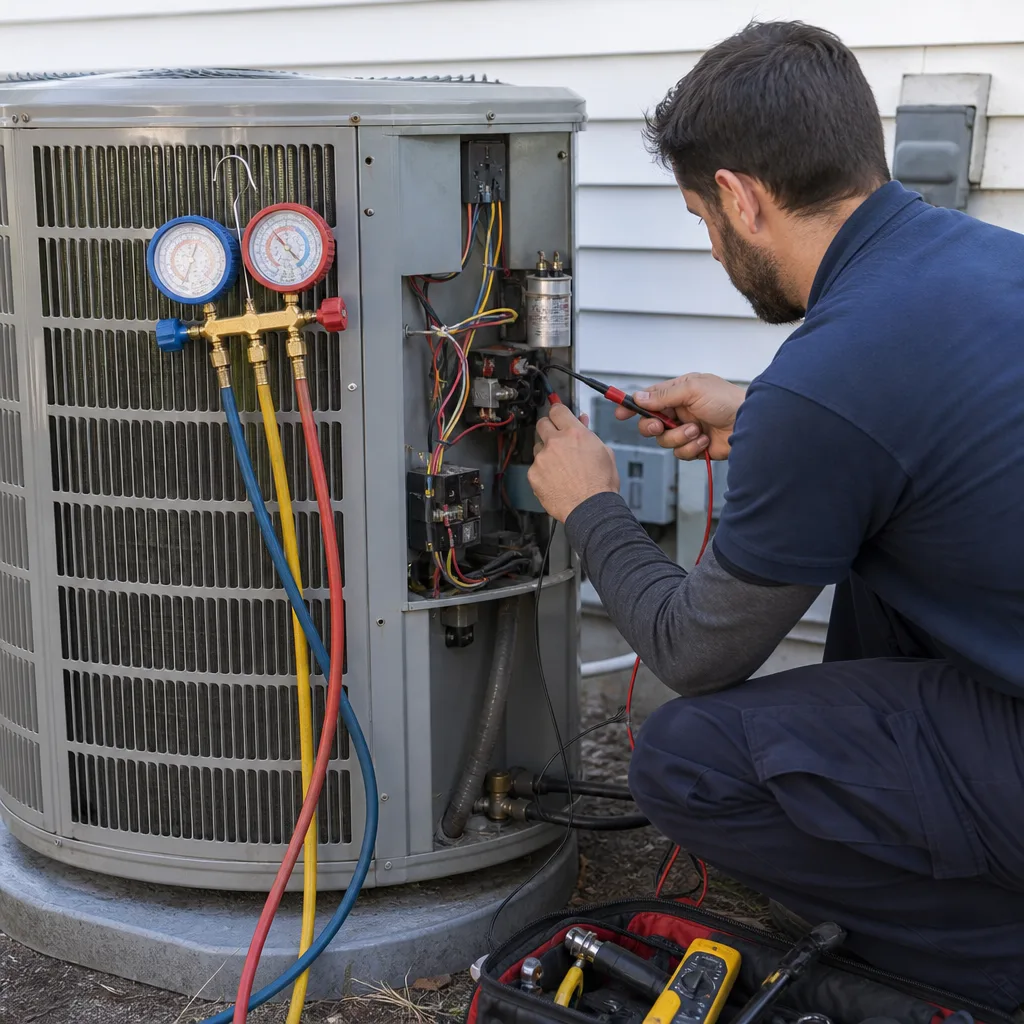 After
After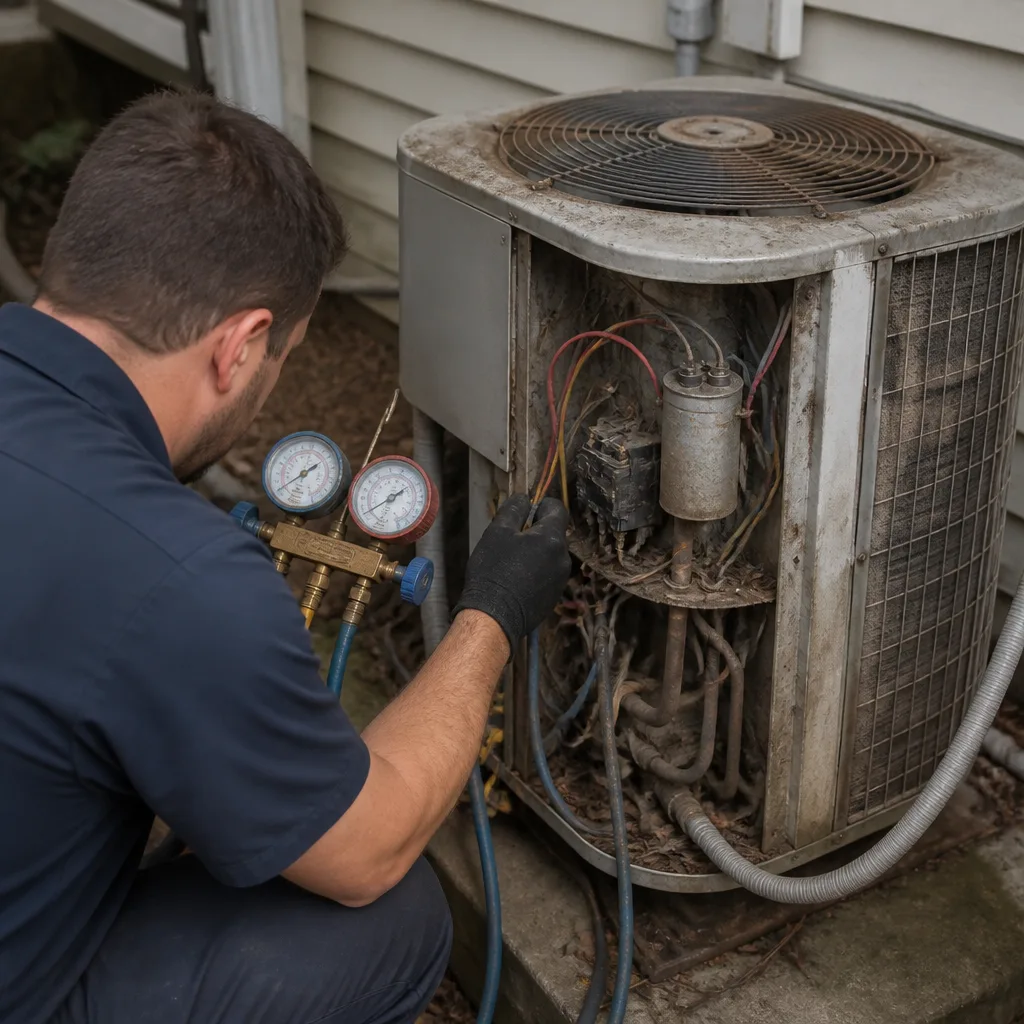 Before
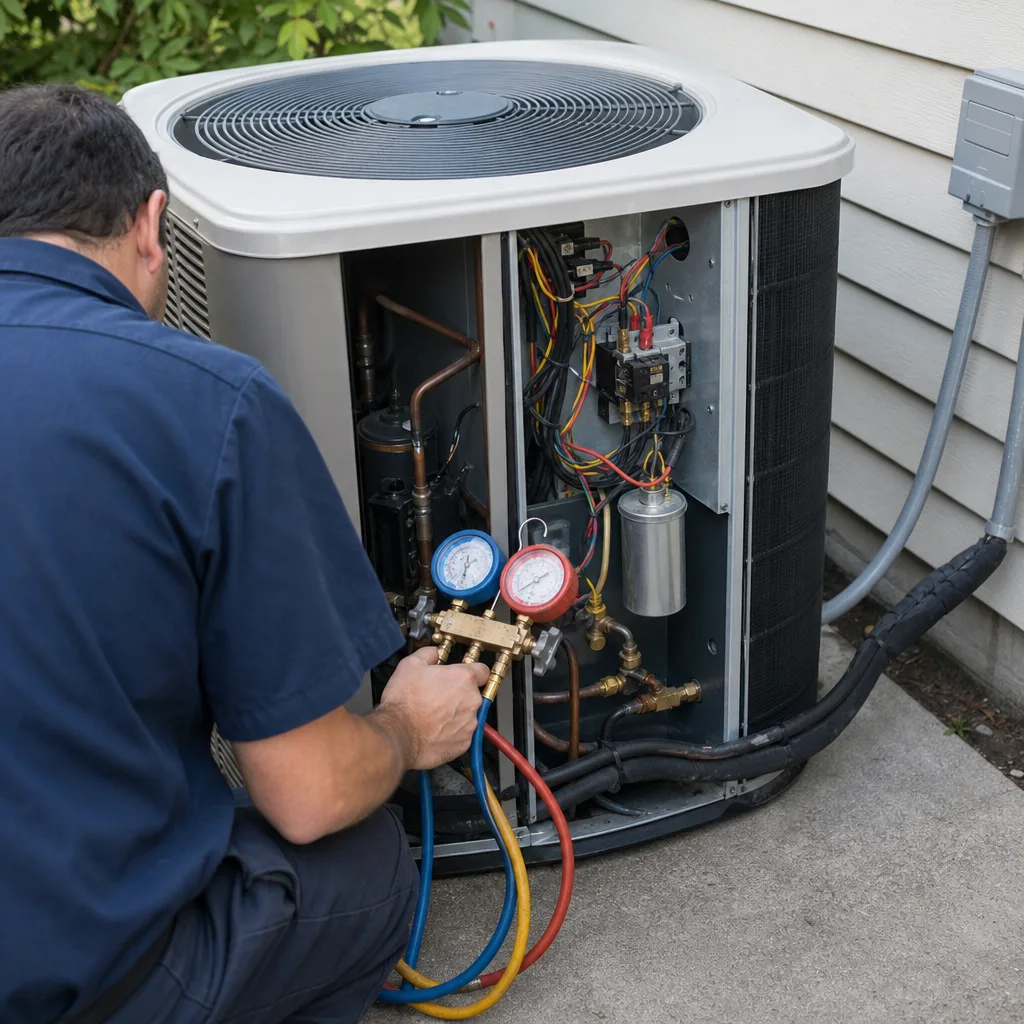 After
After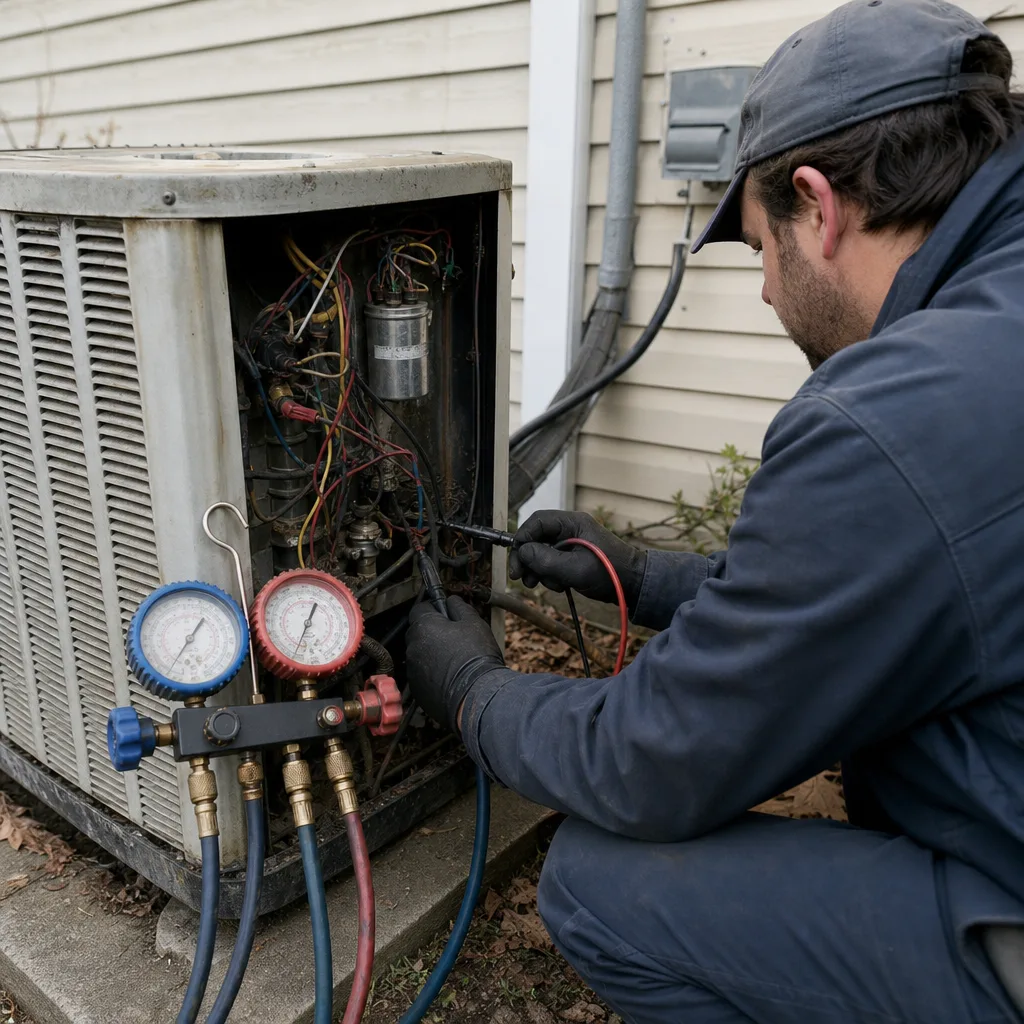 Before
 After
AfterWhen to Call a Professional
Certain HVAC situations in New York demand a professional, not a DIY attempt. If you smell gas, leave the apartment immediately and call 911 and your utility company; do not touch light switches or any electrical device. If your steam radiator is leaking badly or your boiler’s low-water cutoff light is on, call your super or a licensed professional right away. If your AC is blowing warm air on a 95-degree New York day and your thermostat is set correctly, you likely have a refrigerant leak or a failed compressor, both of which require specialized tools and training. If you’re considering any installation requiring a permit, a permit-holding contractor is not optional. Cold Harbour Heating and Air New York offers free estimates in New York. Call (934) 465-5501 and a live person answers, 24 hours a day, 7 days a week.
Frequently Asked Questions
No. Installing a window AC unit does not require a DOB permit in New York, as long as you’re not modifying the building structure. However, some co-op boards and landmark districts restrict window units for aesthetic and safety reasons, so check your building’s rules before buying. For a same-day repair on an existing unit, call (934) 465-5501.
Check your proprietary lease first, because that document defines exactly which equipment you own versus what the cooperative maintains. In general, if the condenser is on the roof and shared by multiple units, it’s building responsibility; if the AC sleeve is in your wall and you purchased the unit, it’s yours. When in doubt, ask your property manager before scheduling any paid repair.
A boiler replacement in a detached New York home typically runs $8,000-$18,000, depending on efficiency, fuel type, and whether asbestos abatement or structural modifications are needed. The work requires a DOB permit and must be performed by a licensed professional. For an exact written quote on your home, call Cold Harbour Heating and Air New York at (934) 465-5501; the estimate is free.
An AC unit that freezes up is usually low on refrigerant, has a dirty evaporator coil, or suffers from restricted airflow. Running a frozen unit can damage the compressor, so turn it off and let it thaw before calling a professional. We repair frozen AC units regularly across New York, and the fix is often a refrigerant recharge or a coil cleaning, not a replacement.
Yes, typically. Ductless mini-splits are the most practical way to add efficient cooling to a New York brownstone that doesn’t have ductwork, and modern cold-climate models from Rheem and York also heat effectively. Installation costs run $3,500-$7,000 per zone, and you’ll likely need board approval and possibly a panel upgrade. We install and service mini-splits across New York and can assess your brownstone’s specific situation with a free estimate.
Cold Harbour Heating and Air New York technicians are trained to service nine major HVAC brands, including Carrier, Trane, Lennox, Goodman, Rheem, York, Daikin, Bryant, and American Standard. If your existing system is from one of these brands, we can repair it. Every repair carries our 365-Day Done Right Promise in writing: if the repair fails within a year, we return and fix it at no charge.
The Bottom Line
HVAC in New York is a building-by-building puzzle, not a one-size-fits-all answer. Your first move is to understand what you own versus what your building owns, then make decisions based on your specific housing type, whether that’s a pre-war steam-heated co-op, a post-war riser building, or a detached outer-borough home. Permits matter here, and skipping them creates future problems. Costs run higher than the national average, so get written quotes and compare line items. And when something breaks, a company that answers the phone, shows up in the window given, and puts the guarantee in writing is worth more than any marketing slogan. That’s how we’ve operated in New York since 2003, and it’s how we’ll treat your home.
Ready to talk about your system? Call Cold Harbour Heating and Air New York at (934) 465-5501 for a free estimate. Visit our Cold Harbour Heating and Air New York home page to learn more about how we serve New York, or explore our Furnace Repair in New York and AC Installation in New York pages for service-specific guidance.
Written by Victor Mancini, Owner at Cold Harbour Heating and Air New York, serving New York since 2003.