
Last updated October 16, 2026
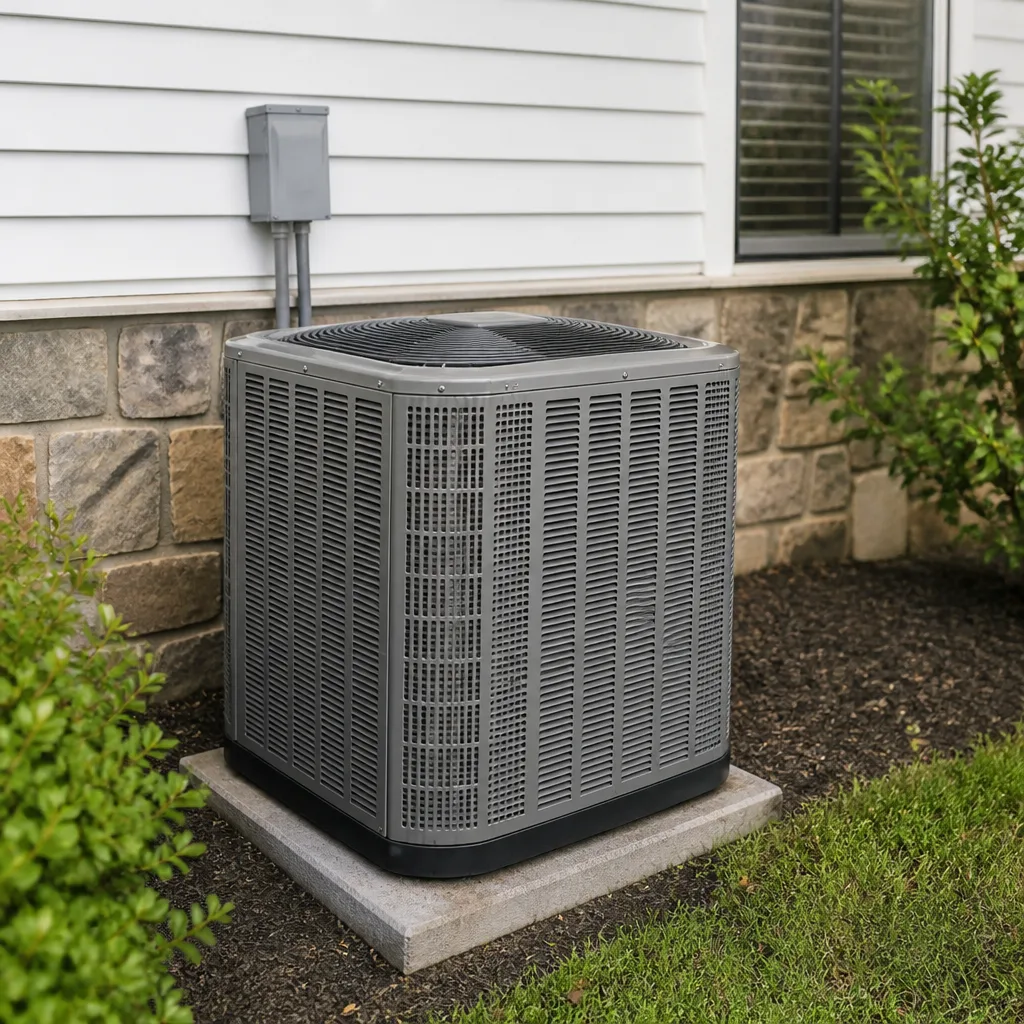 AC repair
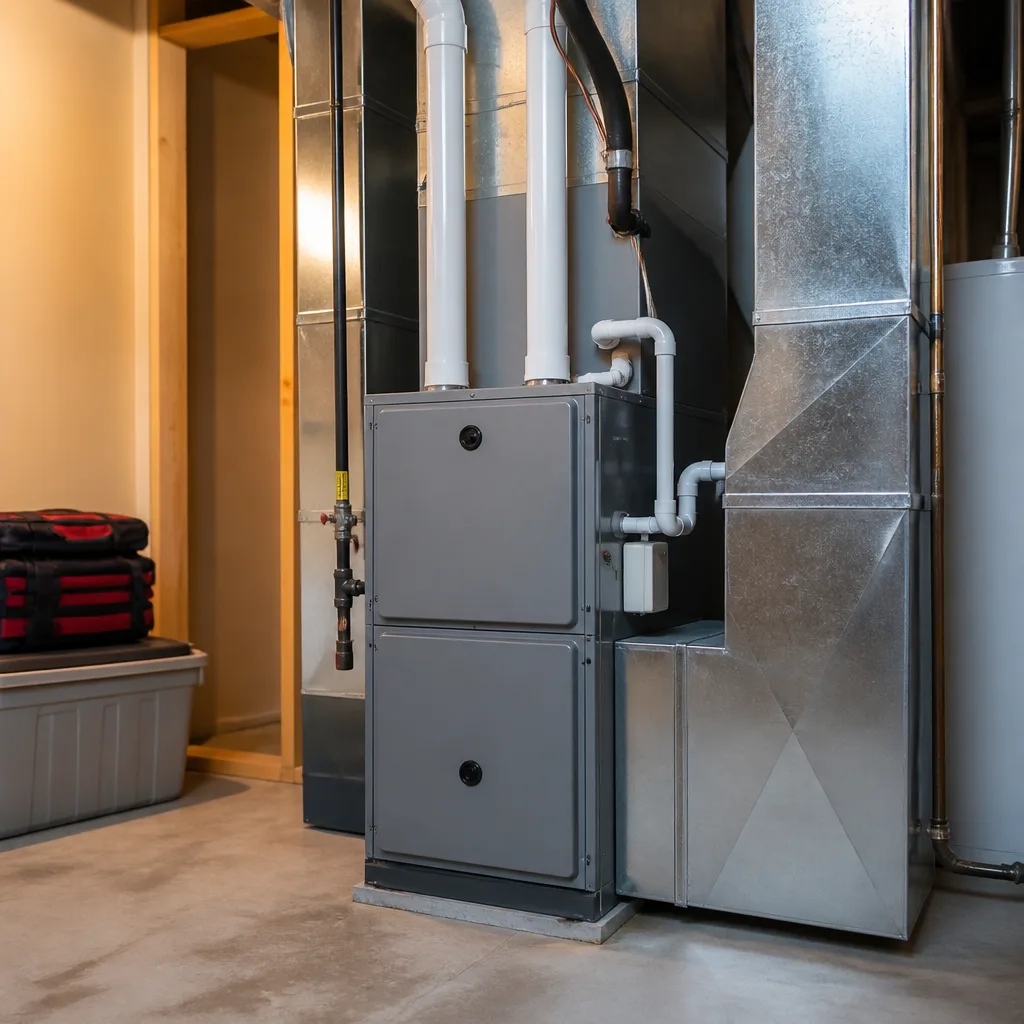 Furnace & heating
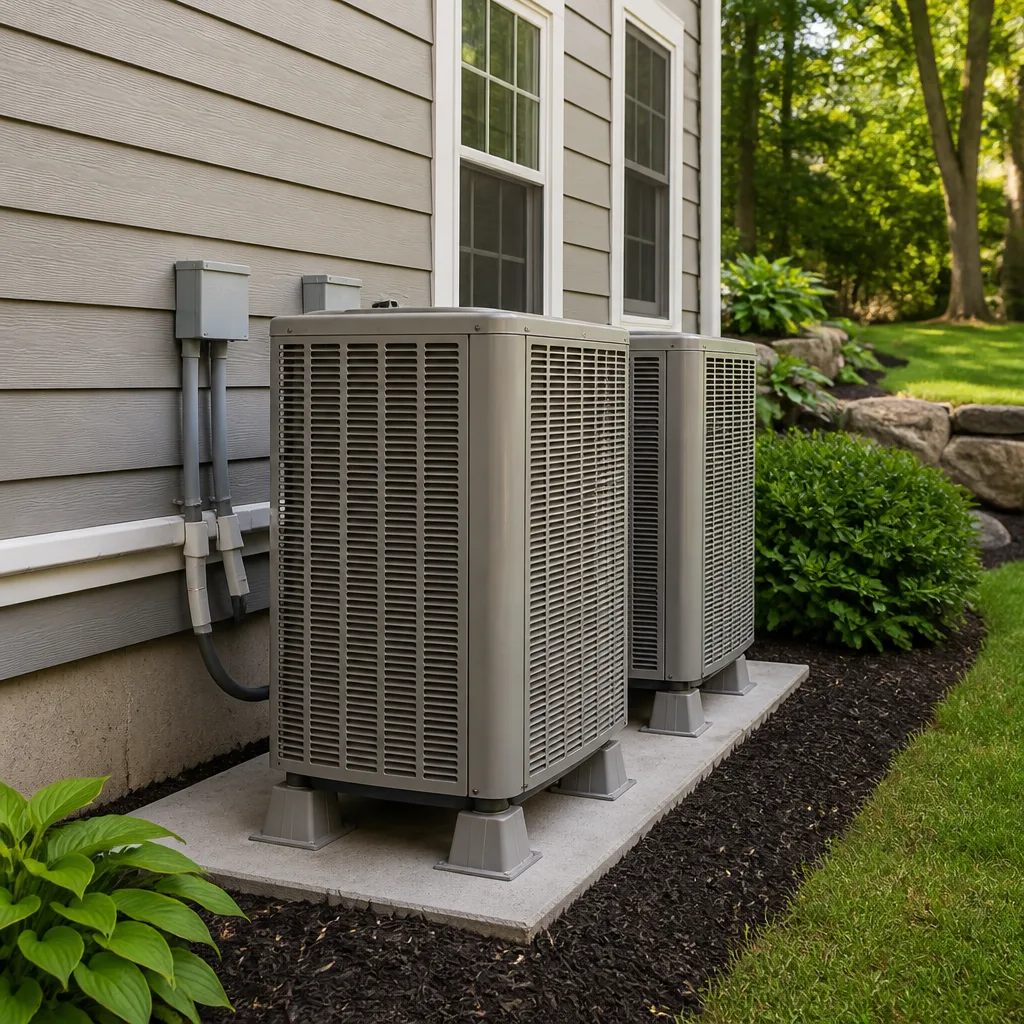 Heat pumps
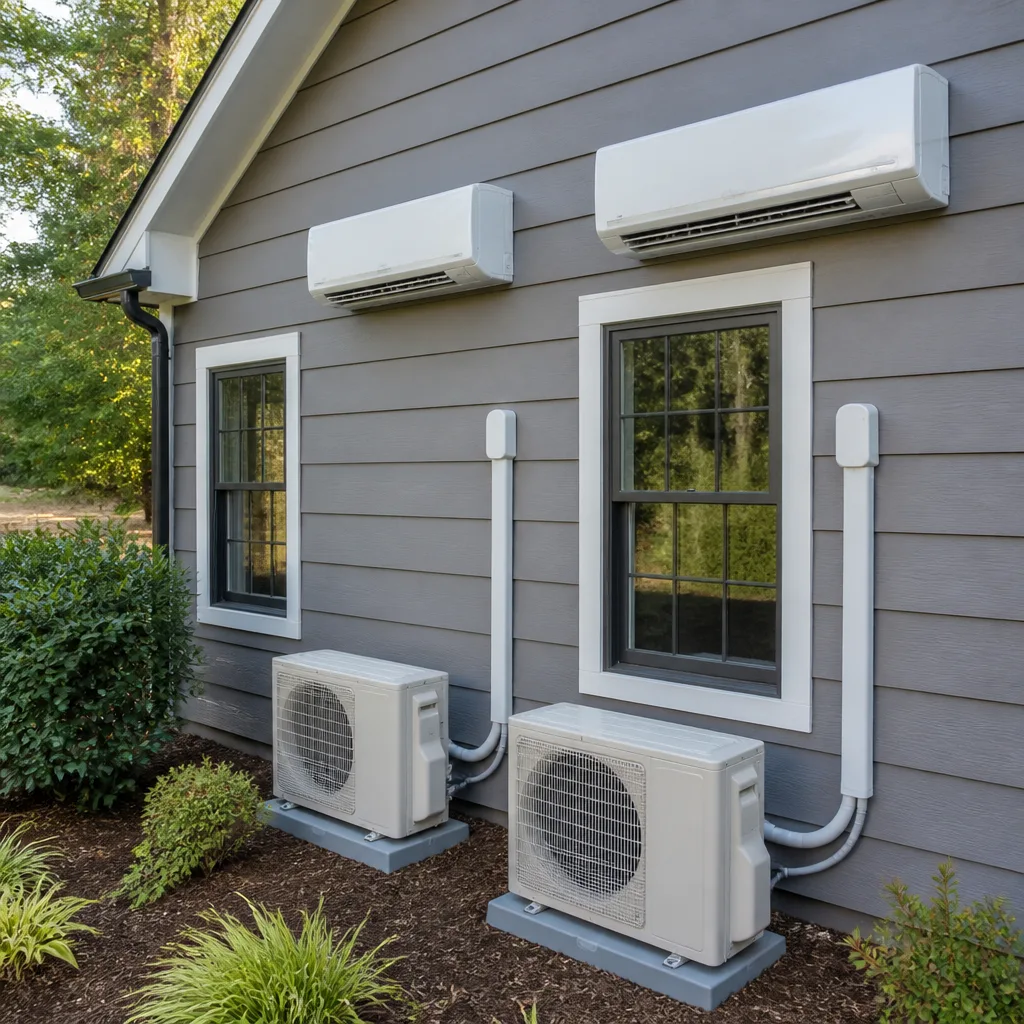 Ductless mini splits
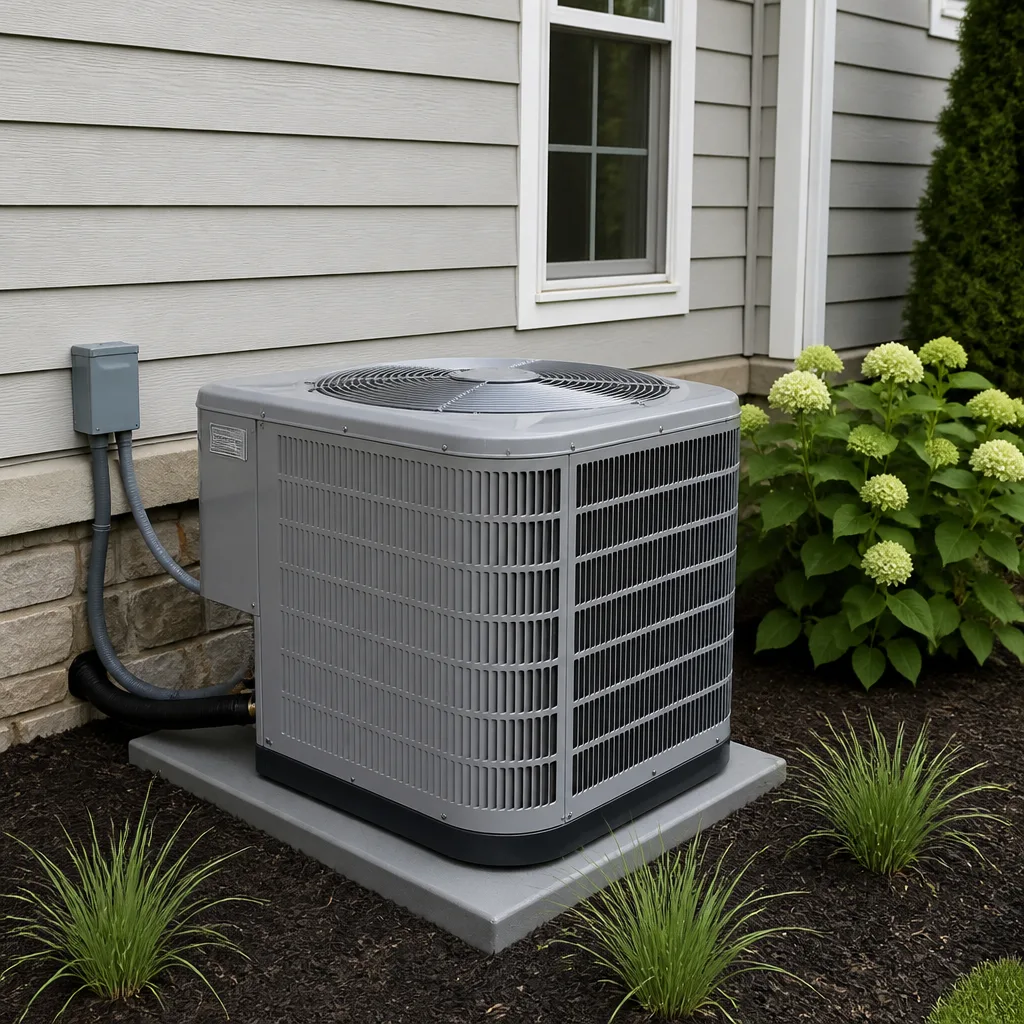 Carrier
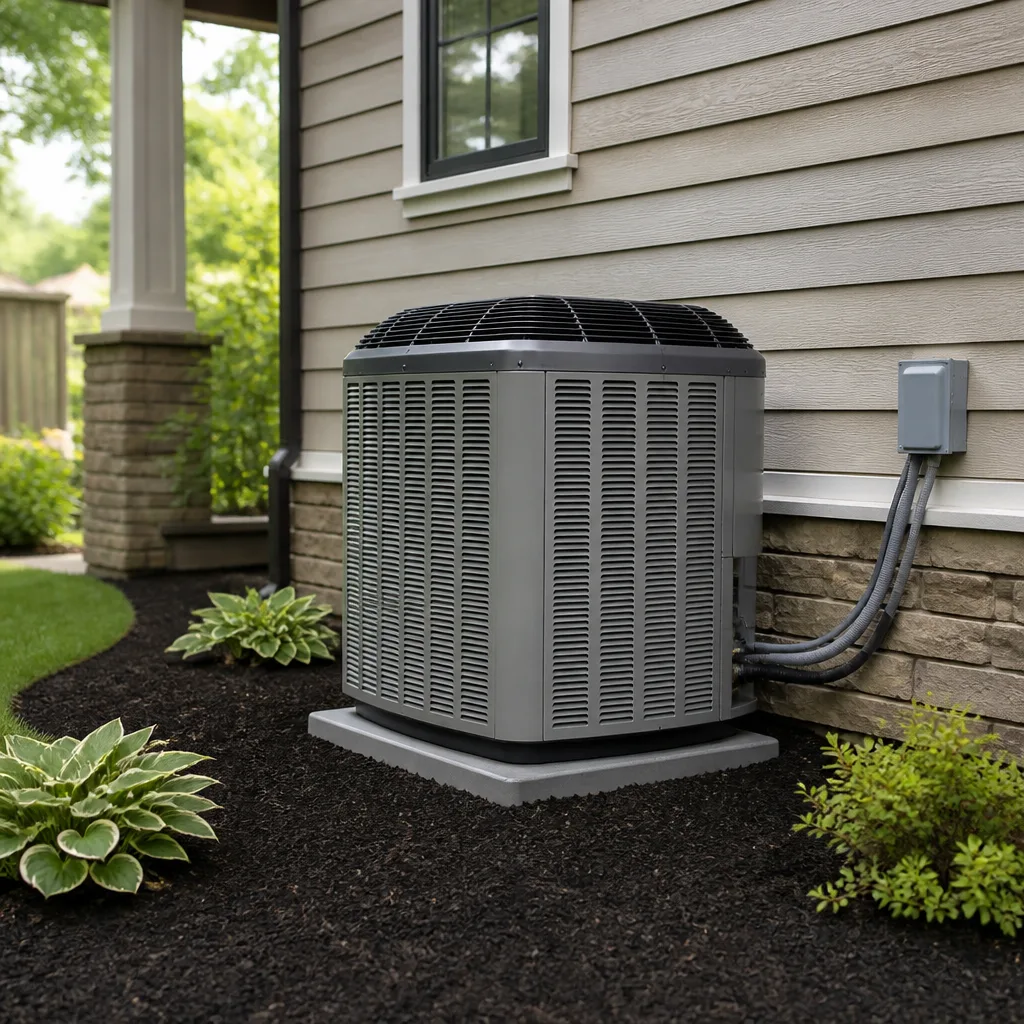 Trane
Trane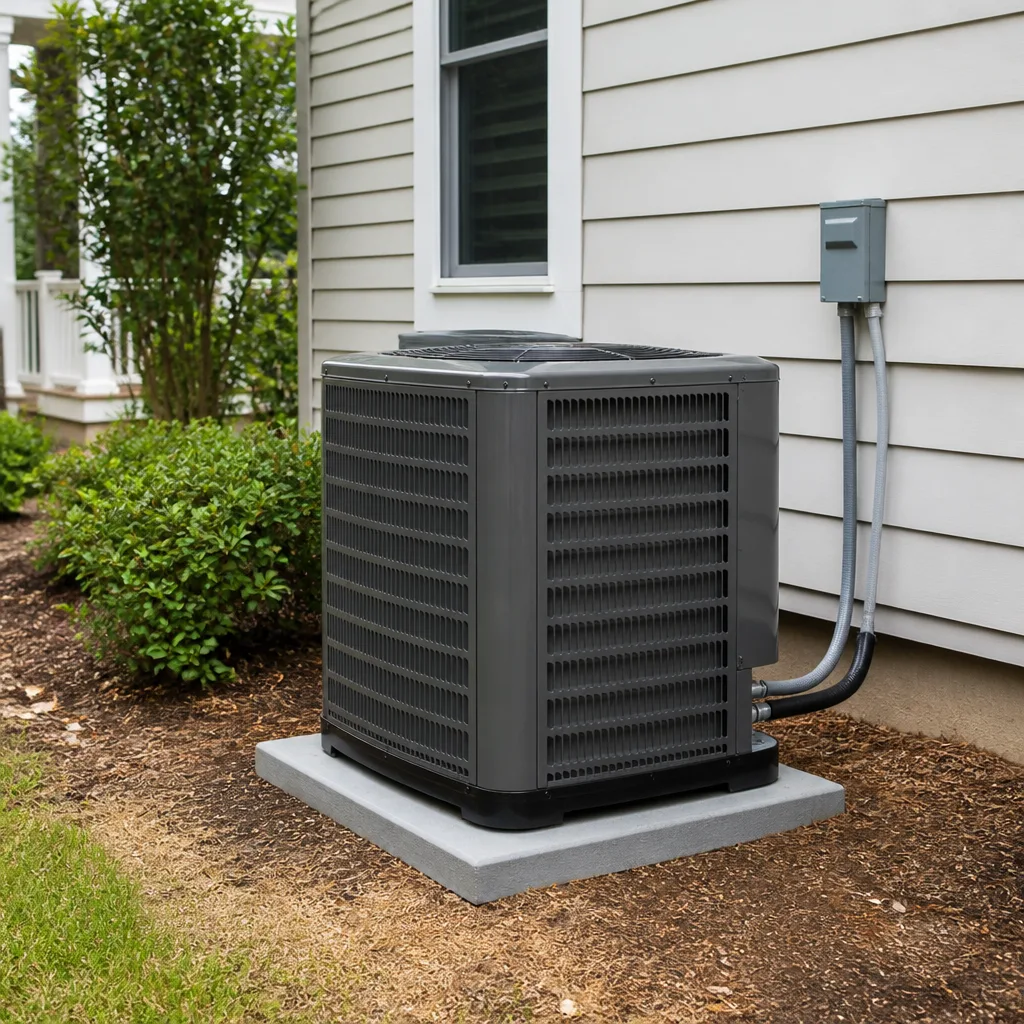 Goodman
Seasonal tune-up and full diagnostic on your Carrier, Trane, or Goodman system - readings shown to you before any repair is proposed
Diagnosis first, numbers second - you approve the repair price before a single part goes in.
Get your free estimateHow to Hire a HVAC Contractor in New York: A Step-by-Step Guide
New York City requires HVAC contractors who handle certain refrigerants to hold a Certificate of Fitness from the FDNY, a credential that has nothing to do with a standard state HVAC license, and one that most hiring guides never mention. If you’ve been burned by a no-show technician, a price that jumped at the door, or a repair that quit within a month, you already know that hiring in New York is different. This guide walks you through the exact credentials, questions, and written commitments that separate a contractor you can hold accountable from one who disappears when the first cold snap hits.
Styles & brands we work with
Quick Answer
To hire an HVAC contractor in New York, verify their state license, NYC Home Improvement Contractor registration, FDNY Certificate of Fitness (where required), and EPA 608 certification using the specific databases listed below, then require a written line-item quote, a firm arrival window, and a repair guarantee in writing before any work begins. A contractor who won’t put these four commitments on paper in New York is not a contractor you should let into your home.
Table of Contents
- The Five Credentials to Verify Before You Sign Anything
- Where to Check Each Credential: The Official Databases
- How to Read and Compare Written Quotes Line by Line
- Red Flags Specific to New York City HVAC Contracting
- The Four Written Commitments Any Reputable Contractor Should Put on Paper
- How to Check a Contractor’s Complaint History in New York
- The 12 Questions to Ask Before You Sign
- Common Mistakes to Avoid
- When to Call a Professional
- Frequently Asked Questions
- The Bottom Line
The Five Credentials to Verify Before You Sign Anything
Most generic hiring guides tell you to “ask for a license,” as if there’s only one. In New York, there are at least four separate credentials that may apply to the same job, plus a federal certification that every refrigerant technician must carry. Here’s what each one actually means, and what it does and does not prove.
- New York State HVAC License. The state does not issue a single unified “HVAC license” the way some states do. Instead, work is regulated through a patchwork of local licensing, state-level certifications for specific disciplines, and municipal registrations. When a contractor says they’re “licensed in New York,” ask for the number and the issuing agency. Then verify it.
- NYC Home Improvement Contractor Registration. Any contractor doing home improvement work in the five boroughs, including HVAC installation and repair, must be registered with the New York City Department of Consumer and Worker Protection (DCWP). This is not optional and it is not the same as a state license. A contractor who is legal in Buffalo or Syracuse may not be registered to work in Brooklyn or Queens.
- FDNY Certificate of Fitness. New York City fire code requires technicians who handle, install, or service certain refrigerants and related equipment to hold a Certificate of Fitness issued by the FDNY. This is a separate credential from everything else, and it expires. Always ask to see the current certificate, not a photocopy from five years ago.
- EPA Section 608 Certification. This is federal, not state or city. Any technician who handles refrigerant, including for a simple AC repair, must hold EPA 608 certification. There are four types – Type I, Type II, Type III, and Universal – and a reputable contractor’s technicians will carry the Universal card. This one is easy to verify: ask to see the card.
- Insurance and Bonding. Licensing proves the contractor is allowed to work. Insurance protects you if something goes wrong. Ask for a current certificate of liability insurance, and check that the policy period is still active. A contractor who hesitates to show a certificate of insurance is telling you something important.
In our experience, the credential that trips up the most New York homeowners is the DCWP registration. Contractors will flash a state-level document and assume you won’t know the difference. You now know the difference.
Where to Check Each Credential: The Official Databases
New York is unusual in that it gives homeowners the tools to verify every credential above, often online and often for free. Here is exactly where to look, including the specific databases that most guides omit.
- NYC Department of Consumer and Worker Protection (DCWP) Home Improvement Contractor search: Look up the contractor’s name or license number at the DCWP website. The database shows registration status, expiration dates, and any active complaints or disciplinary actions. This is the first stop for any contractor working inside the five boroughs.
- New York State Department of State license verification: For certain licensed trades, the Department of State maintains an online verification tool. If a contractor claims a state-level license, this is the place to confirm it.
- FDNY Certificate of Fitness verification: The FDNY publishes a searchable list of Certificate of Fitness holders. You can confirm whether a technician’s certificate is current and what category of work it authorizes.
- EPA 608 certification: The EPA does not maintain a public database of certified technicians, but any technician can show their physical certification card. The card includes a certification number and expiration date. If a technician cannot produce it, they cannot legally touch your refrigerant.
- Better Business Bureau (BBB): Not a government database, but the BBB’s complaint and resolution history is still useful. Cross-reference what you find there with the DCWP’s complaint database, which is the more authoritative source for New York City work.
Ten minutes of database checking before you sign is worth more than any online review. Reviews can be curated. DCWP complaints are not.
How to Read and Compare Written Quotes Line by Line
In New York, a verbal quote is legally unenforceable. If a contractor says “we can do that for around $800” over the phone and then presents a bill for $1,400 after the work, you have no legal standing to contest it. The only quote that matters is the one handed to you on paper before a single tool comes out.
Here’s how to read a written quote line by line, and what to reject outright.
Parts Estimate vs. All-In Price
Some contractors will give you a low “parts estimate” that excludes labor, then act surprised when the final bill includes two hours of labor at $175 an hour. A proper written quote in New York should be an all-in price: parts, labor, service call, and any fees, listed as separate line items with a clear total. If the total is missing, the quote is not a quote.
What a Line-Item Quote Should Include
- Diagnosis: What the technician found, in plain English. Not “system underperformance” – “low refrigerant due to a pinhole leak in the evaporator coil.”
- Parts: Each part with its part number or at minimum a clear description. “Igniter replacement” is fine. “Part #IG-223” is better.
- Labor: Hours and hourly rate, or a flat labor charge for the job.
- Refrigerant: If refrigerant is involved, the quote should state the type and the per-pound price. Refrigerant prices fluctuate; a contractor who won’t quote a per-pound price is leaving the door open for an upsell.
- Permit fees: If the job requires a permit, the permit cost should be line-itemed. A contractor who says “we’ll handle permits” without a line item is often not pulling the permit at all.
- Total: A clear, unmissable total. If it says “plus additional as needed,” draw a line through it and ask for a revised quote.
At Cold Harbour Heating and Air New York home, every job starts with a written price handed to the homeowner before any work begins. The price does not change at the door. If a contractor won’t do that, keep looking.
Red Flags Specific to New York City HVAC Contracting
Every city has its share of HVAC contractors who cut corners, but New York City’s regulatory complexity creates specific red flags that you won’t see in a generic hiring guide. Here are the ones we tell homeowners to walk away from immediately.
- Offering to skip the permit. In New York City, certain HVAC work requires a permit, and some contractors will present that as a favor: “We can save you $600 if we skip the paperwork.” You’re not saving $600. You’re accepting liability for unpermitted work, which can complicate an insurance claim or a future sale of the property.
- Quotes delivered by phone with no itemization. A serious contractor in New York will hand you a written, line-itemed quote. A contractor who quotes over the phone and “will write it up when the work is done” is not planning to honor that number. Verbal quotes are unenforceable. In New York, if it isn’t on paper before the work starts, it doesn’t exist.
- Refusal to provide a firm arrival window. The old “sometime between 8 and 4” approach is standard among contractors who overbook and then no-show. A reputable contractor will give you a firm window – we give a specific window and hold it. If a contractor can’t tell you when they’re coming, ask yourself whether you want to hand them a key to your building.
- Demanding full payment upfront. Some upfront cash for large projects is normal. Full payment before any work begins is not. In New York, a contractor with a healthy business does not need 100% of the job cost to start the work.
- No written guarantee. If the guarantee is verbal, it’s worthless. New Yorkers know better than to take anyone’s word for it. Every repair we perform at AC Repair in New York comes with a written 365-Day Done Right Promise – if the repair fails within a year, we return and correct the work at no charge. Not verbally. On paper.
- Pressuring you to decide before you can verify. “I have another job to get to, so I need an answer now” is a pressure tactic, not a scheduling reality. A reputable New York contractor will give you the time you need to run the DCWP check and read the quote carefully.
The Four Written Commitments Any Reputable Contractor Should Put on Paper
This is the core of the vetting process. Before any work begins in your New York home, require these four commitments in writing. If the contractor hesitates on any of them, that hesitation is your answer.
- Price before the work starts. The written price is handed to you before a single tool comes out, and it does not change at the door. This is the first plank of how we operate under AC Repair in New York. A contractor who refuses this is planning to bill you more than the quote.
- A firm arrival window. The contractor should commit to a specific window and then show up inside it. Not “sometime Tuesday.” Windows. If a company cannot manage its own schedule, it cannot manage a refrigerant charge.
- A clean job site. The contractor leaves your home cleaner than they found it. Drop cloths, shoe covers, and a line item in the scope of work that states what will be cleaned up. This seems minor until you’ve swept up drywall dust for two weeks after an installation.
- A written guarantee. Not a verbal promise. A written guarantee that states exactly what is covered and for how long. Ours covers every repair for 365 days – if the repair fails in that window, we come back and fix it at no charge, and that guarantee is written down before the technician leaves.
These four commitments are not perks or upgrades. They are the baseline. Any contractor who won’t put all four on paper is asking you to take their word for it, and in New York, that’s not how hiring should work.
How to Check a Contractor’s Complaint History in New York
The NYC Department of Consumer and Worker Protection maintains a complaint database that is public and searchable. Here’s how to use it, step by step.
- Go to the DCWP home improvement contractor search page. Bookmark this. You’ll use it every time you hire.
- Enter the contractor’s company name or registration number. Use their legal business name, not a DBA. If the company name they gave you doesn’t match anything, that’s a red flag.
- Review the complaint history. The database shows the number of complaints filed, the status of each, and whether the contractor resolved them. Pay attention to unresolved complaints and to the frequency – one complaint in ten years is a less meaningful signal than five complaints in the last twelve months.
- Check the registration status. Confirm the registration is active, not expired. A contractor with an expired DCWP registration is operating illegally in New York City, regardless of what they tell you.
- Cross-reference with BBB and online reviews. The DCWP database is the most authoritative source, but reviews can surface patterns that formal complaints don’t: a pattern of late arrivals, sloppy cleanup, or follow-up calls that go unanswered.
This step takes ten minutes and weeds out the majority of contractors you don’t want in your home. It’s the closest thing New York has to a public scoreboard for home improvement contracting.
The 12 Questions to Ask Before You Sign
These are the questions we’d ask before hiring anyone to touch our own heating and cooling, framed for New York specifically.
- Are you registered with the NYC Department of Consumer and Worker Protection? Get the number, then verify it. Don’t accept “of course” as an answer.
- Do your technicians hold EPA 608 certification? Every tech who touches refrigerant must. Ask to see the card.
- Do you hold an FDNY Certificate of Fitness for refrigerant work? This applies in the five boroughs and it is separate from everything else.
- Will you give me a written, line-itemed price before any work begins? If the answer is anything other than “yes, and it won’t change,” move on.
- What is your arrival window, and how do you handle missed windows? A company with a real process will have an answer. “We’ll call you” is not an answer.
- What exactly does your guarantee cover, and for how long? Ask to see it in writing before you sign. A verbal guarantee in New York is legally worthless.
- Who shows up at my door? Background-checked, uniformed technicians? Or a random subcontractor? Ask.
- Do you pull the required permits for this work? If the answer is “we can work around that,” end the call.
- Which brands do your technicians service? We train our technicians on nine major residential HVAC brands, including Carrier, Trane, Lennox, and American Standard. If a contractor services “all brands,” ask which ones they actually stock parts for.
- What happens if I call at 2 a.m. with no heat? Our phones are answered by a live person 24 hours a day, 7 days a week. Not a voicemail tree. Ask the contractor how their after-hours line works and then test it.
- Can you show me a sample repair guarantee? A contractor who carries blank guarantee forms is a contractor who backs their work. If they look at you like you’ve asked for something unusual, that’s your answer.
- How do you handle change orders? A change order should be a written, signed amendment to the original quote with a new price. Not a surprise line item added at the end.
These questions take ten minutes to ask and save thousands of dollars and weeks of frustration. Every reputable contractor in New York will answer all twelve without hesitating.
Common Mistakes to Avoid
- Hiring on price alone. In New York, the lowest quote is often the lowest because it omits permits, insurance, or proper credentialing. You don’t get a discount; you get risk.
- Accepting a verbal quote. In New York, a verbal quote is legally unenforceable. If it isn’t on paper with line items and a total, it doesn’t exist.
- Skipping the DCWP database check. This takes ten minutes and reveals complaint histories that reviews never show. Skipping it is hiring blind.
- Confusing a state license with NYC registration. A contractor can be licensed at the state level and still not be registered with the DCWP to work in the five boroughs. Verify both.
- Agreeing to skip the permit. The “savings” of skipping a permit in New York City becomes a liability if the work fails, causes damage, or comes up in a property transaction.
- Not asking about the arrival window. A contractor who can’t commit to a window before the job is worse after the job, because follow-up work requires them to show up again.
- Hiring without a written guarantee. If the guarantee isn’t written, the failure isn’t covered. Full stop.
When to Call a Professional
Some HVAC work is safe to observe and even to assist with, but the dangerous components require a trained professional. High-voltage electrical connections, pressurized refrigerant lines, and gas-burning equipment all carry real risk if handled incorrectly. If you’re experiencing no heat during a New York cold snap, a burning smell from the furnace, or a refrigerant leak that’s causing the AC to ice over, that is a job for a licensed technician with EPA 608 certification and the proper tools, not a weekend project.
Cold Harbour Heating and Air New York offers free estimates in New York – call (934) 465-5501 and a live person will answer, any hour, any day.
Frequently Asked Questions
Check the NYC Department of Consumer and Worker Protection’s online home improvement contractor search to confirm DCWP registration, then verify state-level credentials through the New York Department of State database, and ask to see the technician’s FDNY Certificate of Fitness and EPA 608 card in person. Call (934) 465-5501 if you’d like help understanding what a specific credential covers before you sign.
The FDNY Certificate of Fitness is a New York City fire code requirement for technicians who handle certain refrigerants and related equipment in the five boroughs, and it is separate from any state HVAC license or DCWP registration. It must be current, and a reputable contractor will show it to you without being asked twice.
HVAC quotes in New York vary because some contractors include permits, insurance, and credentialed labor in the price while others leave them out and expect you to notice after the fact. A proper quote is an all-in, line-itemed price; if a quote seems unusually low, ask what it omits before you compare it against a legitimate one.
Repair is usually the right call if the system is under 12 years old and the repair cost is under half the value of a replacement, while replacement makes sense for systems that use obsolete parts or refrigerants that are being phased out. Furnace Repair in New York and AC Installation in New York both start with a written diagnosis, so you’ll have the exact numbers in front of you before making that call.
No – certain HVAC work in New York City requires a permit, and a contractor who offers to skip it is asking you to accept liability for unpermitted work, which can complicate insurance claims and property sales later.
A written HVAC quote should include a diagnosis in plain English, each part with a description or part number, labor hours and rates, refrigerant type and per-pound price if applicable, permit fees as a line item, and a clear total. If any of those elements is missing, send it back and ask for a completed quote before signing.
Search the contractor’s name or registration number in the NYC Department of Consumer and Worker Protection’s online complaint database, which shows active complaints, disciplinary actions, and registration status. Cross-reference what you find with the Better Business Bureau and with online reviews to build a complete picture before you hire.
Yes – our technicians are trained to service nine major residential HVAC brands including Carrier, Trane, Lennox, and American Standard, so the technician who shows up at your door can work on whatever system is already in your home. Cold Harbour Heating and Air New York home is your starting point for any repair or installation in the five boroughs.
The Bottom Line
Hiring an HVAC contractor in New York is a process of verification, not trust. Verify the DCWP registration, the state-level credentials, the FDNY Certificate of Fitness, and the EPA 608 card. Require a written, line-itemed price with a clear total before any work begins, a firm arrival window, a clean job site, and a written guarantee that covers the repair for a stated period. Run the complaint check. Ask all twelve questions. A contractor who checks every box will welcome the scrutiny, because they have nothing to hide. Every job at AC Installation in New York carries the same written commitments – a price before the work starts, a firm arrival window, a clean job site, and a 365-Day Done Right Promise in writing. If it fails within a year, we come back and fix it. No charge. That’s the standard to hold every contractor to in New York, including us.
Written by Victor Mancini, Owner at Cold Harbour Heating and Air New York, serving New York since 2003.
See the difference
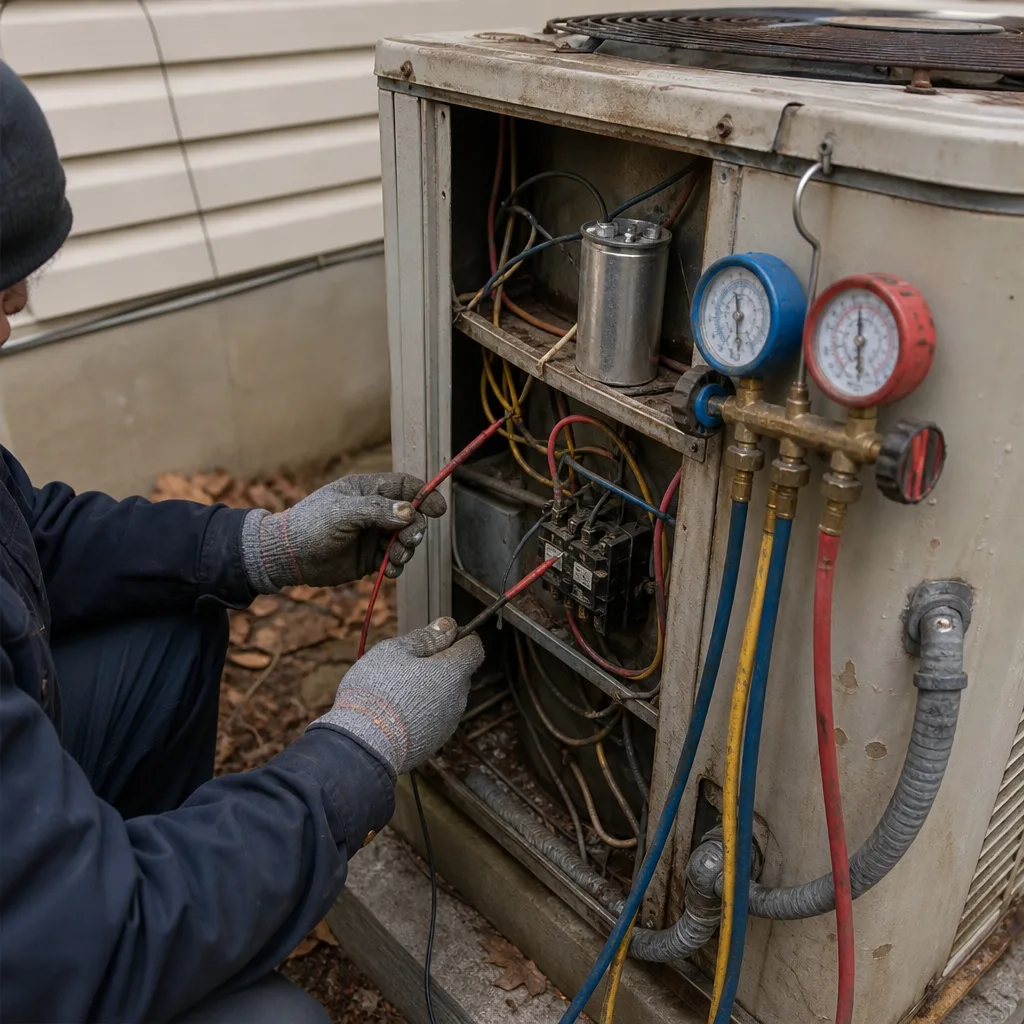 Before
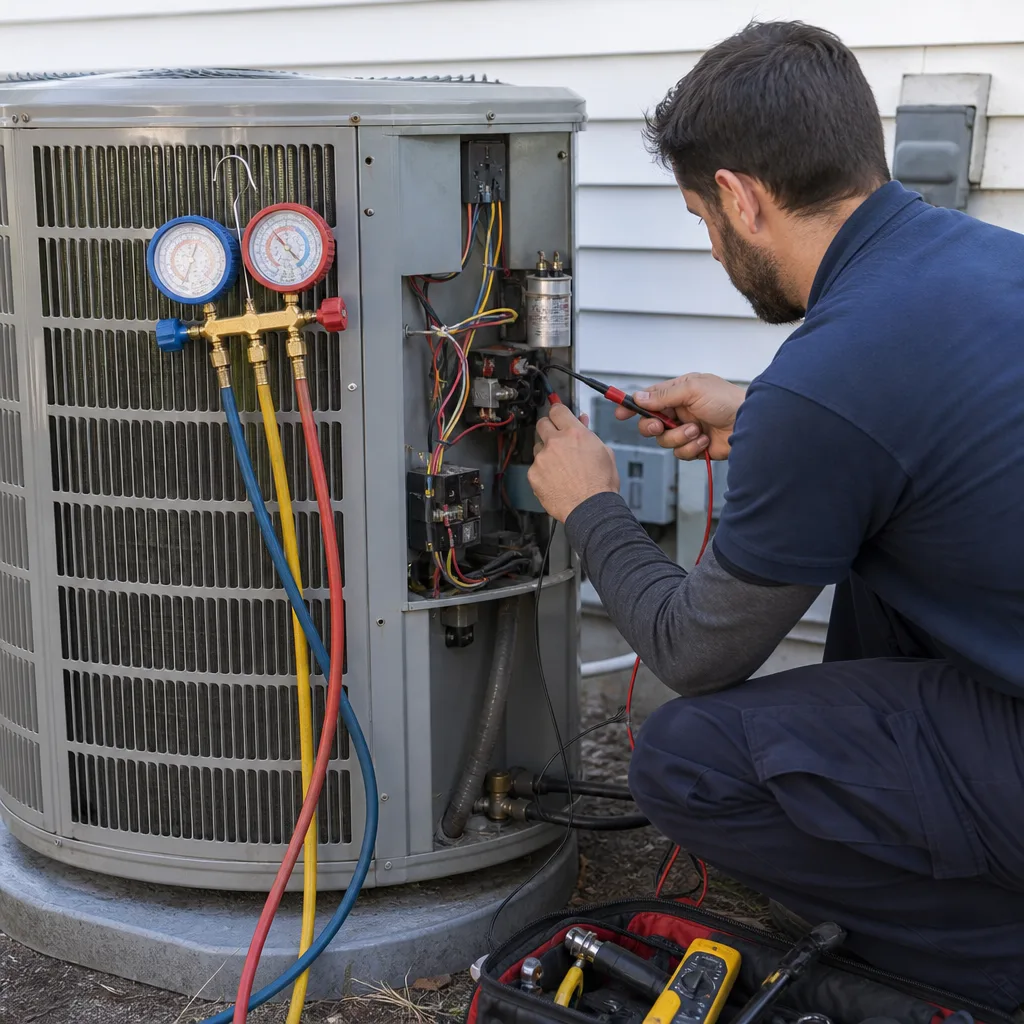 After
After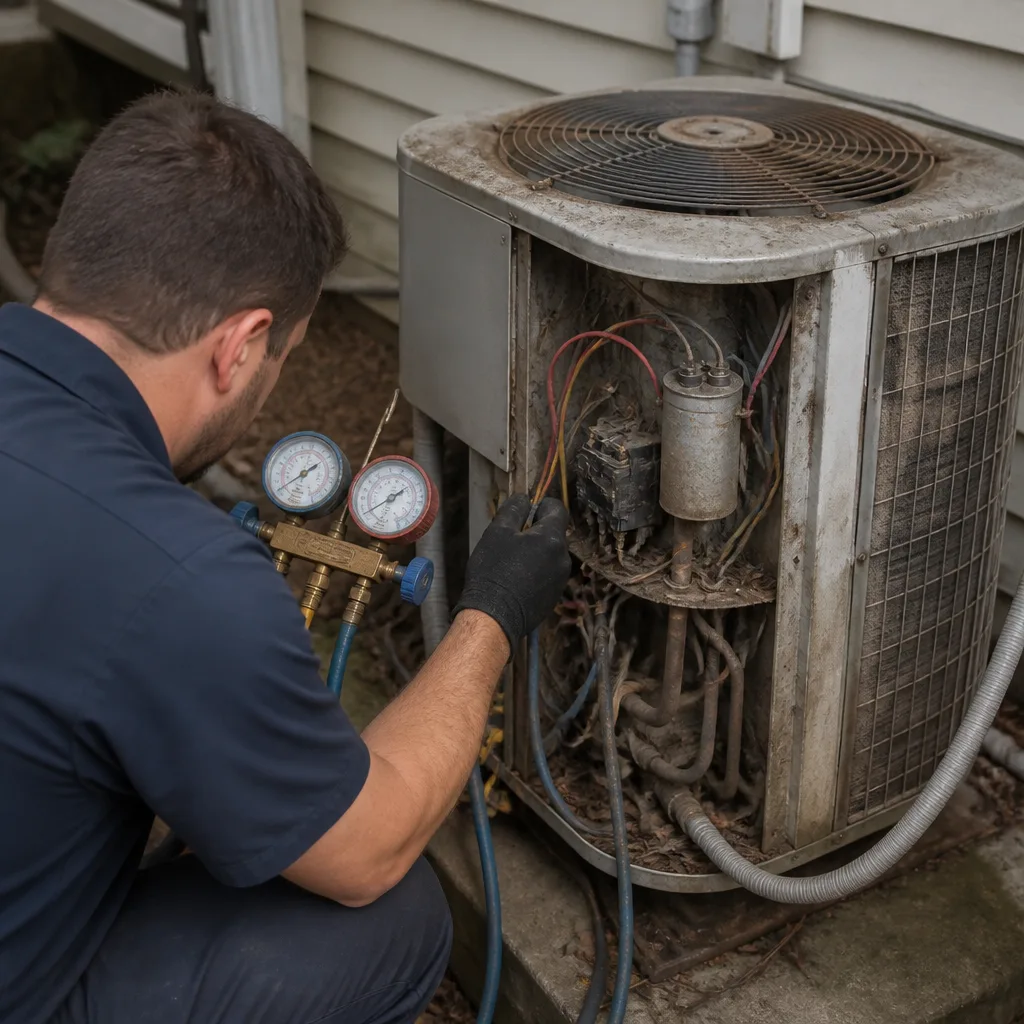 Before
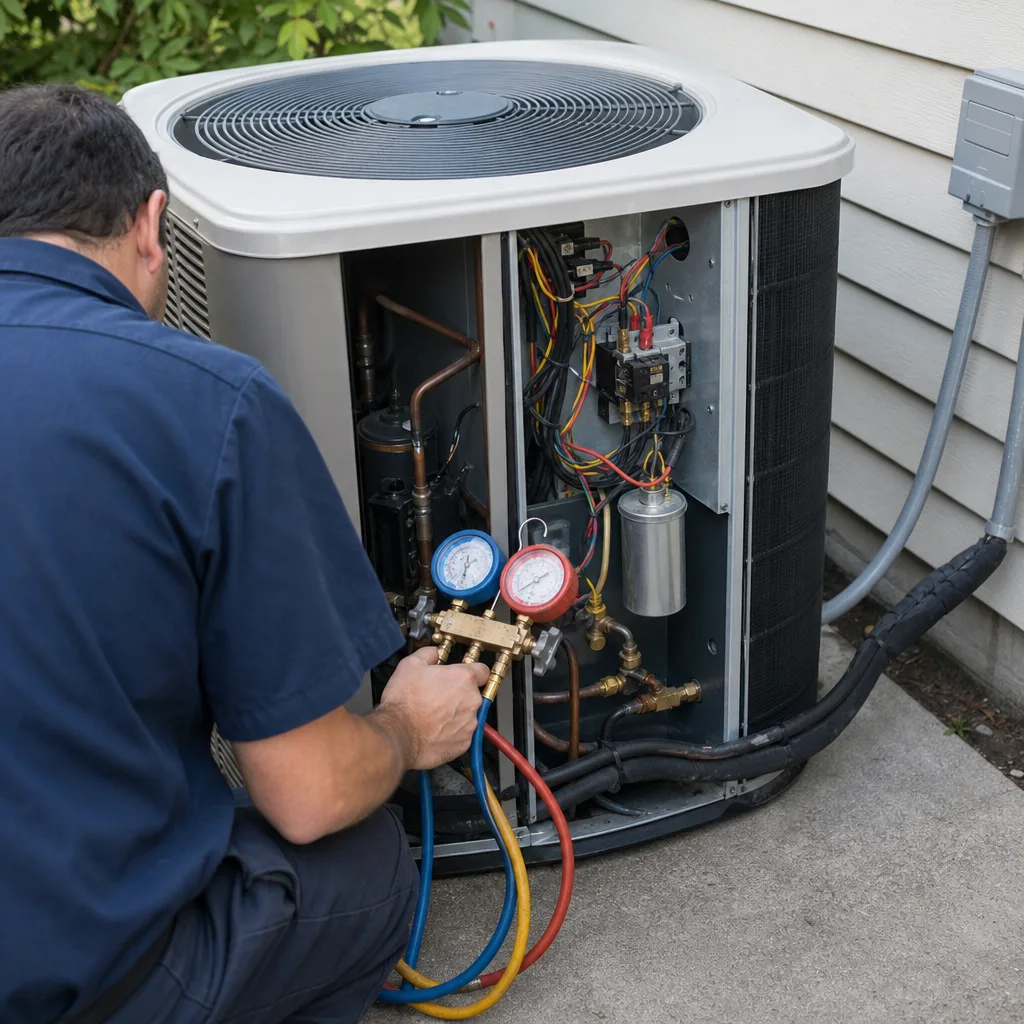 After
After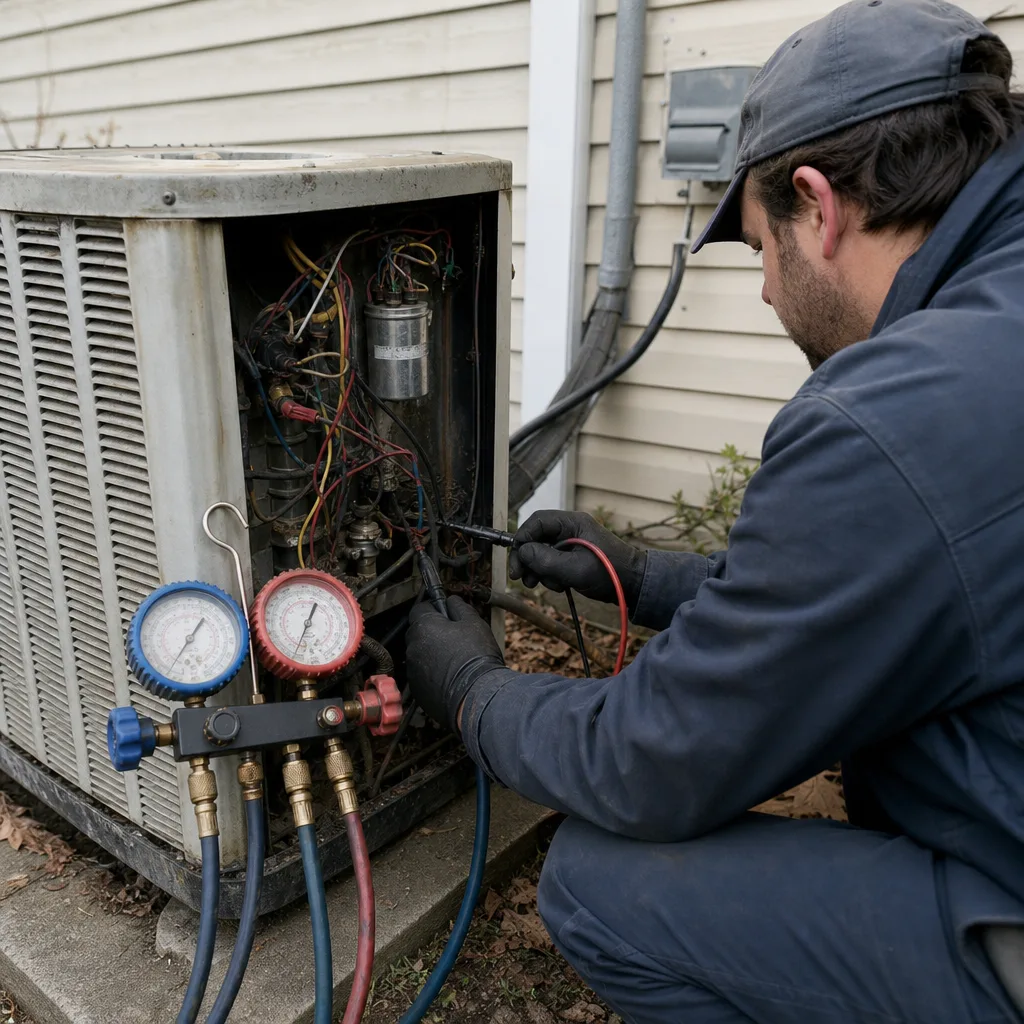 Before
 After
After