
Last updated October 16, 2026
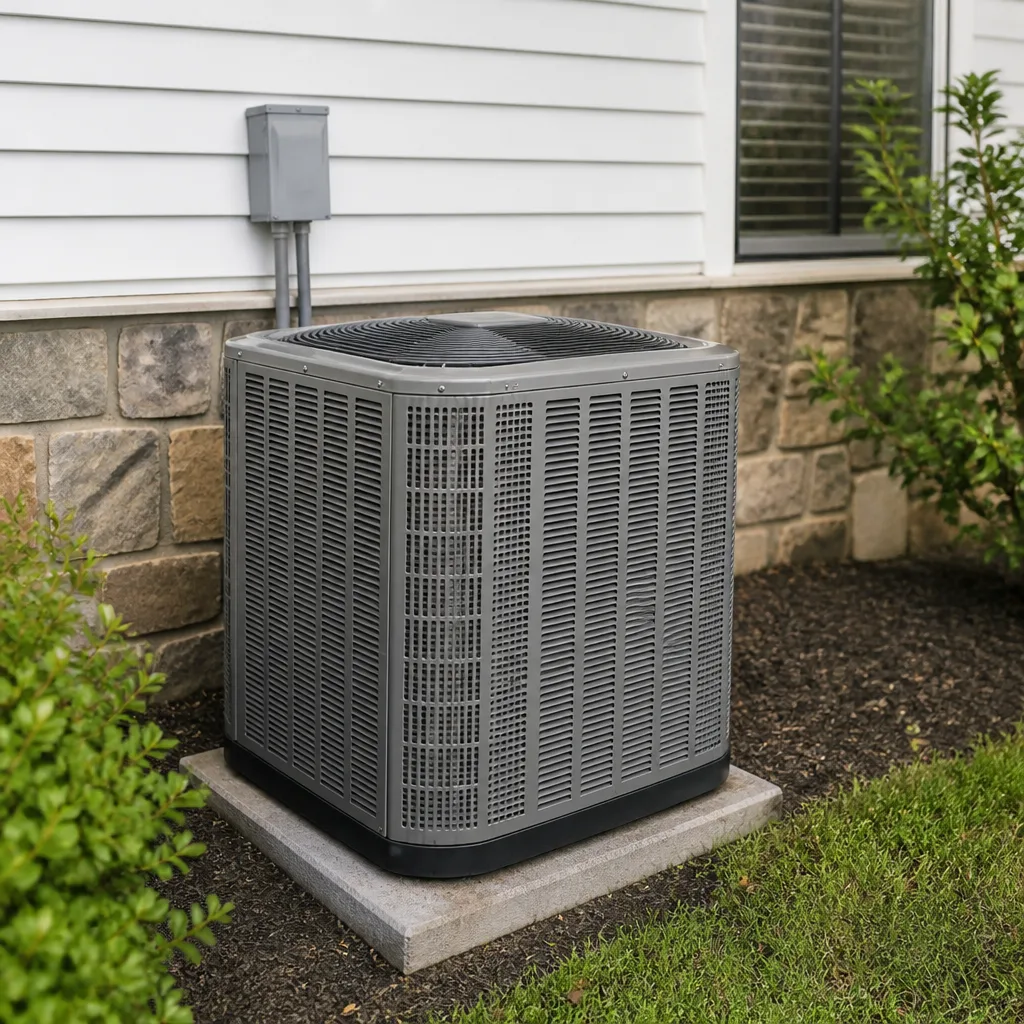 AC repair
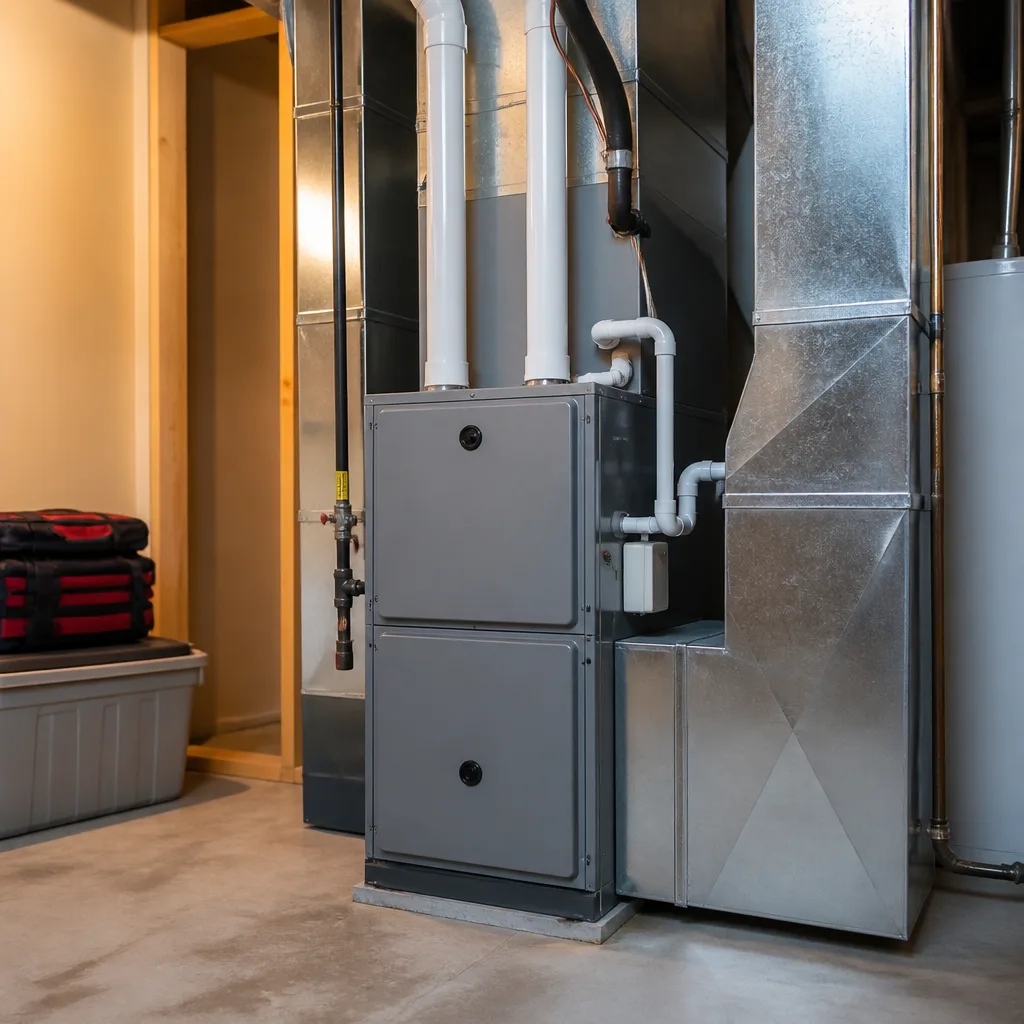 Furnace & heating
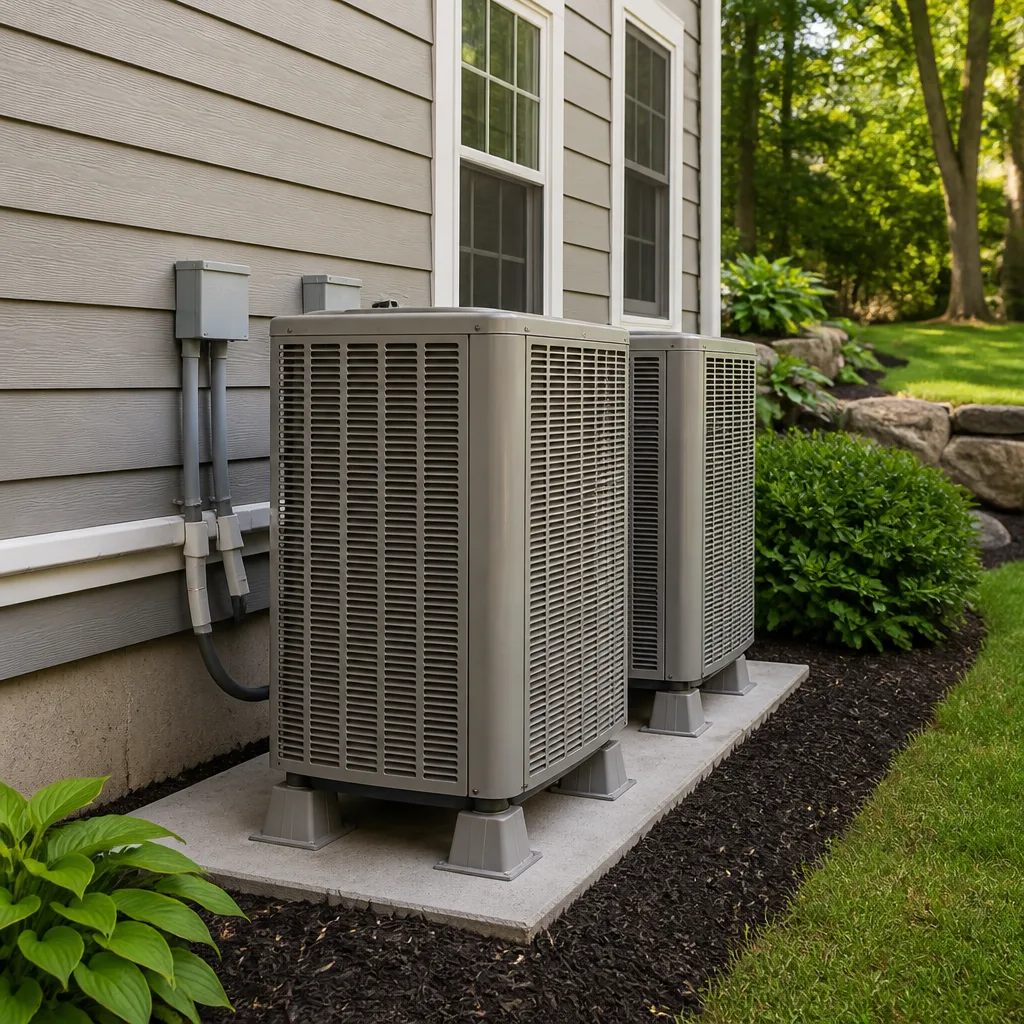 Heat pumps
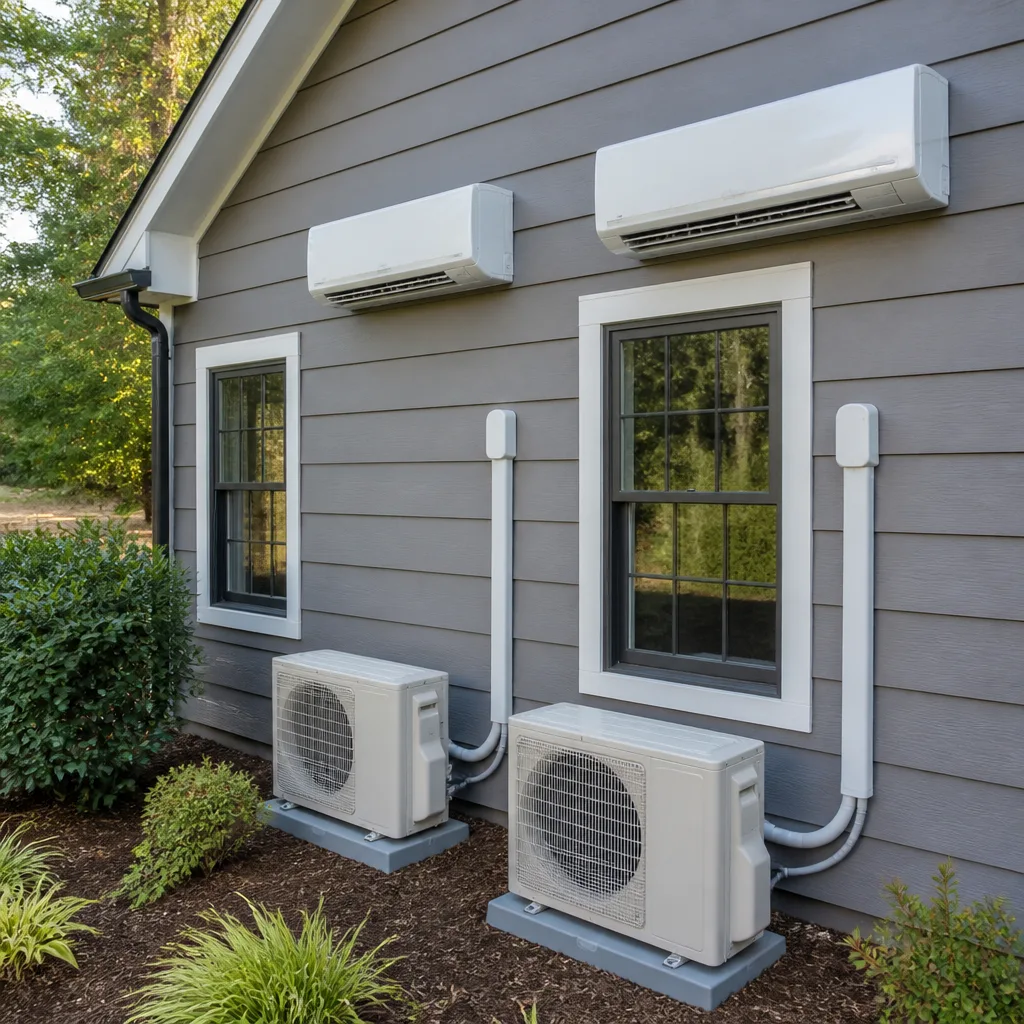 Ductless mini splits
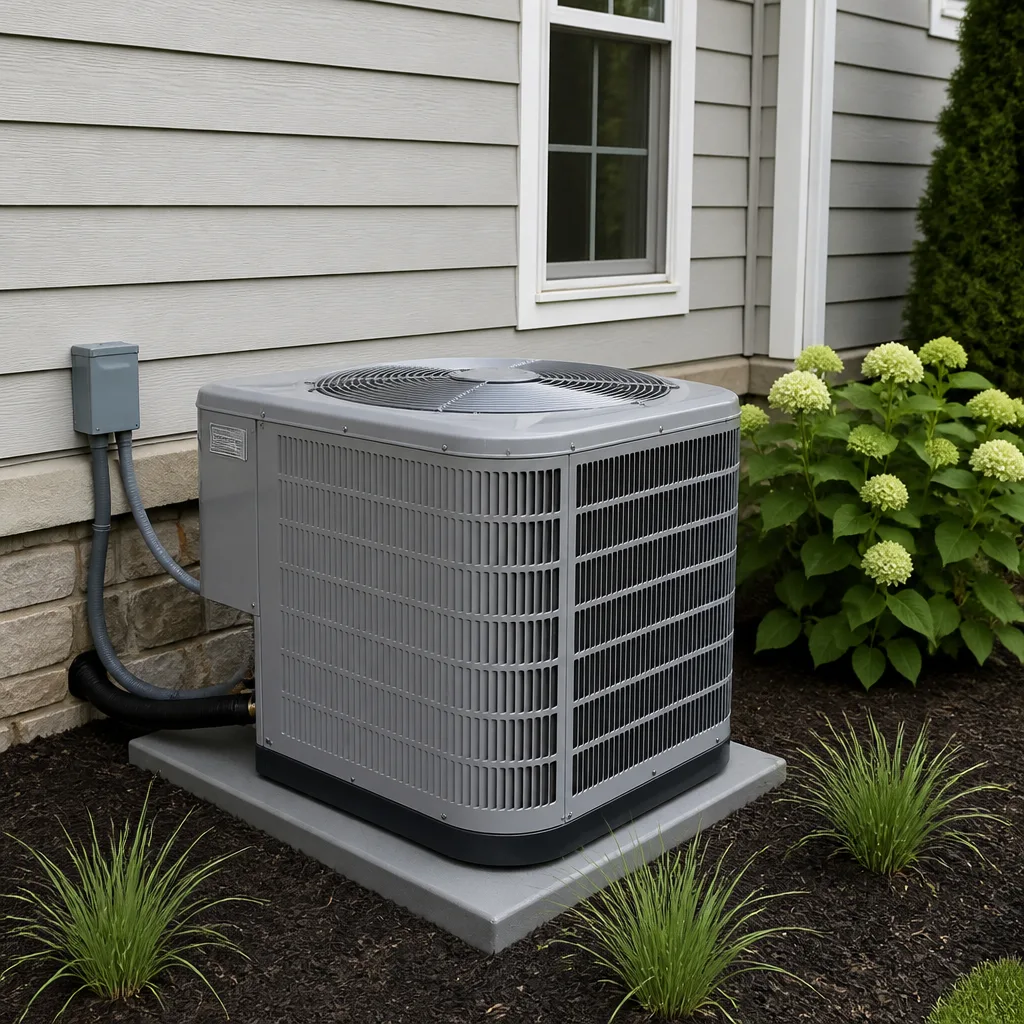 Carrier
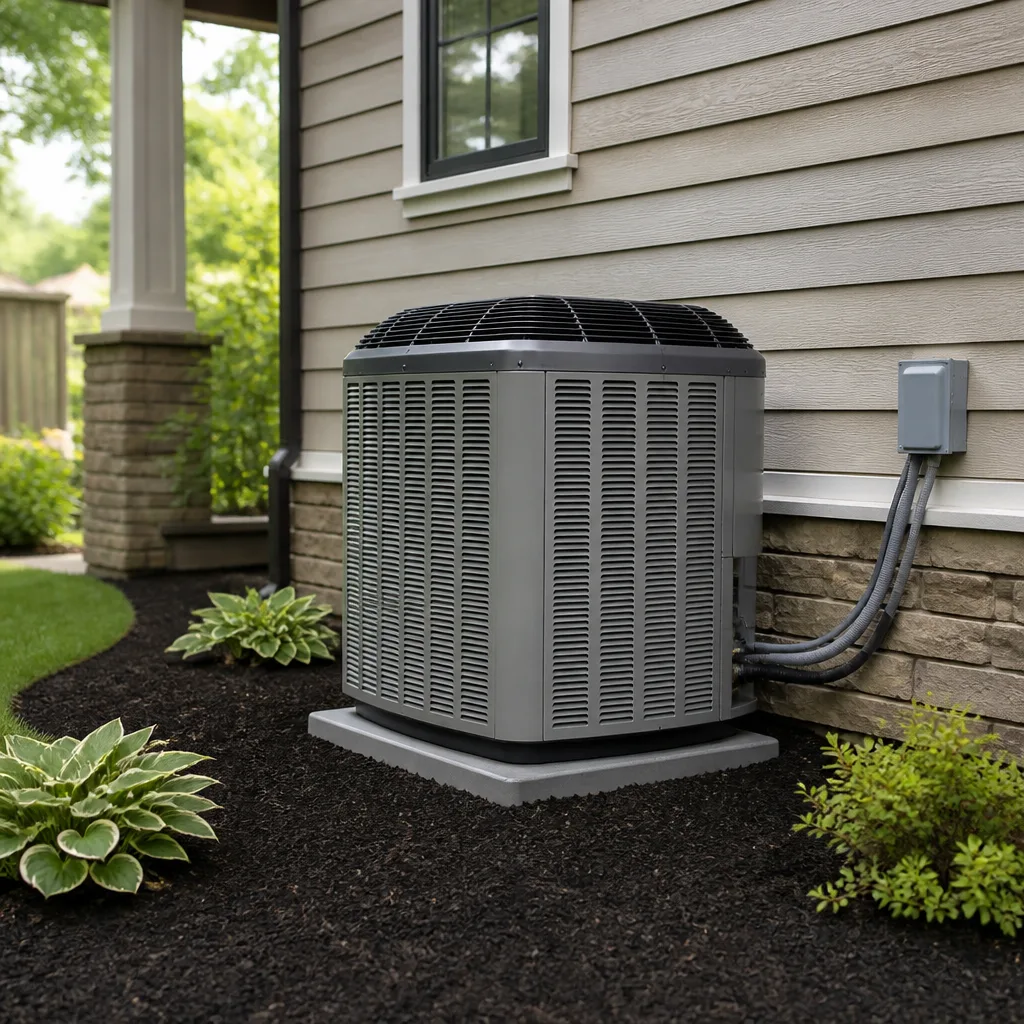 Trane
Trane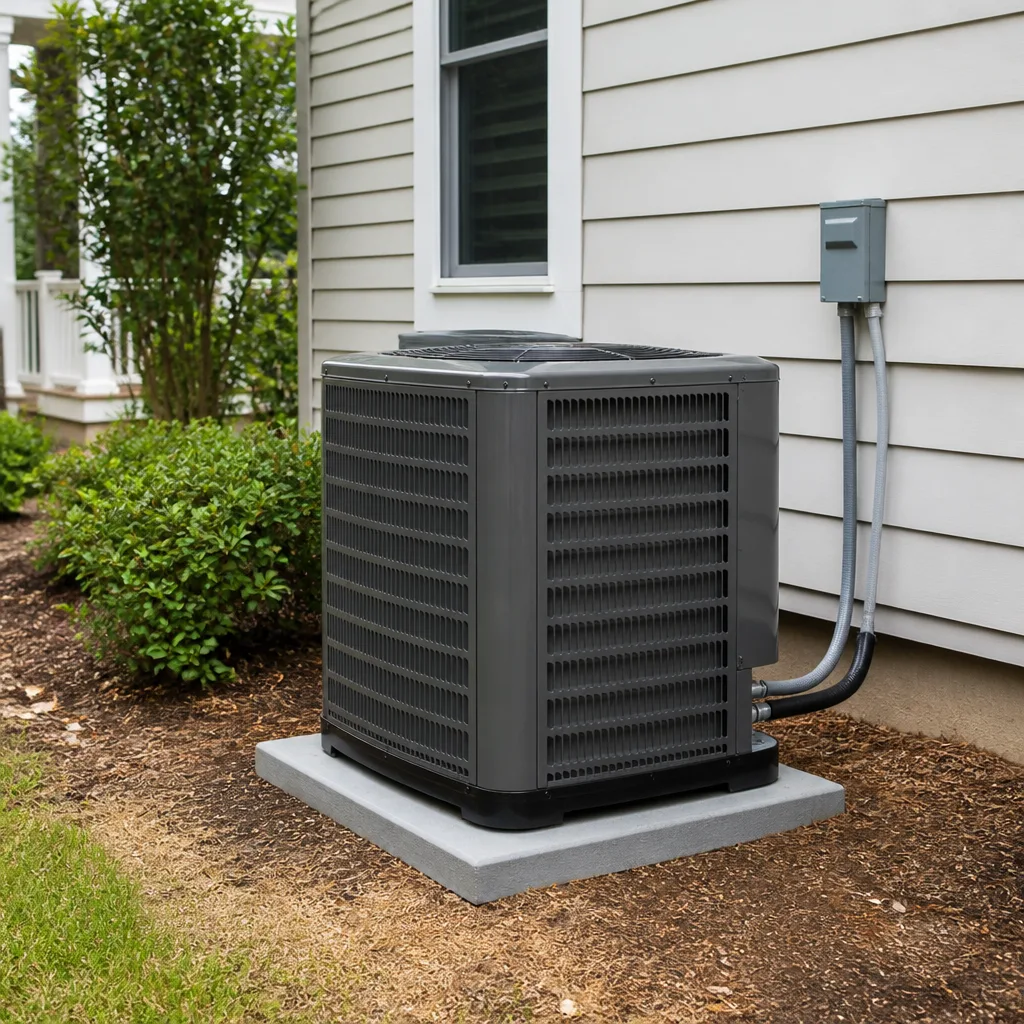 Goodman
Seasonal tune-up and full diagnostic on your Carrier, Trane, or Goodman system - readings shown to you before any repair is proposed
Diagnosis first, numbers second - you approve the repair price before a single part goes in.
Get your free estimateSeasonal HVAC Care for New York: Year-Round Homeowner’s Guide
The most expensive HVAC repair calls in New York cluster on three predictable dates every year: the first cold snap in October, the first heat wave in June, and the Monday after Thanksgiving. Three moments when systems sit idle for months and then get switched on hard. Every one of those calls is largely preventable. This guide maps New York’s four HVAC phases so you stop scrambling and start scheduling, and you can find The Complete Guide to HVAC in New York for deeper background. You’ll learn what to check, what it costs, when to book, and what can wait until spring.
Quick Answer
New York HVAC care works best as a four-phase yearly schedule-spring startup (April), summer peak maintenance (June-July), fall changeover (September-October), and winter steam or forced-air upkeep (December-February)-which is covered in detail in our AC Repair Maintenance Checklist for New York Homeowners. Plan on spending $300-$600 per year total on professional seasonal service across those visits, with professional tune-ups typically running $90-$180 per visit depending on system type. Each phase takes under two hours, and the work is easiest to schedule during New York’s shoulder seasons when contractors have open calendars.
Styles & brands we work with
Table of Contents
- The Four-Phase New York HVAC Calendar
- Why April-May and September-October Are the Cheapest Months
- Steam Heat in New York: What Forced-Air Guides Skip
- Summer Humidity: How New York’s Climate Beats Up Cooling Equipment
- Seasonal Service Costs in New York: A Realistic Budget
- Common Mistakes to Avoid
- When to Call a Professional
- Frequently Asked Questions
The Four-Phase New York HVAC Calendar
Most guides treat HVAC care as two seasons: heating and cooling. In New York, that framing misses everything. The city’s climate creates four genuinely distinct phases, and the work each phase demands is different. A system that gets four small, well-timed checkups will outlast a system that gets one frantic call per year when it breaks. Here’s how we break it down at Cold Harbour Heating and Air New York home, and how we’ve watched it play out across thousands of New York service calls since 2003.
Phase 1: Spring Startup (April to Early May)
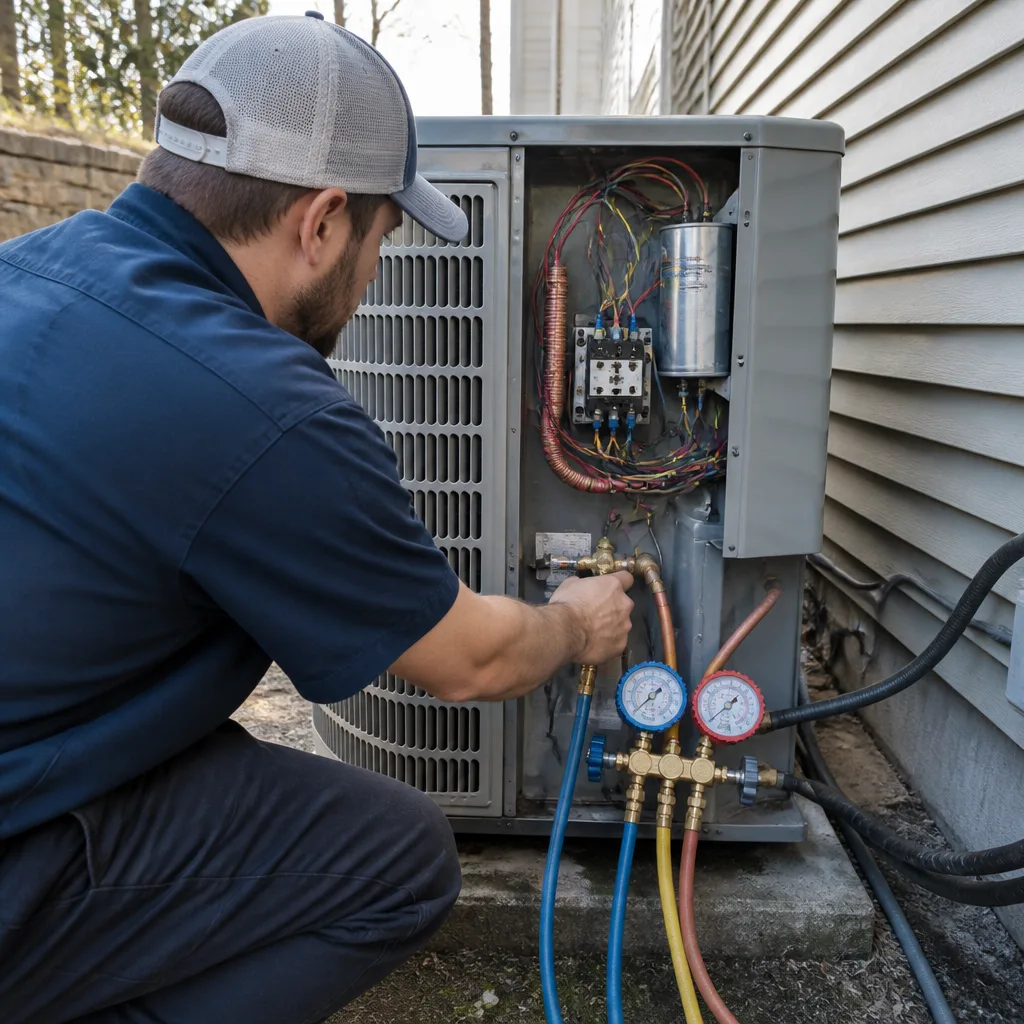
This is the phase where you prepare the cooling side before the first heat wave hits. New York’s first hot stretch usually arrives in late May or early June, often without warning. By April, temperatures are mild enough that technicians aren’t slammed with emergency no-cooling calls yet. That means scheduling is easy, prices are standard, and you’ll have your pick of appointment times.
What a proper spring startup covers:
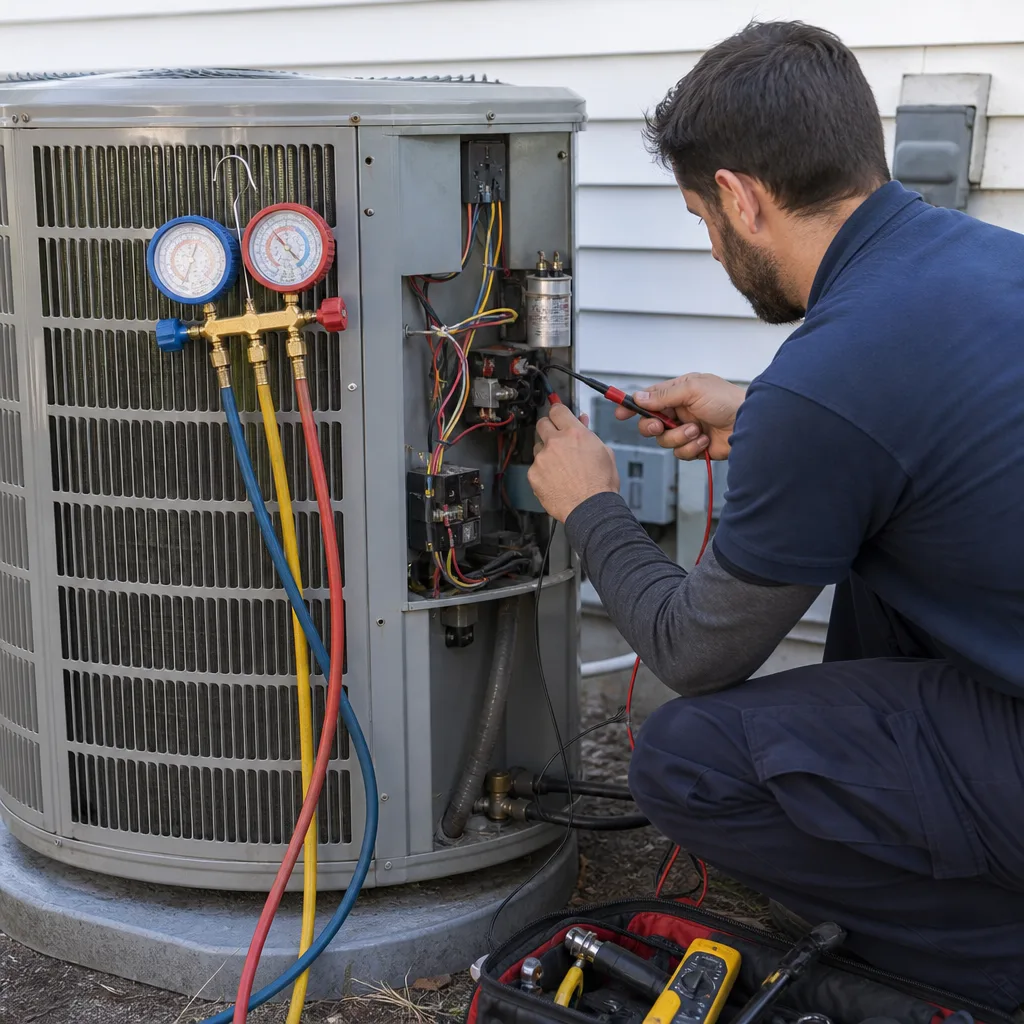
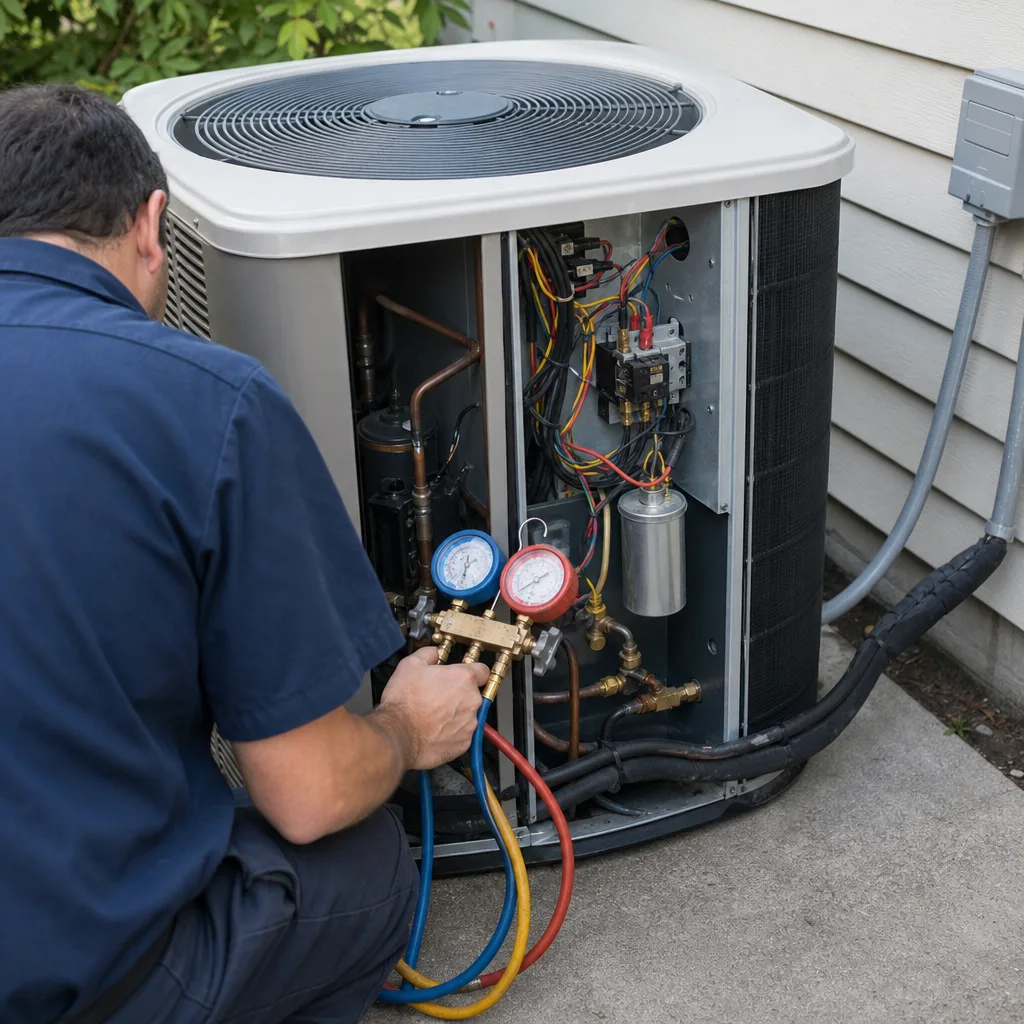
- Condenser coil cleaning: the outdoor unit collects winter grime, road salt residue, and tree debris. A dirty coil raises operating pressure and shortens compressor life.
- Refrigerant level check: low refrigerant (the cooling fluid your AC needs to run) usually means a leak, not normal wear. Catching a small leak in April costs a fraction of what a burnout costs in August.
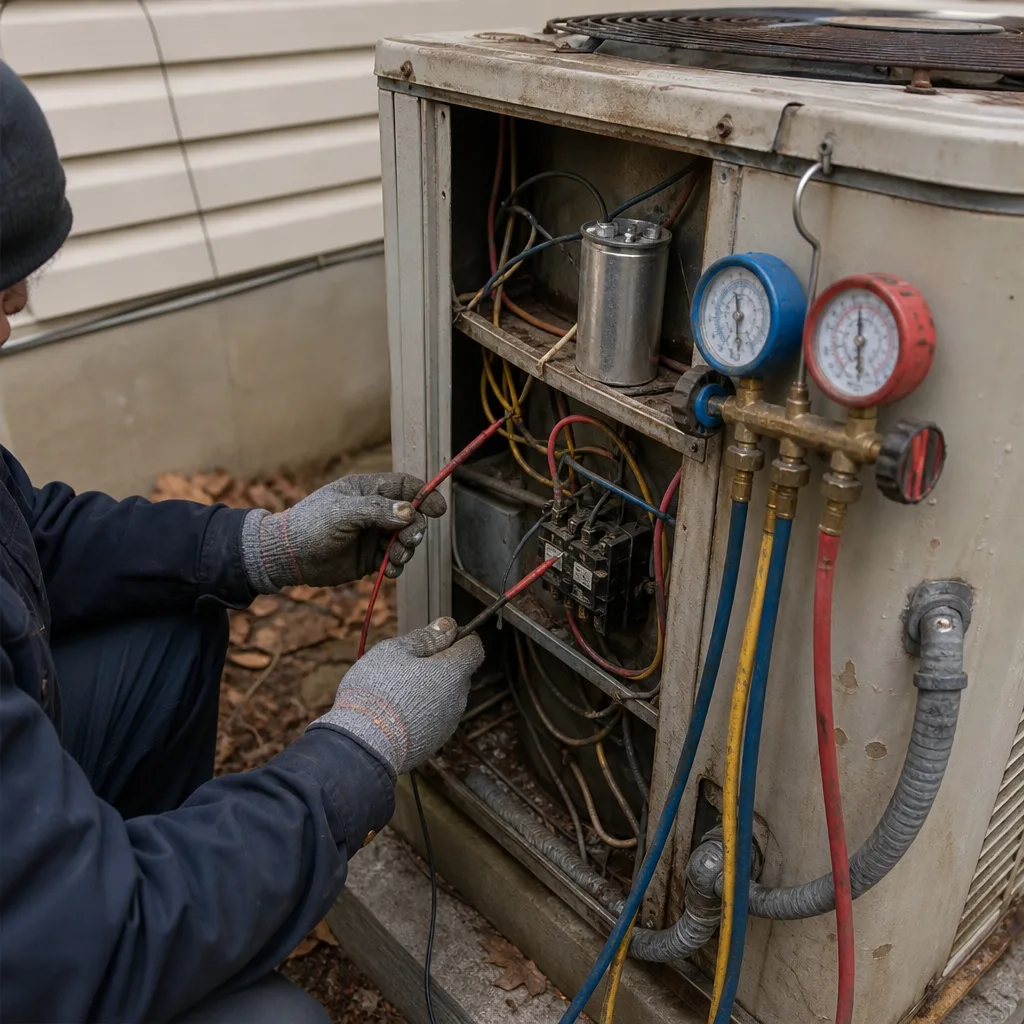
- Capacitor and contactor inspection: these electrical parts fail from heat stress and age. In our experience, capacitor failures are the single most common AC breakdown cause in New York, and they almost always fail on the hottest day because that’s when the part works hardest.
- Condensate drain clearing: New York’s humid summers mean your cooling coil pulls gallons of moisture from the air. A clogged drain line backs up water into the pan, then onto your floor or ceiling.
- Thermostat calibration: verify the reading matches actual room temperature, so the system cycles correctly.
This visit takes about 60 to 90 minutes on a standard central AC system. If anything needs replacement, you’ll get a written price before the work starts. That’s the Kingswell Way: say the price before the work, show up in the window given, leave the place cleaner than found, put the guarantee in writing, and come back if it fails.
Phase 2: Summer Peak (June through August)
Summer in New York is not a maintenance season. It’s an operating season. The equipment runs daily, sometimes around the clock during heat waves. Your job as homeowner is monitoring, not tinkering.
During the summer, watch for:
- Short cycling: the AC turns on and off every few minutes. That points to an oversized system, a failing capacitor, or refrigerant trouble. It wastes electricity and stress-tests the compressor.
- Ice on the copper line: if the fat copper pipe at the condenser develops frost, airflow or refrigerant is wrong. Shut the system off and call. Running an iced-up unit can destroy the compressor.
- Water around the indoor unit: clear the condensate drain. If it recurs within days, the pan or line needs professional attention.
- Rising electric bills: a 10-15% jump with the same usage pattern often means efficiency loss, not rate changes.
If you need repairs during summer peak, call AC Repair in New York early in the day. Technicians in New York run morning-to-evening schedules during heat waves, and the earlier you call, the sooner you get on the board. Every repair we perform gets a written 365-Day Done Right Promise: if the repair fails within a full year, we come back and correct the work at no additional charge. Not verbal, not conditional. On paper, every time.
Phase 3: Fall Changeover (September to Early October)
This is the phase New York homeowners skip most often. The AC still works, the heat isn’t needed yet, and nothing feels urgent. But fall is the safest and cheapest window to address heating equipment. Furnaces and boilers sit dormant all summer, and the first cold night in October is when dormant problems surface as emergencies.
A proper fall changeover includes:
- Burner and heat exchanger inspection: on a furnace, cracks in the heat exchanger mean carbon monoxide risk. This is the single most important safety check in the entire HVAC year.
- Flame sensor cleaning: a dirty flame sensor causes the furnace to light and then shut down repeatedly. Ten minutes of cleaning prevents a no-heat call in December.
- Vent and flue check: bird nests, leaves, and fallen debris block exhaust flow. A blocked vent backs combustion gases into the home.
- Air filter replacement: for forced-air systems, a clean filter heading into heating season improves airflow and reduces strain on the blower motor.
- Boiler water level and pressure check: for hydronic and steam systems, low water is the leading cause of boiler damage.
October is also the month to schedule Furnace Repair in New York work if anything showed symptoms the previous winter. The wait times in October are measured in days, not hours. In January, a no-heat call can mean a cold night while the schedule fills. The math is simple: fix it in fall, before it becomes an urgent problem in winter.
Phase 4: Winter Maintenance (November through February)
Once heating season is underway, the maintenance shifts from corrections to monitoring. Steam systems and forced-air furnaces each have their own winter checklist, and the details for steam are covered in the section below. For forced-air systems, the winter job is mostly:
- Check and replace the filter every 30 to 60 days, more often if you have pets or construction dust.
- Listen for new noises: rattles, rumbles, or bangs that weren’t there in November.
- Feel for uneven heating: rooms that heat slower than they used to, or new cold spots.
- Watch the thermostat cycling: a furnace that short cycles in winter often has a dirty sensor or a failing limit switch.
New York’s winter also tests systems that sit in unconditioned basements, attics, or garages. Frozen condensate lines on high-efficiency furnaces are a regular January service call in New York. If your furnace drains outside, a freeze can block the drain and shut the system down. A small heater tape on the exposed drain section usually prevents the problem.
Why April-May and September-October Are the Cheapest Months
New York’s shoulder seasons, April through May and September through October, are when HVAC contractors have room in their schedules and no surge demand. The extreme cold of winter is gone, the brutal heat of summer hasn’t arrived, and most homeowners aren’t thinking about their systems. That’s exactly why you should be.
In practical terms, shoulder season booking gives you four advantages:
- Appointment flexibility: In July or January, you take whatever slot is available. In April or October, you pick the day and time that works for you.
- Standard pricing: Emergency and same-day calls during heat waves and cold snaps often carry higher diagnostic fees and premium scheduling. Shoulder season work gets billed at standard rates.
- Time for thoroughness: Technicians on a spring or fall maintenance call can spend an extra 20 minutes checking small things without pushing the next customer’s appointment. During peak season, every minute is precious.
- Parts availability: If your furnace needs a specific igniter or your AC needs a specific capacitor, having the part ordered in April instead of panic-ordered in January means faster turnaround and no temporary workarounds.
We’ve seen this pattern hold for two decades in New York. The homeowner who books a spring tune-up in early April pays a standard rate and gets a thorough visit. The homeowner who calls on the first 95-degree day in June pays for an emergency diagnostic and waits in a hot house. Same system, same problem. Different outcome, entirely because of timing.
One more point that matters: scheduling in the shoulder season means your system gets checked before the stress arrives, not after. A small refrigerant top-off in April protects against a compressor burnout in August. A flame sensor cleaned in September prevents a no-heat night in February. The shoulder season isn’t just cheaper. It’s when maintenance actually prevents the failure, rather than responding to it.
Steam Heat in New York: What Forced-Air Guides Skip
New York has one of the largest concentrations of steam heating systems in the country. These systems, many installed in prewar buildings and classic brownstones, work differently from forced-air furnaces in almost every way. A generic HVAC guide that skips steam heat is useless to a large portion of New York homeowners. Here’s the portion most guides omit.
Steam System Venting
A steam system depends on small vents, one on each radiator and often one on the main steam pipe, to release air from the pipes so steam can travel. When a vent sticks closed, air stays trapped and that radiator stays cold. When a vent sticks open, steam escapes and the boiler fires more often than it should. Vent replacement is a simple job, the parts are inexpensive, and it fixes more uneven heating complaints in New York than any other single repair.
Signs of a vent problem: a radiator that’s hot at the bottom and cold at the top, a radiator that stays cold while others heat, hissing that never stops, or water spitting from the vent. A hissing vent is supposed to close once steam reaches it. If it doesn’t, it’s failed.
Steam Trap and Return Line Maintenance
Steam traps sit at the radiator outlet and open to let condensed water flow back to the boiler, closing again to keep steam in the radiator. A failed trap passes steam into the return lines, wasting heat and over-pressurizing the system. Over time, that pressure forces water out of the boiler and creates banging, hammering noises in the pipes. In New York’s older buildings, original return piping can also accumulate rust and sludge that slows condensate return. A steam system that bangs loudly on startup is telling you the water isn’t returning quickly enough, or the boiler’s water level is too high.
Water Level and Blowdown Checks
Steam boilers need the right water level, checked weekly during heating season. Too high and water enters the steam pipes, causing banging and spitting at radiators. Too low and the boiler can crack, which is a replacement-level repair. The sight glass on the side of the boiler shows the level. It should sit at the manufacturer’s mark, or roughly halfway up the glass. A monthly blowdown, opening the drain valve briefly to flush sediment from the bottom of the boiler, keeps the water clean and prevents pitting at the boiler base.
If any of this is beyond comfortable, and steam heat maintenance is genuinely less forgiving than forced-air work, call a New York technician who works on steam regularly. Cold Harbour Heating and Air New York services steam systems across the city, and every steam call starts with the same written-price guarantee as any other job.
Summer Humidity: How New York’s Climate Beats Up Cooling Equipment
New York’s summer isn’t just hot. It’s humid. Coastal air, afternoon thunderstorms, and the heat-island effect push dew points into the 70s for weeks at a time. That humidity changes how cooling equipment behaves, and it’s why AC systems in New York fail differently than systems in drier climates like Phoenix or Denver.
Condensate Drainage: The Overlooked Failure Point
Every AC system removes moisture from the air as it cools. In a dry climate, that’s a small amount. In New York’s July, a 3-ton central AC can pull 5 to 10 gallons of water from the air per day. All of that water has to drain away through a small PVC pipe, usually to a floor drain, sump, or outside. When the drain line clogs with algae, mold, or dust, water backs up into the drain pan and overflows. In apartments and multi-story homes, that overflow becomes a ceiling leak in the room below.
We see this call more than any other humidity-related service in New York. The fix starts with clearing the drain line and treating it to slow future growth. But here’s the part homeowners don’t expect: a clogged drain line that overflows repeatedly is often a symptom of a larger problem, not the root cause. A cooling coil that’s dirty or a blower that’s under-performing can cause the coil to freeze, then thaw and dump excess water into a pan the drain can’t keep up with.
Coil Performance and Latent Load
Cooling systems do two jobs: they lower the temperature (sensible load) and they remove moisture (latent load). In New York, the latent load is a much larger share of the work than in dry climates. An AC that’s oversized for the space will cool the air quickly but run for such short cycles that it never removes enough humidity. The result is a house that feels cold and clammy at the same time, a complaint we hear regularly from New York homeowners with the wrong-sized system.
The right fix for an oversized system is not always replacement. Sometimes adjusting blower speed, verifying refrigerant charge, and cleaning the coil gets the system removing more moisture per cooling cycle. But if your AC leaves the house feeling damp even when the temperature is low, the sizing deserves a professional look. That’s a AC Installation in New York conversation, not a repair conversation.
Mold and Air Quality
Humidity inside a home above 60% creates conditions where mold grows on cooling coils, in ductwork, and in drain pans. A musty smell when the AC first kicks on is the classic sign. The coil in an air handler never fully dries in New York’s summer, especially in basements and crawl spaces. The fix involves coil cleaning, drain treatment, and sometimes a whole-house dehumidifier tied into the system. In our experience, New York homes with chronically damp basements benefit more from a dedicated dehumidifier than from any AC adjustment.
Seasonal Service Costs in New York: A Realistic Budget
Knowing what seasonal HVAC service costs in New York lets you plan for the year instead of being surprised by each bill. These are real ranges we quote in New York, not national averages. They cover parts and labor on standard residential equipment from brands like Carrier, Trane, Lennox, and Goodman.
- Spring AC tune-up: $90-$180. Includes coil cleaning, refrigerant check, electrical inspection, drain clearing, and thermostat calibration. Some companies discount this if you also book fall service.
- Summer AC diagnostic call: $75-$150 for the diagnostic, then the repair itself runs separately. Common summer repairs in New York: capacitor replacement $150-$280, condensate drain clearing $100-$200, refrigerant top-off $200-$400 depending on type and amount.
- Fall furnace or boiler tune-up: $90-$180 for forced-air. Steam boiler service runs slightly higher, $120-$220, because it includes vent and trap inspection and water condition checks.
- Winter emergency no-heat call: diagnostic $75-$150. Common winter repairs in New York: flame sensor cleaning $100-$180, igniter replacement $150-$280, condensate line thaw and repair $100-$250.
- Annual maintenance plan (two visits): $180-$350 per year, depending on system type and square footage. Plans typically bundle the spring and fall visits at a small discount over booking separately.
Your total annual budget for professional seasonal service on one HVAC system in New York should sit around $300-$600. That covers two standard tune-ups and a modest repair allowance. Systems over 15 years old run higher, as do steam heat systems with original piping. And here’s the relevant comparison: a single emergency compressor replacement in August runs $1,800-$3,500. A heat exchanger replacement in a furnace runs $1,200-$2,800. The four-phase schedule costs a fraction and catches the failures before they become those big-ticket items.
Every price we quote at Cold Harbour Heating and Air New York is written down and handed to the homeowner before any work begins. The number doesn’t change at the door. That’s not an add-on. It’s how we’ve operated since 2003, and it’s a core plank of The Kingswell Way.
Common Mistakes to Avoid
- Skipping the fall check because the furnace worked last year. Furnaces don’t wear out in use; they fail on startup. The first cold night strains every component that sat dormant since April. A $150 fall tune-up prevents a $2,000 heat exchanger replacement.
- Waiting until January to address a heating symptom you noticed in December. Every day you wait, the part degrades further, and the emergency rate replaces the standard rate. If the furnace made a new noise in November, call in November.
- Running the AC with a frozen coil. Ice on the refrigerant line means the compressor is working against itself. Running it “just a little longer” is how a $300 repair becomes a $3,000 replacement.
- Neglecting steam radiator vents. A $30 vent stuck open wastes fuel and overheats rooms. Replace vents every few years as routine maintenance. It’s the cheapest efficiency improvement in New York steam heating.
- Using the wrong air filter or not changing it. A filter that’s too dense restricts airflow; one that’s too dirty does the same. Check it monthly and change every 30 to 60 days in summer and winter.
- Closing too many vents or doors in unused rooms. This raises static pressure in forced-air systems and makes the blower work harder. It doesn’t save money. It shortens equipment life.
- Ignoring a musty smell from the vents. That’s biological growth on the cooling coil or in the drain pan, and it won’t clear on its own. The longer it sits, the more extensive the cleaning job will be.
When to Call a Professional
Some HVAC work is safe and sensible for a homeowner-changing filters, checking steam boiler water levels, listening for new noises, and keeping vents clear-but for everything else, see our DIY vs Professional HVAC: The New York Homeowner’s Decision Guide. Other work is dangerous or easy to do wrong. Anything involving combustion gases, refrigerant handling, or high-voltage electrical components belongs with a trained professional. A cracked heat exchanger can leak carbon monoxide into the home, and that is not a DIY inspection. Refrigerant is pressurized and regulated. Electrical panels inside HVAC equipment carry live voltage even when the system is off. If you’re unsure whether a symptom is normal, call and ask. Cold Harbour Heating and Air New York offers free estimates in New York. Call (934) 465-5501 and a live person answers, 24 hours a day, every day of the year. The technician who arrives is background-checked, uniformed, and trained on nine major brands including Carrier, Trane, Lennox, Goodman, Rheem, York, Daikin, Bryant, and American Standard. The written price comes before any work starts. The written 365-Day Done Right Promise comes with every repair.
Frequently Asked Questions
Twice a year: once in spring before cooling season starts, and once in fall before heating season starts. This catches seasonal wear patterns before they become failures. Steam heat systems benefit from an additional mid-winter check of water level, vents, and traps.
April and September. These shoulder months have mild weather, no emergency rush, and standard pricing. Technicians can spend more time on thorough inspection when they aren’t racing between no-cooling or no-heat calls.
Between $90 and $180 per visit for forced-air systems, and $120 to $220 for steam boiler service. A yearly maintenance plan that bundles both seasonal visits typically runs $180 to $350 per year.
Freezing happens when the coil temperature drops below freezing, usually because of low refrigerant, restricted airflow, or a dirty coil. New York’s high humidity adds water to the coil, so a frozen system creates a large thaw-and-overflow event when it melts. Shut the system off and call for a diagnostic.
If the repair costs under 30% of the replacement price, and the system otherwise works, repair usually makes sense. Above that threshold, or if the system has multiple aging components, replacement starts to look better. A proper load calculation matters in New York, where an oversized unit creates humidity problems in summer.
Filter changes, vent clearing, thermostat programming, and steam boiler water level checks are all reasonable homeowner tasks. Anything involving the burners, heat exchanger, refrigerant lines, or electrical components should be handled by a trained professional. The safety risk simply doesn’t justify the savings. Call (934) 465-5501 and get a written price before any work starts.
The Bottom Line
New York’s HVAC year has four distinct phases, and each one has specific work attached. Spring brings the cooling startup: coil cleaning, refrigerant check, drain clearing. Summer is monitoring season, where you watch for freezing, short cycling, and drainage problems tied to New York’s humidity. Fall is the changeover, the cheapest and safest time to address heating equipment before the cold hits. Winter is steam heat maintenance and forced-air filter discipline. Budget $300 to $600 per year for professional seasonal service across two visits, and book those visits in April and September. The alternative is paying three or ten times that amount in emergency repairs when the system fails on the worst possible day. You decide which version of the year you want.
Written by Victor Mancini, Owner at Cold Harbour Heating and Air New York, serving New York since 2003.
See the difference
 Before
 After
After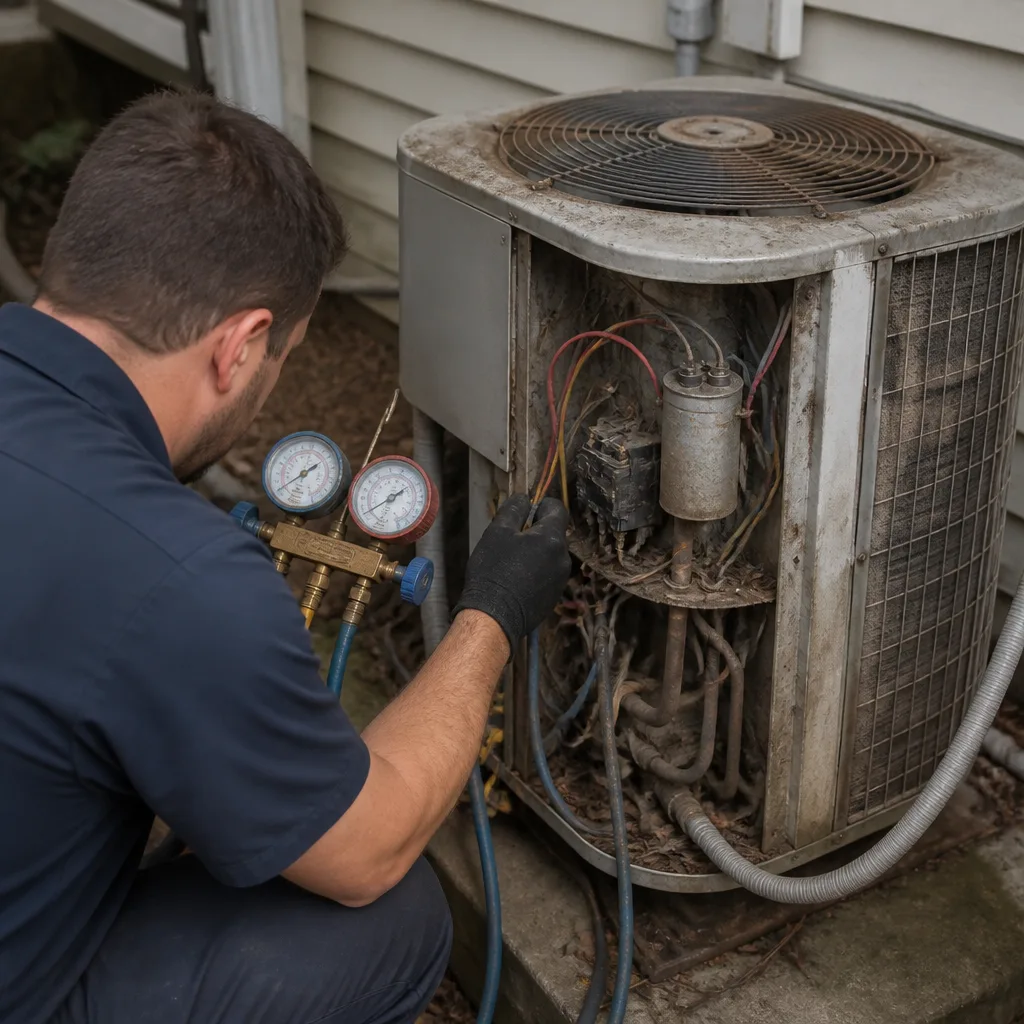 Before
 After
After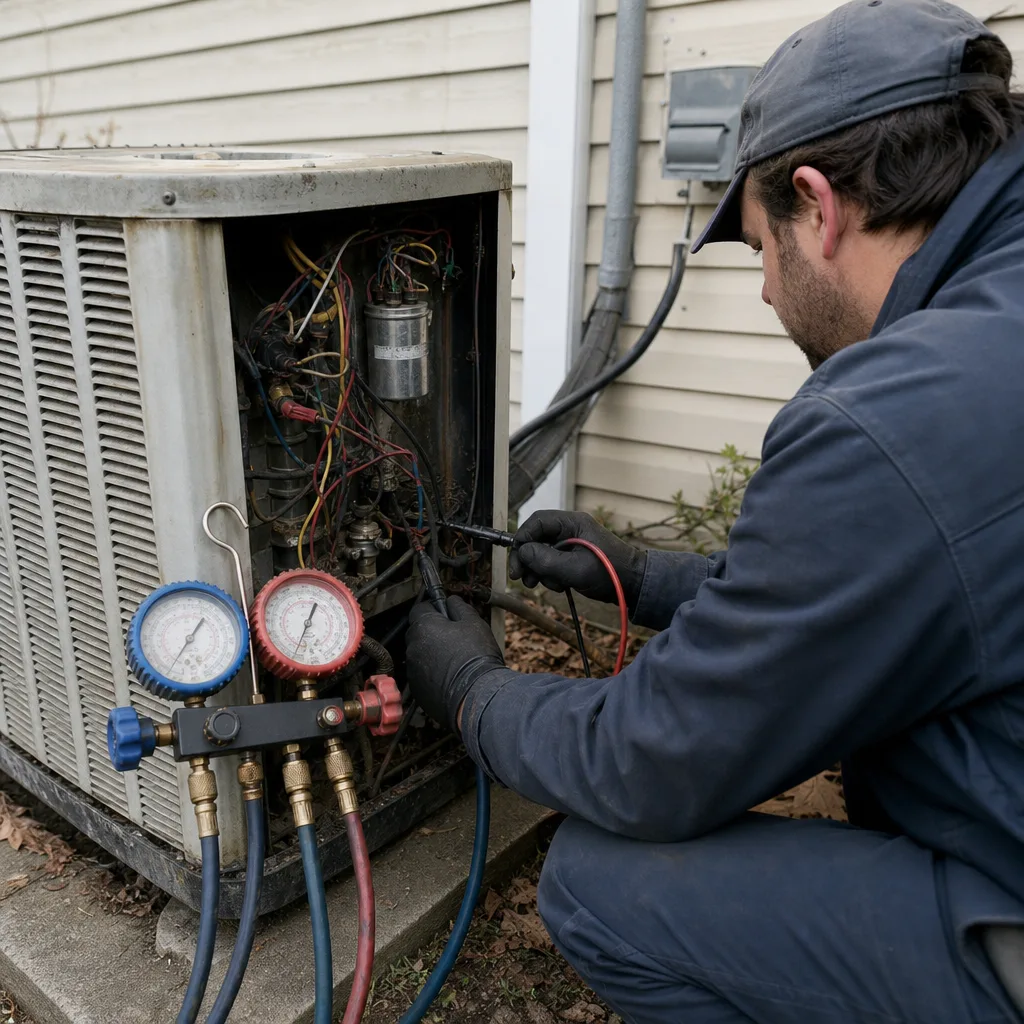 Before
 After
After